Dongguan Tianrui Electronics Co., Ltd.
Dongguan Tianrui Electronics Co., Ltd. logo
Inrush Current Limiters: How PTC Thermistors Protect Your Electronics from Surge

Inrush Current Limiters: How PTC Thermistors Protect Your Electronics from Surge

PTC Heater
Sep 22, 2025Posted by Dongguan Tianrui Electronics Co., Ltd.

You press the "on" button on your device, and it hums to life. What you don't see or hear is the massive, potentially destructive surge of electrical current that happens in that first split second. This phenomenon is called inrush current, and if left unchecked, it can slowly degrade or instantly destroy electronic components. Fortunately, engineers have a simple and elegant solution: the PTC thermistor.

What is Inrush Current?

Inrush current is a momentary surge of current that far exceeds the normal operating current of a device. It occurs primarily when power is first applied to circuits containing capacitive or inductive loads, such as:

  • Electric motors (in refrigerators, power tools, air conditioners)

  • Switch-mode power supplies (in computers, televisions, phone chargers)

  • Transformers

  • Large capacitor banks (which initially act like a short circuit as they charge up)

This current spike can be 10 to 100 times higher than the steady-state operating current. Over time, this repeated stress can damage capacitors, degrade solder joints, blow fuses, and cause premature failure.

The Guardian: PTC Thermistor as an Inrush Current Limiter (ICL)

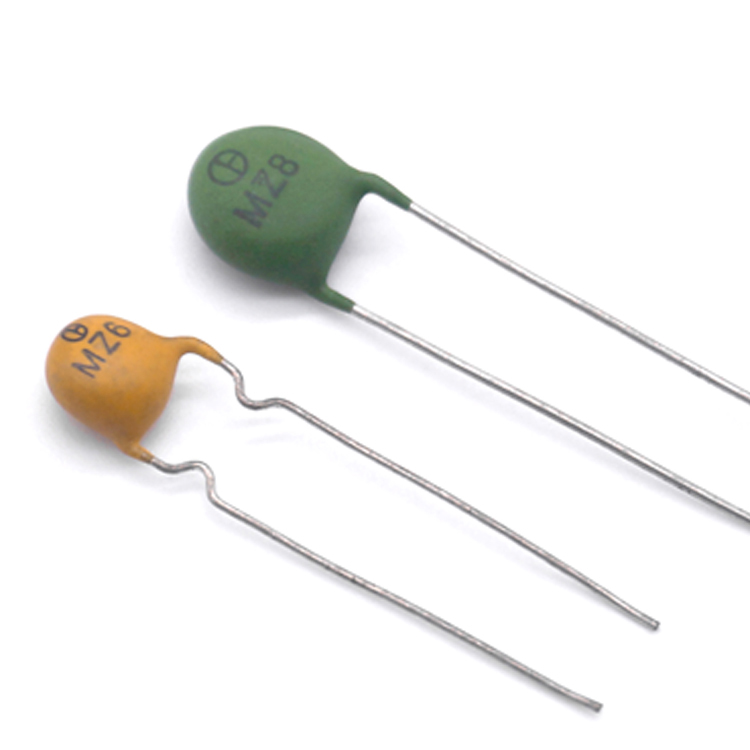
This is where the PTC (Positive Temperature Coefficient) thermistor comes in as a perfect inrush current limiter. Its unique property—increasing resistance with increasing temperature—is expertly leveraged to tame this surge.

Here’s how it works, step-by-step:

  1. Cold State (High Resistance, Low Temperature): When your device is off and cool, the PTC thermistor is at room temperature and has a low resistance. You install it in series with the power input of the circuit you want to protect.

  2. At Switch-On (Limiting the Surge): The moment you turn the device on, the massive inrush current tries to flow. Because the PTC is cool and has low resistance, it initially allows this current to pass, but it also begins to heat up due to the power dissipated across it (I²R heating).

  3. The "Trip" (Heating and Protecting): Within a fraction of a second, the inrush current rapidly heats the PTC thermistor. As it heats up, it crosses its "Curie point" or switching temperature, causing its resistance to increase dramatically.

  4. Steady State (The New Normal): This high-resistance state acts like a gentle hill, effectively limiting the current down to the tiny trickle needed for normal operation (the hold current). The device now runs normally, and the PTC remains in this warm, high-resistance state, acting as a benign component in the circuit.

  5. The Reset (Cooling Down): When you turn the device off, the current stops flowing. The PTC thermistor cools down over tens of seconds to a few minutes. As it cools, its resistance drops back to its original low value, making it ready to protect against the next inrush current event when you power the device on again.

Why PTC Thermistors are Perfect for This Job

  • Simple and Passive: They require no external control circuitry. They are self-regulating based on the physics of the material.

  • Highly Reliable: Being solid-state components with no moving parts, they are extremely reliable and have a long operational lifespan.

  • Cost-Effective: They provide a robust and inexpensive solution to a complex problem.

  • Self-Resetting: Unlike a fuse that blows and needs replacement, a PTC thermistor resets automatically after it cools down.

Where You'll Find Them

PTC inrush current limiters are ubiquitous in modern electronics:

  • AC/DC Power Supplies in computers and servers

  • Industrial Motor Control units

  • Audio Amplifiers

  • HVAC Systems

  • Telecommunications Equipment

Conclusion

The next time you start your computer or open your refrigerator door, remember the tiny, silent hero working behind the scenes. PTC thermistors are masterful inrush current limiters, sacrificing themselves—momentarily—to absorb that destructive initial energy surge. By smoothly transitioning from a conductor to a resistor, they provide a simple, elegant, and automatic layer of protection that is crucial for the longevity and reliability of the electronics we depend on every day.
Featured Blogs

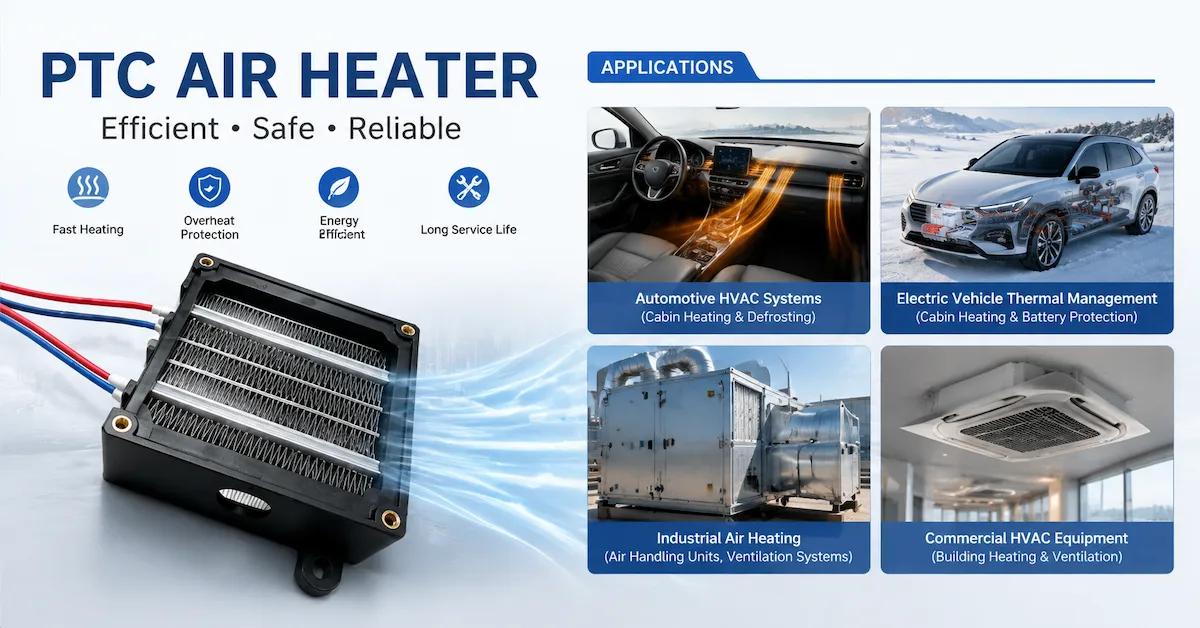
PTC Heater for HVAC System: Working Principle, Applications and Selection Guide

PTC Heater for HVAC System: Working Principle, Applications and Selection Guide

PTC heaters for HVAC systems provide efficient and reliable heating solutions for automotive, industrial and commercial applications. This guide explains how PTC heaters work, their advantages, applications and how to select a suitable supplier for customized HVAC heating requirements.

Read More
PTC Heater for Electric Vehicle: How to Choose the Right EV Heating Solution

PTC Heater for Electric Vehicle: How to Choose the Right EV Heating Solution

PTC heaters for electric vehicles provide efficient cabin heating and battery thermal management solutions in cold environments. This guide explains how EV manufacturers can select suitable PTC heaters based on heating performance, safety, energy efficiency, customization and supplier capability.

Read More
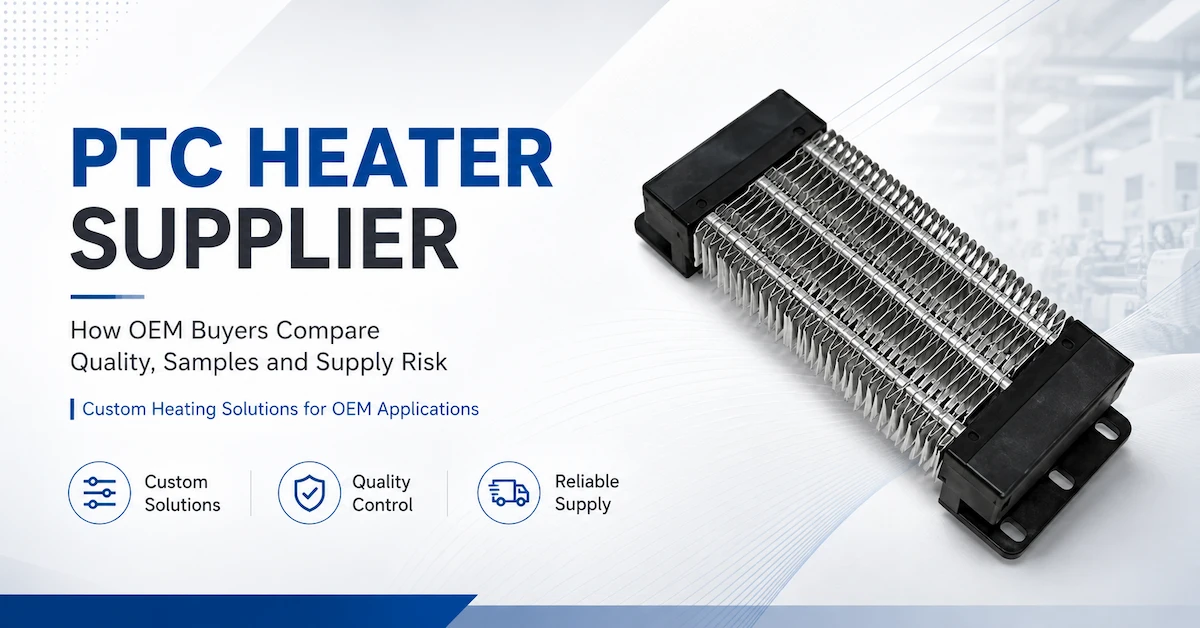
PTC Heater Supplier Guide: How OEM Buyers Compare Quality, Samples and Supply Risk

PTC Heater Supplier Guide: How OEM Buyers Compare Quality, Samples and Supply Risk

Choosing a PTC Heater Supplier involves more than comparing wattage and unit price. This guide helps OEM buyers evaluate technical support, customization, sample testing, quality control, quotations, lead time and long-term supply reliability before approving a heating partner.

Read More
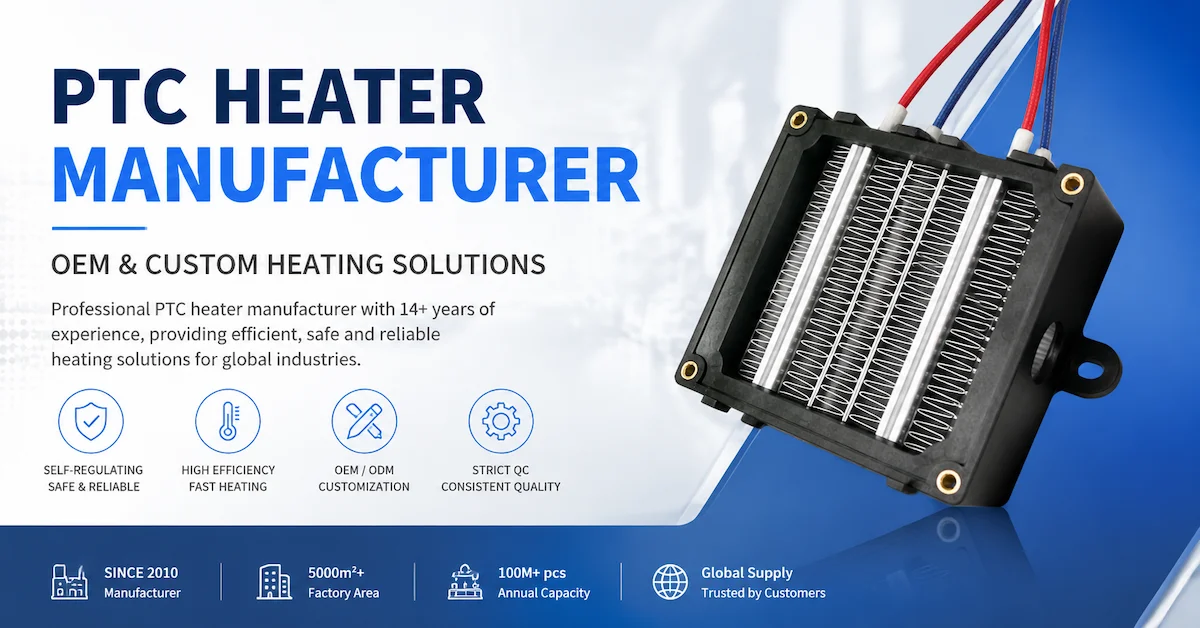
PTC Heater Manufacturer: How to Choose the Right OEM Partner

PTC Heater Manufacturer: How to Choose the Right OEM Partner

Choosing the right PTC heater manufacturer requires more than comparing price and wattage. This guide explains how OEM buyers can evaluate engineering capability, customization, sample testing, quality control, production consistency, cost, and RFQ requirements before selecting a long-term supplier.

Read More
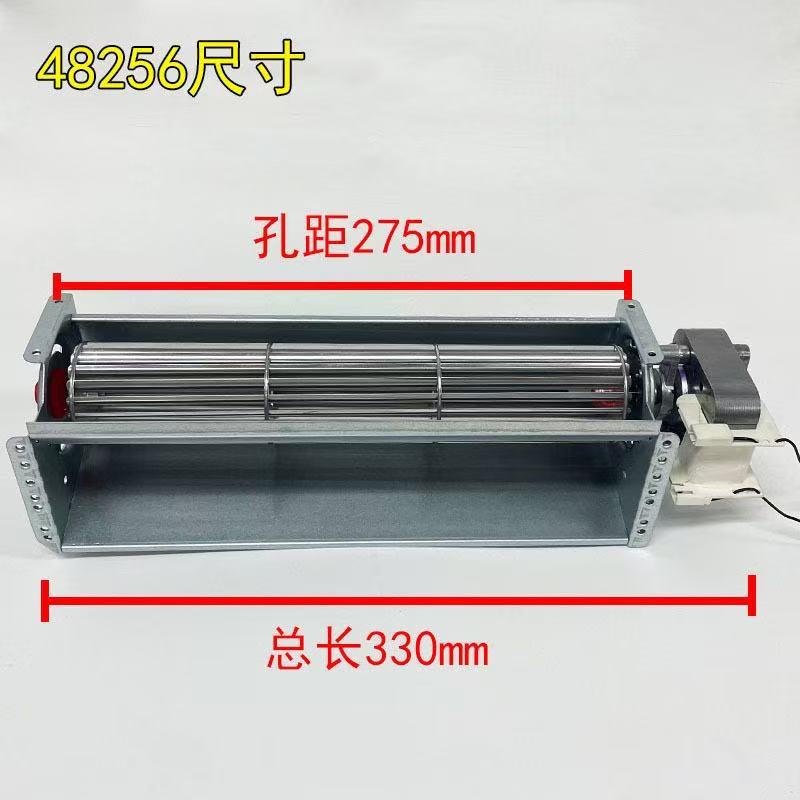
48256 Cross Flow Fan: The Ultimate Guide to Efficient, Low-Noise Airflow

48256 Cross Flow Fan: The Ultimate Guide to Efficient, Low-Noise Airflow

When it comes to moving air efficiently in tight spaces, few solutions match the performance of a cross flow fan (tangential fan). The 48256 model shown in the image is a prime example of this engineering marvel, designed to deliver consistent, low-noise airflow for a wide range of heating, ventilation, and industrial applications. Let’s break down what makes this fan such a versatile and reliable choice.

Read More
Why Our PTC Air Heaters Are the Smart, Safe Choice for Modern Air Heating

Why Our PTC Air Heaters Are the Smart, Safe Choice for Modern Air Heating

If you’ve ever dealt with unreliable heating elements, energy waste, or safety concerns in your air heating systems, it’s time to meet the solution: PTC (Positive Temperature Coefficient) air heaters. These compact, powerful modules are more than just heating components—they’re engineered to deliver consistent, safe, and efficient heat across countless applications, and our line of customizable models (as seen in the image) is built to exceed expectations.

Read More
The Complete Guide to PTC Fan Heaters for Industrial Cabinet Protection

The Complete Guide to PTC Fan Heaters for Industrial Cabinet Protection

Industrial automation relies on sensitive electronics housed within control cabinets, but these enclosures face a constant threat: temperature fluctuations. Condensation in humid conditions, freezing in cold climates, and component stress from temperature swings can lead to malfunctions, downtime, and costly repairs. To solve this, engineers are increasingly turning to integrated PTC Fan Heaters – a robust, intelligent solution designed for reliability. Available in key power ratings like 150W, 300W, 400W, and 600W, these units are the guardians of critical electrical systems.

Read More
The Smart Way to Heat Liquids: A Guide to PTC Immersion Heating Rods

The Smart Way to Heat Liquids: A Guide to PTC Immersion Heating Rods

When your application requires precise and reliable heating of a liquid—whether it's water in a tank, oil in a reservoir, or a chemical in a process bath—the heating element you choose is critical. Enter the Immersion Water Heater Element with PTC (Positive Temperature Coefficient) technology. This isn't your standard heating coil; it's an intelligent, self-regulating solution that offers superior safety and efficiency. Let's dive into what makes these tubular heating rods a game-changer for liquid temperature control.

Read More