What Is a PTC Heater for HVAC System?
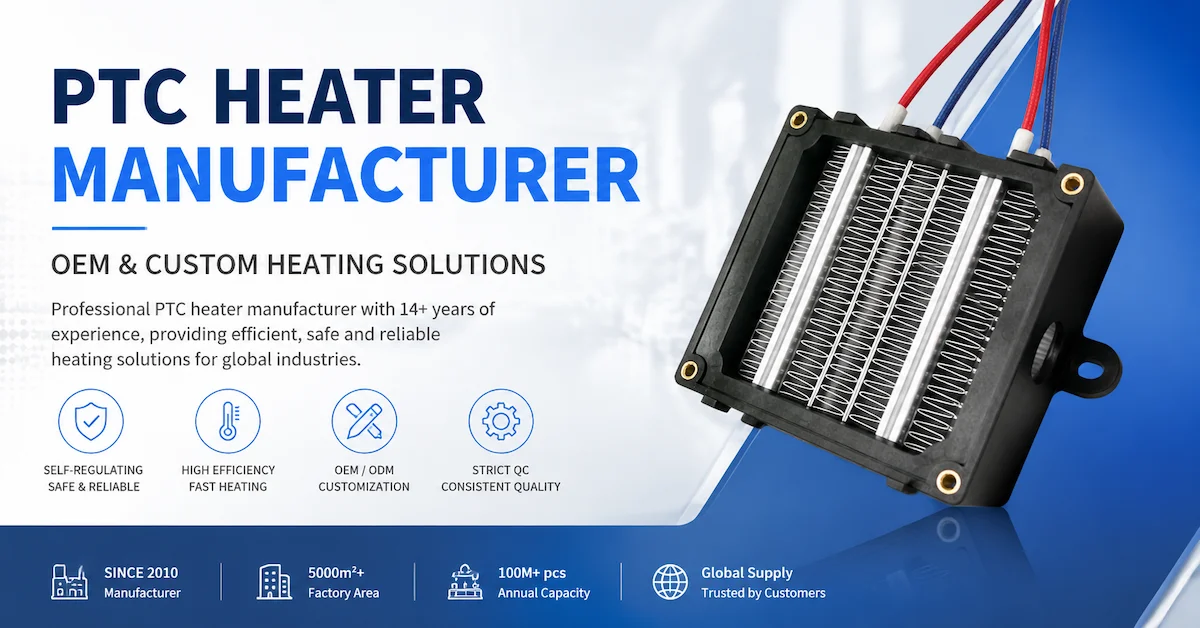
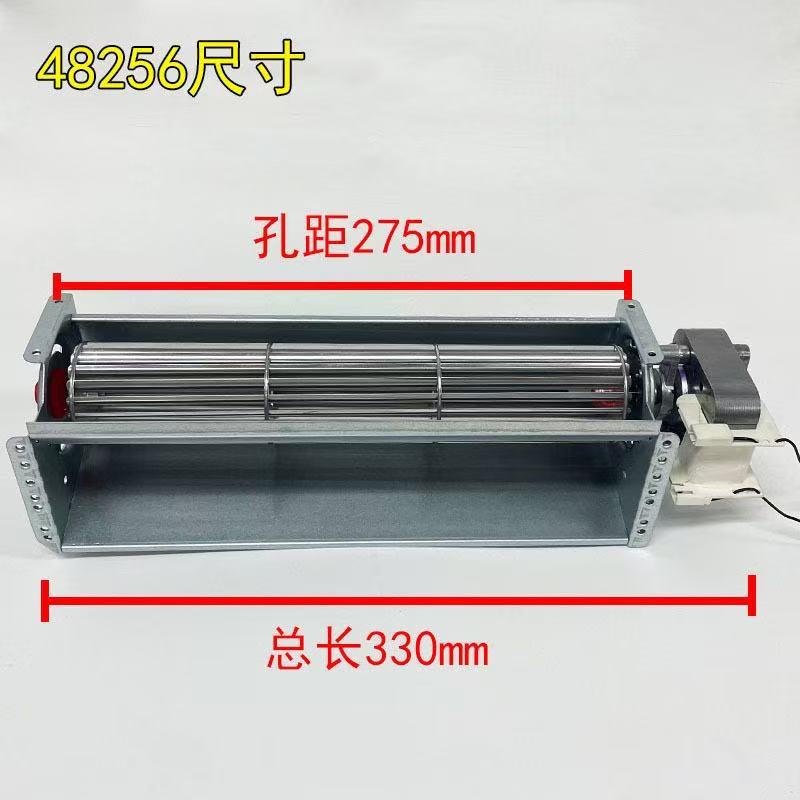
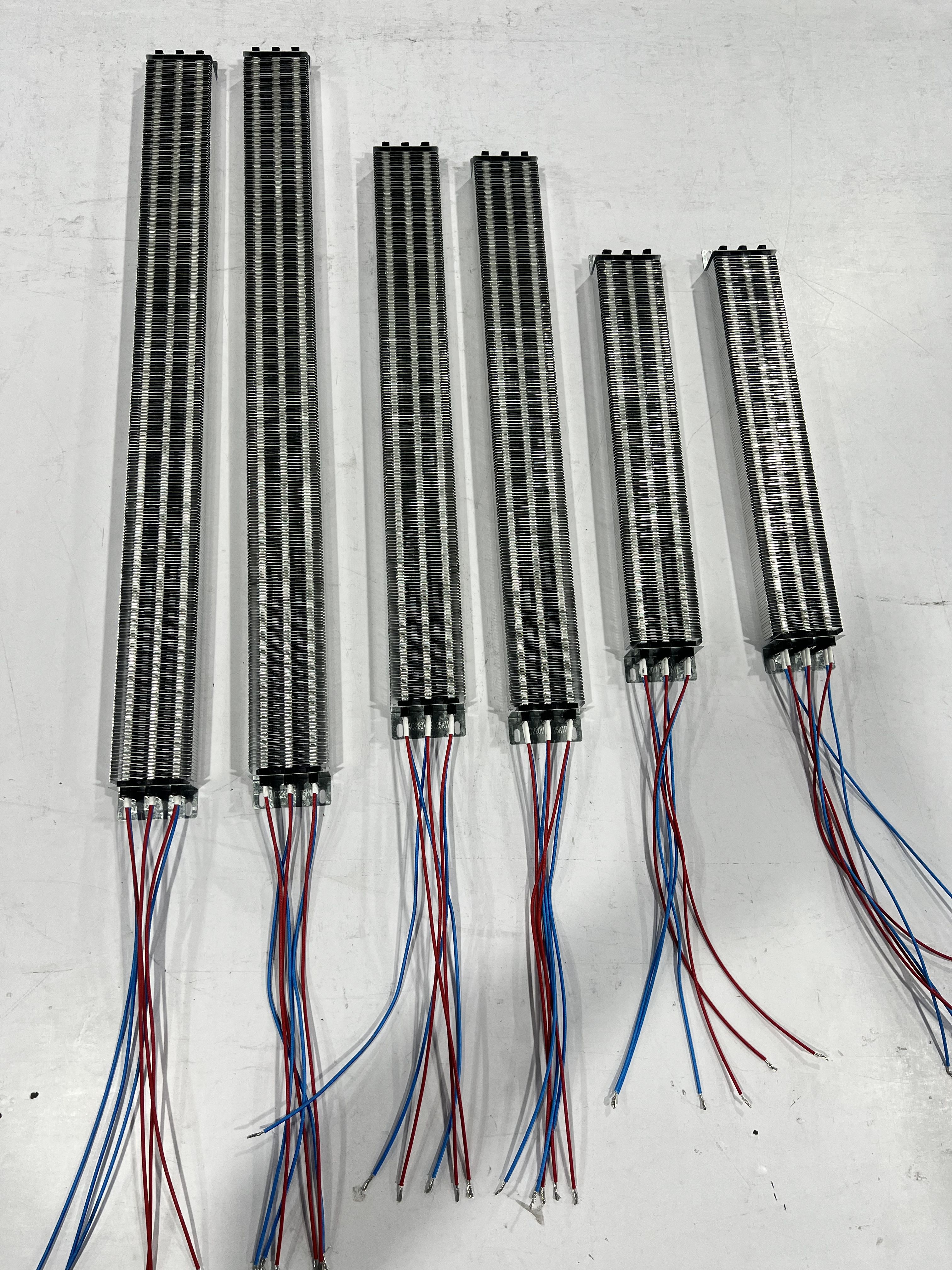
A PTC Heater for HVAC System is an electric heating component designed to provide stable and efficient heat generation for heating, ventilation and air conditioning applications.
PTC heaters use Positive Temperature Coefficient ceramic technology. When electrical current passes through the ceramic heating element, heat is generated. As the temperature increases, the resistance of the PTC material rises automatically, helping regulate the heating output.
Unlike traditional heating elements that require complex temperature control systems, PTC heaters provide a self-regulating heating characteristic, making them suitable for HVAC applications that require:
- fast heating response;
- stable temperature control;
- compact installation;
- reliable operation;
- improved safety.
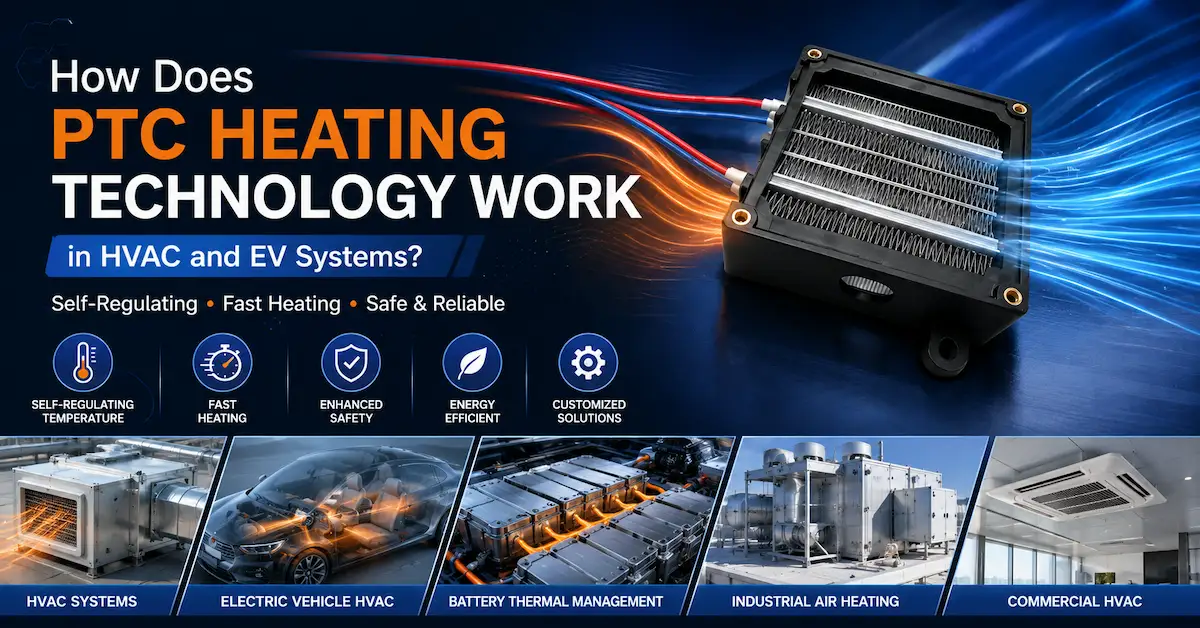
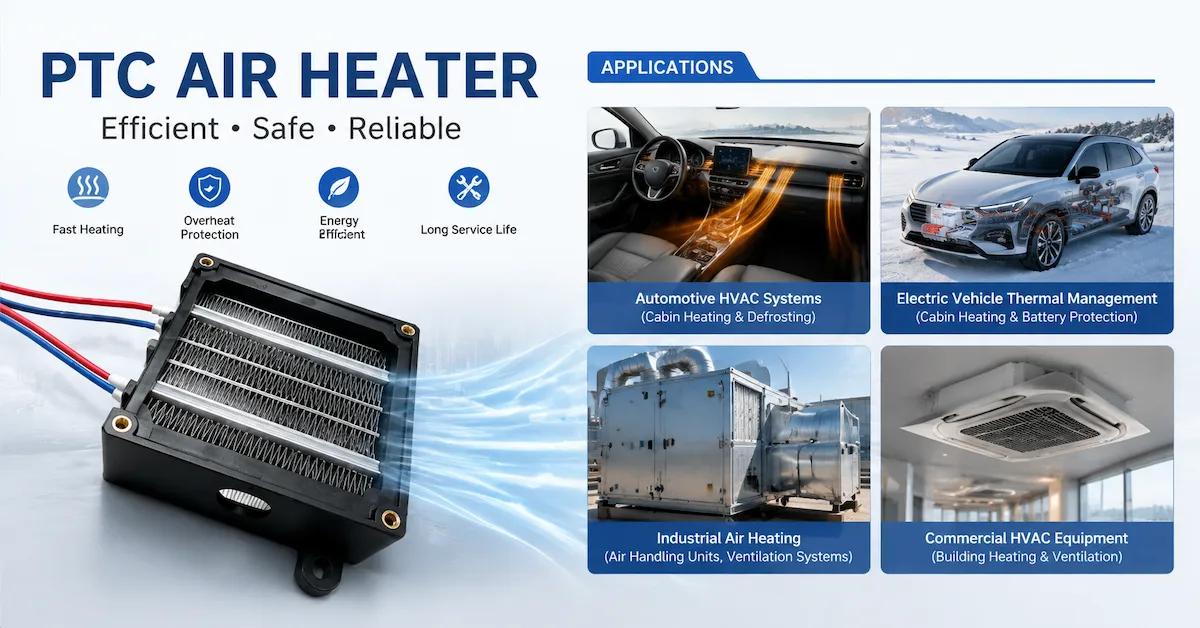
PTC heaters are widely used in automotive HVAC systems, electric vehicle thermal management, industrial air heating equipment and commercial heating applications.
Tianrui provides customized PTC heater solutions for customers requiring reliable thermal components for different HVAC applications.
How Does a PTC Heater Work in HVAC Systems?
The working principle of a PTC heater is based on the positive temperature coefficient effect of semiconductor ceramic materials.
The heating process includes several stages:
| Working Stage | Heating Behavior |
|---|---|
| Initial power input | Electrical energy converts into heat |
| Temperature increase | PTC ceramic generates heat rapidly |
| Resistance change | Resistance increases with temperature |
| Stable operation | Heating output becomes self-regulated |
When the heater starts operating:
- Electrical current flows through the PTC ceramic element.
- The ceramic material produces heat.
- Temperature rises quickly.
- Electrical resistance increases.
- Heating output becomes more stable.
This self-regulating feature helps HVAC systems maintain safer operation while reducing the risk of overheating. Understanding PTC heating technology helps engineers select suitable heating components for different applications.
For HVAC engineers, selecting a suitable PTC heater requires understanding:
- heating capacity;
- airflow requirements;
- operating temperature;
- installation environment;
- control system compatibility.
Why Are PTC Heaters Used in HVAC Systems?
HVAC systems require heating components that can provide fast response, stable temperature control and reliable operation.
PTC heaters are widely selected because they offer several advantages.
Fast Heating Response
One of the main advantages of PTC heaters is rapid heat generation.
Traditional heating methods may require additional time to reach operating temperature, while PTC heaters can provide heating shortly after electrical activation.
This makes them suitable for:
- vehicle cabin heating;
- air conditioning auxiliary heating;
- industrial ventilation systems;
- compact HVAC equipment.
Self-Regulating Temperature Control
PTC ceramic technology allows the heater to automatically adjust its resistance according to temperature changes.
Benefits include:
- reduced overheating risk;
- simplified temperature control;
- stable heating performance;
- improved operational safety.
Compact Structure
Many HVAC applications have limited installation space.
PTC heaters provide:
- compact design;
- flexible installation;
- efficient heat transfer;
- easy system integration.
This is especially important for:
- electric vehicles;
- automotive HVAC modules;
- compact industrial equipment.
Energy Efficient Heating
PTC heaters convert electrical energy into thermal energy efficiently.
In HVAC systems, energy efficiency directly affects:
- operating cost;
- battery consumption in EVs;
- overall system performance.
A properly selected PTC heater helps balance:
- heating output;
- energy consumption;
- temperature stability.
What Applications Use PTC Heater for HVAC System?
A reliable HVAC heating supplier should understand not only the heater itself but also the final application environment.
Different HVAC systems have different requirements for:
- heating power;
- airflow;
- installation method;
- operating conditions.
Automotive HVAC Systems
Automotive HVAC systems require efficient heating solutions to maintain passenger comfort.
In traditional vehicles, cabin heating can use engine waste heat.
However, electric vehicles require independent electric heating because they do not have continuous engine heat generation.
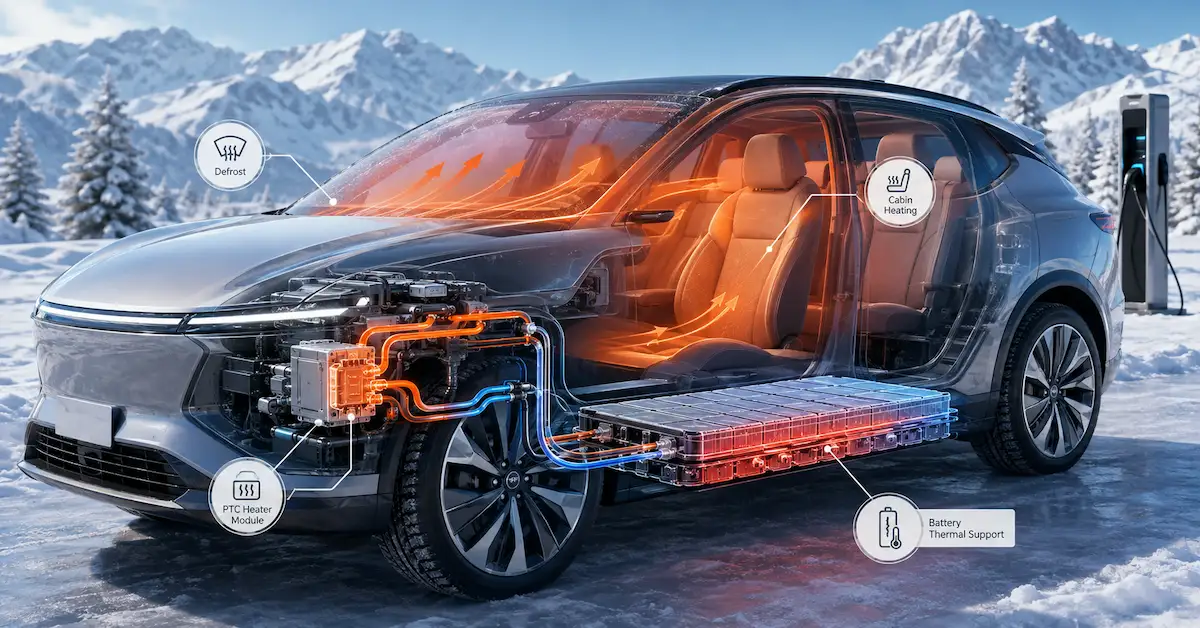
PTC heaters are used for:
- cabin heating;
- windshield defrosting;
- air conditioning heating;
- cold-weather operation.
For automotive HVAC applications, suppliers should consider:
- vibration resistance;
- temperature cycling;
- compact installation;
- long service life.
Tianrui provides automotive PTC heating solutions for vehicle thermal management applications.
Electric Vehicle HVAC Systems
Electric vehicles rely heavily on efficient thermal management.
PTC heaters support:
- passenger cabin comfort;
- battery temperature management;
- cold-start performance;
- winter operation.
Common applications include:
- passenger EVs;
- electric buses;
- commercial electric vehicles.
The heater selection should consider:
- vehicle voltage;
- heating power;
- battery energy consumption;
- thermal system design.
Industrial HVAC Equipment
Industrial environments often require reliable heating under continuous operation.
PTC heaters can be used in:
- industrial air handling systems;
- automation equipment;
- electrical cabinets;
- ventilation systems.
Advantages include:
- stable operation;
- compact installation;
- reduced maintenance requirements.
Commercial HVAC Systems
Commercial HVAC equipment requires efficient heating solutions for:
- buildings;
- equipment rooms;
- commercial facilities.
PTC heaters can provide:
- auxiliary heating;
- air heating;
- temperature stabilization.
What Types of PTC Heaters Are Used in HVAC Systems?
Different HVAC applications require different heater structures.
PTC Air Heater
PTC air heaters directly heat airflow passing through the heating element.
They are suitable for:
- cabin heating;
- ventilation systems;
- air conditioning units.
Advantages:
- quick heating;
- direct airflow heating;
- compact design.
Tianrui provides PTC Air Heater products for HVAC and air heating applications.
PTC Liquid Heater
Liquid PTC heaters heat coolant or thermal fluids.
They are commonly used in:
- EV battery thermal management;
- liquid heating loops;
- vehicle thermal systems.
Advantages:
- uniform heat distribution;
- efficient thermal transfer;
- suitable for integrated systems.
Automotive PTC Heater
Automotive PTC heaters are designed for vehicle heating applications.
They require:
- reliable electrical performance;
- strong durability;
- stable thermal output.
Applications include:
- EV HVAC systems;
- vehicle cabin heating;
- commercial electric vehicles.
How to Select the Right PTC Heater for HVAC System?
Choosing the right PTC Heater for HVAC System requires evaluating the complete application requirements instead of selecting only based on heating power.
For HVAC manufacturers and system integrators, important factors include:
- heating capacity;
- voltage compatibility;
- installation space;
- airflow or liquid flow requirements;
- operating environment;
- reliability expectations.
A professional HVAC PTC Heater Supplier should provide technical support to help customers select the most suitable heating solution.
Evaluate Heating Requirements
The first step is understanding the actual heating demand.
Important considerations include:
- required temperature increase;
- heating area size;
- heat loss conditions;
- operating environment;
- continuous or intermittent operation.
For example:
- automotive HVAC systems focus on fast cabin heating;
- EV HVAC systems focus on balancing heating performance and battery consumption;
- industrial HVAC systems focus on stable long-term operation.
Check Voltage and Power Compatibility
PTC heaters are available for different electrical systems.
Before selecting a heater, buyers should confirm:
- operating voltage;
- rated power;
- current requirements;
- electrical connection method.
Incorrect matching may cause:
- insufficient heating performance;
- unnecessary energy consumption;
- unstable operation.
Consider Airflow and Heat Transfer Design
For air-based HVAC applications, airflow design affects heating efficiency.
Important factors include:
- airflow volume;
- heater position;
- heat distribution;
- air resistance.
For liquid heating systems, buyers should evaluate:
- coolant flow rate;
- thermal transfer efficiency;
- connection design.
Review Safety and Reliability Requirements
HVAC applications often operate for long periods, making reliability important.
Suppliers should provide information about:
- temperature stability;
- electrical safety;
- insulation performance;
- durability testing.
What Technical Parameters Should Buyers Check?
When purchasing a PTC heater for HVAC systems, buyers should review key specifications.
| Parameter | Importance |
|---|---|
| Rated Voltage | Ensures system compatibility |
| Heating Power | Determines thermal output |
| Temperature Range | Affects operating conditions |
| Dimensions | Determines installation feasibility |
| Airflow Capacity | Influences heating efficiency |
| Insulation Performance | Supports electrical safety |
| Response Time | Determines heating speed |
| Service Life | Supports long-term operation |
Heating Power
Heating power directly affects the ability of the HVAC system to increase temperature.
Selection depends on:
- system size;
- heating target;
- environmental temperature;
- application requirements.
A higher power rating is not always better because excessive power may increase:
- energy consumption;
- system load;
- control complexity.
Temperature Control Performance
Stable temperature control is essential for HVAC applications.
PTC heaters provide natural temperature regulation through ceramic resistance characteristics.
This helps:
- maintain stable output;
- reduce overheating risk;
- simplify control systems.
Mechanical Design
Different HVAC systems have different installation requirements.
Customization may include:
- dimensions;
- mounting structure;
- electrical connectors;
- wiring;
- airflow direction.
How to Choose a Reliable PTC Heater Supplier for HVAC Applications?
Selecting a reliable supplier is important for ensuring long-term product performance.
A qualified supplier should provide:
- technical consultation;
- customization support;
- manufacturing capability;
- quality inspection;
- stable production.
Check Manufacturing Capability
A professional supplier should understand the complete PTC heater production process, including:
- ceramic heating element production;
- component assembly;
- electrical testing;
- performance validation.
Tianrui focuses on PTC and NTC thermal components and provides customized heating solutions for different applications.
Customers can learn more about Tianrui's manufacturing capability.
Evaluate OEM Customization Ability
HVAC customers often require customized solutions because different systems have different requirements.
Customization options may include:
- voltage;
- power output;
- heater size;
- structure design;
- terminal configuration;
- installation method.
A capable supplier should support the development process from:
application analysis → design discussion → sample testing → mass production.
Tianrui supports custom PTC heater solutions for HVAC manufacturers requiring application-specific heating designs.
Review Quality Control Process
Quality control directly affects heater reliability.
A professional manufacturer should perform inspections throughout production.
Typical tests include:
| Quality Test | Purpose |
|---|---|
| Electrical Testing | Verify voltage and resistance |
| Heating Performance Test | Confirm thermal output |
| Temperature Testing | Check control characteristics |
| Insulation Test | Ensure electrical safety |
| Reliability Testing | Evaluate service life |
| Appearance Inspection | Confirm product quality |
Why Choose Tianrui as Your PTC Heater Supplier?
Tianrui Electronics provides PTC heating solutions for HVAC, automotive and industrial applications.
The company focuses on:
- PTC heating components;
- NTC/PTC temperature-sensitive products;
- customized thermal solutions.
Tianrui supports customers with:
- product selection;
- application analysis;
- customized design;
- technical communication;
- production support.
For HVAC projects requiring customized heating solutions, customers can contact the Tianrui engineering team through the contact page.
What Are the Future Trends of PTC Heaters in HVAC Systems?
The demand for efficient electric heating solutions continues to grow.
Important trends include:
Growth of Electric Vehicle HVAC
As electric vehicles become more common, efficient HVAC heating solutions are increasingly important.
PTC heaters support:
- cabin comfort;
- winter operation;
- thermal management.
Intelligent Thermal Management
Modern HVAC systems are moving toward smarter control.
Future systems may integrate:
- temperature sensors;
- electronic control systems;
- energy optimization strategies.
Compact and Customized Heating Solutions
Manufacturers increasingly require:
- smaller designs;
- higher efficiency;
- application-specific structures.
This creates more demand for customized PTC heater suppliers.
FAQ About PTC Heater for HVAC System
What is a PTC heater used for in HVAC systems?
A PTC heater provides electric heating for HVAC applications, including vehicle cabin heating, industrial air heating and commercial heating equipment.
How does a PTC heater work in an HVAC system?
A PTC heater uses ceramic heating elements that generate heat when powered. As temperature increases, resistance rises automatically to regulate heating output.
Why are PTC heaters suitable for HVAC applications?
PTC heaters provide fast heating, self-regulating temperature control, compact design and reliable operation.
What industries use PTC heaters for HVAC systems?
Applications include automotive HVAC, electric vehicles, industrial equipment, commercial heating systems and ventilation equipment.
Can PTC heaters be customized for HVAC systems?
Yes. Suppliers can customize voltage, power, dimensions, wiring, connectors and structures according to customer requirements.
What is the difference between a PTC air heater and a PTC liquid heater?
A PTC air heater directly heats airflow, while a PTC liquid heater transfers heat through coolant or thermal fluids.
How do I choose a PTC heater supplier?
Evaluate technical capability, customization ability, manufacturing experience, testing methods and production consistency.
Are PTC heaters safe for HVAC systems?
PTC heaters provide self-regulating temperature characteristics, but proper system design and electrical protection are still required.
What information should I provide when requesting a quotation?
Provide application type, voltage, power requirement, installation conditions, quantity and technical specifications.
Conclusion
Choosing the right PTC Heater for HVAC System requires evaluating heating performance, safety, customization capability and supplier reliability.
A suitable HVAC heating supplier should provide:
- stable PTC ceramic technology;
- consistent manufacturing quality;
- customized design support;
- reliable testing;
- long-term technical cooperation.
For automotive, industrial and commercial HVAC applications, PTC heaters provide an efficient electric heating solution with fast response and stable temperature control.
Tianrui provides customized PTC heating solutions according to customer application requirements, supporting HVAC manufacturers and system developers with reliable thermal components.
Customers can explore:
to discuss HVAC heating requirements and customized solutions.