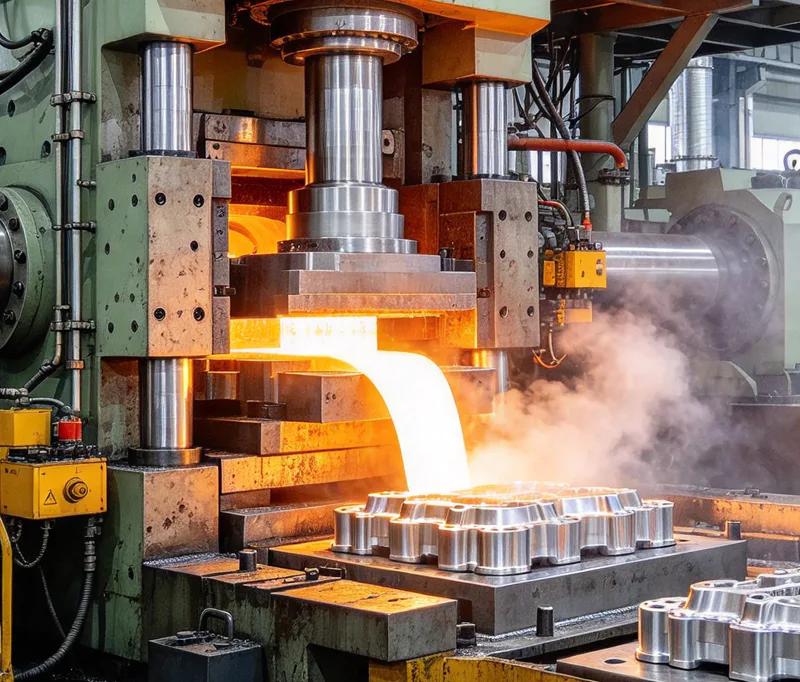
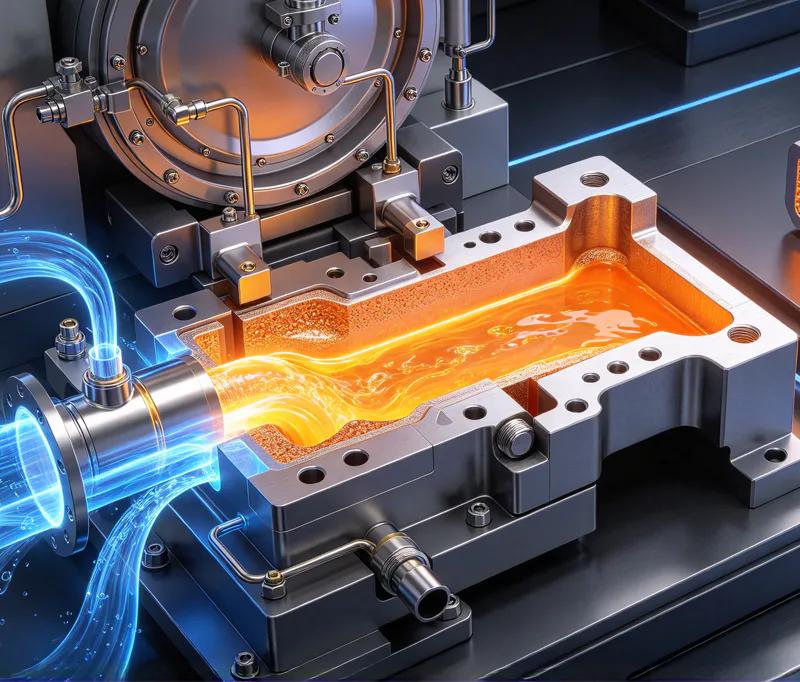
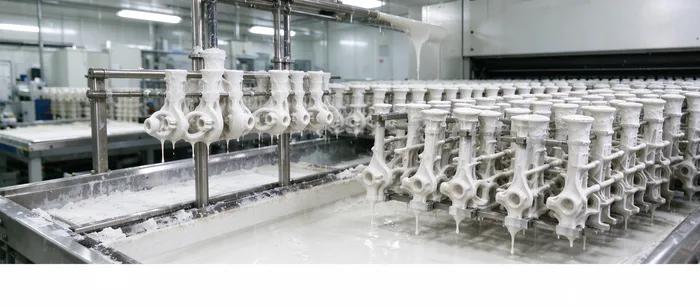
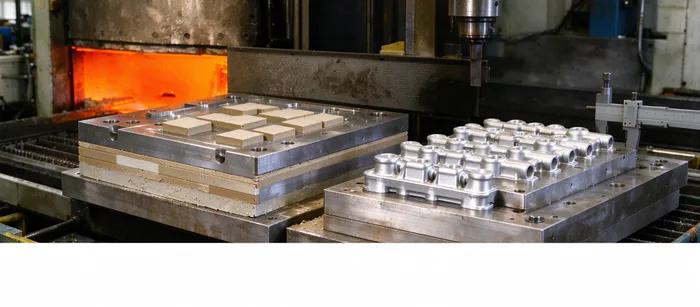
Custom PTC solutions from prototype to mass production.

Custom Metal Mold Service

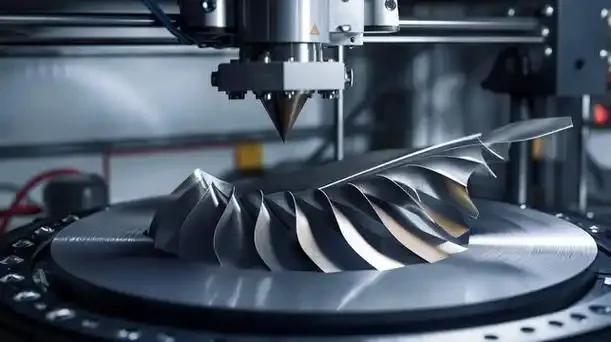
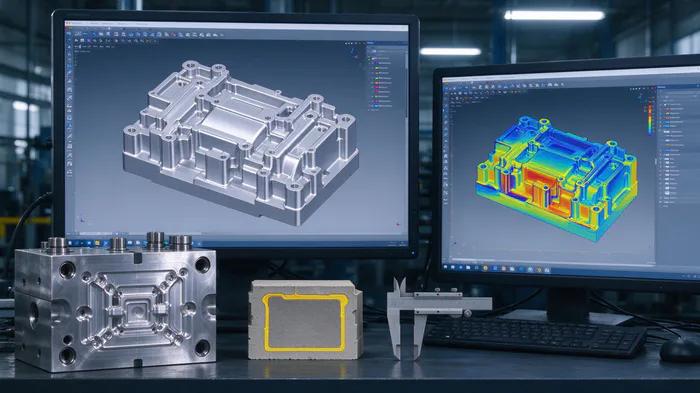
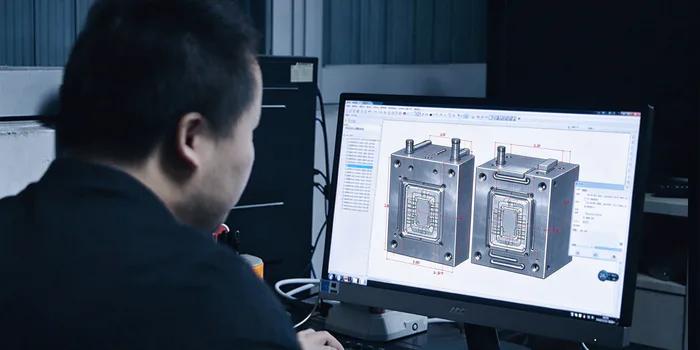
Get production-ready metal molds faster. Simply upload your 3D model to receive an instant quote and a DFM (Design for Manufacturing) analysis; you can have a fully tested, qualified mold in as little as 12 business days.

  • Instant quotes and DFM feedback to identify molding risks and optimize your product design early on.
  • Selection of the ideal mold steel and manufacturing process tailored to your production volume, material requirements, and operating conditions.
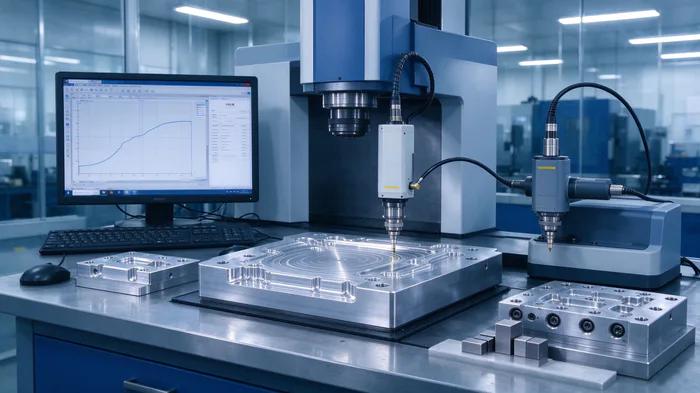
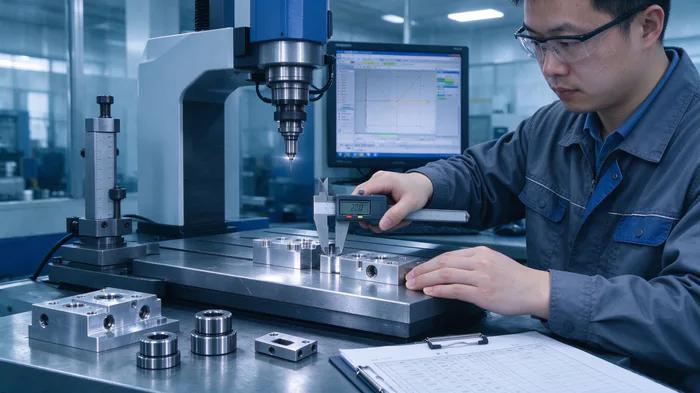
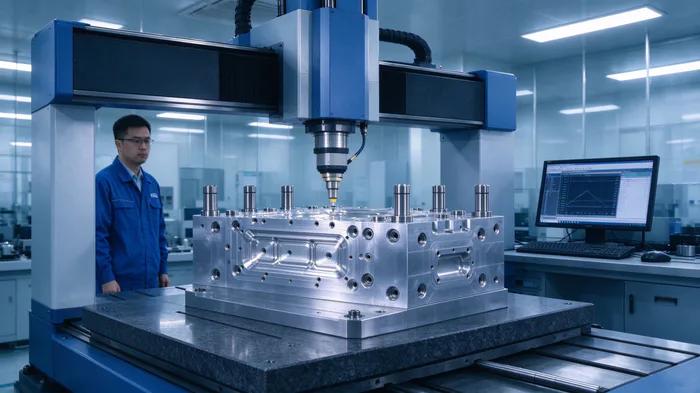
  • Comprehensive quality control to ensure cavity precision, dimensional consistency, and long mold service life.
  • End-to-end support, including mold trials, sample inspection, and any necessary adjustments, ready for immediate mass production upon delivery.
  • Streamlined project workflows to accelerate development and help you meet tight time-to-market deadlines.
Get a Free Quote

Launching a new metal mold project!

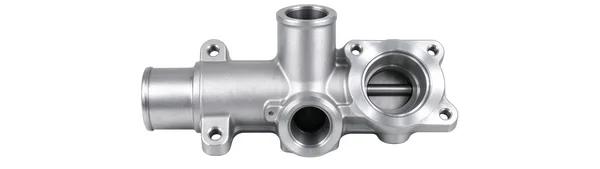
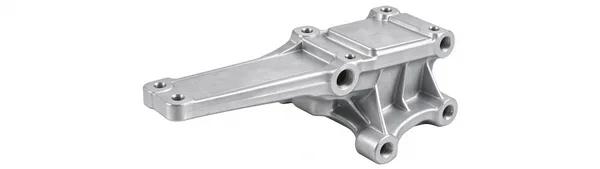
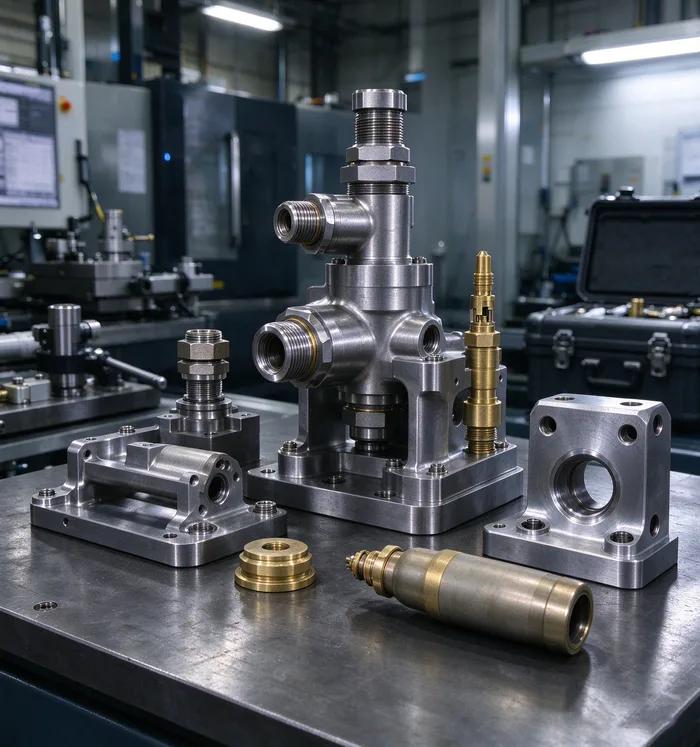
Die cast aluminum housingPrecision cast metal bracketMachined metal casting part

Get a quote for custom prototype parts now

Upload Your CAD FilePlease click here to upload your CAD file.Supported formats: STEP, STP, IGES, STL, OBJ, 3MF, SAT, SLDPRT, X_TCAD file folder iconYour files are kept secure and confidential.

Trusted by engineers and procurement managers both at home and abroad

Years in Business
15+
Custom Parts Designs
50,000+
Customer Served
2,000+
On-time Delivery
99.8%+

Trusted by numerous companies

  • Gree and Midea logos
  • Flex logo
  • Haier logo
  • BAIC BJEV logo
  • Samsung logo

Tianrui Electronics has delivered reliable solutions to over 2,000 customers by bringing more than 50,000 custom part designs to life.

What is Metal Casting?

Metal casting is a manufacturing process in which metal is heated until molten, poured into a pre-prepared mold cavity, and allowed to cool and solidify. The resulting part then undergoes cleaning and post-processing to produce the final metal component. This method enables the efficient production of metal parts with complex geometries and varying sizes, and is compatible with a wide range of materials, including cast iron, aluminum alloys, and copper alloys. It is extensively used in sectors such as machinery, automotive manufacturing, and home appliances. Different casting techniques can be selected to balance costs, precision, and production volume requirements; however, the process necessitates the careful control of casting defects, such as porosity and shrinkage cavities, and some castings may require additional machining or surface treatment to meet specific precision and functional specifications.

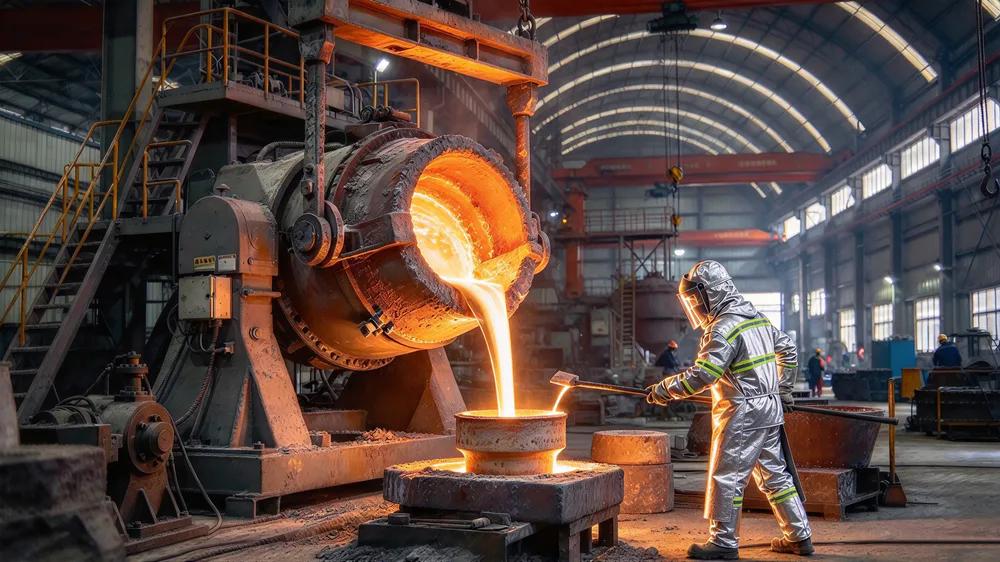
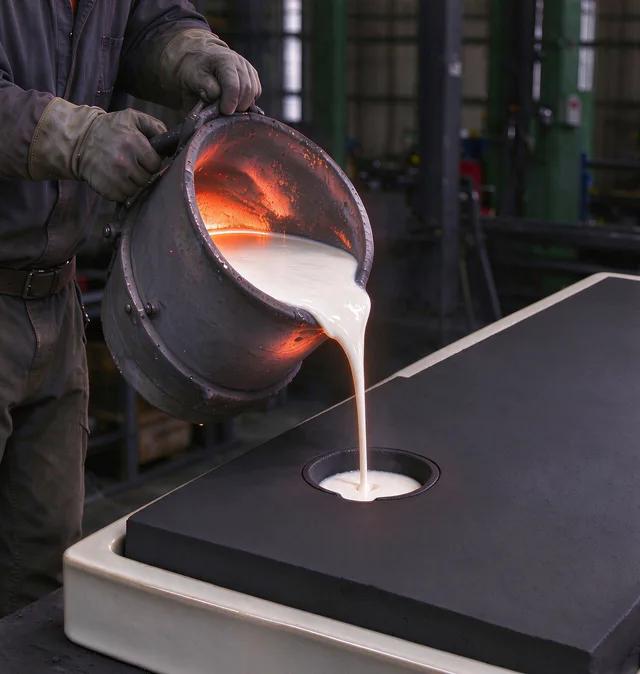
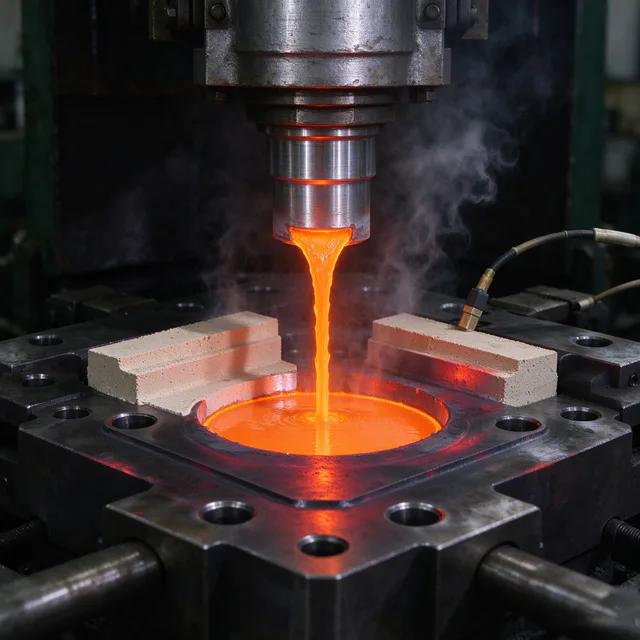
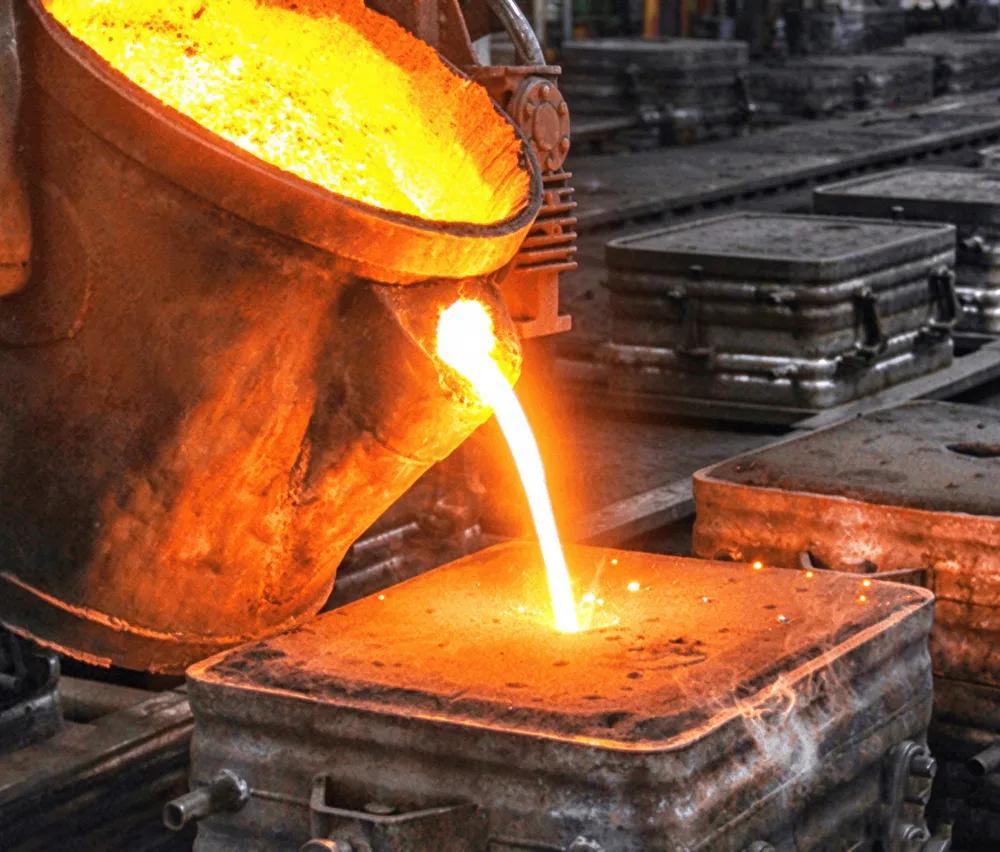
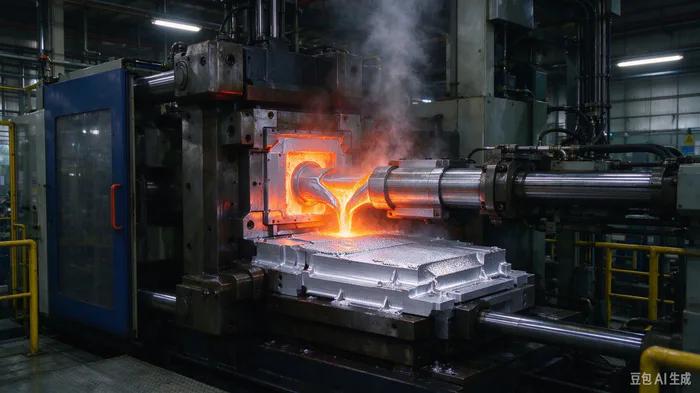
Molten metal being poured into a casting mold

Custom Metal Casting Services for Precision Parts

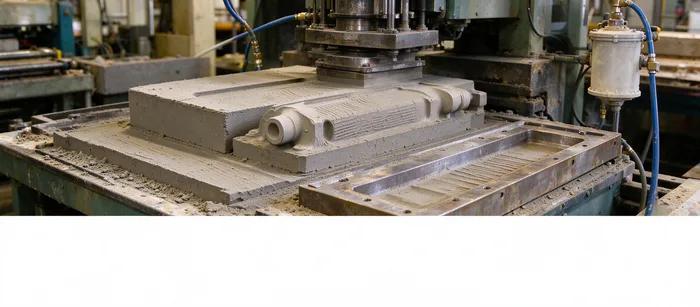
Sand casting mold and cast part

Sand Casting

This method uses molding sand to create a mold cavity, into which molten metal is poured under the force of gravity. It offers low costs and high flexibility, making it well-suited for large components and large structural parts. As the most widely used casting process, it provides a moderate level of precision.

Get Quote
Die cast aluminum components

Die Casting

Liquid aluminum, zinc and other alloys are injected into metal dies under high pressure and high speed. The parts feature smooth surface and high dimensional accuracy, suitable for mass production of small-batch components such as small home appliance and automotive housings.

Get Quote
Investment cast precision metal parts

Investment Casting

Cavities are formed using wax patterns. The wax melts and drains away at high temperature before molten metal is poured in. This process can produce intricate, fine-featured parts with high dimensional accuracy, widely used for precision hardware and aerospace components.

Get Quote
Gravity casting of aluminum alloy

Gravity Casting

Molten metal flows into the metal cavity by its own gravity with no external pressure applied. Parts feature fewer internal pores and good density, suitable for components requiring high sealing performance such as aluminum alloy housings and pump bodies.

Get Quote
Low-pressure casting of molten metal

Low-pressure Casting

Molten metal is lifted slowly into the mold under low pressure. It delivers stable filling, fewer defects and high material utilization, commonly used for wheel hubs, water tanks and sealed housings.

Get Quote
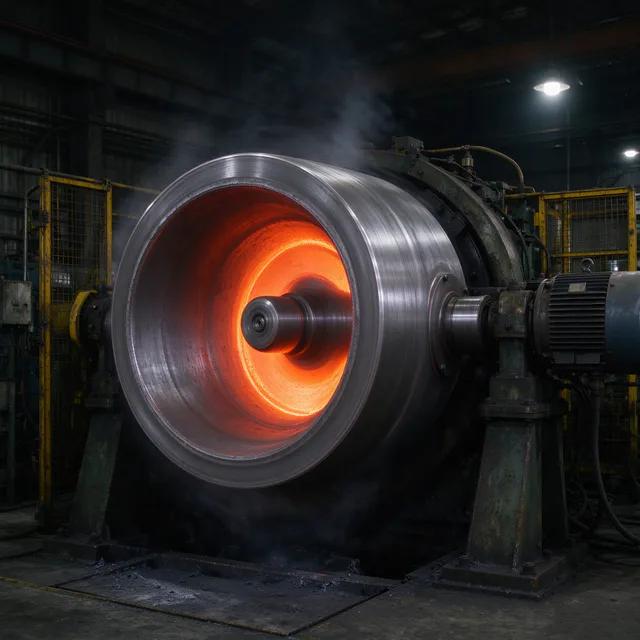
Centrifugal casting of a tubular part

Centrifugal Casting

Molten metal is pressed against the cavity by centrifugal force generated from high-speed mold rotation. It suits tubular and sleeve-shaped parts with dense microstructure and good wear resistance, widely used for bushings and pipe liners.

Get Quote

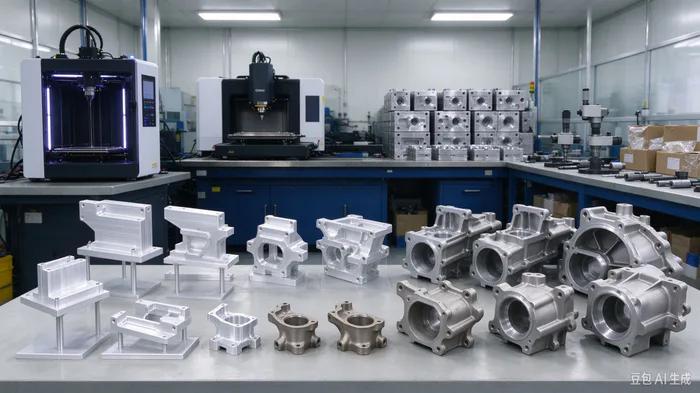
Metal Casting Parts Showcase

Cast aluminum valve block
Cast metal pipe fitting
Cast metal mounting bracket
Cast metal ring housing

What is the Working Principle Of Metal Casting?

Our production system combines advanced casting technology with rigorous quality control to manufacture precision components that meet demanding performance and reliability requirements.

  1. Mold Preparation

    Fabricate a mold with a cavity matching the reverse profile of the casting part, which defines the final shape of the metal component.

  2. Material Melting

    Load metal ingots and recycled scrap into a furnace, heat above melting point to form fluid molten metal, and adjust composition while removing slag and gas.

  3. Melt Purification

    Degas, deslag and refine the molten metal to reduce internal pores and inclusions, improving density and mechanical properties of castings.

  4. Gating Setup

    Preheat the mold and set up gates, risers and vents to avoid cold shuts and sticking, providing channels for metal flow and gas escape.

  5. Mold Filling (Pouring)

    Pour molten metal into the mold cavity steadily by gravity, pressure or centrifugal force to fully fill the cavity.

  6. Ventilation & Feeding

    Air inside the cavity escapes through vents; risers reserve extra molten metal to compensate volume shrinkage during solidification and prevent shrinkage cavities.

  7. Solidification & Crystallization

    The molten metal dissipates heat inside the cavity, changes from liquid to solid, and forms metallic grain structures through ordered atomic crystallization.

  8. Cooling & Shaping

    Continue heat dissipation until the whole casting cools below its solidus temperature and maintains a fixed solid shape.

  9. Shakeout / Demolding

    Once cooled to proper temperature, break the sand mold or open the metal die to take out the raw casting.

  10. Post-processing & Cleaning

    Remove sprues and risers, grind flash and burrs, blast clean surfaces, and perform heat treatment, inspection or machining as required to obtain finished parts.

How to Select the Right Metal Casting Process for Your Project

The choice of casting process directly determines the quality, unit cost, and production lead time of the final part. Drawing on over 15 years of industry experience, we have identified the following key selection criteria to help you quickly determine the most suitable casting solution.

How to Select the Right Metal Casting Process for Your Project
ItemSand CastingDie CastingInvestment CastingCentrifugal CastingLow-Pressure Casting
Part ComplexityMedium to high, suitable for large parts & internal cavitiesMedium, good for thin-wall parts; limited deep undercutsVery high, intricate, thin-wall, irregular shapesLow, only rotational/axisymmetric partsMedium, regular thin-walled housings
Typical SizeVery small to extra-largeSmall & medium-smallTiny to medium-smallTubes, sleeves, ringsMedium housings, wheels
Wall Thickness≥3mmAl/Zn: 0.5~1.5mm, excellent thin wall≥0.5mm, ultra-fine featuresUniform wall, not ultra-thin2~5mm, consistent thin wall
Surface FinishRa 25~100μm PoorRa 1.6~6.3μm GoodRa 1.6~3.2μm ExcellentRough inner surface, fair outer surfaceRa 3.2~12.5μm Fair
Dimensional ToleranceLowHighHighMediumMedium-high
Material OptionsAlmost all cast alloysAl, Zn, Mg die-cast alloys onlyCarbon steel, stainless steel, superalloy, Al, CuCast iron, steel, copper alloyMainly aluminum alloy
Unit Cost for Mass ProductionLow cost for low volume; moderate for massExcellent for high volume; high mold costHigher cost, for high-value partsCost-effective for tube/ring massModerate for medium batch
Tooling InvestmentLow (wood/plastic pattern)High, hardened steel diesModerate wax toolingLow to moderate simple moldsModerate-high metal molds
Typical ApplicationsPump housing, valve, frame, large enclosuresConnector housing, heat sink, auto & home appliance partsTurbine blades, valve parts, precision hardware, medical componentsPipe, bushing, roller, copper ringAuto wheels, cylinder heads, energy storage housings
Key AdvantagesFlexible, unlimited size, fast pattern changeFast cycle, high efficiency, good surface, automation friendlyCast hard-to-machine alloys, ultra-fine detailsDense grain, low shrinkage porosityLow porosity, stable filling, good density
LimitationsRough surface, large machining allowanceLimited alloy range, porosity risk, heat treatment restrictionLong lead time, high piece priceOnly axisymmetric rotary partsSlow cycle, limited complex shapes
Precision metal castings after finishing

Advantages of Metal Casting

Metal casting is a widely used manufacturing process that pours molten metal into a mould cavity to form near-net-shape parts. It supports diverse metal materials and flexible part geometries, which makes it popular across automotive, electronics and machinery industries.

  • 1. High Design Freedom

    It can produce complex shapes with internal cavities, curved profiles and intricate features that are difficult or costly to make by machining.

  • 2. Wide Material Compatibility

    A large range of metals and alloys can be cast, including aluminium, brass, cast iron, stainless steel and high-temperature alloys to meet different performance requirements.

  • 3. Suitable for Both Small and Large Production Runs

    It works well for one-off prototypes, small-batch custom parts as well as mass production, with adjustable tooling cost according to order volume.

Applications of Metal Casting

Metal casting is a foundational manufacturing method to create metal components, and its finished castings are extensively adopted in many industrial sectors for structural, functional and high-temperature load-bearing parts.

  • 1. Automotive Industry

    Casting produces critical auto parts such as engine blocks, cylinder heads and suspension brackets, which need good strength and vibration resistance under working conditions.

  • 2. Electrical & Electronic Field

    Aluminum and brass castings are used for connector housings, heat sinks and power accessories, offering reliable electrical conductivity and heat dissipation performance.

  • 3. General Machinery & Fluid Equipment

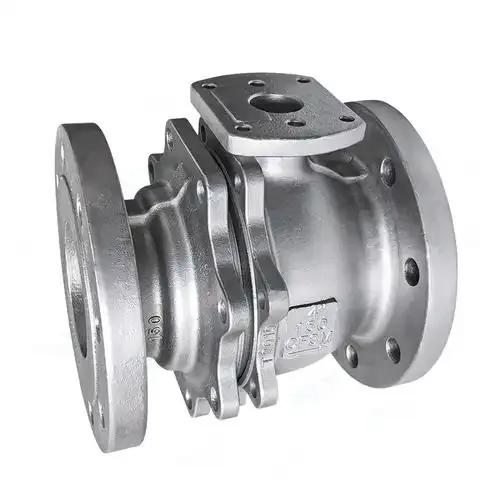
    Pump bodies, valve bodies and gear housings are commonly made by casting, suitable for withstanding pressure and stable operation in fluid transmission systems.

Cast metal components used in industrial equipment

Precision Investment Casting Services

Precision investment casting delivers near-net-shape metal components with outstanding dimensional accuracy and fine surface quality, ideal for complex parts that demand tight tolerances across industrial applications.

Wax pattern trees for investment casting

Custom Complex Geometry Casting

We produce intricate, thin-wall and undercut parts that are difficult to machine, using wax patterns to replicate delicate features precisely.

Get Quote
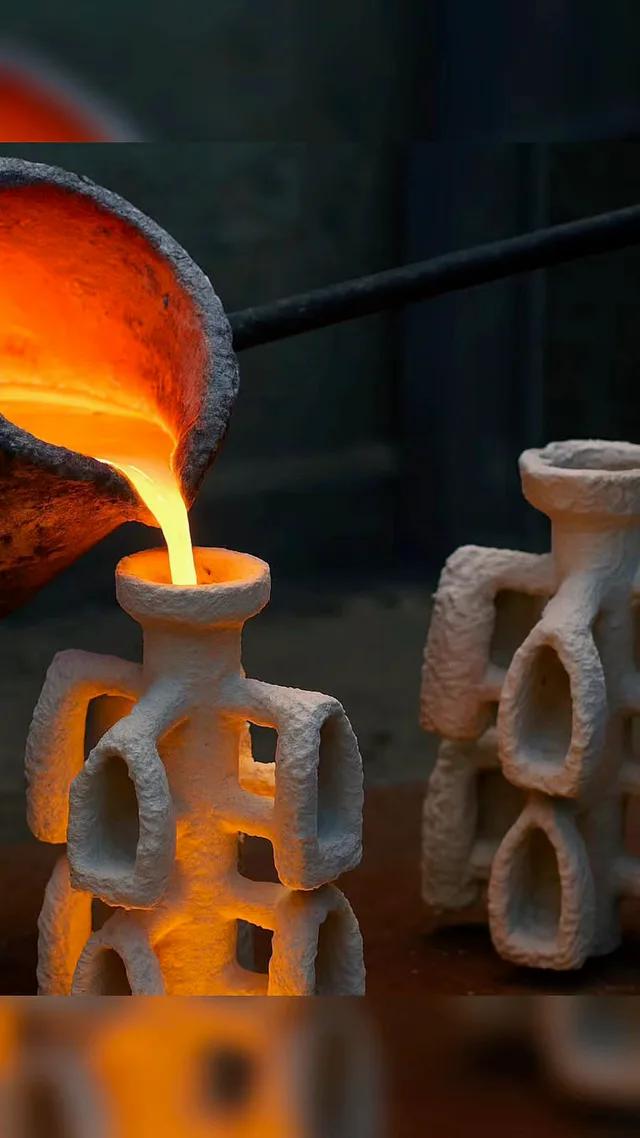
Ceramic shells being filled with molten alloy

Multi-alloy Material Capability

A wide selection of alloys is available, including stainless steel, carbon steel, copper alloys and superalloys, to satisfy strength, corrosion or heat-resistance requirements.

Get Quote
Finished investment cast parts after secondary processing

One-stop Secondary Processing

Value-added services such as machining, surface finishing, heat treatment and non-destructive testing are provided to supply ready-to-use finished components.

Get Quote

Technical Specifications for Investment Casting

Investment casting specifications define standardized requirements for wax pattern making, shell building, melting, pouring, post-treatment and inspection. They ensure consistent dimensional accuracy, surface quality, mechanical properties and traceability of castings.

Technical Specifications for Investment Casting
ItemSpecification Description
Wax PatternWax patterns shall be free of cracks, deformations and surface blemishes; dimension check is performed before shell coating.
Ceramic ShellThe ceramic shell must have sufficient strength and permeability, with controlled drying time to avoid shell cracking during dewaxing.
Melting & PouringMelting temperature, holding time and pouring speed shall follow alloy standards to reduce gas porosity and inclusions.
Dimensional ToleranceDimensional accuracy complies with ISO 8062, and critical features are inspected with CMM or gauges.
Surface QualitySurface finish and defects such as cold shut, slag inclusion and pinhole porosity are checked per agreed acceptance criteria.
Material & Mechanical TestChemical composition and mechanical properties (tensile strength, hardness) are verified by lab test reports.
NDT InspectionNon-destructive tests including PT, UT or X-ray are available for critical castings upon customer request.

Precision Casting for High-Performance Applications

Precision investment casting for high-performance applications manufactures high-integrity metal components that withstand extreme stress, temperature, corrosion and fatigue loads. These near-net-shape parts meet strict engineering specifications for safety-critical and demanding operating environments.

Cast aerospace turbine components

Aerospace Components

Turbine blades, nozzles and structural fittings are cast from superalloys, maintaining stable mechanical performance under high temperature and high pressure in jet engines.

Cast power generation turbine parts

Power Generation Equipment

Steam turbine parts, gas turbine vanes and boiler fittings are produced to resist thermal cycling and oxidation for reliable long-term power plant operation.

Medical equipment with precision cast parts

Medical Implants & Surgical Instruments

Biocompatible stainless steel and cobalt-chrome castings are used for orthopedic implants and surgical tools, meeting strict biocompatibility and cleanliness standards.

Corrosion-resistant cast valve and flow control parts

Oil & Gas Downhole Parts

Valve trims, flow control bodies and connector components made of corrosion-resistant alloys endure high pressure and aggressive chemical media in well systems.

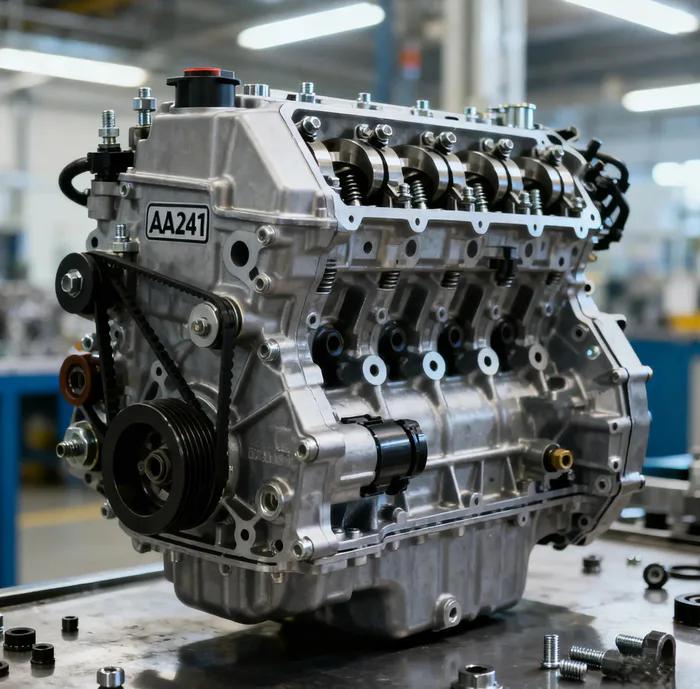
Cast aluminum high-performance engine block

Racing & High-End Automotive Parts

High-strength brackets, turbo housings and exhaust components offer lightweight performance and fatigue resistance for racing engines and high-performance vehicles.

High-reliability cast structural hardware

Defense & Weaponry Hardware

High-reliability structural parts and ammunition components deliver consistent strength and impact resistance under harsh field and combat conditions.

Advantages of Investment Casting

  • Excellent Dimensional Accuracy & Surface Finish

    It achieves tight tolerances and smooth surfaces, greatly reducing or eliminating subsequent machining work.

  • Capability for Highly Complex Shapes

    Undercuts, thin walls and intricate internal features can be formed which are not feasible with many other casting methods.

  • Broad Alloy Selection

    It supports hard-to-machine alloys including stainless steel, superalloys, cobalt-chrome and heat-resistant materials.

  • Good Metallurgical Integrity

    Controlled melting and pouring minimize large defects, producing sound castings suitable for high-performance critical applications.

Disadvantages of Investment Casting

  • Long Production Lead Time

    Multiple steps including wax pattern, shell making and slow drying extend the whole manufacturing cycle.

  • Relatively High Unit Cost

    Labour-intensive shell process and consumable ceramic shells make it more expensive than sand casting or die casting.

  • Size Limitation

    It is not economical for very large castings; it is mainly suitable for small and medium-sized components.

  • Risk of Shell-Related Defects

    Improper shell strength or dewaxing control may cause shell cracking, sand inclusions and surface blemishes on castings.

What is Die Casting?

Die casting is a high-volume metal forming process that injects molten non-ferrous alloy under high pressure and high speed into a hardened steel die cavity. The molten metal solidifies rapidly inside the mold to produce near-net-shape parts with good dimensional consistency and smooth surface finish. It is widely used for aluminum, zinc and magnesium alloy components in automotive, electronics and home appliance industries, featuring fast cycle time and excellent suitability for mass production.

Get a quote now
Die casting process diagram

Online Die-Casting Services For Custom Precision Parts

Our online die casting service provides custom precision non-ferrous alloy parts. From design review to finished components, we offer streamlined one-stop support tailored to your mass-production requirements.

Engineer reviewing die casting drawings

Custom Design & DFM Review

We evaluate your drawings and offer DFM feedback to optimize part structure, avoid casting defects and reduce tooling risks before mold fabrication.

Get Quote
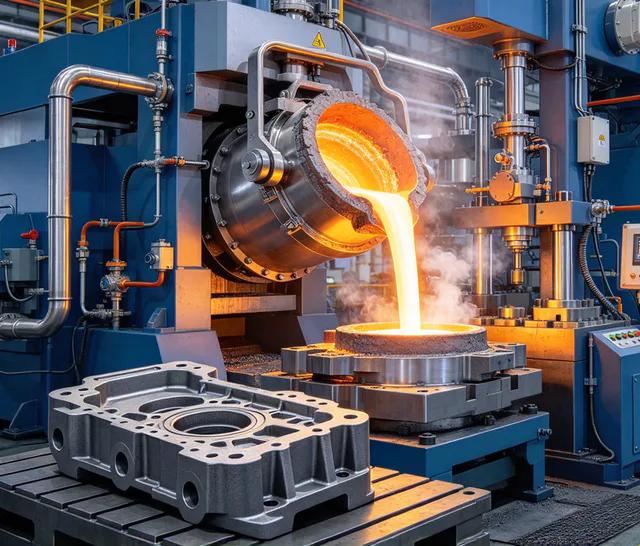
High-pressure die casting machine

High-Speed Precision Die Casting

Molten aluminum, zinc or magnesium alloy is injected under high pressure into hardened steel dies to produce parts with tight tolerances and smooth surface quality.

Get Quote
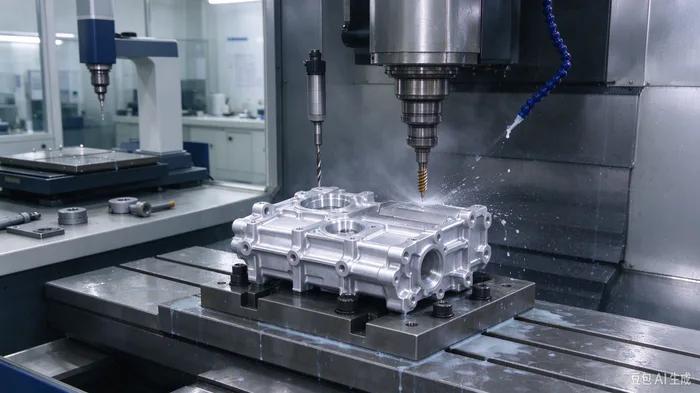
CNC machining of die cast parts

Secondary Value-Added Operations

We provide follow-up processes including CNC machining, deburring, polishing, powder coating and plating to deliver ready-to-assemble components.

Get Quote
Die cast parts in mass production

Rapid Sampling & Mass Production

We support prototype sampling and stable high-volume manufacturing, with transparent order progress tracking for your online project.

Get Quote

Die-Casting Materials

Die casting molds are crafted from high-quality hardened steel, designed to withstand extreme temperatures and pressures. Castings are primarily produced from non-ferrous alloys, selected for their excellent fluidity, low melting points, and corrosion resistance. Ferrous alloys are utilized for specialized, high-wear applications. The standard grades we support are listed below. Custom alloys are also available upon request.

H13 Steel
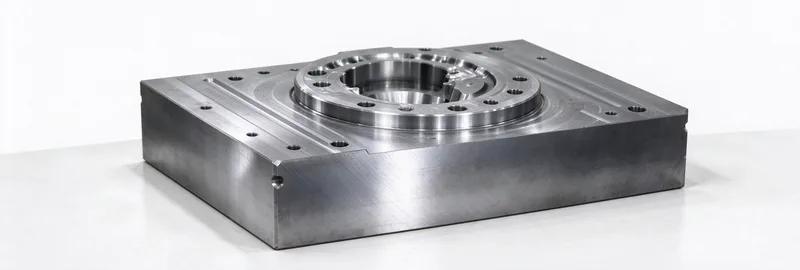
H13 hardened tool steel mold plate

H13 Steel

Features excellent high-temperature strength and toughness. It offers resistance to heat checking and maintains its hardness even during prolonged exposure to high temperatures. It is an ideal choice for aluminum and magnesium die-casting molds that require high durability and precision.

Note: Selecting the optimal die-casting material, based on the specific application, geometry, environment, and budget, is crucial. Please contact our engineers for data-driven solutions.

Post-Casting CNC Machining

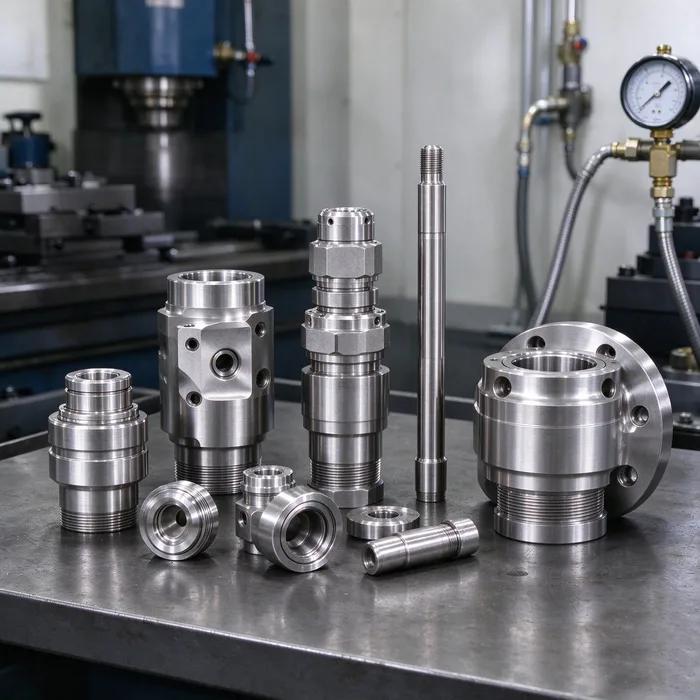
We deliver one-stop precision machining solutions for die-cast parts. With optimized machining strategy, we achieve tight dimensional tolerances and complex features, helping you cut cycle time and control cost for finished ready-to-assemble components.

  • High-precision multi-axis milling & turning for mounting features, threads and sealing surfaces
  • EDM / Wire-cutting for intricate contours, sharp internal corners and fine details hard to machine conventionally
  • Secondary finishing & CMM inspection: deburring, surface treatment and dimensional verification to guarantee consistent quality
Get a quote now

Quality & Consistency Assurance for Die Casting

We implement rigorous, end-to-end quality controls across the entire die casting process to maintain stable dimensions, surface quality and material properties, ensuring uniform, reliable castings for your high-volume projects.

Expert-Level DFM and Engineering Support

Our engineering team provides in-depth Design for Manufacturing (DFM) analysis and delivers competitive quotes well in advance. This ensures that your parts are optimized for cost, performance, and production efficiency before work begins, guaranteeing quality and accelerating your project timeline.

Start your custom die-casting project today.

Accelerate your product development by choosing a manufacturing partner known for precision, flexibility, and reliability.

Get a quote now

What is the working principle of sand casting?

Sand casting forms metal parts using sand moulds, suitable for complex, large and low-to-medium volume castings.

  1. Fine sand mixed with binder is packed around a pattern to form a mould cavity.

  2. The pattern is removed carefully to leave a hollow cavity matching the target part shape.

  3. Gating and riser channels are built for molten metal feeding and shrinkage compensation.

  4. Liquid metal is poured into the mould cavity through the gating system under gravity.

  5. The molten metal cools and solidifies gradually inside the sand mould.

  6. Sand mould is broken apart to take out the finished casting for cleaning and finishing.

Sand Casting Quality Assurance

At Tianrui Electronics, quality control runs through every stage of sand casting, from pattern making, moulding, pouring to final casting inspection. Supported by ISO 9001 systems, we deliver robust and reliable castings that meet strict requirements for automotive, industrial and heavy machinery applications.

  • Advanced Inspection & Metrology

    We deploy high-precision testing equipment for full quality verification. Optical spectrometers analyse molten metal composition, CMMs check complex geometries, and ultrasonic testing detects internal hidden defects to guarantee casting integrity.

  • Full Material & Performance Validation

    Every production batch undergoes strict validation, including spectrometric material certification, mechanical property tests (tensile strength, hardness), dimensional stability checks and leak tests to ensure stable performance under working conditions.

  • Process Control & Defect Prevention

    We use mould flow simulation and solidification control to stabilise casting quality, achieving a high first article inspection pass rate. Root cause analysis and corrective actions are triggered promptly for non-conformities to minimise delays for your projects.

Sand mould preparation for casting
Metal pouring into a sand mould
Inspection of sand cast parts
Finished sand castings ready for delivery

Upload your design files

Start production immediately

Get a quote now