Dongguan Tianrui Electronics Co., Ltd.
Dongguan Tianrui Electronics Co., Ltd. logo
Unlocking Efficiency: The Essential Guide to 220V 400W Insulated PTC Heaters

Unlocking Efficiency: The Essential Guide to 220V 400W Insulated PTC Heaters

PTC Heater
Dec 31, 2025Posted by Dongguan Tianrui Electronics Co., Ltd.

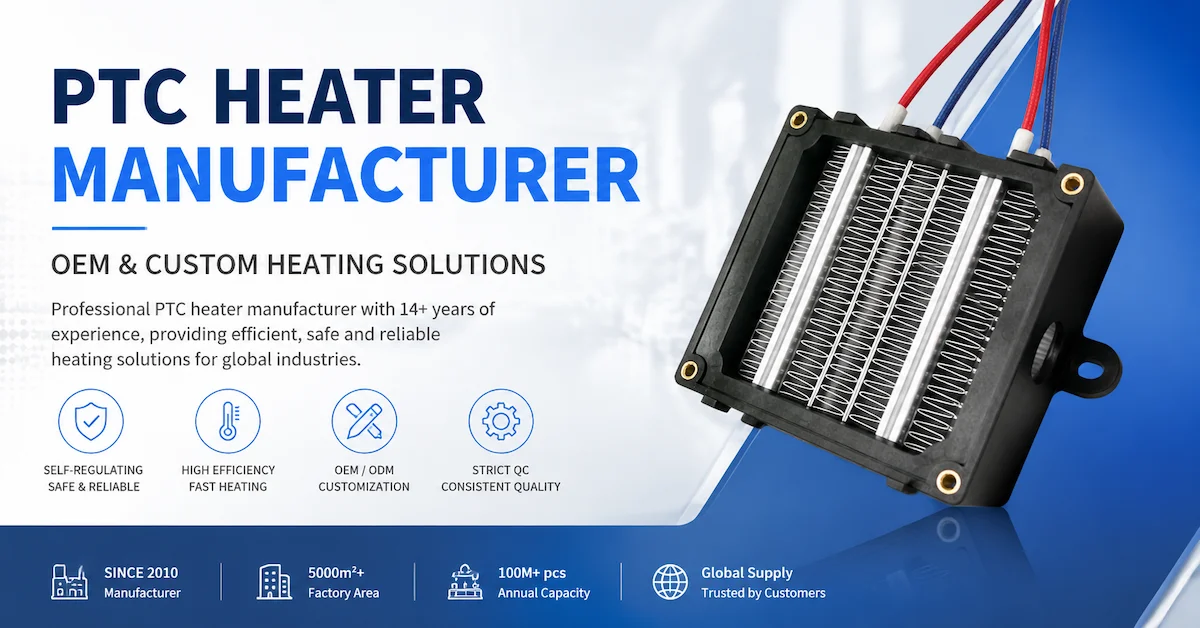
In the world of electric heating, finding the perfect balance of safety, reliability, and energy efficiency is a constant pursuit. Enter the 220V 400W Insulated PTC Heater—a compact yet powerful component that is revolutionizing applications from industrial equipment to everyday appliances. But what exactly makes this specific heater so exceptional? Let's delve into its core technology, standout benefits, and practical uses.

What is a PTC Heater?
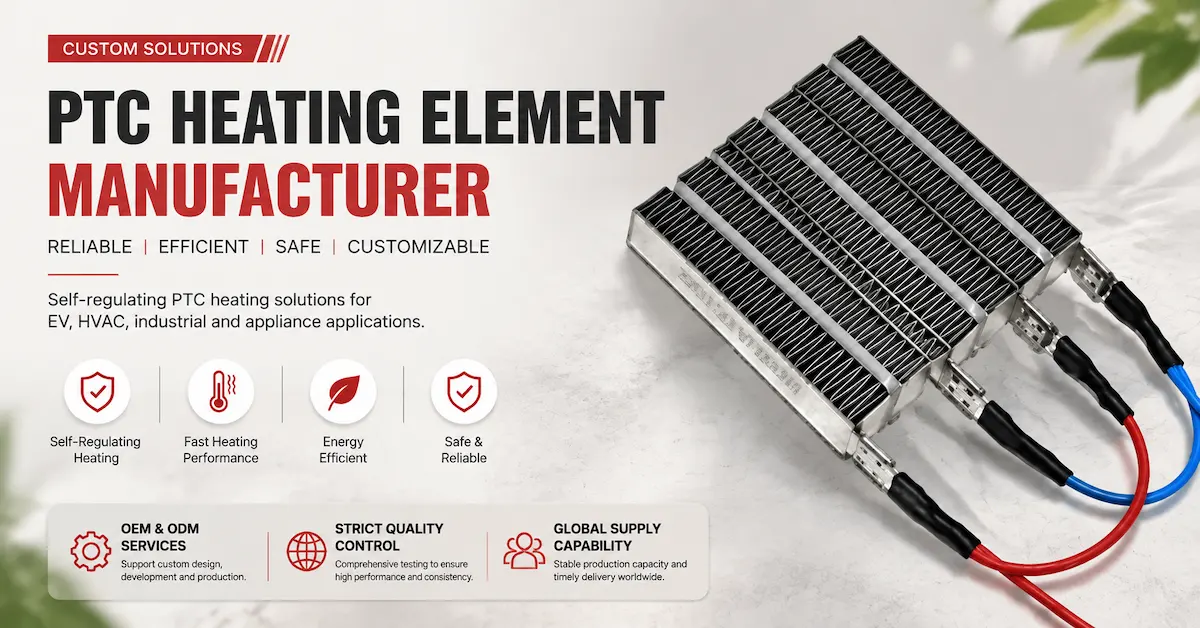
PTC stands for Positive Temperature Coefficient. Unlike traditional resistance wires, PTC ceramic elements possess a unique property: their electrical resistance increases dramatically as their temperature rises. This leads to a self-regulating effect. As the heater reaches its designed temperature range, power consumption automatically decreases, maintaining a stable heat output without the risk of dangerous overheating.

Why Choose a 220V 400W Insulated Version?
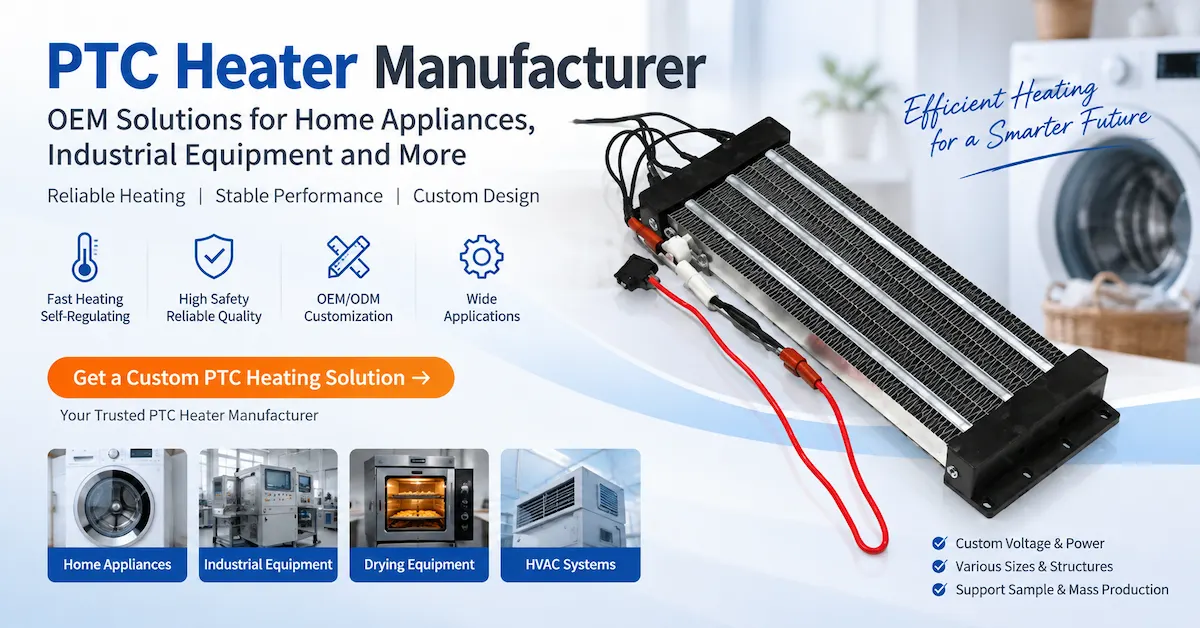
The specifications "220V" and "400W" define a product optimized for common commercial and industrial power grids, offering a moderate yet highly effective heating power. The "Insulated" aspect is the critical safety upgrade. This typically means the PTC ceramic discs or modules are encapsulated within a robust, electrically insulated casing (often aluminum with a ceramic coating or housed in a plastic composite). This design provides multiple advantages:

  • Enhanced Electrical Safety: Complete protection against short circuits and current leakage, making it safe for use in humid or demanding environments.

  • Improved Mechanical Protection: The casing shields the fragile ceramic element from vibration, physical impact, and corrosion.

  • Superior Heat Conduction: The insulation design is engineered to efficiently transfer heat to the target medium (air, liquid, or surface) while protecting surrounding components.

Key Features & Advantages

  1. Inherent Safety: The core PTC technology is fail-safe. It is virtually impossible for it to overheat and cause a fire, as it self-limits its maximum temperature.

  2. Energy Efficiency: It only draws high power during the initial warm-up phase. Once at temperature, it modulates power to maintain heat, reducing wasted electricity.

  3. Long Service Life: With no red-hot filaments to oxidize and degrade, and protected from environmental stress, these heaters boast exceptional durability.

  4. Compact & Versatile: The 400W rating in a 220V design allows for a high power density in a small footprint, enabling integration into space-constrained devices.

  5. Zero Maintenance: A solid-state design with no moving parts ensures reliable, maintenance-free operation.

Primary Applications
This versatile heater is the silent workhorse in many systems:

  • Industrial Equipment: Constant-temperature chambers, packaging machines, drying tunnels, and process air heating.

  • Commercial Appliances: Advanced coffee brewers, food warmers, proofing cabinets, and commercial dryers.

  • HVAC Systems: As a compact, safe booster heater in ductwork, air handlers, or defrosting units.

  • Home Appliances: High-end hair dryers, efficient space heaters, advanced dehumidifiers, and towel warmers.

  • Medical & Scientific Devices: Incubators, sterilizers, and diagnostic equipment requiring stable, reliable heat.

Conclusion
The 220V 400W Insulated PTC Heater is far more than just a simple heating element; it is a smart, safe, and efficient thermal management solution. By combining the self-regulating magic of PTC ceramics with the robust protection of advanced insulation, it delivers peace of mind and performance for engineers and end-users alike. Whether you're designing a new product or seeking a reliable upgrade, this heater represents the modern standard in electric heating technology.
Featured Blogs

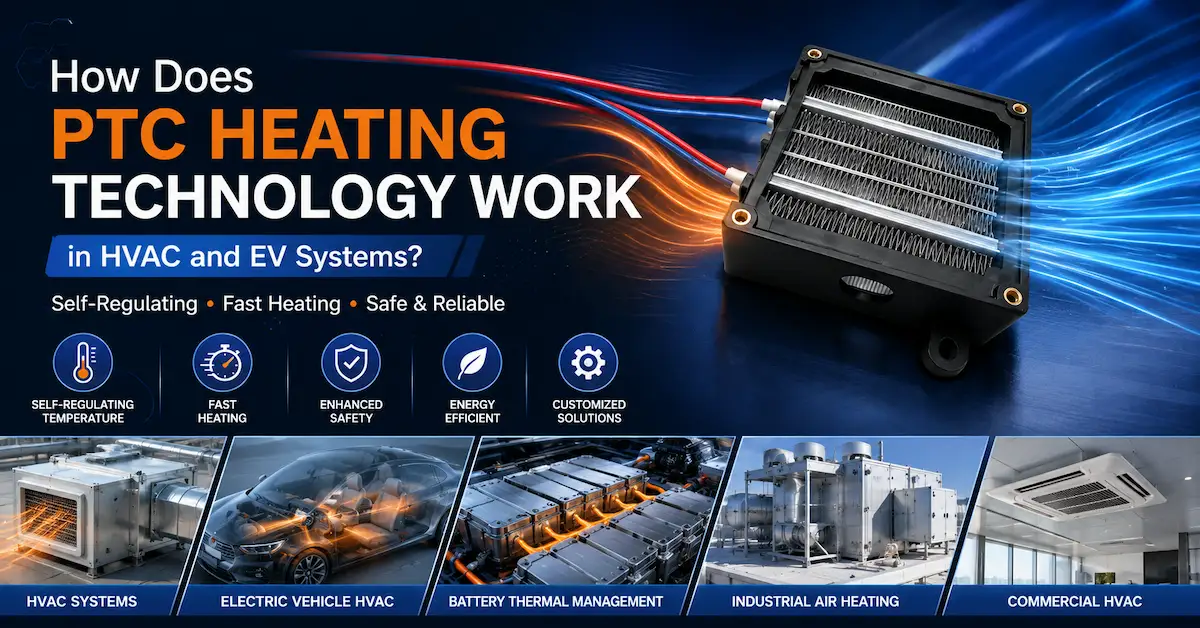
How Does PTC Heating Technology Work in HVAC and EV Systems?

How Does PTC Heating Technology Work in HVAC and EV Systems?

PTC Heating Technology provides self-regulating electric heating for HVAC, electric vehicles, industrial equipment and thermal management systems. This guide explains the ceramic heating principle, key advantages, heater types, application differences and selection factors that OEM engineers and buyers should evaluate before choosing a PTC heating solution.

Read More
PTC Heater for HVAC System: Working Principle, Applications and Selection Guide

PTC Heater for HVAC System: Working Principle, Applications and Selection Guide

PTC heaters for HVAC systems provide efficient and reliable heating solutions for automotive, industrial and commercial applications. This guide explains how PTC heaters work, their advantages, applications and how to select a suitable supplier for customized HVAC heating requirements.

Read More
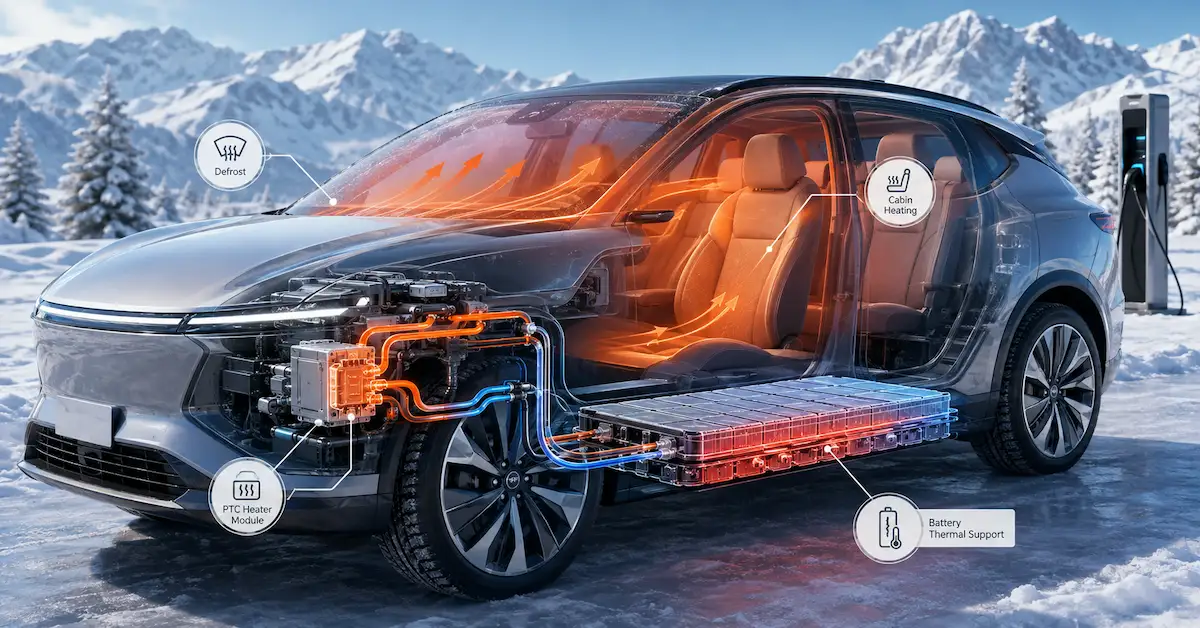
PTC Heater for Electric Vehicle: How to Choose the Right EV Heating Solution

PTC Heater for Electric Vehicle: How to Choose the Right EV Heating Solution

PTC heaters for electric vehicles provide efficient cabin heating and battery thermal management solutions in cold environments. This guide explains how EV manufacturers can select suitable PTC heaters based on heating performance, safety, energy efficiency, customization and supplier capability.

Read More
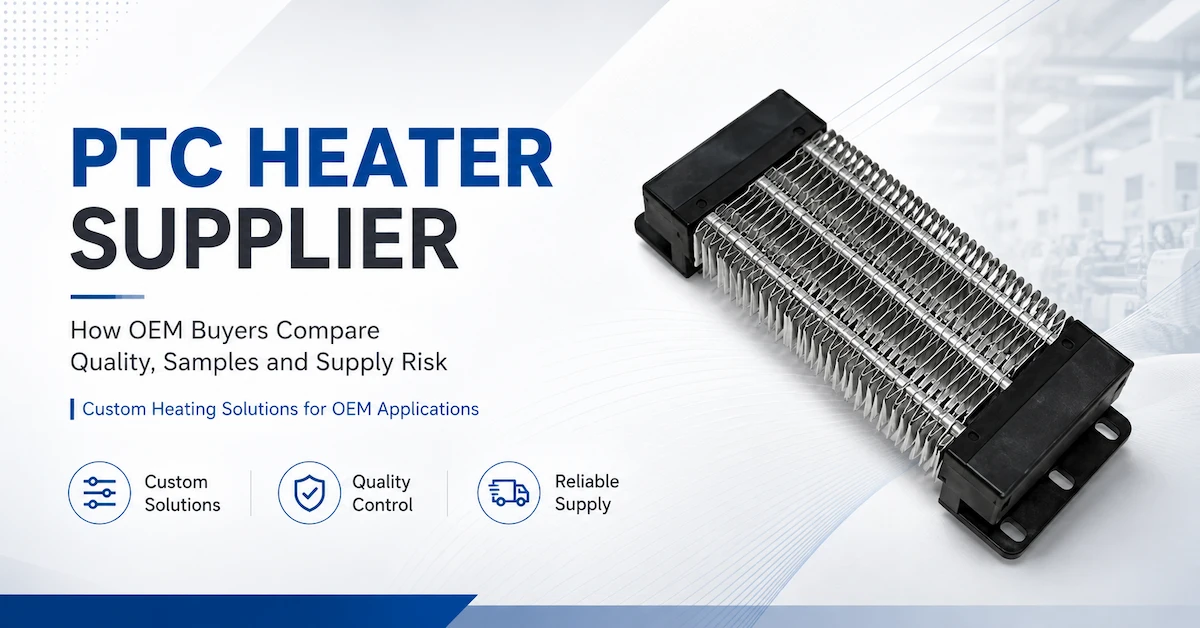
PTC Heater Supplier Guide: How OEM Buyers Compare Quality, Samples and Supply Risk

PTC Heater Supplier Guide: How OEM Buyers Compare Quality, Samples and Supply Risk

Choosing a PTC Heater Supplier involves more than comparing wattage and unit price. This guide helps OEM buyers evaluate technical support, customization, sample testing, quality control, quotations, lead time and long-term supply reliability before approving a heating partner.

Read More
PTC Heater Manufacturer: How to Choose the Right OEM Partner

PTC Heater Manufacturer: How to Choose the Right OEM Partner

Choosing the right PTC heater manufacturer requires more than comparing price and wattage. This guide explains how OEM buyers can evaluate engineering capability, customization, sample testing, quality control, production consistency, cost, and RFQ requirements before selecting a long-term supplier.

Read More
48256 Cross Flow Fan: The Ultimate Guide to Efficient, Low-Noise Airflow

48256 Cross Flow Fan: The Ultimate Guide to Efficient, Low-Noise Airflow

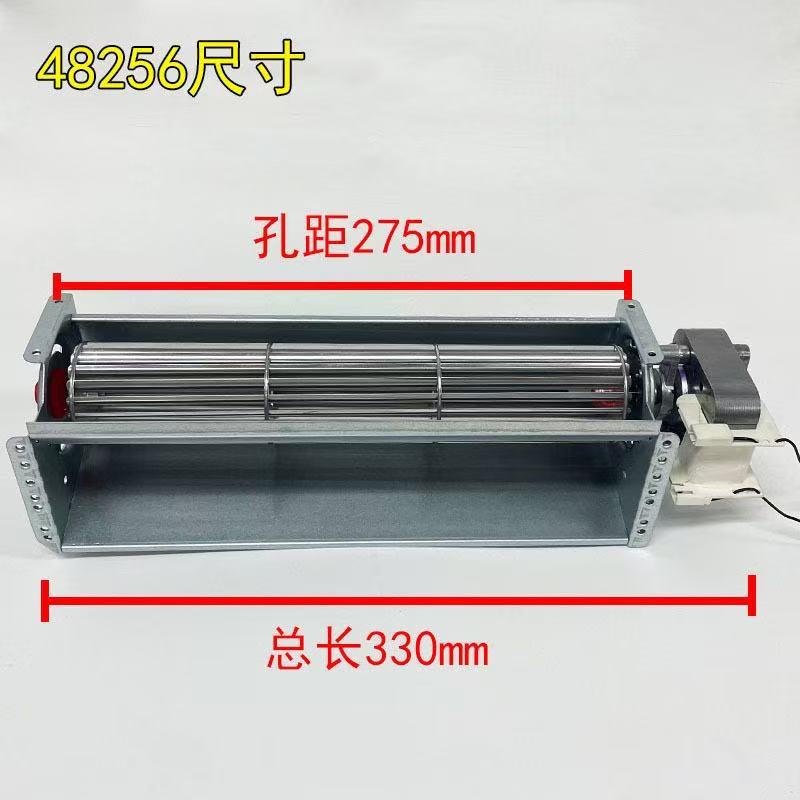
When it comes to moving air efficiently in tight spaces, few solutions match the performance of a cross flow fan (tangential fan). The 48256 model shown in the image is a prime example of this engineering marvel, designed to deliver consistent, low-noise airflow for a wide range of heating, ventilation, and industrial applications. Let’s break down what makes this fan such a versatile and reliable choice.

Read More
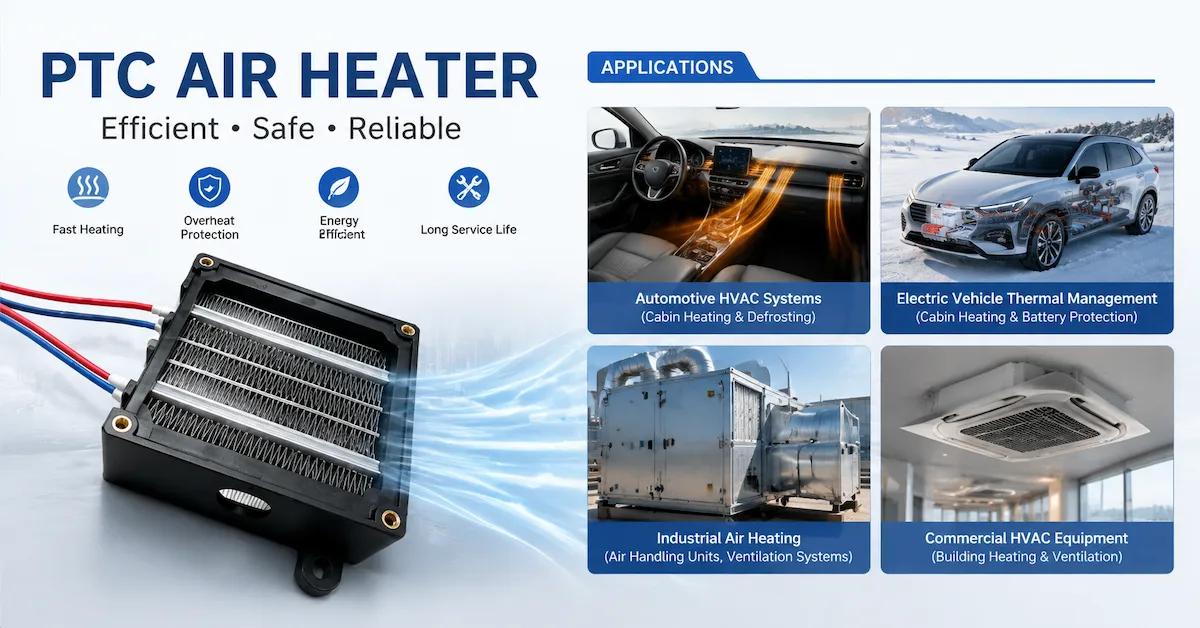
Why Our PTC Air Heaters Are the Smart, Safe Choice for Modern Air Heating

Why Our PTC Air Heaters Are the Smart, Safe Choice for Modern Air Heating

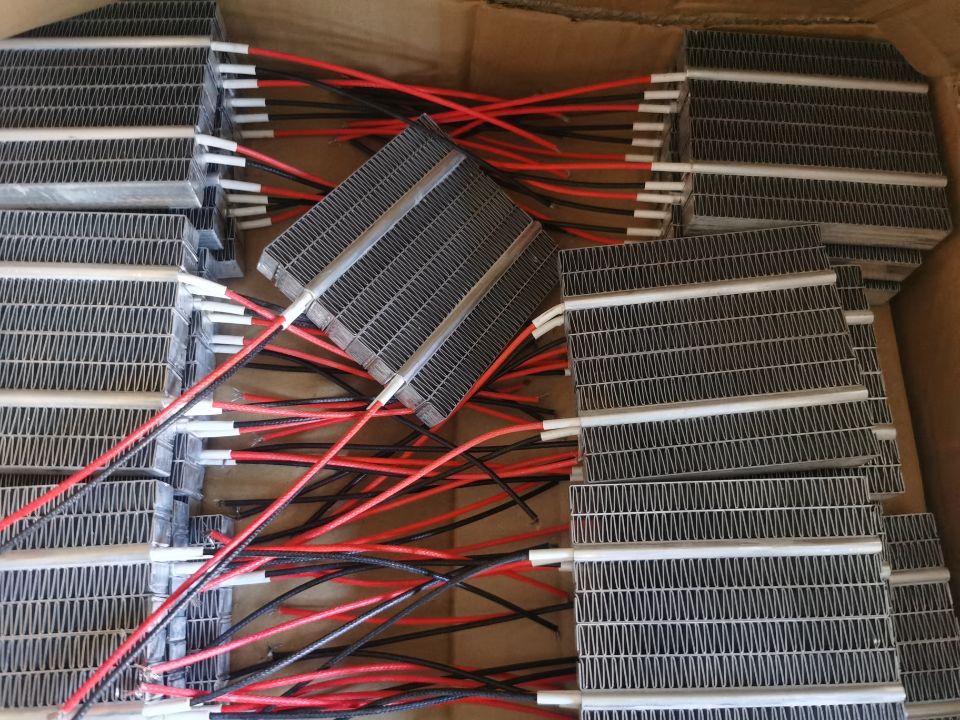
If you’ve ever dealt with unreliable heating elements, energy waste, or safety concerns in your air heating systems, it’s time to meet the solution: PTC (Positive Temperature Coefficient) air heaters. These compact, powerful modules are more than just heating components—they’re engineered to deliver consistent, safe, and efficient heat across countless applications, and our line of customizable models (as seen in the image) is built to exceed expectations.

Read More
The Complete Guide to PTC Fan Heaters for Industrial Cabinet Protection

The Complete Guide to PTC Fan Heaters for Industrial Cabinet Protection

Industrial automation relies on sensitive electronics housed within control cabinets, but these enclosures face a constant threat: temperature fluctuations. Condensation in humid conditions, freezing in cold climates, and component stress from temperature swings can lead to malfunctions, downtime, and costly repairs. To solve this, engineers are increasingly turning to integrated PTC Fan Heaters – a robust, intelligent solution designed for reliability. Available in key power ratings like 150W, 300W, 400W, and 600W, these units are the guardians of critical electrical systems.

Read More