Dongguan Tianrui Electronics Co., Ltd.
Dongguan Tianrui Electronics Co., Ltd. logo
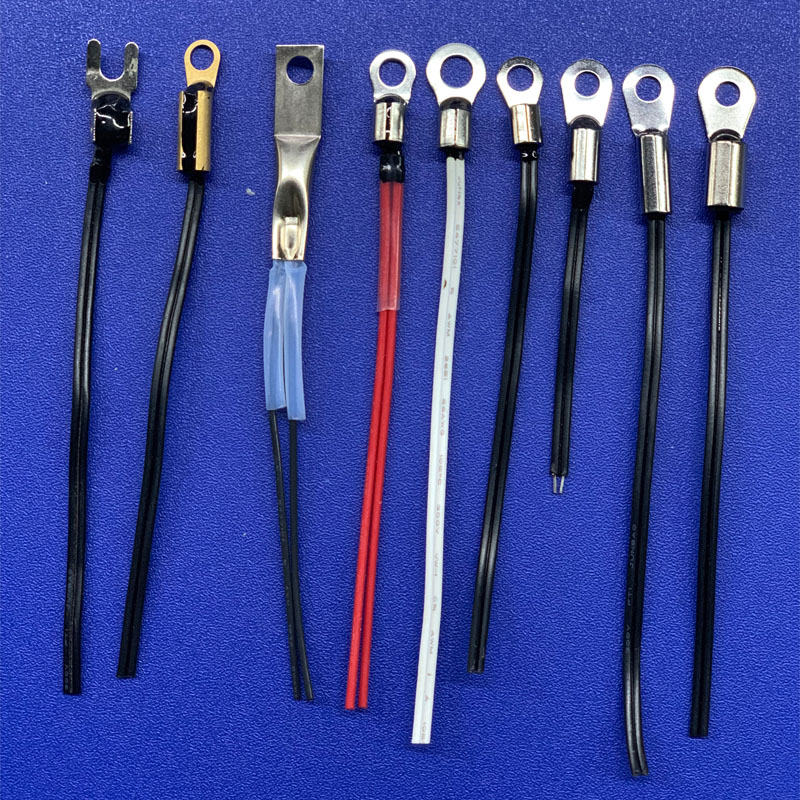
Why NTC Thermistors Are a Top Choice for Temperature Sensing: Advantages & Applications

Why NTC Thermistors Are a Top Choice for Temperature Sensing: Advantages & Applications

PTC Heater
Oct 15, 2025Posted by Dongguan Tianrui Electronics Co., Ltd.

When it comes to measuring temperature in the electronic world, engineers have several options, from RTDs and thermocouples to IC-based sensors. Yet, across countless consumer and industrial products, one component consistently stands out: the NTC (Negative Temperature Coefficient) Thermistor.

So, what makes this tiny sensor so incredibly popular? Let's unveil the key advantages that secure its place and explore its widespread applications.

The Key Advantages of NTC Thermistors

NTC thermistors are popular for a powerful combination of performance, cost, and size factors.

1. High Sensitivity and Accuracy
This is their superstar feature. NTC thermistors exhibit a large change in resistance for a small change in temperature. This high sensitivity allows them to detect tiny temperature fluctuations that other sensors might miss, providing excellent accuracy over a limited temperature range (typically -50°C to 150°C).

2. Cost-Effectiveness
NTC thermistors are one of the most economical temperature sensing solutions available. Their simple construction and mass-production capabilities make them the go-to choice for cost-sensitive applications, especially in high-volume consumer electronics.

3. Small Size and Rugged Build
Their compact size allows them to be embedded in virtually any device, from a tiny smartphone battery to a thin medical probe. Additionally, they are solid-state devices with no moving parts, making them highly resistant to shock and vibration.

4. Fast Response Time
Due to their small thermal mass, NTC thermistors can react very quickly to changes in temperature. This is critical for applications like monitoring overheating in a motor or measuring fluid temperature in a car.

5. Easy Integration
They are simple passive components that can be easily integrated into standard electronic circuits, such as a voltage divider, making the overall system design straightforward.

Where Are NTC Thermistors Used?

The unique blend of advantages above makes NTC thermistors the ideal solution in a vast array of fields:

  • Consumer Electronics: Protecting lithium-ion batteries in smartphones, laptops, and tablets from over-temperature conditions during charging and operation.

  • Home Appliances: Monitoring and controlling temperature in white goods like refrigerators, freezers, ovens, coffee makers, and water heaters.

  • Automotive Industry: Measuring critical temperatures of engine coolant, cabin air, battery packs in EVs, and intake air.

  • Medical Devices: Ensuring precise and safe temperatures in patient monitors, dialysis machines, respiratory equipment, and digital thermometers.

  • Industrial Control: Providing temperature compensation for electronic circuits, monitoring HVAC systems, and protecting industrial machinery from overheating.

Are There Any Limitations?

While excellent for many tasks, it's important to note their limitations. NTC thermistors have a non-linear resistance-temperature relationship (which can be linearized with software) and a more limited high-temperature range compared to thermocouples. However, for the vast majority of applications within their range, their benefits far outweigh these manageable drawbacks.

Conclusion

The popularity of NTC thermistors is no accident. Their winning combination of high sensitivity, low cost, compact size, and ruggedness makes them an exceptionally versatile and reliable choice. The next time you use your phone, drive your car, or brew a coffee, remember there's a good chance a tiny NTC thermistor is working behind the scenes to ensure performance and safety.
Featured Blogs

PTC Heater for HVAC System: Working Principle, Applications and Selection Guide

PTC Heater for HVAC System: Working Principle, Applications and Selection Guide

PTC heaters for HVAC systems provide efficient and reliable heating solutions for automotive, industrial and commercial applications. This guide explains how PTC heaters work, their advantages, applications and how to select a suitable supplier for customized HVAC heating requirements.

Read More
PTC Heater for Electric Vehicle: How to Choose the Right EV Heating Solution

PTC Heater for Electric Vehicle: How to Choose the Right EV Heating Solution

PTC heaters for electric vehicles provide efficient cabin heating and battery thermal management solutions in cold environments. This guide explains how EV manufacturers can select suitable PTC heaters based on heating performance, safety, energy efficiency, customization and supplier capability.

Read More
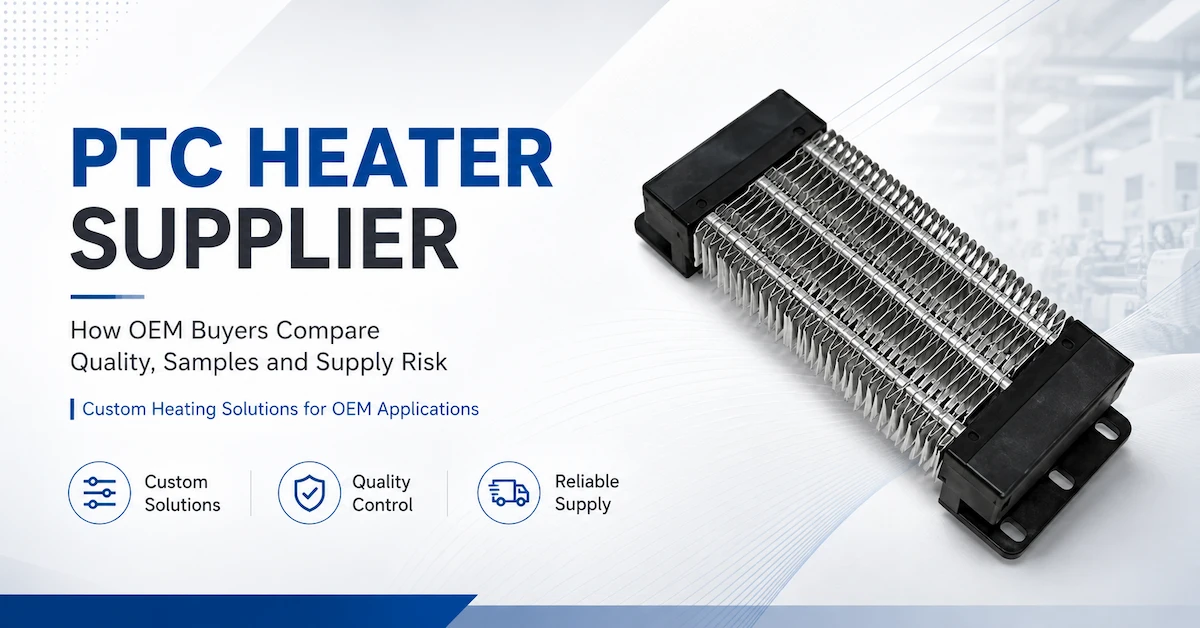
PTC Heater Supplier Guide: How OEM Buyers Compare Quality, Samples and Supply Risk

PTC Heater Supplier Guide: How OEM Buyers Compare Quality, Samples and Supply Risk

Choosing a PTC Heater Supplier involves more than comparing wattage and unit price. This guide helps OEM buyers evaluate technical support, customization, sample testing, quality control, quotations, lead time and long-term supply reliability before approving a heating partner.

Read More
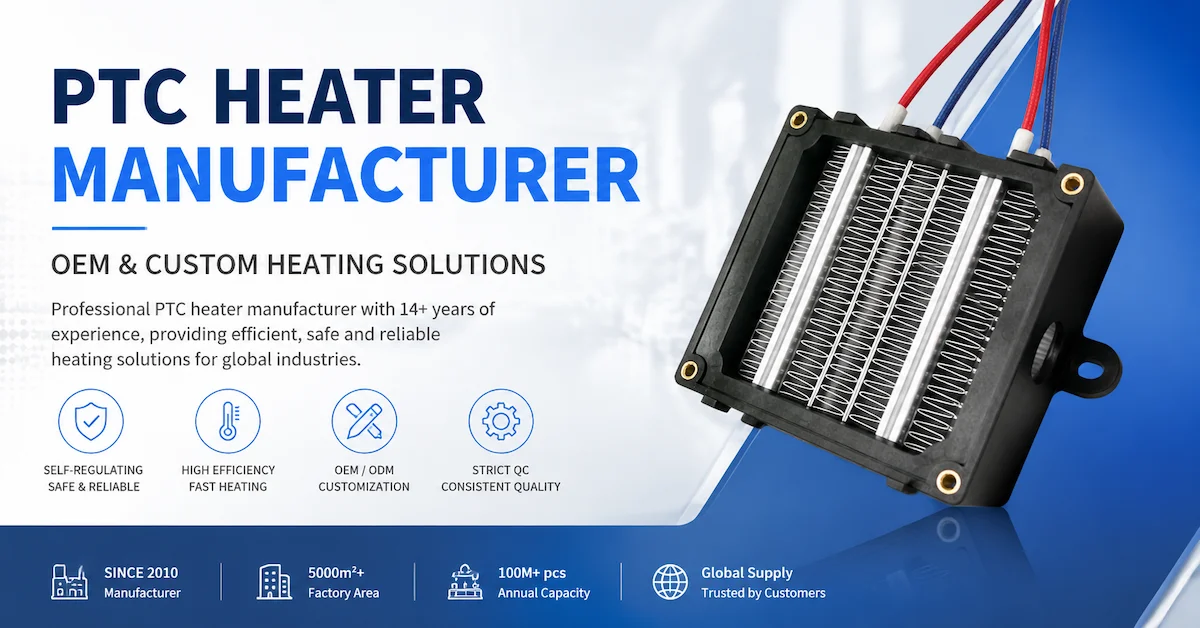
PTC Heater Manufacturer: How to Choose the Right OEM Partner

PTC Heater Manufacturer: How to Choose the Right OEM Partner

Choosing the right PTC heater manufacturer requires more than comparing price and wattage. This guide explains how OEM buyers can evaluate engineering capability, customization, sample testing, quality control, production consistency, cost, and RFQ requirements before selecting a long-term supplier.

Read More
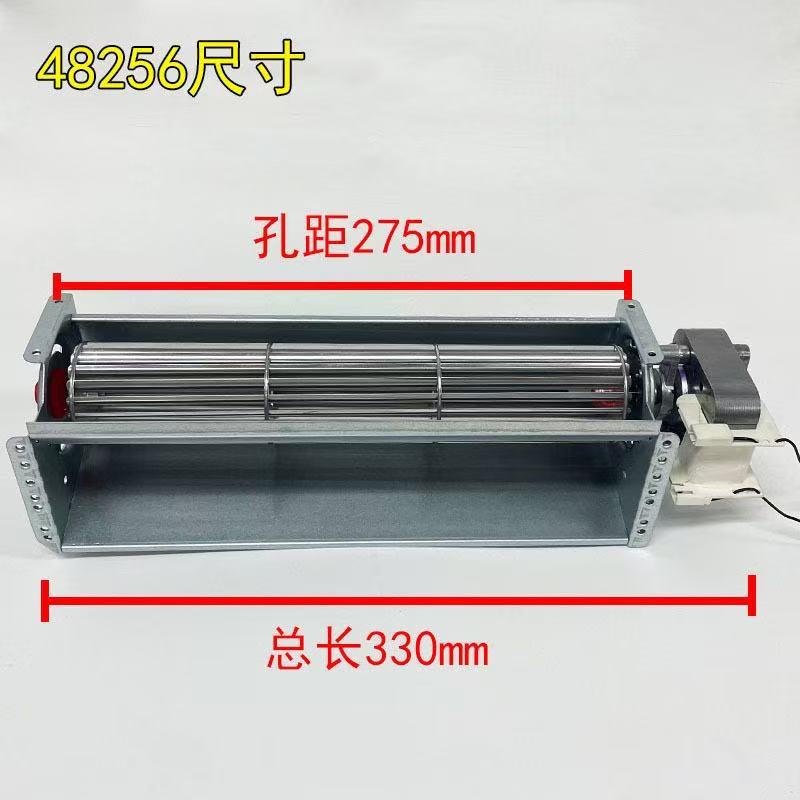
48256 Cross Flow Fan: The Ultimate Guide to Efficient, Low-Noise Airflow

48256 Cross Flow Fan: The Ultimate Guide to Efficient, Low-Noise Airflow

When it comes to moving air efficiently in tight spaces, few solutions match the performance of a cross flow fan (tangential fan). The 48256 model shown in the image is a prime example of this engineering marvel, designed to deliver consistent, low-noise airflow for a wide range of heating, ventilation, and industrial applications. Let’s break down what makes this fan such a versatile and reliable choice.

Read More
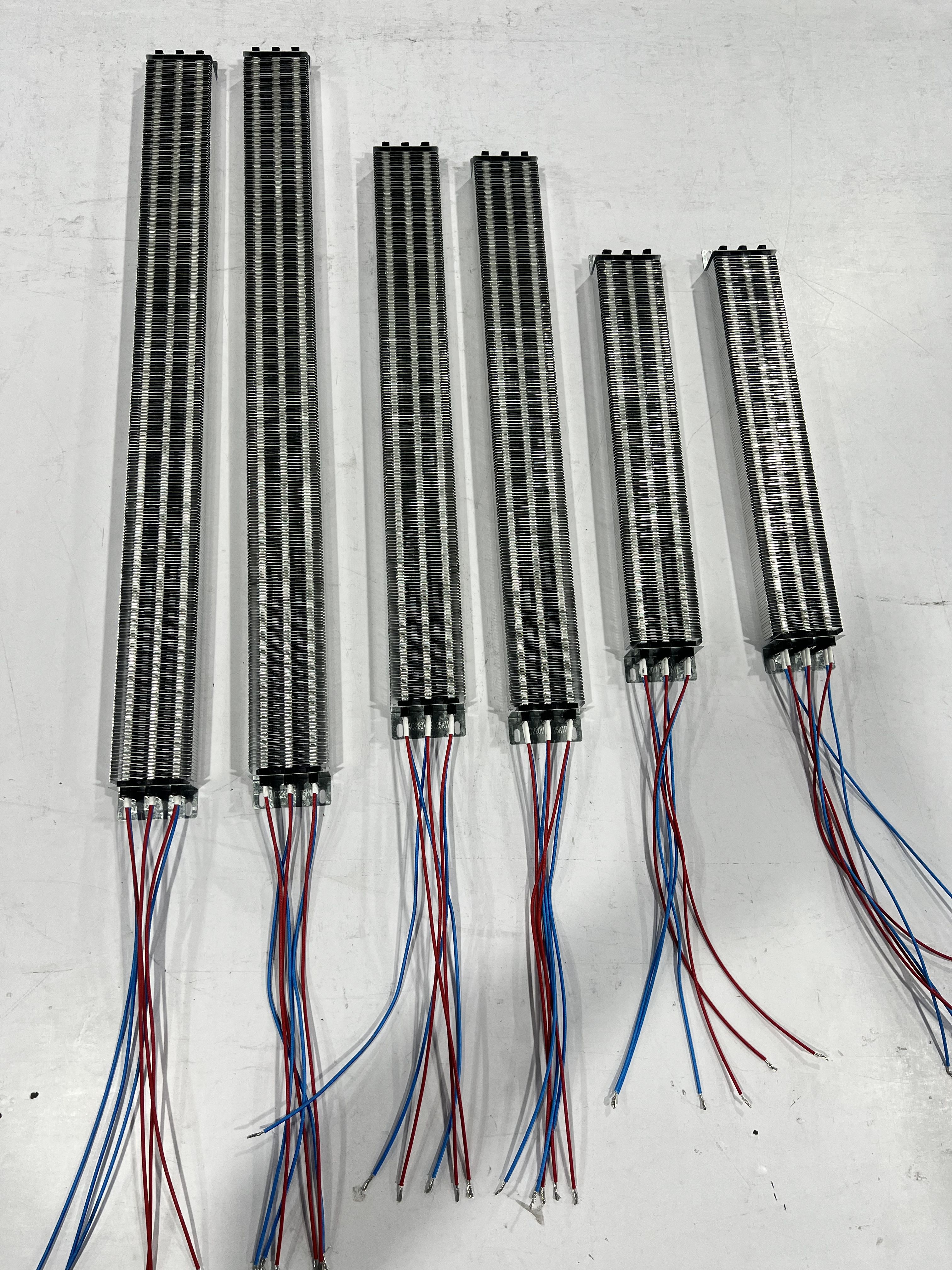
Why Our PTC Air Heaters Are the Smart, Safe Choice for Modern Air Heating

Why Our PTC Air Heaters Are the Smart, Safe Choice for Modern Air Heating

If you’ve ever dealt with unreliable heating elements, energy waste, or safety concerns in your air heating systems, it’s time to meet the solution: PTC (Positive Temperature Coefficient) air heaters. These compact, powerful modules are more than just heating components—they’re engineered to deliver consistent, safe, and efficient heat across countless applications, and our line of customizable models (as seen in the image) is built to exceed expectations.

Read More
The Complete Guide to PTC Fan Heaters for Industrial Cabinet Protection

The Complete Guide to PTC Fan Heaters for Industrial Cabinet Protection

Industrial automation relies on sensitive electronics housed within control cabinets, but these enclosures face a constant threat: temperature fluctuations. Condensation in humid conditions, freezing in cold climates, and component stress from temperature swings can lead to malfunctions, downtime, and costly repairs. To solve this, engineers are increasingly turning to integrated PTC Fan Heaters – a robust, intelligent solution designed for reliability. Available in key power ratings like 150W, 300W, 400W, and 600W, these units are the guardians of critical electrical systems.

Read More
The Smart Way to Heat Liquids: A Guide to PTC Immersion Heating Rods

The Smart Way to Heat Liquids: A Guide to PTC Immersion Heating Rods

When your application requires precise and reliable heating of a liquid—whether it's water in a tank, oil in a reservoir, or a chemical in a process bath—the heating element you choose is critical. Enter the Immersion Water Heater Element with PTC (Positive Temperature Coefficient) technology. This isn't your standard heating coil; it's an intelligent, self-regulating solution that offers superior safety and efficiency. Let's dive into what makes these tubular heating rods a game-changer for liquid temperature control.

Read More