Dongguan Tianrui Electronics Co., Ltd.
Dongguan Tianrui Electronics Co., Ltd. logo
Why Choose Ceramic PTC Heaters? Key Advantages with Real-World Examples

Why Choose Ceramic PTC Heaters? Key Advantages with Real-World Examples

PTC Heater
Nov 13, 2025Posted by Dongguan Tianrui Electronics Co., Ltd.

In the world of heating elements, the ceramic PTC (Positive Temperature Coefficient) heater stands out for its unique combination of safety, efficiency, and reliability. Unlike traditional wire coils that can glow red-hot, ceramic PTCs offer a smarter way to generate heat. Let's explore their core advantages and see how they are applied in everyday products.

1. Self-Regulating Safety & Overheat Protection

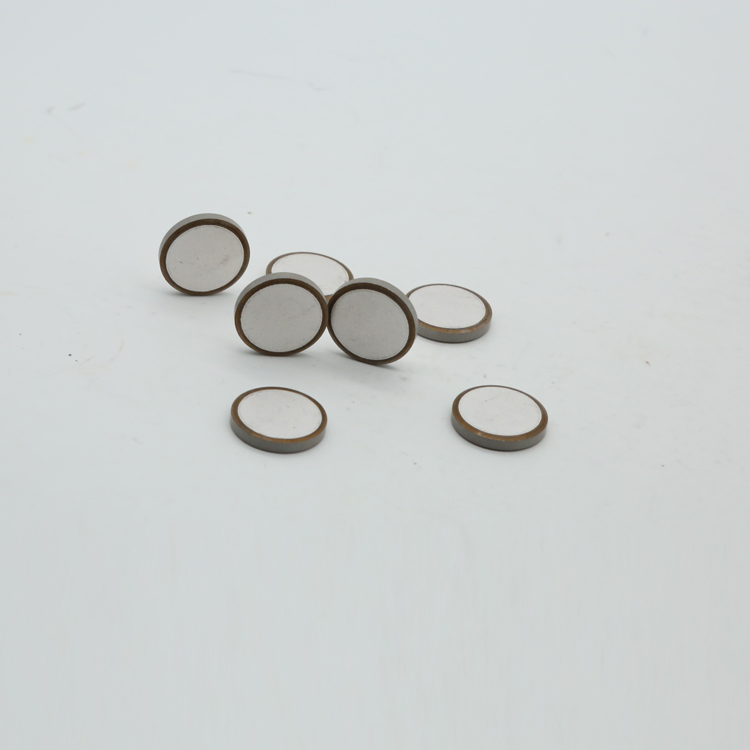
This is the most significant advantage. The resistance of the PTC ceramic material increases dramatically as it reaches its specific Curie temperature (e.g., 240°C). This means its power consumption automatically drops, preventing it from overheating.

  • How it works: Think of it as a built-in thermostat. As the heater gets hot, it naturally "shuts off" the electrical flow, cooling down just enough to turn it back on. It constantly self-adjusts.

  • Example: A hair dryer.
    If the air intake is accidentally blocked, a traditional coil heater would overheat and potentially cause a fire or damage the device. A ceramic PTC heater, however, will simply reduce its power output, maintaining a safe surface temperature and preventing a hazardous situation.

2. Energy Efficiency

Because ceramic PTC heaters are self-regulating, they don't waste energy. They draw more power initially to heat up quickly, but once at their target temperature, power consumption decreases significantly to a level just enough to maintain heat.

  • How it works: There's no need for an external thermostat to cycle the heater on and off, which can be inefficient. The PTC element does this seamlessly and intrinsically.

  • Example: An automotive seat warmer.
    On a cold start, it uses high power to quickly make the seat comfortable. Once warm, it automatically reduces power to a maintenance level, preventing energy waste and providing a consistent, comfortable temperature without becoming uncomfortably hot.

3. Long Operational Life

The absence of a red-hot glowing filament and the self-protecting nature mean there is much less thermal stress and degradation over time. Ceramic is also a very stable and robust material.

  • How it works: Without the extreme temperature cycling that burns out traditional elements, the PTC ceramic disc can last for tens of thousands of hours.

  • Example: An office water dispenser for keeping a kettle warm.
    It may be powered on for 8-12 hours a day, every day. A traditional heating element would frequently burn out under such continuous use. A ceramic PTC heater, reliably self-regulating, can endure this demanding duty cycle for many years.

4. Fast Thermal Response

Ceramic PTC discs are compact and have low thermal mass. This allows them to heat up to their operating temperature very quickly.

  • How it works: The entire element is designed to generate heat, so there is very little lag time from when you switch it on to when you feel the warmth.

  • Example: A soldering iron.
    A PTC-based soldering iron can reach its optimal soldering temperature in seconds, improving work efficiency compared to older, slower-heating models.

5. Stable Heating Performance

Once a ceramic PTC heater reaches its Curie temperature, it stabilizes. This provides a consistent, uniform heat output without significant temperature fluctuations.

  • How it works: The physical properties of the material ensure it operates within a narrow temperature band.

  • Example: A 3D printer heated bed.
    A stable, uniform temperature across the print surface is critical for preventing warping and ensuring print quality. A PTC heater can maintain this stability far more effectively than a simple resistor-based heater.

Conclusion

Ceramic PTC heaters are more than just a heating element; they are an intelligent thermal solution. Their built-in safety, efficiency, and longevity make them the superior choice for a vast range of applications, from consumer electronics and appliances to automotive and industrial systems. By choosing a ceramic PTC heater, you are investing in a safer, more reliable, and smarter product.
Featured Blogs

Ceramic PTC Heaters: The Smart Choice for Modern Heating

Ceramic PTC Heaters: The Smart Choice for Modern Heating

When it comes to efficient, safe, and compact heating solutions, ceramic PTC (Positive Temperature Coefficient) heaters are revolutionizing the industry. Unlike traditional heaters that rely on constant power and external controls, PTC heaters offer a built-in “brain” that makes them remarkably efficient and reliable.

Read More
Compact PTC Heaters: Your Efficient & Safe Solution for Instant Warmth

Compact PTC Heaters: Your Efficient & Safe Solution for Instant Warmth

Feeling a chill in your home office, bathroom, or a small living space? Traditional heaters often feel bulky, inefficient, or even unsafe. Enter the compact PTC heater – a modern marvel of heating technology that's changing how we stay warm.

Read More
PTC Heating Film: The Smart, Efficient Future of Warmth

PTC Heating Film: The Smart, Efficient Future of Warmth

Tired of cold floors, inefficient heaters, and high energy bills? Modern heating technology offers a superior solution: Positive Temperature Coefficient (PTC) Heating Film. This innovative material is revolutionizing how we deliver warmth in homes, offices, and industrial settings. But what exactly is it, and why is it gaining so much popularity?

Read More
Unlocking Efficiency: The Essential Guide to 220V 400W Insulated PTC Heaters

Unlocking Efficiency: The Essential Guide to 220V 400W Insulated PTC Heaters

In the world of electric heating, finding the perfect balance of safety, reliability, and energy efficiency is a constant pursuit. Enter the 220V 400W Insulated PTC Heater—a compact yet powerful component that is revolutionizing applications from industrial equipment to everyday appliances. But what exactly makes this specific heater so exceptional? Let's delve into its core technology, standout benefits, and practical uses.

Read More
PTC Heaters: The Smart Heart of Your Modern Clothes Dryer

PTC Heaters: The Smart Heart of Your Modern Clothes Dryer

Tired of long drying cycles, high energy bills, and worries about overheating your favorite clothes? The technology behind drying has evolved, and at the forefront is the PTC (Positive Temperature Coefficient) heater. It’s quietly revolutionizing how modern dryers work, making them more efficient, safer, and gentler on fabrics.

Read More
Insulated Corrugated PTC Heaters: The Safe and Durable Heating Solution

Insulated Corrugated PTC Heaters: The Safe and Durable Heating Solution

In industrial and commercial heating applications where safety, durability, and efficiency are non-negotiable, the insulated corrugated PTC heater stands out as an engineering masterpiece. Combining three key technologies—PTC self-regulation, corrugated metal construction, and specialized insulation—this heater delivers performance where others may fall short.

Read More
Air Electric PTC Heaters: Revolutionizing Modern Heating with Efficiency and Safety

Air Electric PTC Heaters: Revolutionizing Modern Heating with Efficiency and Safety

Explore the advanced Air Electric PTC Heater, designed for rapid, self-regulating, and energy-efficient heating. Ideal for industrial, automotive, and commercial applications.

Read More
Power Up Your Drying Process: The Ultimate Guide to Industrial PTC Air Heaters

Power Up Your Drying Process: The Ultimate Guide to Industrial PTC Air Heaters

In the demanding world of industrial drying—whether for food, textiles, coatings, or plastics—efficiency, reliability, and control are non-negotiable. Traditional heating elements often fall short, plagued by inefficiency, hotspots, and safety concerns. Enter PTC (Positive Temperature Coefficient) air heaters, a transformative technology redefining performance standards for drying applications.

Read More