Dongguan Tianrui Electronics Co., Ltd.
Dongguan Tianrui Electronics Co., Ltd. logo
PTC Thermistors in Consumer Electronics: The Unseen Protector in Your Devices

PTC Thermistors in Consumer Electronics: The Unseen Protector in Your Devices

PTC Heater
Sep 22, 2025Posted by Dongguan Tianrui Electronics Co., Ltd.

Look around you. Your smartphone, laptop, gaming console, and smart speaker all have one thing in common: they are packed with sophisticated, expensive electronics that are vulnerable to electrical faults. Yet, we use them daily with an expectation of safety and reliability. This peace of mind is made possible, in part, by a tiny, hidden guardian: the PTC thermistor.

The Silent Guardian Against Catastrophe

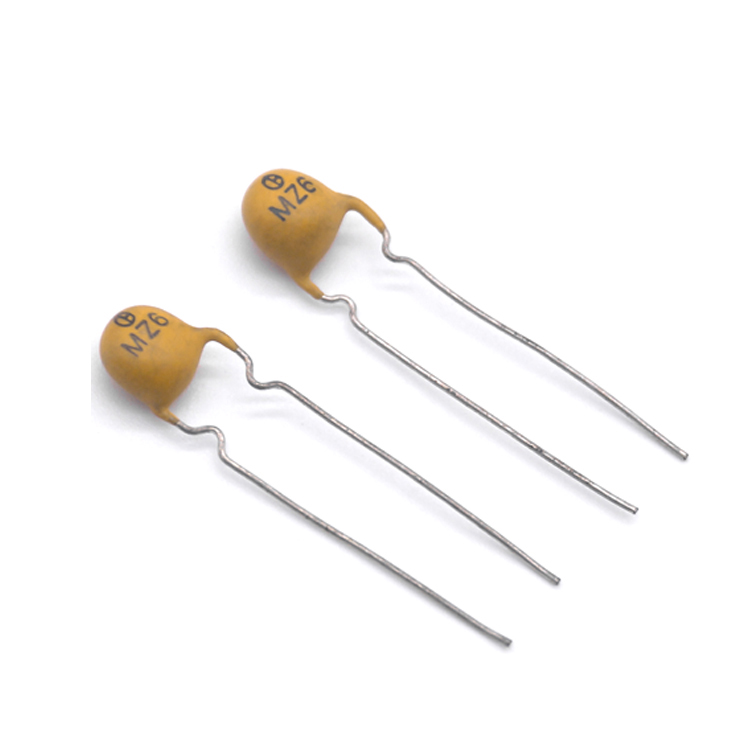
Consumer electronics face constant threats from power surges, faulty chargers, and internal shorts. A PTC (Positive Temperature Coefficient) thermistor, often in its polymer form (PPTC or resettable fuse), is the first line of defense. Its mission is simple: detect overcurrent and shut it down before it can cause irreparable damage.

How It Works: The Invisible Shield

The PTC’s principle is elegantly simple. It’s placed in series on the power line of a critical circuit.

  • Normal Operation: It has low resistance, allowing power to flow unimpeded. You don't even know it's there.

  • Fault Condition: If a short circuit or severe overload occurs, the resulting high current heats the PTC. Within milliseconds, its resistance skyrockets, effectively "blowing" like a fuse.

  • The Key Difference: Unlike a traditional fuse, this one is resettable. Once the fault is removed (e.g., you unplug the faulty charger) and the device cools down, the PTC's resistance drops back to its low value. The device returns to normal operation without any need for repair.

Where You'll Find Them Hiding

PTC thermistors are the unseen protectors in virtually every modern consumer device:

  • USB Ports: Every USB port in your computer, charger, and hub has PPTC protection. It prevents a faulty peripheral from taking down your entire machine.

  • Battery Packs: This is perhaps their most critical role. They are embedded in the battery management systems (BMS) of smartphones, laptops, and wireless headphones to protect Li-ion cells from the dangers of overcurrent and short circuits, which can lead to overheating or even fire.

  • Audio Amplifiers: They protect expensive speakers and amplifier ICs from damage caused by output shorts or overpowering.

  • Charging Circuits: They safeguard the intricate charging circuitry in your devices from voltage spikes and faulty power adapters.

  • Gaming Consoles & TVs: They protect main processors, memory, and power supply units from internal faults.

The Consumer Benefits: Why It Matters to You

  1. Enhanced Safety: The primary benefit. They dramatically reduce the risk of electrical fire or smoke damage from internal faults.

  2. Reduced Repair Costs: By preventing catastrophic failure, a $1 PTC can save a $1000 device. It protects the most expensive components on the board.

  3. Improved User Experience: The self-resetting feature means no more frustration of having to find and replace a blown fuse. Often, a simple power cycle is all that's needed to restore function after a fault is cleared.

  4. Device Longevity: By consistently protecting against electrical stress, PTCs extend the operational life of your electronics.

Conclusion

Next time you plug in a new USB device without a second thought or trust that your laptop battery will charge safely, remember the unseen protector working behind the scenes. The PTC thermistor is a masterpiece of minimalist design—a component that provides maximum protection with zero ongoing maintenance. It is a fundamental reason why we can enjoy our powerful, complex electronic devices with such incredible confidence and safety. It truly is the silent, selfless guardian of the consumer electronics world.

Featured Blogs

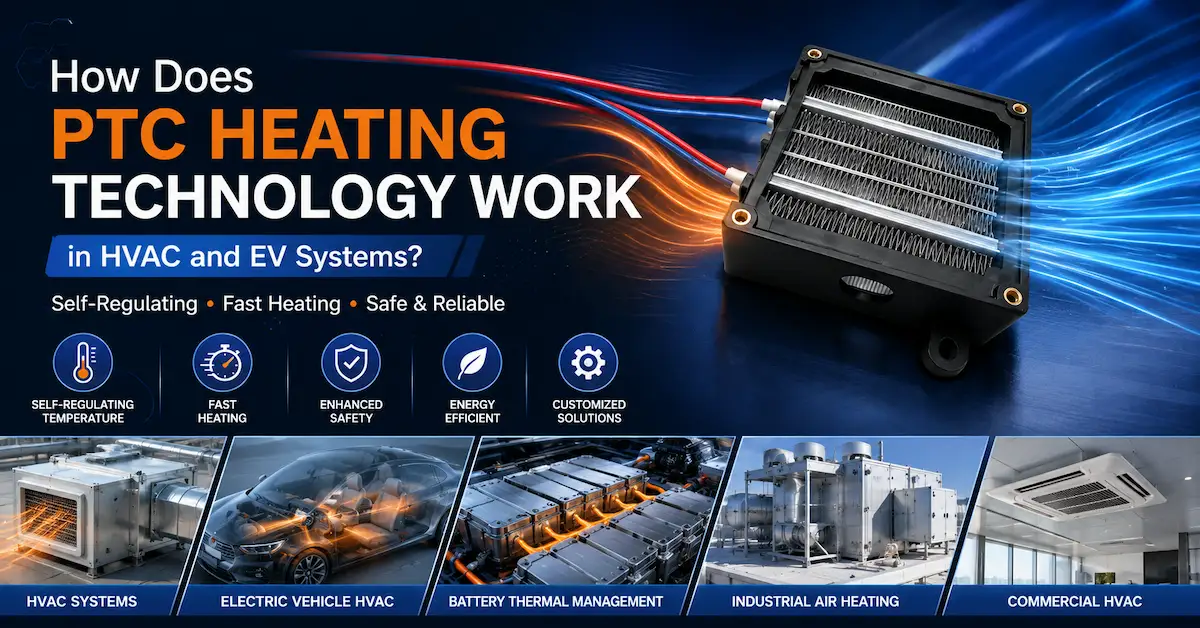
How Does PTC Heating Technology Work in HVAC and EV Systems?

How Does PTC Heating Technology Work in HVAC and EV Systems?

PTC Heating Technology provides self-regulating electric heating for HVAC, electric vehicles, industrial equipment and thermal management systems. This guide explains the ceramic heating principle, key advantages, heater types, application differences and selection factors that OEM engineers and buyers should evaluate before choosing a PTC heating solution.

Read More
PTC Heater for HVAC System: Working Principle, Applications and Selection Guide

PTC Heater for HVAC System: Working Principle, Applications and Selection Guide

PTC heaters for HVAC systems provide efficient and reliable heating solutions for automotive, industrial and commercial applications. This guide explains how PTC heaters work, their advantages, applications and how to select a suitable supplier for customized HVAC heating requirements.

Read More
PTC Heater for Electric Vehicle: How to Choose the Right EV Heating Solution

PTC Heater for Electric Vehicle: How to Choose the Right EV Heating Solution

PTC heaters for electric vehicles provide efficient cabin heating and battery thermal management solutions in cold environments. This guide explains how EV manufacturers can select suitable PTC heaters based on heating performance, safety, energy efficiency, customization and supplier capability.

Read More
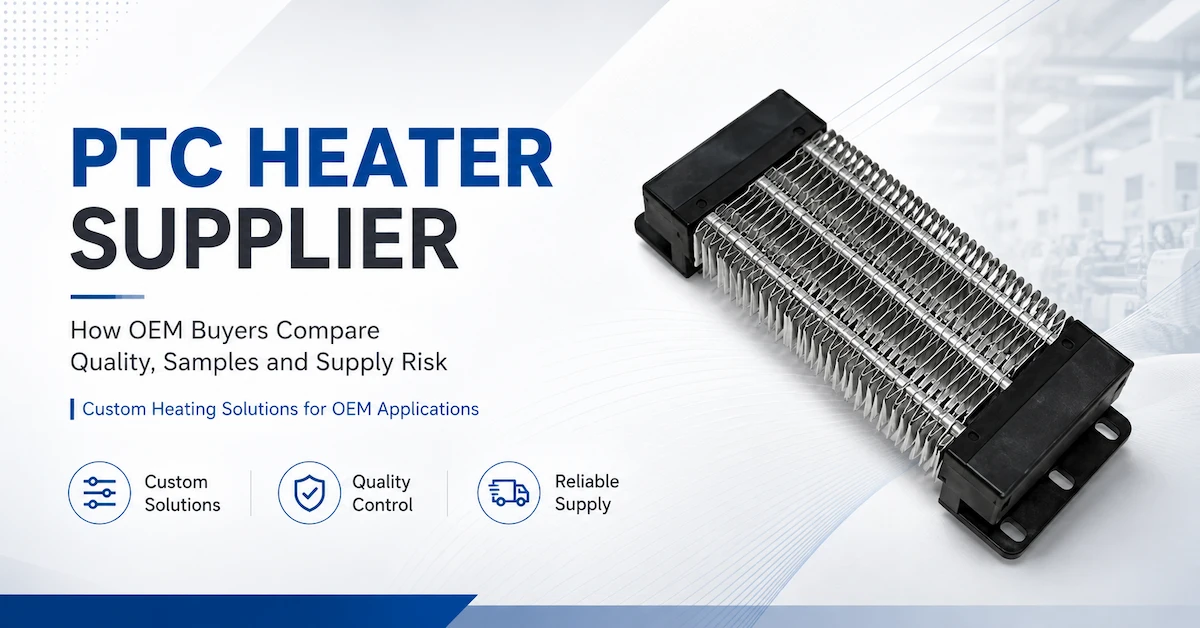
PTC Heater Supplier Guide: How OEM Buyers Compare Quality, Samples and Supply Risk

PTC Heater Supplier Guide: How OEM Buyers Compare Quality, Samples and Supply Risk

Choosing a PTC Heater Supplier involves more than comparing wattage and unit price. This guide helps OEM buyers evaluate technical support, customization, sample testing, quality control, quotations, lead time and long-term supply reliability before approving a heating partner.

Read More
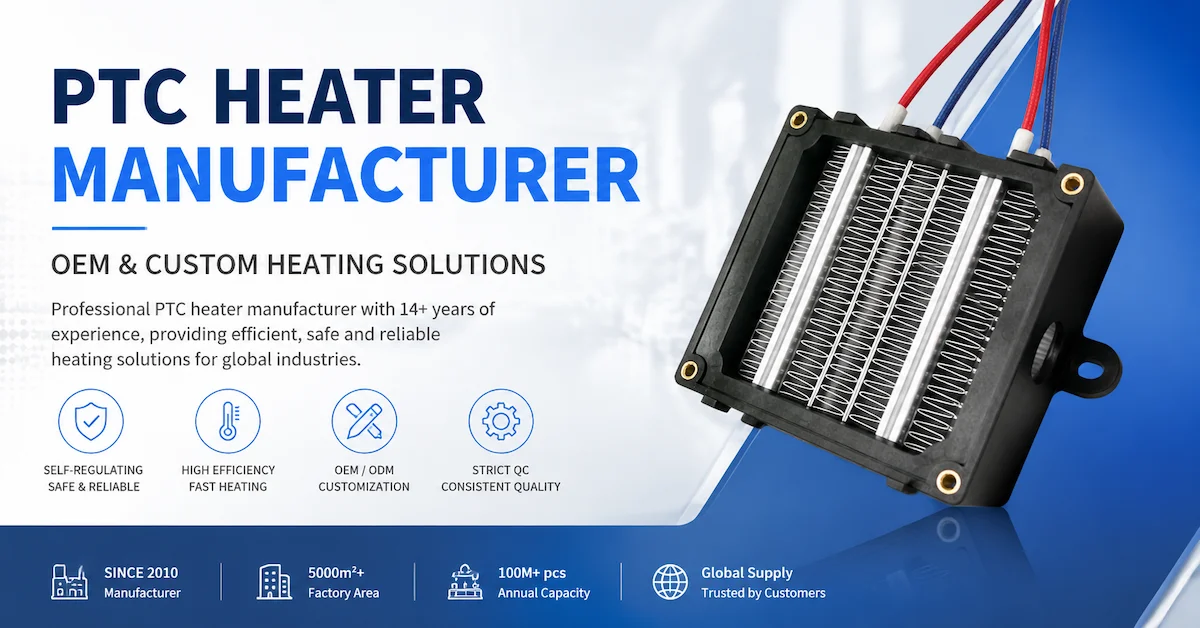
PTC Heater Manufacturer: How to Choose the Right OEM Partner

PTC Heater Manufacturer: How to Choose the Right OEM Partner

Choosing the right PTC heater manufacturer requires more than comparing price and wattage. This guide explains how OEM buyers can evaluate engineering capability, customization, sample testing, quality control, production consistency, cost, and RFQ requirements before selecting a long-term supplier.

Read More
48256 Cross Flow Fan: The Ultimate Guide to Efficient, Low-Noise Airflow

48256 Cross Flow Fan: The Ultimate Guide to Efficient, Low-Noise Airflow

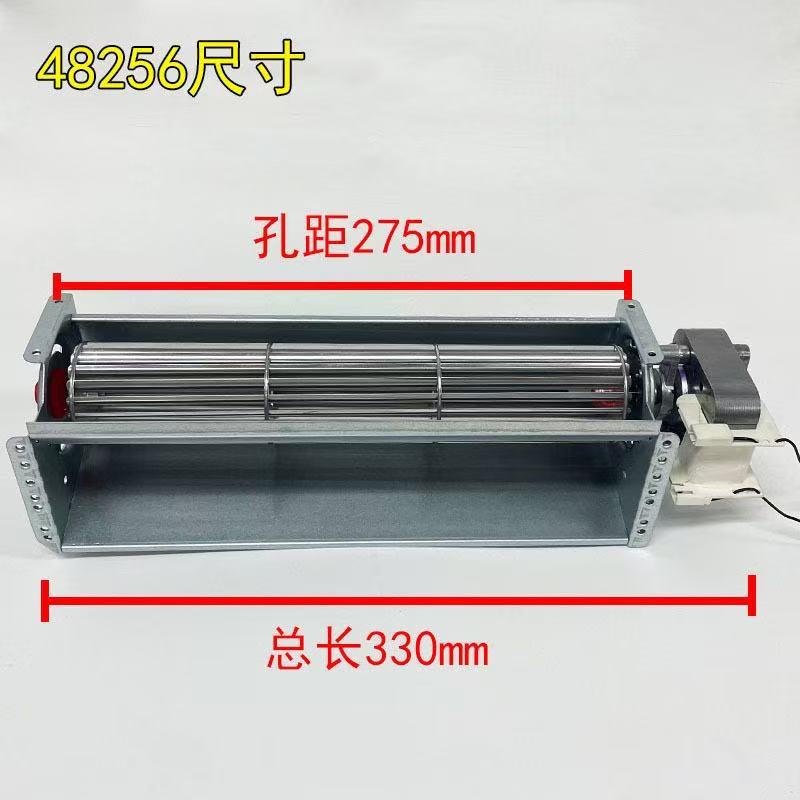
When it comes to moving air efficiently in tight spaces, few solutions match the performance of a cross flow fan (tangential fan). The 48256 model shown in the image is a prime example of this engineering marvel, designed to deliver consistent, low-noise airflow for a wide range of heating, ventilation, and industrial applications. Let’s break down what makes this fan such a versatile and reliable choice.

Read More
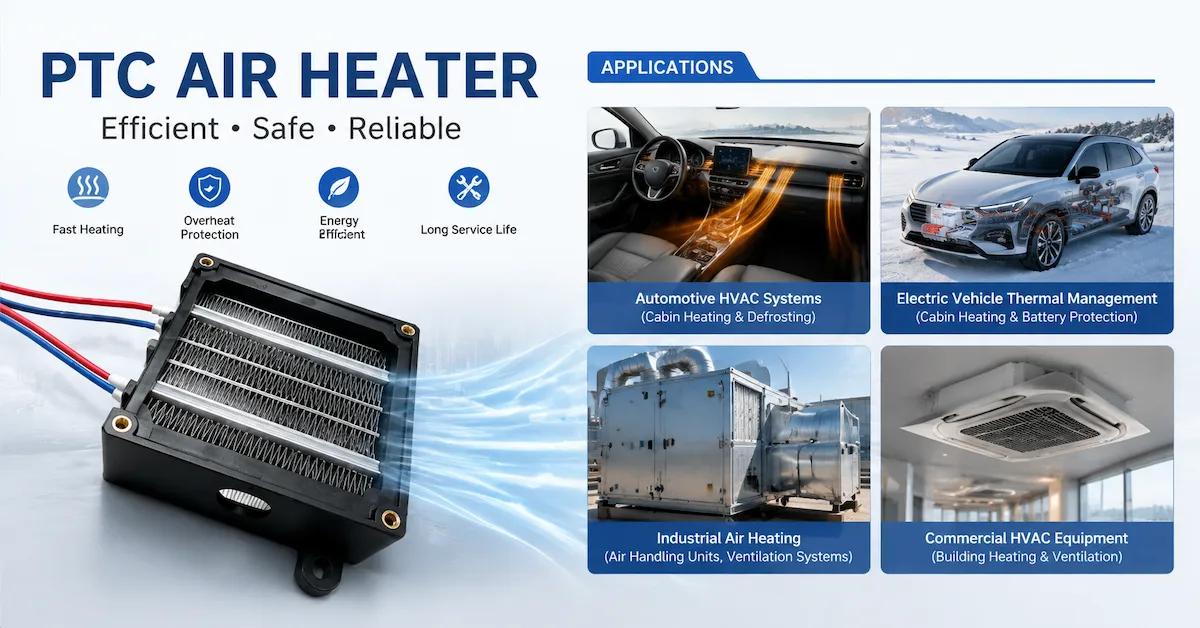
Why Our PTC Air Heaters Are the Smart, Safe Choice for Modern Air Heating

Why Our PTC Air Heaters Are the Smart, Safe Choice for Modern Air Heating

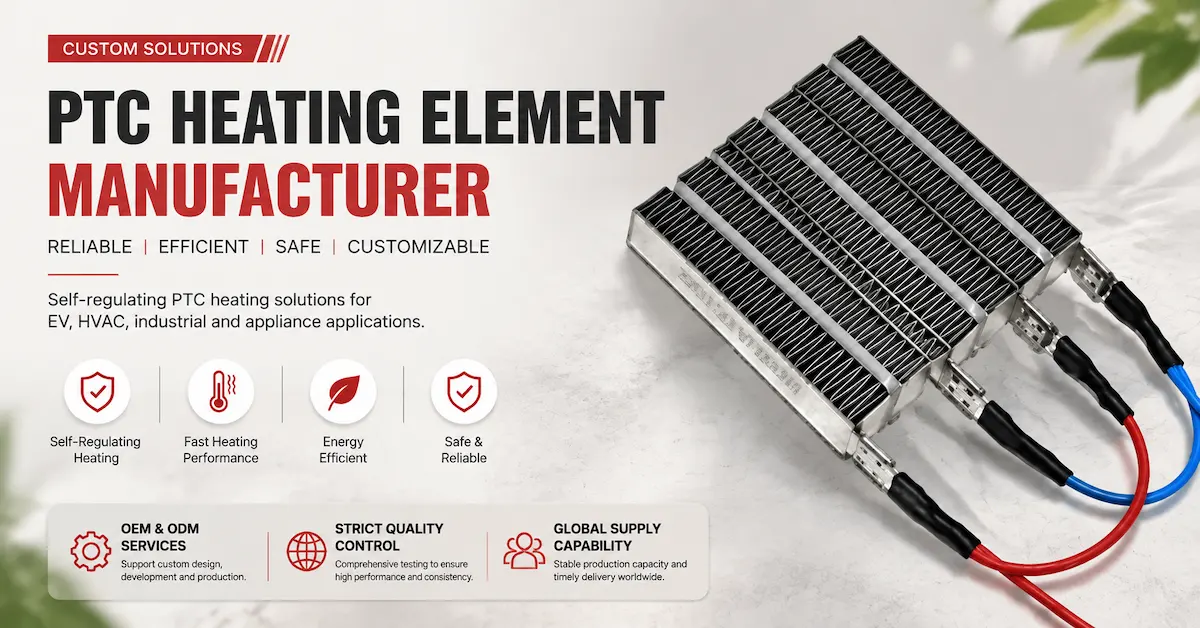
If you’ve ever dealt with unreliable heating elements, energy waste, or safety concerns in your air heating systems, it’s time to meet the solution: PTC (Positive Temperature Coefficient) air heaters. These compact, powerful modules are more than just heating components—they’re engineered to deliver consistent, safe, and efficient heat across countless applications, and our line of customizable models (as seen in the image) is built to exceed expectations.

Read More
The Complete Guide to PTC Fan Heaters for Industrial Cabinet Protection

The Complete Guide to PTC Fan Heaters for Industrial Cabinet Protection

Industrial automation relies on sensitive electronics housed within control cabinets, but these enclosures face a constant threat: temperature fluctuations. Condensation in humid conditions, freezing in cold climates, and component stress from temperature swings can lead to malfunctions, downtime, and costly repairs. To solve this, engineers are increasingly turning to integrated PTC Fan Heaters – a robust, intelligent solution designed for reliability. Available in key power ratings like 150W, 300W, 400W, and 600W, these units are the guardians of critical electrical systems.

Read More