Custom PTC solutions from prototype to mass production.

PTC Heating Film: The Smart, Efficient Future of Warmth

PTC Heating Film: The Smart, Efficient Future of Warmth

PTC Heater
Jan 05, 2026•Posted by Dongguan Tianrui Electronics Co., Ltd.

Tired of cold floors, inefficient heaters, and high energy bills? Modern heating technology offers a superior solution: Positive Temperature Coefficient (PTC) Heating Film. This innovative material is revolutionizing how we deliver warmth in homes, offices, and industrial settings. But what exactly is it, and why is it gaining so much popularity?

What is PTC Heating Film?

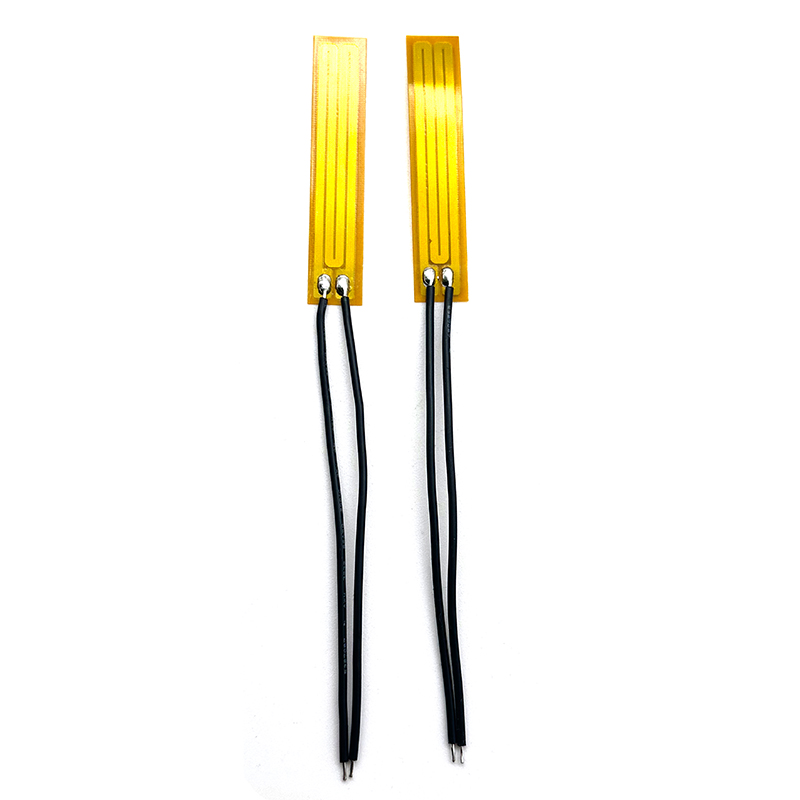
PTC heating film is a thin, flexible laminate that generates heat when electricity passes through its conductive carbon-based ink or elements. Its "smart" core lies in the PTC effect: as the film's temperature rises, its electrical resistance increases dramatically. This causes it to automatically reduce its power consumption as it reaches its optimal temperature. Unlike traditional constant-resistance heaters, it is inherently self-regulating and temperature-limiting.

Key Benefits & Why It Stands Out

  1. Energy Efficiency & Self-Regulation: This is its biggest advantage. The PTC film adjusts its heat output based on the ambient temperature, preventing overheating and wasting energy. It consumes less power to maintain warmth, leading to significant savings.

  2. Enhanced Safety: The self-limiting nature means no dangerous overheating. Even if covered or folded, the film simply reduces output, drastically lowering fire risks compared to old-style wires or cables.

  3. Uniform, Comfortable Heat: It acts as a large, radiant heating surface, distributing heat evenly without cold spots. This creates a more natural and comfortable warmth, similar to sunlight.

  4. Ultra-Thin & Flexible: Being incredibly thin (often less than 1mm) and flexible, it can be installed under vinyl planks, laminate, engineered wood, behind wall panels, or even in ceilings with minimal space intrusion.

  5. Simple Integration & Zoning: It’s perfect for creating customized heating zones. You can easily heat a specific bathroom floor, a living room wall, or a workshop area independently for optimal control.

Primary Applications

  • Radiant Floor Heating: The most popular residential use. Installed under finishing floors, it provides luxurious, toe-warming comfort.

  • Wall & Ceiling Heating: Creates invisible heating panels that combat dampness and provide consistent ambient warmth.

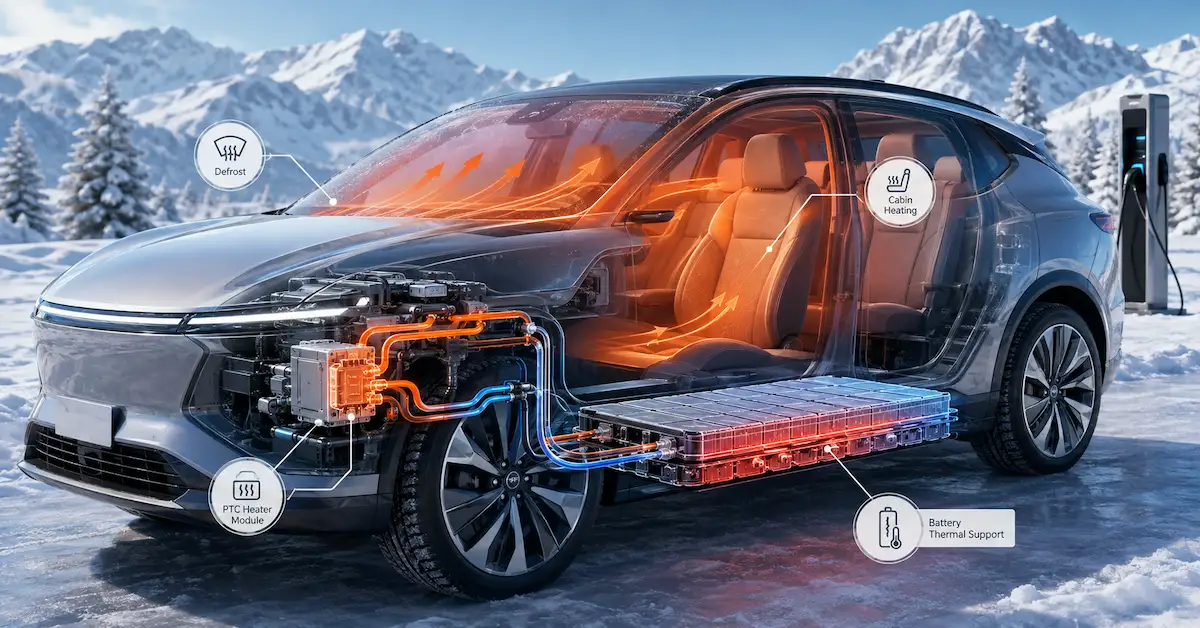
  • Industrial & Specialized Uses: Used for pipe freeze protection, mirror defoggers, vehicle seat warmers, agricultural heating (e.g., brooders), and medical therapy devices.

Installation Considerations

PTC heating film is typically a dry-install system. It rolls out over a thermal underlay, is connected to a power lead, and covered directly by the floor finish. Crucially, it must be controlled by a dedicated thermostat with a floor sensor to maximize efficiency and protection. While DIY is possible, professional installation is recommended to ensure proper electrical connections and system integrity.

Is PTC Heating Film Right for You?

If you value safety, lower running costs, and comfortable radiant heat, PTC film is an outstanding choice. It’s ideal for renovations due to its low profile and excellent for new builds aiming for modern, efficient heating.

Conclusion

PTC heating film represents a significant leap forward in electric heating technology. By merging efficiency, safety, and comfort in a sleek package, it provides a versatile and intelligent solution for nearly any heating need. As we seek smarter ways to manage energy and comfort in our spaces, PTC film stands out as a truly warm innovation.

Upgrade your comfort. Embrace efficient warmth with PTC technology.
Featured Blogs

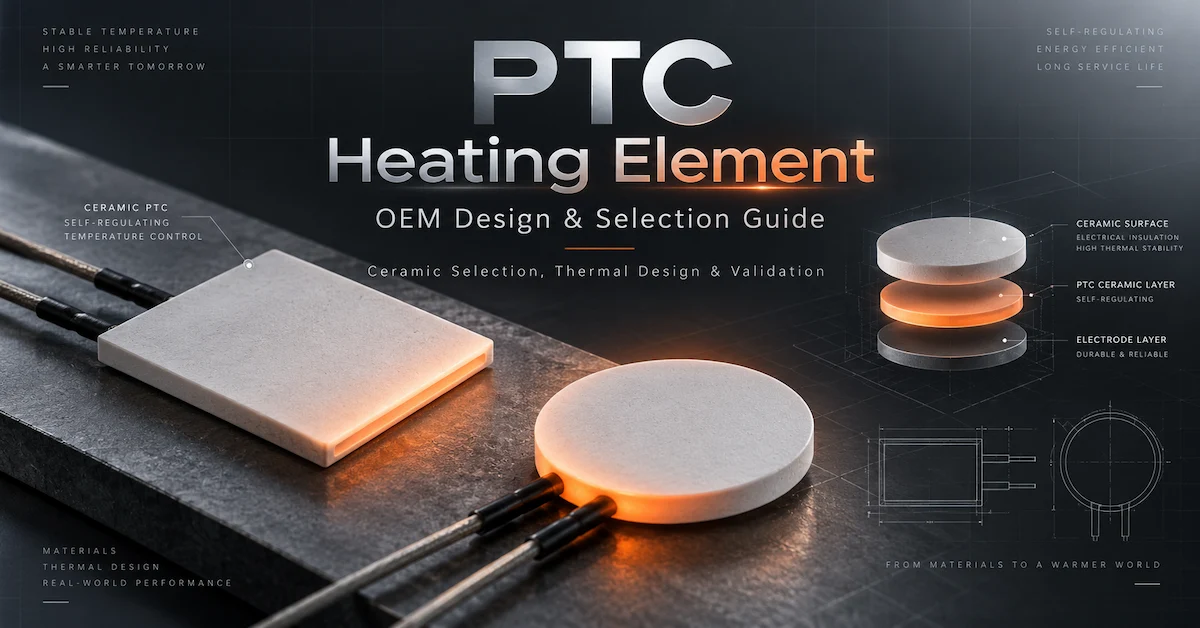
PTC Heating Element for OEM Equipment: Ceramic Selection, Thermal Design, and Validation Guide

PTC Heating Element for OEM Equipment: Ceramic Selection, Thermal Design, and Validation Guide

Selecting the right PTC Heating Element requires more than matching a voltage or Curie temperature: ceramic geometry, electrical behavior, thermal contact, and operating conditions determine the result inside an OEM product. This engineering-focused guide explains how to choose PTC ceramic elements for appliance, HVAC, and industrial designs, evaluate Tianrui product options, validate prototypes, and prepare an actionable custom-heating RFQ.

Read More
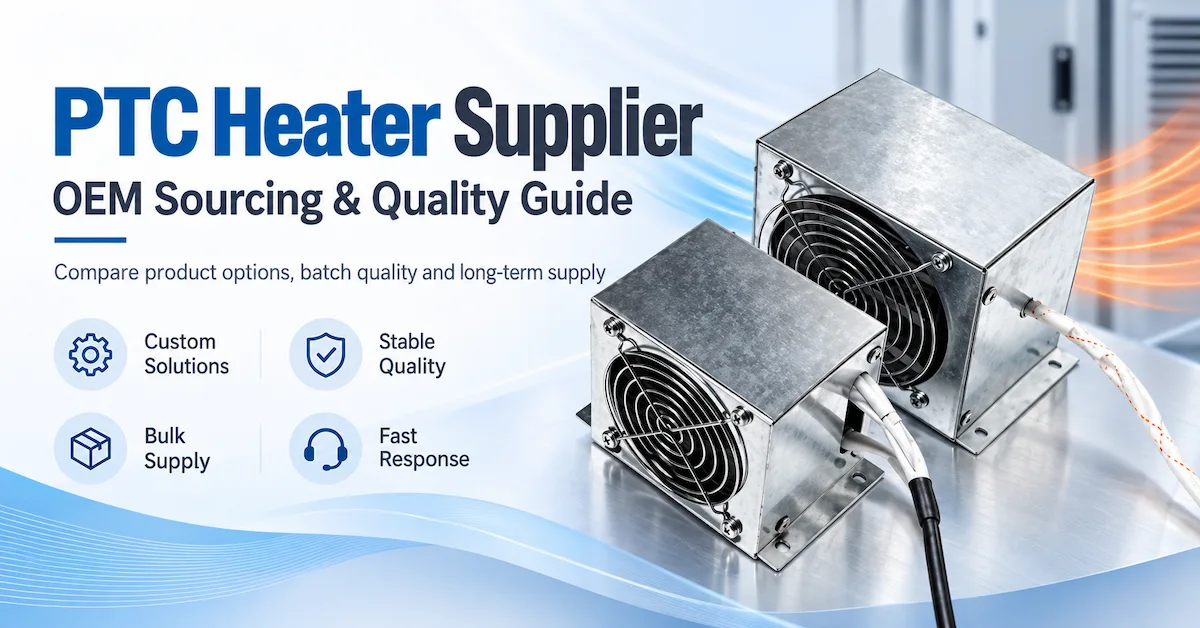
PTC Heater Supplier for OEM Production: How to Compare Quotations, Batch Quality, and Long-Term Supply

PTC Heater Supplier for OEM Production: How to Compare Quotations, Batch Quality, and Long-Term Supply

Choosing the right PTC Heater Supplier is essential for OEM manufacturers that need consistent heating performance, competitive procurement costs, and dependable repeat deliveries. This comprehensive sourcing guide explains how to compare PTC heater suppliers, evaluate product configurations, negotiate quotations, verify batch quality, manage supply risks, and establish reliable OEM/ODM purchasing relationships for household appliances, HVAC systems, industrial equipment, and electric vehicle applications.

Read More
PTC Heater Manufacturer for OEM Equipment: Engineering Validation, Quality Control, and Sourcing Guide

PTC Heater Manufacturer for OEM Equipment: Engineering Validation, Quality Control, and Sourcing Guide

Choosing a reliable PTC Heater Manufacturer requires more than comparing heating power, unit price, and catalog specifications. This comprehensive OEM sourcing guide explains how to evaluate PTC heater designs, calculate application requirements, validate thermal performance, assess manufacturing quality, and prepare technical RFQs for household appliances, industrial equipment, HVAC systems, and electric vehicle applications.

Read More
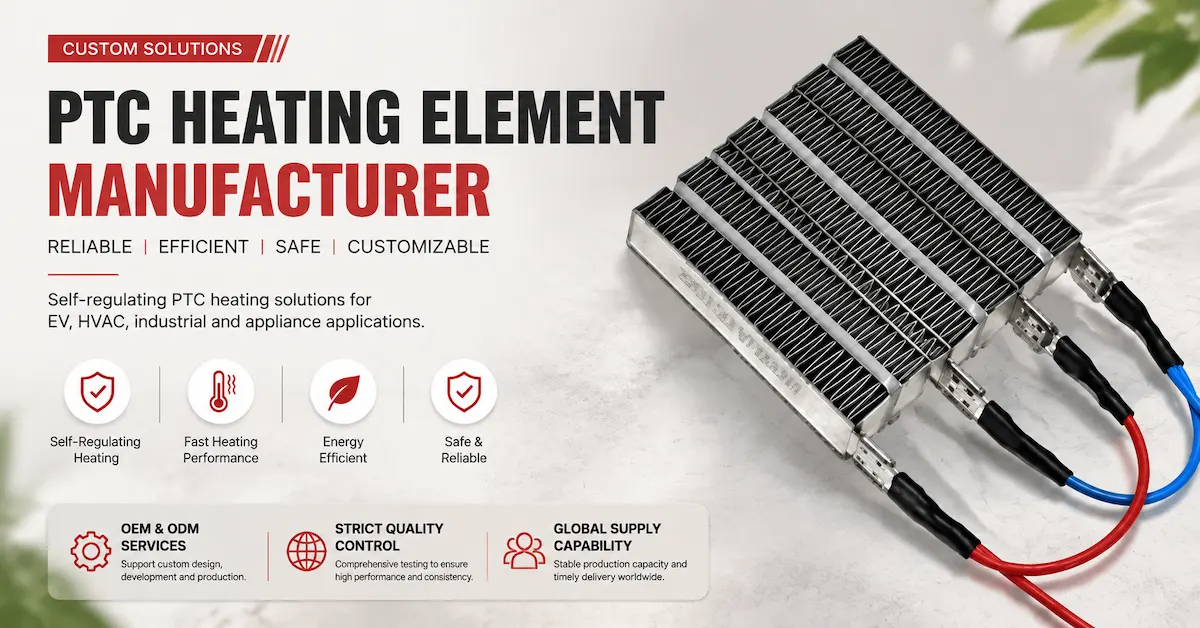
PTC Heating Element Manufacturer: OEM Guide for Custom Heating Solutions

PTC Heating Element Manufacturer: OEM Guide for Custom Heating Solutions

Choosing the right PTC Heating Element Manufacturer is essential for stable heating performance, safety and long-term supply reliability. This guide explains PTC heating element structures, applications, customization options, manufacturing processes and key factors OEM buyers should evaluate before selecting a supplier.

Read More
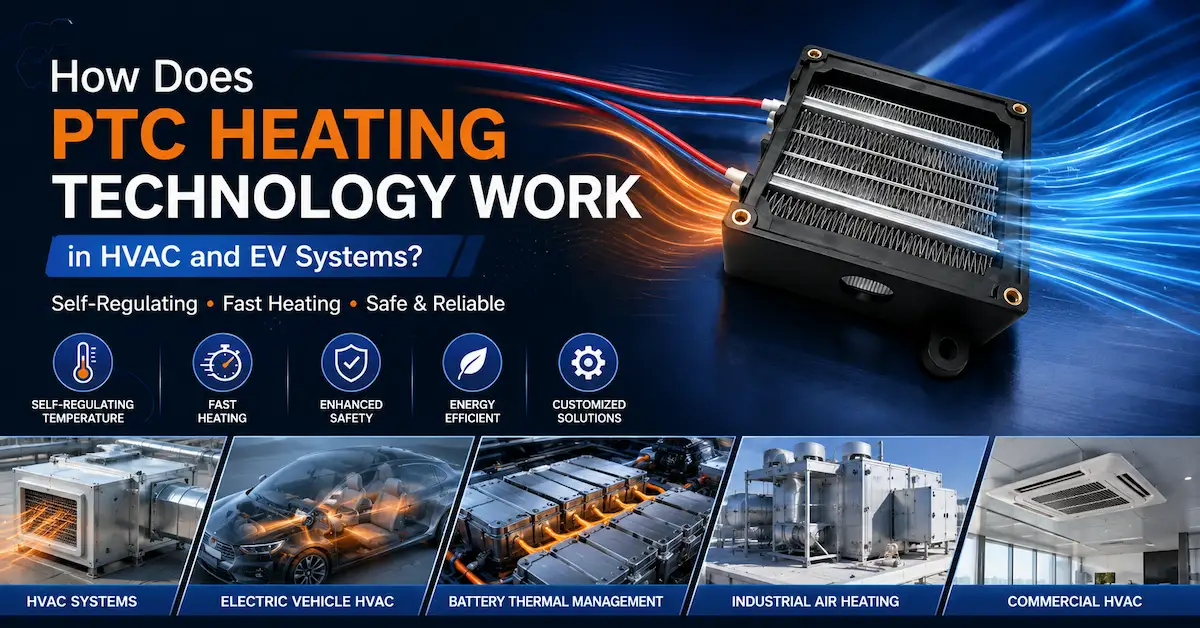
How Does PTC Heating Technology Work in HVAC and EV Systems?

How Does PTC Heating Technology Work in HVAC and EV Systems?

PTC Heating Technology provides self-regulating electric heating for HVAC, electric vehicles, industrial equipment and thermal management systems. This guide explains the ceramic heating principle, key advantages, heater types, application differences and selection factors that OEM engineers and buyers should evaluate before choosing a PTC heating solution.

Read More
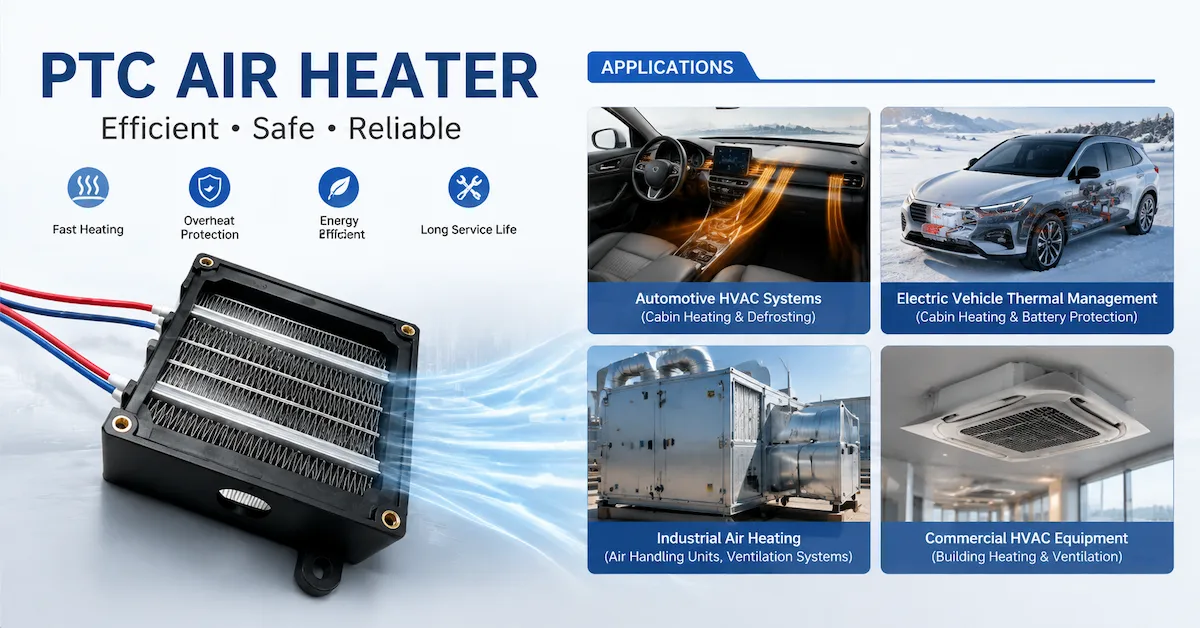
PTC Heater for HVAC System: Working Principle, Applications and Selection Guide

PTC Heater for HVAC System: Working Principle, Applications and Selection Guide

PTC heaters for HVAC systems provide efficient and reliable heating solutions for automotive, industrial and commercial applications. This guide explains how PTC heaters work, their advantages, applications and how to select a suitable supplier for customized HVAC heating requirements.

Read More
PTC Heater for Electric Vehicle: How to Choose the Right EV Heating Solution

PTC Heater for Electric Vehicle: How to Choose the Right EV Heating Solution

PTC heaters for electric vehicles provide efficient cabin heating and battery thermal management solutions in cold environments. This guide explains how EV manufacturers can select suitable PTC heaters based on heating performance, safety, energy efficiency, customization and supplier capability.

Read More
PTC Heater Supplier Guide: How OEM Buyers Compare Quality, Samples and Supply Risk

PTC Heater Supplier Guide: How OEM Buyers Compare Quality, Samples and Supply Risk

Choosing a PTC Heater Supplier involves more than comparing wattage and unit price. This guide helps OEM buyers evaluate technical support, customization, sample testing, quality control, quotations, lead time and long-term supply reliability before approving a heating partner.

Read More