Custom PTC solutions from prototype to mass production.

Efficient PTC Fin Heaters for Drying Equipment

Efficient PTC Fin Heaters for Drying Equipment

PTC Heater
Oct 29, 2025•Posted by Dongguan Tianrui Electronics Co., Ltd.

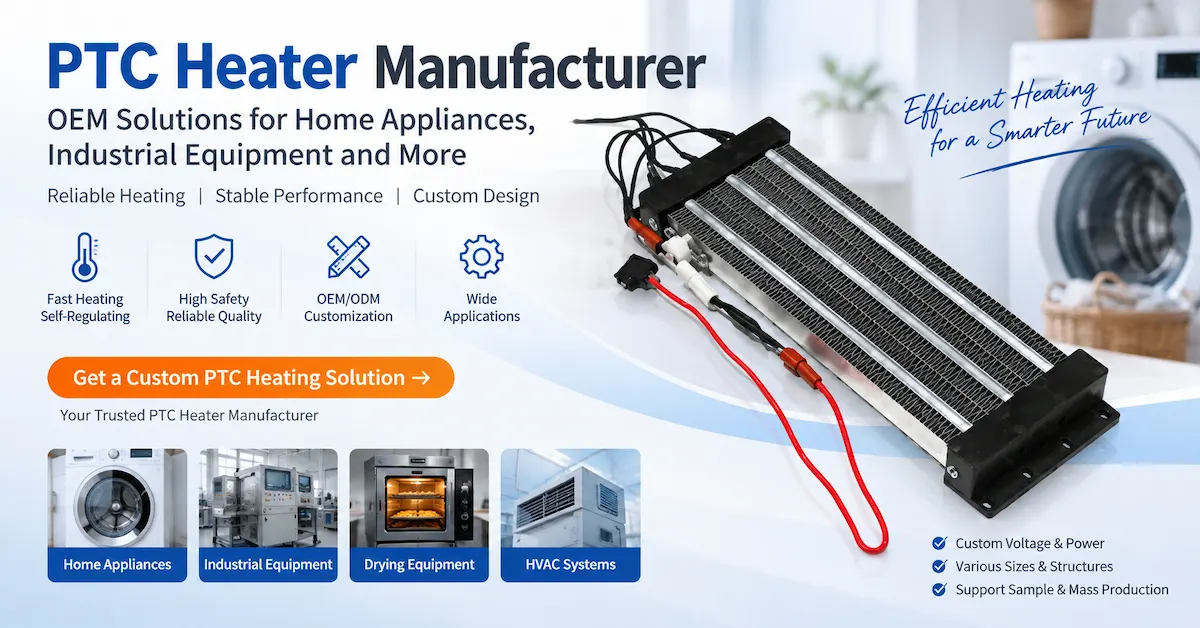
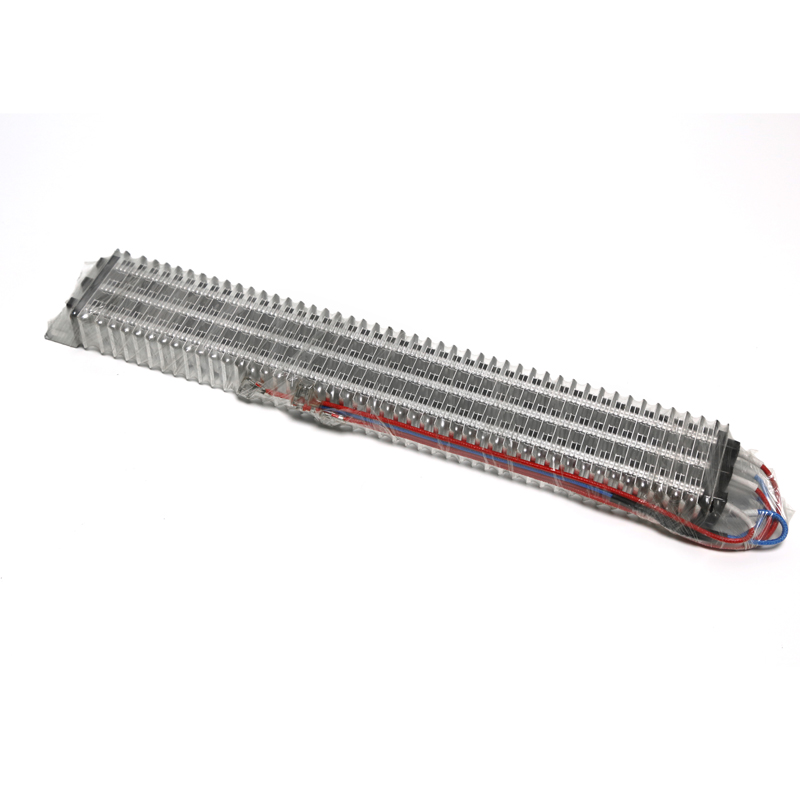
In the world of industrial drying, consistent and efficient heat is paramount. Traditional heating elements often face challenges like overheating, high energy consumption, and safety risks. This is where PTC (Positive Temperature Coefficient) fin heaters come in as a superior alternative.

PTC fin heaters are ceramic-based heating elements integrated with aluminum fins. The magic lies in the PTC ceramic material. Unlike conventional heaters, PTC heaters are self-regulating. As the temperature reaches a specific Curie point, their electrical resistance increases dramatically, causing the power to drop and preventing overheating. This intrinsic property eliminates the need for separate temperature controllers and cut-off switches in many applications, simplifying system design.

For drying equipment, this technology offers significant advantages:

  • Inherent Safety: The self-limiting nature prevents dangerous overheating, protecting both the product and the equipment.

  • Energy Efficiency: They automatically reduce power consumption once the target temperature is achieved, leading to substantial energy savings.

  • Uniform Heat Distribution: The large surface area of the aluminum fins ensures excellent heat dissipation and even air temperature across the drying chamber.

  • Long Lifespan: With no red-hot filaments and stable performance, PTC fin heaters offer exceptional durability and reliability.

Ideal for applications like industrial dryers, food dehydrators, and HVAC systems, PTC fin heaters provide a smarter, safer, and more efficient heating core. Upgrade your drying performance with this advanced thermal technology.
Featured Blogs

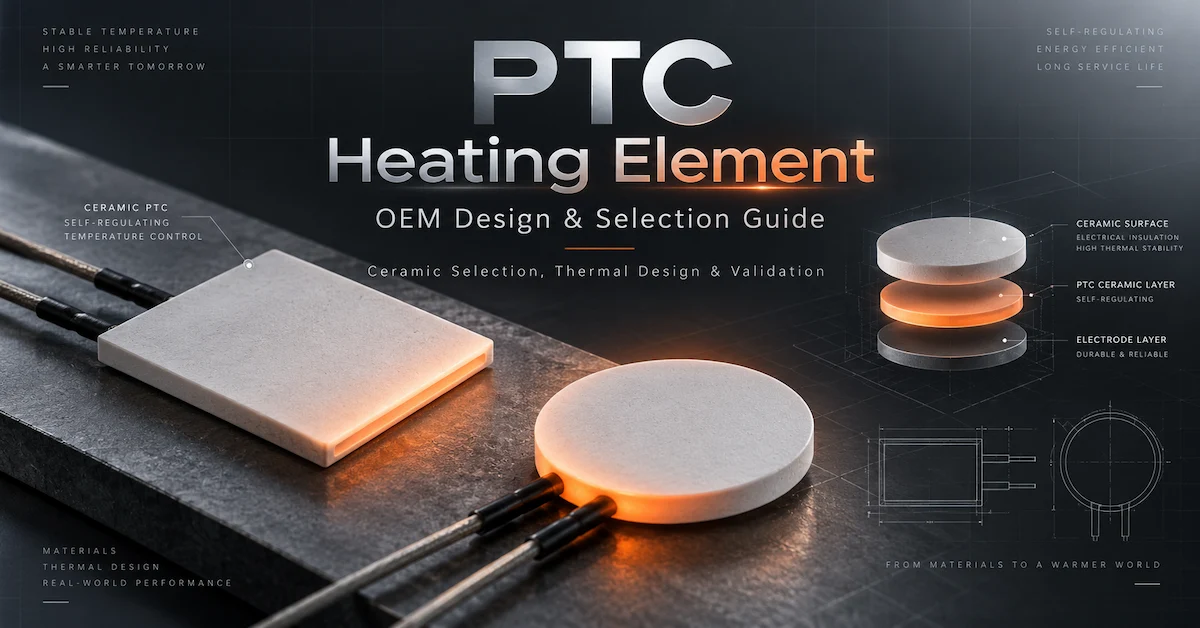
PTC Heating Element for OEM Equipment: Ceramic Selection, Thermal Design, and Validation Guide

PTC Heating Element for OEM Equipment: Ceramic Selection, Thermal Design, and Validation Guide

Selecting the right PTC Heating Element requires more than matching a voltage or Curie temperature: ceramic geometry, electrical behavior, thermal contact, and operating conditions determine the result inside an OEM product. This engineering-focused guide explains how to choose PTC ceramic elements for appliance, HVAC, and industrial designs, evaluate Tianrui product options, validate prototypes, and prepare an actionable custom-heating RFQ.

Read More
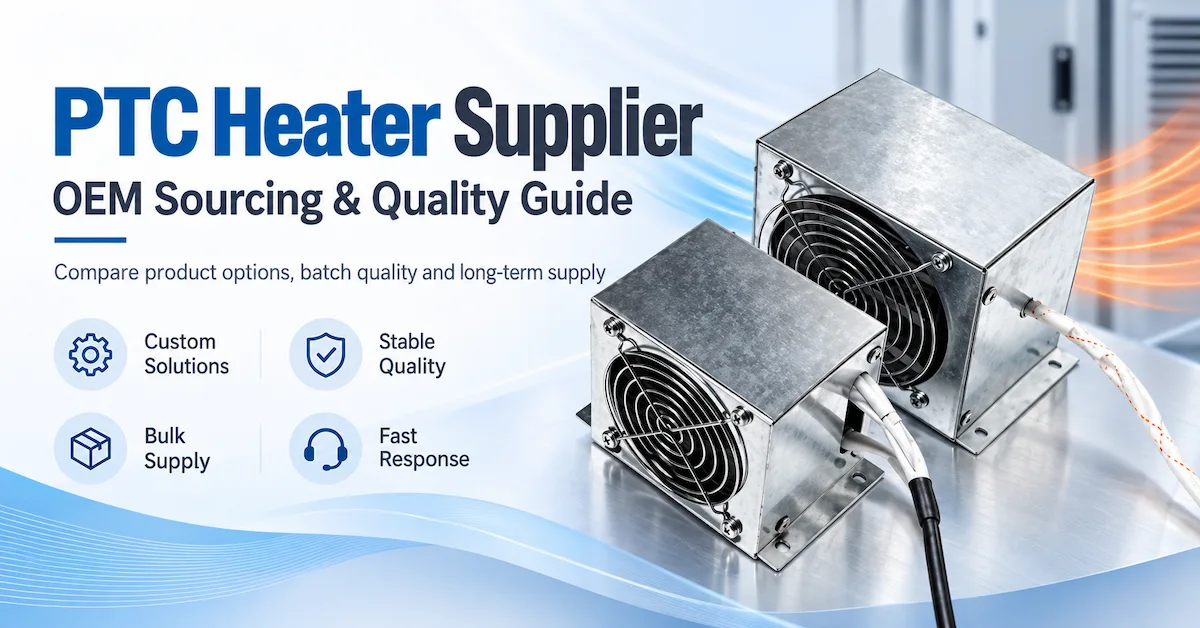
PTC Heater Supplier for OEM Production: How to Compare Quotations, Batch Quality, and Long-Term Supply

PTC Heater Supplier for OEM Production: How to Compare Quotations, Batch Quality, and Long-Term Supply

Choosing the right PTC Heater Supplier is essential for OEM manufacturers that need consistent heating performance, competitive procurement costs, and dependable repeat deliveries. This comprehensive sourcing guide explains how to compare PTC heater suppliers, evaluate product configurations, negotiate quotations, verify batch quality, manage supply risks, and establish reliable OEM/ODM purchasing relationships for household appliances, HVAC systems, industrial equipment, and electric vehicle applications.

Read More
PTC Heater Manufacturer for OEM Equipment: Engineering Validation, Quality Control, and Sourcing Guide

PTC Heater Manufacturer for OEM Equipment: Engineering Validation, Quality Control, and Sourcing Guide

Choosing a reliable PTC Heater Manufacturer requires more than comparing heating power, unit price, and catalog specifications. This comprehensive OEM sourcing guide explains how to evaluate PTC heater designs, calculate application requirements, validate thermal performance, assess manufacturing quality, and prepare technical RFQs for household appliances, industrial equipment, HVAC systems, and electric vehicle applications.

Read More
PTC Heating Element Manufacturer: OEM Guide for Custom Heating Solutions

PTC Heating Element Manufacturer: OEM Guide for Custom Heating Solutions

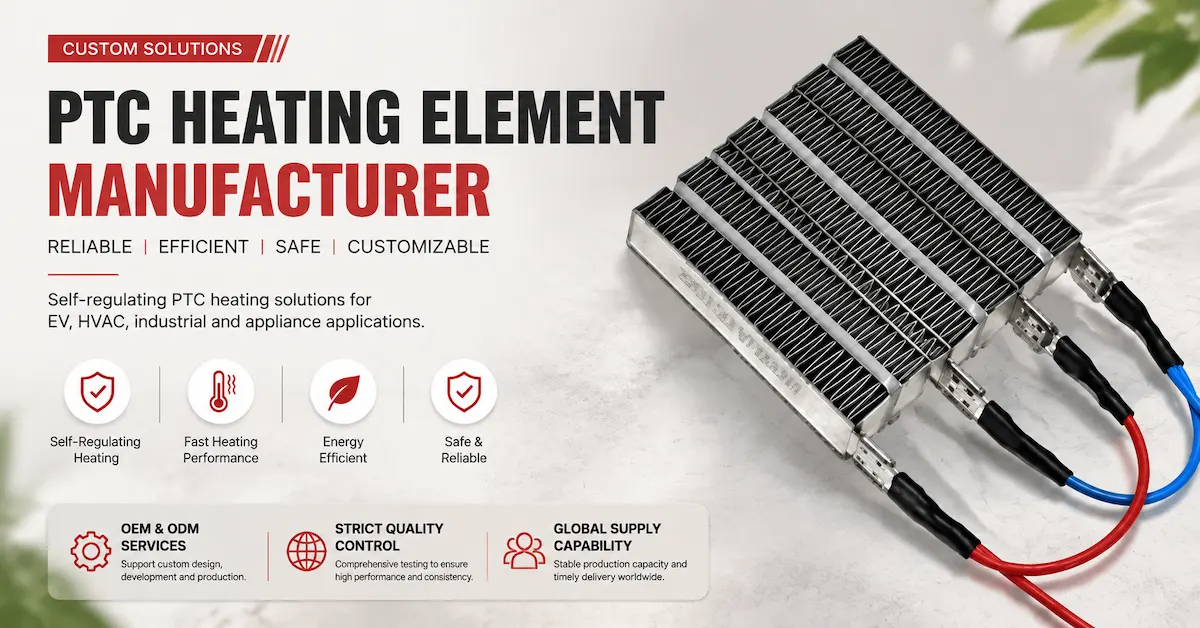
Choosing the right PTC Heating Element Manufacturer is essential for stable heating performance, safety and long-term supply reliability. This guide explains PTC heating element structures, applications, customization options, manufacturing processes and key factors OEM buyers should evaluate before selecting a supplier.

Read More
How Does PTC Heating Technology Work in HVAC and EV Systems?

How Does PTC Heating Technology Work in HVAC and EV Systems?

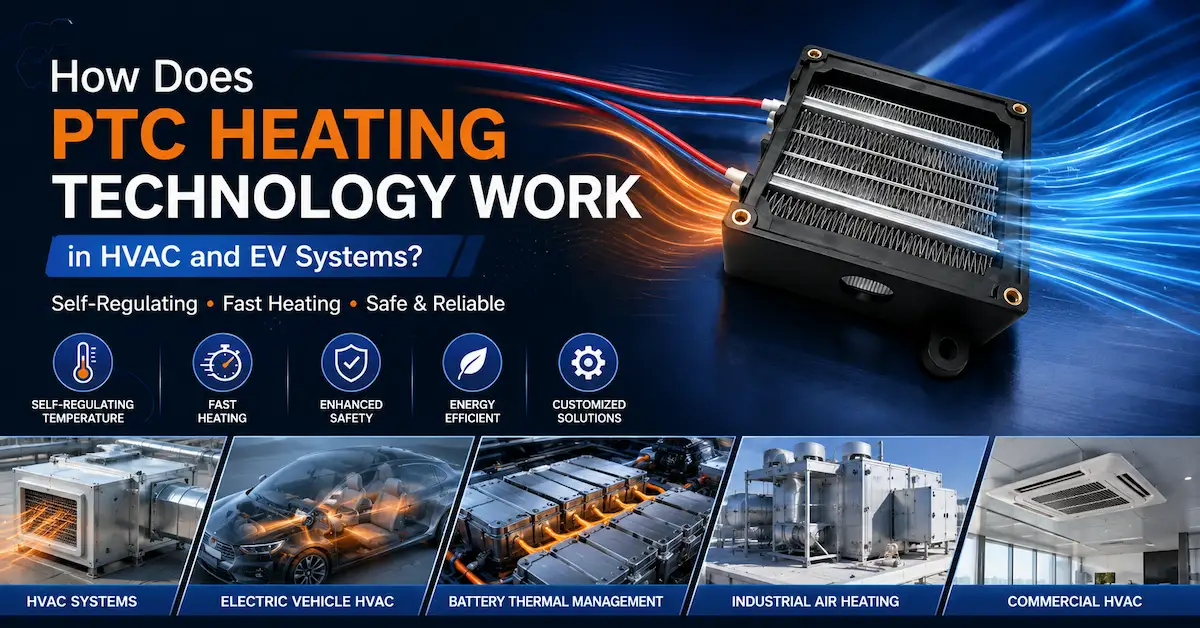
PTC Heating Technology provides self-regulating electric heating for HVAC, electric vehicles, industrial equipment and thermal management systems. This guide explains the ceramic heating principle, key advantages, heater types, application differences and selection factors that OEM engineers and buyers should evaluate before choosing a PTC heating solution.

Read More
PTC Heater for HVAC System: Working Principle, Applications and Selection Guide

PTC Heater for HVAC System: Working Principle, Applications and Selection Guide

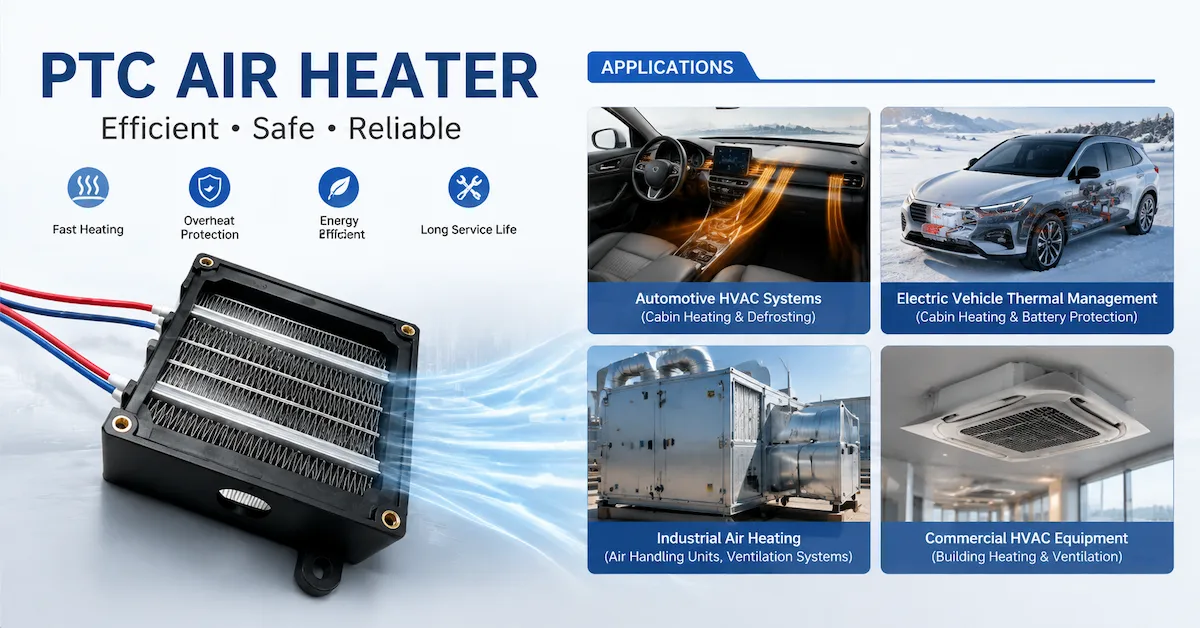
PTC heaters for HVAC systems provide efficient and reliable heating solutions for automotive, industrial and commercial applications. This guide explains how PTC heaters work, their advantages, applications and how to select a suitable supplier for customized HVAC heating requirements.

Read More
PTC Heater for Electric Vehicle: How to Choose the Right EV Heating Solution

PTC Heater for Electric Vehicle: How to Choose the Right EV Heating Solution

PTC heaters for electric vehicles provide efficient cabin heating and battery thermal management solutions in cold environments. This guide explains how EV manufacturers can select suitable PTC heaters based on heating performance, safety, energy efficiency, customization and supplier capability.

Read More
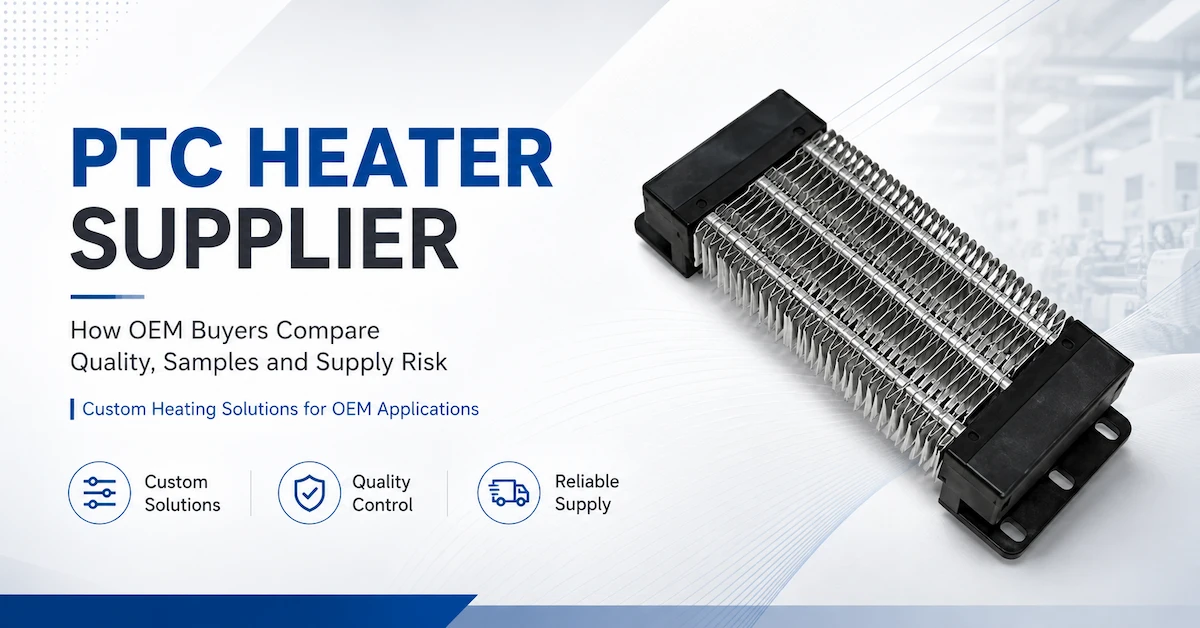
PTC Heater Supplier Guide: How OEM Buyers Compare Quality, Samples and Supply Risk

PTC Heater Supplier Guide: How OEM Buyers Compare Quality, Samples and Supply Risk

Choosing a PTC Heater Supplier involves more than comparing wattage and unit price. This guide helps OEM buyers evaluate technical support, customization, sample testing, quality control, quotations, lead time and long-term supply reliability before approving a heating partner.

Read More