
Dongguan Tianrui Electronics Co., Ltd.
Dongguan Tianrui Electronics Co., Ltd. logo
Protect Your Gear: The Essential Role of PTC Fan Heaters in Electronic Cabinets

Protect Your Gear: The Essential Role of PTC Fan Heaters in Electronic Cabinets

PTC Heater
Dec 16, 2025Posted by Dongguan Tianrui Electronics Co., Ltd.

Sensitive electronics in server racks, control cabinets, and telecom enclosures face a silent threat: not just heat, but also cold, humidity, and condensation. While cooling gets most of the attention, maintaining a stable, warm, and dry internal environment is equally critical. This is where the intelligent solution of PTC fan heaters comes into play.

The Problem: More Than Just Overheating
Electronic cabinets located in unheated warehouses, outdoor sites, or subject to daily temperature swings are vulnerable. Cold starts can stress components, while condensation forming on circuit boards can lead to corrosion, short circuits, and catastrophic failures. Traditional constant-wattage heaters waste energy and risk overheating, creating a new problem while solving another.

The Solution: Intelligent Cabinet Climate Control
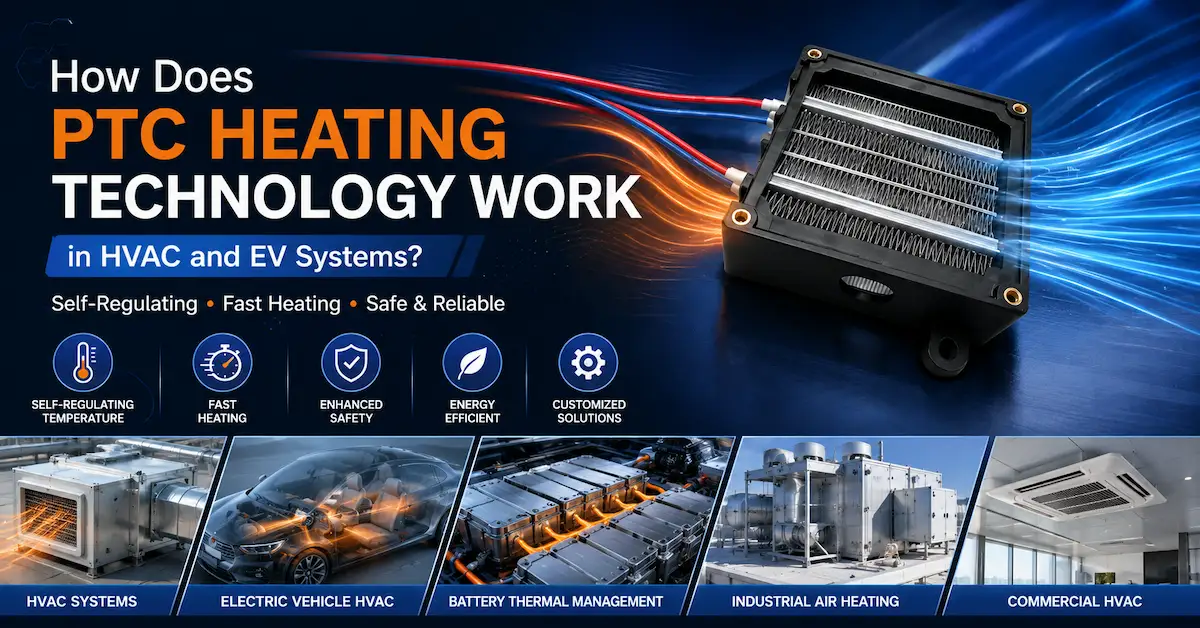
A PTC (Positive Temperature Coefficient) fan heater is a self-regulating marvel. Its ceramic heating element naturally increases its electrical resistance as it gets hotter. When the cabinet's internal temperature drops below a set point, the heater provides strong, rapid warmth. As the target temperature is approached, the PTC material automatically reduces its power draw, maintaining a precise temperature without cycling on and off.

Key Advantages for Cabinet Protection:

  1. Self-Regulating & Safe: No external thermostat required. It inherently prevents overheating, protecting both the heater and your valuable equipment.

  2. Energy Efficient: It only uses the power needed, cutting energy waste compared to conventional heaters that run at full blast.

  3. Condensation Prevention: By maintaining a constant temperature just above the ambient dew point, it effectively eliminates moisture buildup.

  4. Compact & Integrated: Designed to fit standard cabinet mounting patterns, often combining the heater and a low-noise fan in one unit for even heat distribution.

  5. Reliable Operation: Ensures smooth cold starts and stable performance for sensitive components like PLCs, servers, and communication gear.

Typical Applications:

  • IT & Server Rooms: In peripheral or edge cabinets located in colder zones.

  • Industrial Control Panels: Protecting PLCs, drives, and instrumentation in factories.

  • Telecommunications: Ensuring uptime for outdoor enclosures and remote cabinets.

  • Medical & Laboratory Equipment: Maintaining stable temperatures for sensitive devices.

Conclusion
A cabinet's environmental control system isn't complete without a plan for cold and damp conditions. A PTC fan heater is not just a heater; it's an intelligent, set-and-forget climate guardian. It provides a simple, reliable, and efficient layer of protection that prevents costly downtime and extends the lifespan of your critical electronic investments.

Before the next cold snap or humidity spike hits, consider if your cabinets are fully protected. Integrating a PTC fan heater is a smart step toward total environmental resilience.

Featured Blogs

The Complete Guide to PTC Fan Heaters for Industrial Cabinet Protection

The Complete Guide to PTC Fan Heaters for Industrial Cabinet Protection

Industrial automation relies on sensitive electronics housed within control cabinets, but these enclosures face a constant threat: temperature fluctuations. Condensation in humid conditions, freezing in cold climates, and component stress from temperature swings can lead to malfunctions, downtime, and costly repairs. To solve this, engineers are increasingly turning to integrated PTC Fan Heaters – a robust, intelligent solution designed for reliability. Available in key power ratings like 150W, 300W, 400W, and 600W, these units are the guardians of critical electrical systems.

Read More
The Smart Way to Heat Liquids: A Guide to PTC Immersion Heating Rods

The Smart Way to Heat Liquids: A Guide to PTC Immersion Heating Rods

When your application requires precise and reliable heating of a liquid—whether it's water in a tank, oil in a reservoir, or a chemical in a process bath—the heating element you choose is critical. Enter the Immersion Water Heater Element with PTC (Positive Temperature Coefficient) technology. This isn't your standard heating coil; it's an intelligent, self-regulating solution that offers superior safety and efficiency. Let's dive into what makes these tubular heating rods a game-changer for liquid temperature control.

Read More
High-Power PTC Heaters: The Future of Efficient, Self-Regulating Industrial Heating

High-Power PTC Heaters: The Future of Efficient, Self-Regulating Industrial Heating

When it comes to industrial heating, efficiency, safety, and reliability are not just benefits—they are necessities. Enter the High-Power PTC (Positive Temperature Coefficient) Heater, a game-changing technology that is redefining thermal management in demanding environments. Unlike traditional resistive heaters that require external controls to prevent overheating, PTC heaters are inherently smart. Their core ceramic material possesses a unique property: electrical resistance increases dramatically at a specific Curie temperature. This simple physical principle translates into powerful real-world advantages.

Read More
The 220VAC 300W PTC Aluminum Heating Plate: The Smart, Safe Heart of Modern Appliances

The 220VAC 300W PTC Aluminum Heating Plate: The Smart, Safe Heart of Modern Appliances

In the world of heating elements, efficiency, safety, and longevity are paramount. While traditional resistance wire heaters have served us for decades, a newer technology has emerged as the superior choice for countless applications: the PTC (Positive Temperature Coefficient) heating element. Specifically, the 220VAC 300W PTC Aluminum Heating Plate represents a perfect blend of intelligent design and robust performance. Let's explore why this component is revolutionizing appliance design.

Read More
Efficient and Safe Heating Solutions: In-depth Understanding of the 1200W/1800W 220V Cross-Flow Fan PTC Heater

Efficient and Safe Heating Solutions: In-depth Understanding of the 1200W/1800W 220V Cross-Flow Fan PTC Heater

In applications requiring rapid, stable, and safe air heating, such as fresh air systems, air curtains, drying equipment, or duct heating, selecting the right heating component is crucial. Heater modules combining PTC ceramic heating technology with high-efficiency cross-flow fans are becoming a popular choice in modern HVAC and industrial applications. Today, we'll analyze this high-performance 1200W/1800W 220V cross-flow fan PTC heater in detail.

Read More
Ceramic PTC Heaters: The Smart Choice for Modern Heating

Ceramic PTC Heaters: The Smart Choice for Modern Heating

When it comes to efficient, safe, and compact heating solutions, ceramic PTC (Positive Temperature Coefficient) heaters are revolutionizing the industry. Unlike traditional heaters that rely on constant power and external controls, PTC heaters offer a built-in “brain” that makes them remarkably efficient and reliable.

Read More
Compact PTC Heaters: Your Efficient & Safe Solution for Instant Warmth

Compact PTC Heaters: Your Efficient & Safe Solution for Instant Warmth

Feeling a chill in your home office, bathroom, or a small living space? Traditional heaters often feel bulky, inefficient, or even unsafe. Enter the compact PTC heater – a modern marvel of heating technology that's changing how we stay warm.

Read More
PTC Heating Film: The Smart, Efficient Future of Warmth

PTC Heating Film: The Smart, Efficient Future of Warmth

Tired of cold floors, inefficient heaters, and high energy bills? Modern heating technology offers a superior solution: Positive Temperature Coefficient (PTC) Heating Film. This innovative material is revolutionizing how we deliver warmth in homes, offices, and industrial settings. But what exactly is it, and why is it gaining so much popularity?

Read More