Custom PTC solutions from prototype to mass production.

From Smartphones to New Energy Vehicles: A Panoramic View of the Ubiquitous NTC Thermistor

From Smartphones to New Energy Vehicles: A Panoramic View of the Ubiquitous NTC Thermistor

PTC Heater
Oct 21, 2025•Posted by Dongguan Tianrui Electronics Co., Ltd.

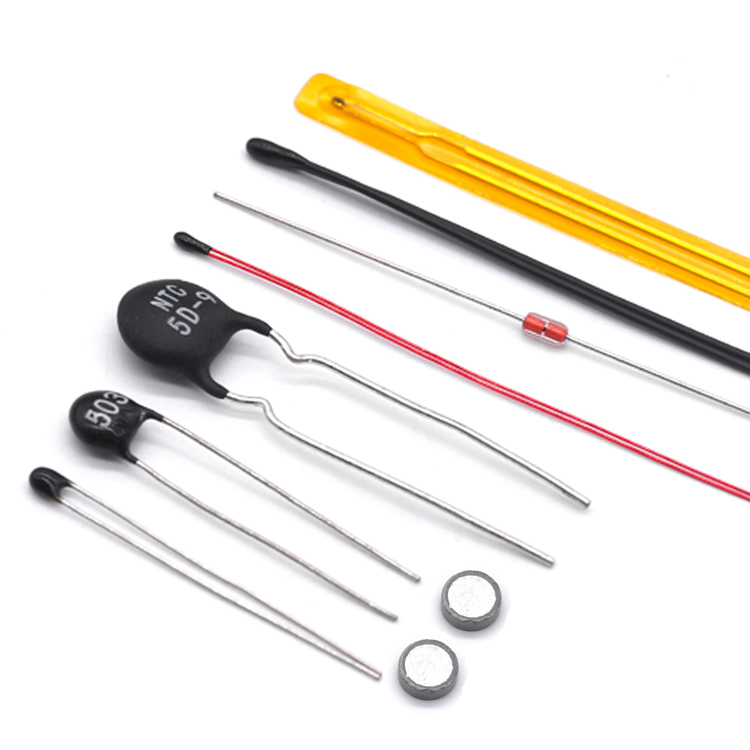
Look around you. From the device in your pocket to the future of transportation on the road, a tiny, powerful component is working behind the scenes to ensure safety, efficiency, and performance. This component is the NTC (Negative Temperature Coefficient) thermistor. Its unique ability to change resistance predictably with temperature makes it a silent guardian in a stunning array of modern technologies.

Let's take a journey through the vast application landscape of this indispensable sensor.

1. The Digital Companion: Consumer Electronics

In the world of consumer electronics, thermal management is critical for both safety and longevity. NTC thermistors are the first line of defense.

  • Smartphones & Laptops: They are embedded in battery packs to monitor temperature during fast charging, preventing overheating and potential thermal runaway. They also help manage processor temperature, preventing throttling and damage.

  • Wearables: In devices like smartwatches, they ensure accurate skin temperature or body temperature monitoring for health tracking.

  • Home Appliances: Your hair dryer, coffee maker, and refrigerator all use NTCs for precise temperature control, ensuring consistent performance and user safety.

2. The Green Revolution: New Energy Vehicles (NEVs) & Energy Storage

This is where the role of the NTC thermistor becomes mission-critical. In high-voltage, high-stakes environments, precise temperature monitoring is non-negotiable.

  • EV Battery Packs (BMS): The heart of an electric vehicle is its lithium-ion battery. NTC thermistors are strategically placed throughout the Battery Management System (BMS) to monitor the temperature of individual cells or modules. This data is vital for:

    • Preventing thermal runaway.

    • Optimizing charging speed.

    • Ensuring battery longevity and safety.

  • Electric Motors & Power Converters: NTCs monitor the temperature of the motor windings and power electronics (inverters, DC-DC converters), allowing the system to manage power output and prevent overheating under heavy load.

  • Charging Stations & Energy Storage Systems (ESS): Both public charging infrastructure and large-scale battery banks for renewable energy rely on NTC thermistors for thermal management and operational safety.

3. The Unseen Backbone: Industrial & Medical Applications

Beyond consumer-facing products, NTC thermistors provide reliability in demanding professional fields.

  • Industrial Automation: They are used for temperature monitoring and compensation in motor drives, PLCs, and industrial machinery, ensuring process stability and preventing costly downtime.

  • Medical Technology: Their accuracy and small size make them ideal for use in diagnostic equipment, patient monitoring systems, and portable medical devices where reliable temperature readings are essential.

Conclusion: A Small Part in a Giant Picture

From the convenience of our daily gadgets to the complex systems driving the sustainable future, the NTC thermistor proves that you don't need to be large to have a massive impact. Its ubiquity is a testament to its reliability, sensitivity, and cost-effectiveness. As technology continues to evolve and become more integrated into our lives, this tiny temperature sentinel will undoubtedly remain a crucial component, silently ensuring that our world runs at just the right temperature.
Featured Blogs

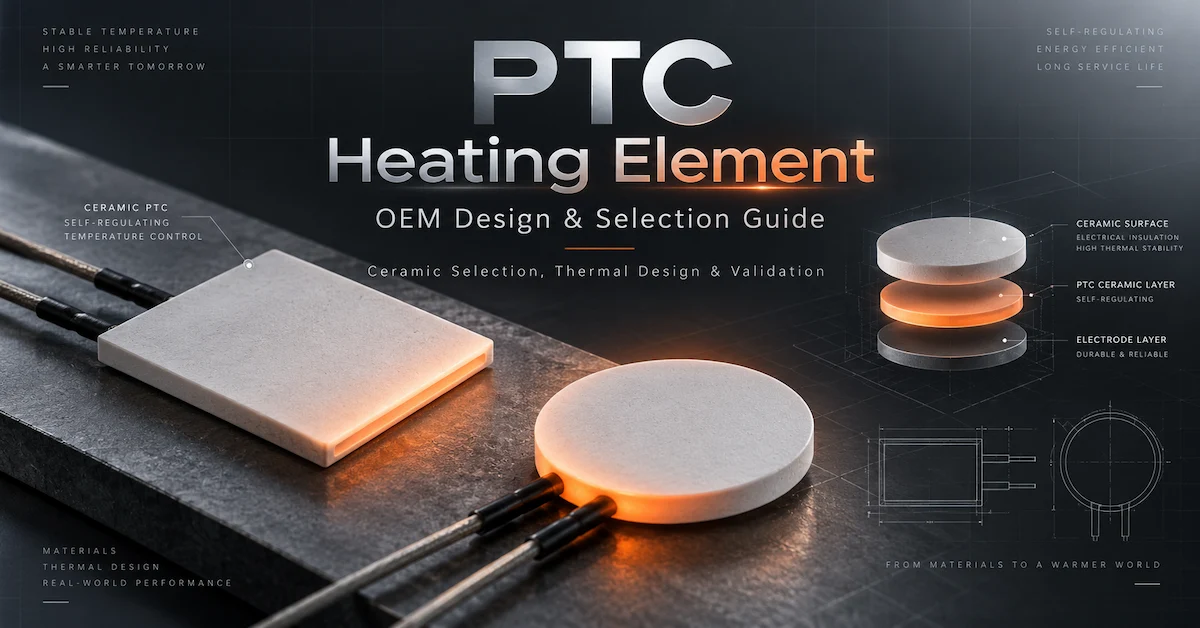
PTC Heating Element for OEM Equipment: Ceramic Selection, Thermal Design, and Validation Guide

PTC Heating Element for OEM Equipment: Ceramic Selection, Thermal Design, and Validation Guide

Selecting the right PTC Heating Element requires more than matching a voltage or Curie temperature: ceramic geometry, electrical behavior, thermal contact, and operating conditions determine the result inside an OEM product. This engineering-focused guide explains how to choose PTC ceramic elements for appliance, HVAC, and industrial designs, evaluate Tianrui product options, validate prototypes, and prepare an actionable custom-heating RFQ.

Read More
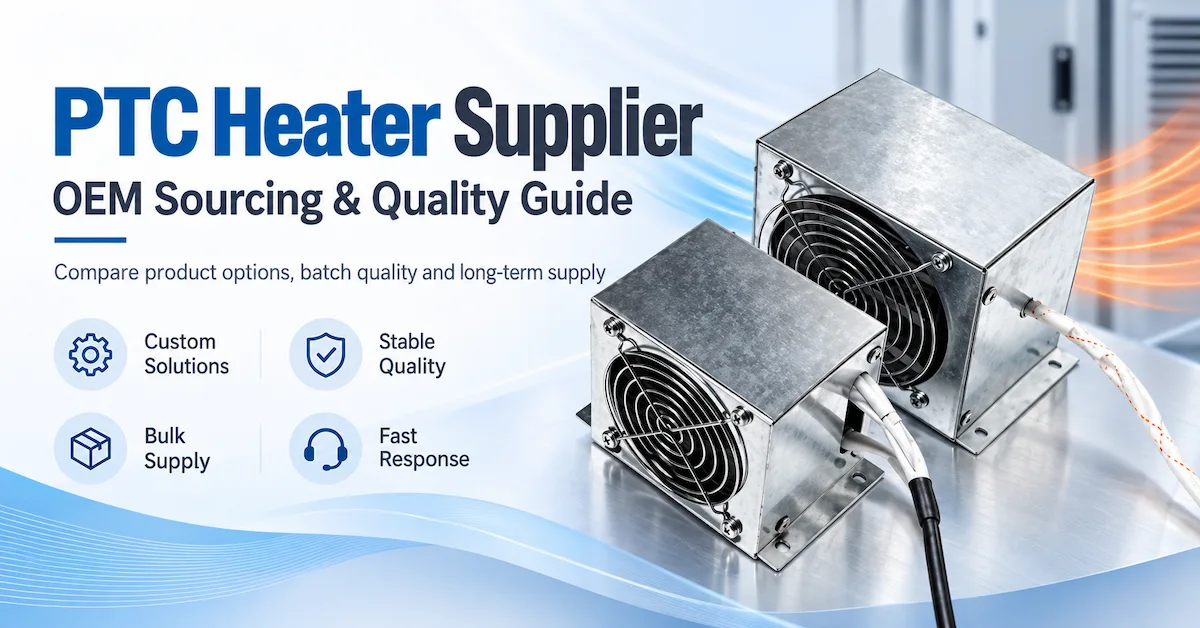
PTC Heater Supplier for OEM Production: How to Compare Quotations, Batch Quality, and Long-Term Supply

PTC Heater Supplier for OEM Production: How to Compare Quotations, Batch Quality, and Long-Term Supply

Choosing the right PTC Heater Supplier is essential for OEM manufacturers that need consistent heating performance, competitive procurement costs, and dependable repeat deliveries. This comprehensive sourcing guide explains how to compare PTC heater suppliers, evaluate product configurations, negotiate quotations, verify batch quality, manage supply risks, and establish reliable OEM/ODM purchasing relationships for household appliances, HVAC systems, industrial equipment, and electric vehicle applications.

Read More
PTC Heater Manufacturer for OEM Equipment: Engineering Validation, Quality Control, and Sourcing Guide

PTC Heater Manufacturer for OEM Equipment: Engineering Validation, Quality Control, and Sourcing Guide

Choosing a reliable PTC Heater Manufacturer requires more than comparing heating power, unit price, and catalog specifications. This comprehensive OEM sourcing guide explains how to evaluate PTC heater designs, calculate application requirements, validate thermal performance, assess manufacturing quality, and prepare technical RFQs for household appliances, industrial equipment, HVAC systems, and electric vehicle applications.

Read More
PTC Heating Element Manufacturer: OEM Guide for Custom Heating Solutions

PTC Heating Element Manufacturer: OEM Guide for Custom Heating Solutions

Choosing the right PTC Heating Element Manufacturer is essential for stable heating performance, safety and long-term supply reliability. This guide explains PTC heating element structures, applications, customization options, manufacturing processes and key factors OEM buyers should evaluate before selecting a supplier.

Read More
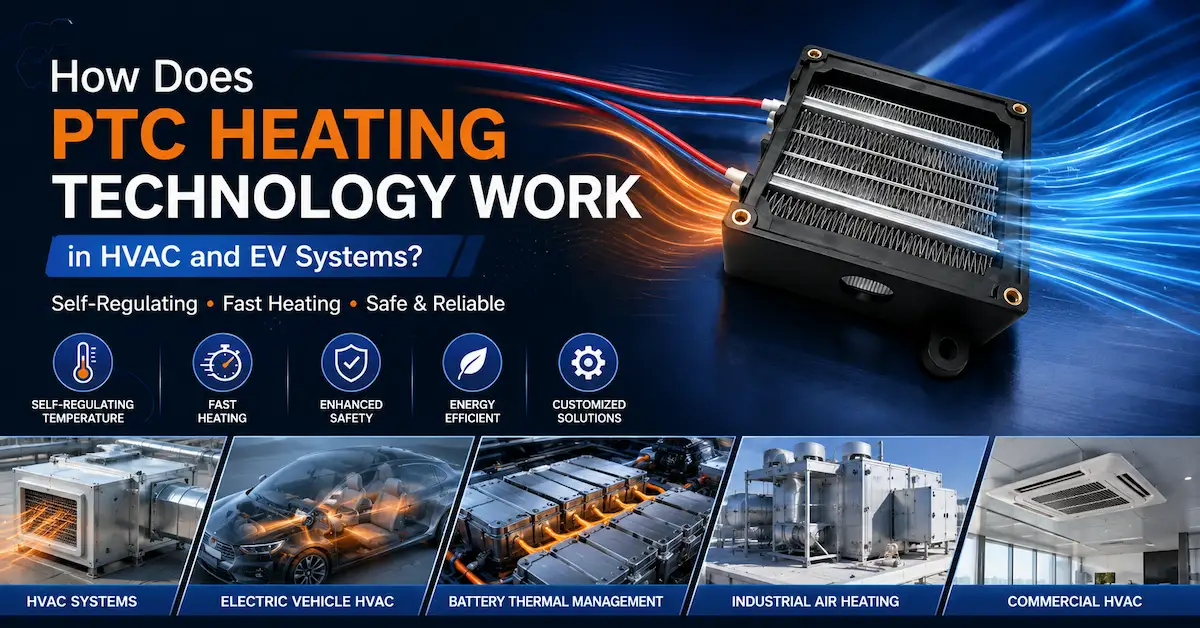
How Does PTC Heating Technology Work in HVAC and EV Systems?

How Does PTC Heating Technology Work in HVAC and EV Systems?

PTC Heating Technology provides self-regulating electric heating for HVAC, electric vehicles, industrial equipment and thermal management systems. This guide explains the ceramic heating principle, key advantages, heater types, application differences and selection factors that OEM engineers and buyers should evaluate before choosing a PTC heating solution.

Read More
PTC Heater for HVAC System: Working Principle, Applications and Selection Guide

PTC Heater for HVAC System: Working Principle, Applications and Selection Guide

PTC heaters for HVAC systems provide efficient and reliable heating solutions for automotive, industrial and commercial applications. This guide explains how PTC heaters work, their advantages, applications and how to select a suitable supplier for customized HVAC heating requirements.

Read More
PTC Heater for Electric Vehicle: How to Choose the Right EV Heating Solution

PTC Heater for Electric Vehicle: How to Choose the Right EV Heating Solution

PTC heaters for electric vehicles provide efficient cabin heating and battery thermal management solutions in cold environments. This guide explains how EV manufacturers can select suitable PTC heaters based on heating performance, safety, energy efficiency, customization and supplier capability.

Read More
PTC Heater Supplier Guide: How OEM Buyers Compare Quality, Samples and Supply Risk

PTC Heater Supplier Guide: How OEM Buyers Compare Quality, Samples and Supply Risk

Choosing a PTC Heater Supplier involves more than comparing wattage and unit price. This guide helps OEM buyers evaluate technical support, customization, sample testing, quality control, quotations, lead time and long-term supply reliability before approving a heating partner.

Read More