Custom PTC solutions from prototype to mass production.

Beyond Water temp measuring: NTC Sensor Applications in Automotive, Appliances, and Medical Fields

Beyond Water temp measuring: NTC Sensor Applications in Automotive, Appliances, and Medical Fields

PTC Heater
Oct 16, 2025•Posted by Dongguan Tianrui Electronics Co., Ltd.

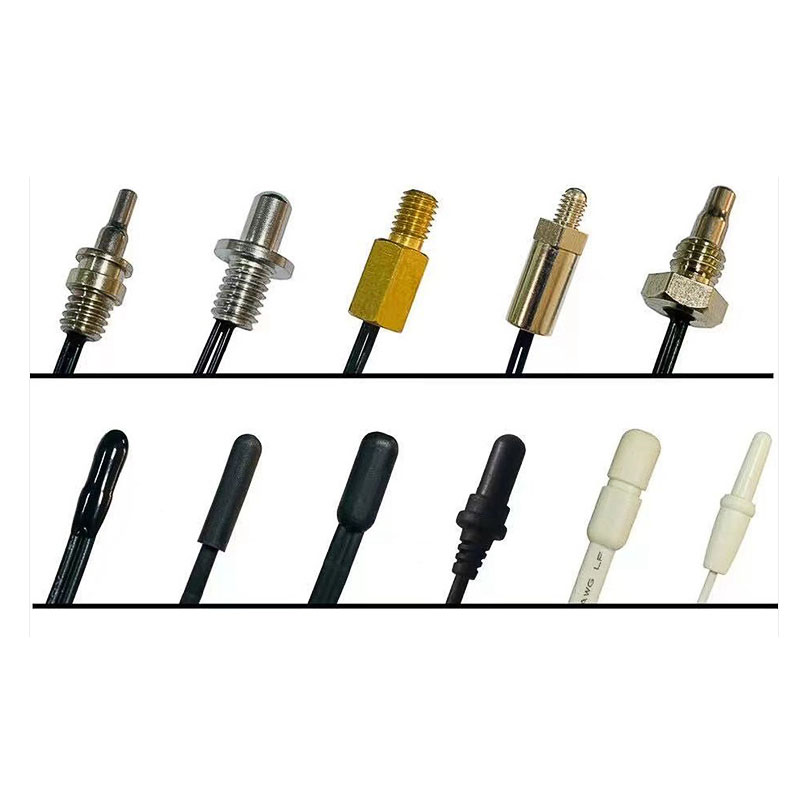
While measuring water temperature is a classic application, the role of the NTC (Negative Temperature Coefficient) thermistor extends far beyond that. Its low cost, high accuracy, and ruggedness have made it a silent enabler of innovation across major industries. Let's explore the critical and often unseen roles of NTC sensors in automotive, home appliance, and medical technologies.

1. Automotive: The Guardian of Performance and Safety

Modern vehicles rely on dozens of NTC sensors to ensure efficiency, performance, and passenger safety.

  • Battery Thermal Management (EVs/Hybrids): This is a critical safety application. NTC sensors are embedded within high-voltage battery packs to monitor the temperature of individual cells or modules. The Battery Management System (BMS) uses this data to prevent dangerous thermal runaway, optimize charging speed, and prolong battery life.

  • Intake Air Temperature (IAT) Sensing: The Engine Control Unit (ECU) uses an NTC sensor to measure the temperature of air entering the engine. This data is crucial for calculating the optimal air-fuel mixture, ensuring efficient combustion, reducing emissions, and maximizing power.

  • Cabin Climate Comfort and Battery Thermal Management (EVs/Hybrids): NTC sensors provide precise ambient and surface temperature readings to the HVAC system, ensuring passenger comfort with minimal energy drain—a key concern for electric vehicle range. They also monitor the temperature of the 12V battery, providing early warnings of potential failure.

2. Home Appliances: The Brain Behind Efficiency and Convenience

NTC sensors have transformed ordinary appliances into intelligent devices that save energy and deliver perfect results.

  • Precision Cooking: In ovens and induction cooktops, NTC sensors provide real-time, closed-loop temperature control. This prevents food from burning or undercooking, enabling features like precise sous-vide cooking and perfect simmering.

  • Haier's "Freshly Frozen" (鲜冻) Technology: This innovation in refrigerators uses NTC sensors to accurately monitor the temperature in the freezing compartment. By ensuring a stable and optimal freezing environment, it better preserves the cellular structure of food, locking in freshness and nutrition better than conventional freezing methods.

  • Smart Washes and Dries: In washing machines, NTC sensors monitor water temperature for different fabric cycles. In dryers, they prevent overheating by tracking exhaust air temperature, protecting your clothes and enhancing safety.

3. Medical Devices: The Protector of Patient Health

In medical applications, the reliability and accuracy of NTC sensors are matters of patient safety.

  • Fever Monitoring Thermometers: The core of most digital clinical and ear thermometers is a fast-responding NTC sensor, allowing for quick and accurate body temperature readings.

  • Respiratory Equipment: In ventilators and CPAP machines, NTC sensors monitor the temperature of the air being delivered to the patient. This ensures the air is warmed to a comfortable and therapeutic level, preventing airway irritation.

  • Dialysis and Infusion Pumps: These life-sustaining machines use NTC sensors to meticulously control the temperature of dialysate and intravenous fluids, keeping patients safe during critical treatments.

Conclusion

From protecting the heart of an electric vehicle to enabling gourmet cooking in a modern kitchen and safeguarding patients in a hospital, the NTC thermistor proves its immense value. It's no longer just a simple component; it's a fundamental innovation driver, providing the critical temperature data that makes our modern world smarter, safer, and more efficient.
Featured Blogs

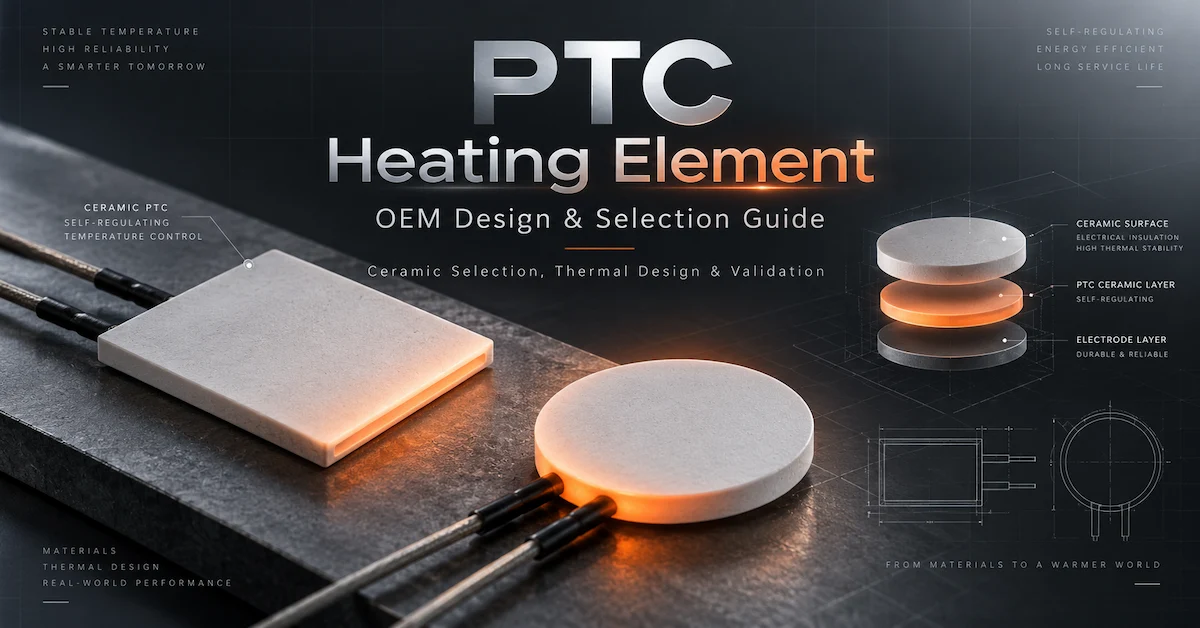
PTC Heating Element for OEM Equipment: Ceramic Selection, Thermal Design, and Validation Guide

PTC Heating Element for OEM Equipment: Ceramic Selection, Thermal Design, and Validation Guide

Selecting the right PTC Heating Element requires more than matching a voltage or Curie temperature: ceramic geometry, electrical behavior, thermal contact, and operating conditions determine the result inside an OEM product. This engineering-focused guide explains how to choose PTC ceramic elements for appliance, HVAC, and industrial designs, evaluate Tianrui product options, validate prototypes, and prepare an actionable custom-heating RFQ.

Read More
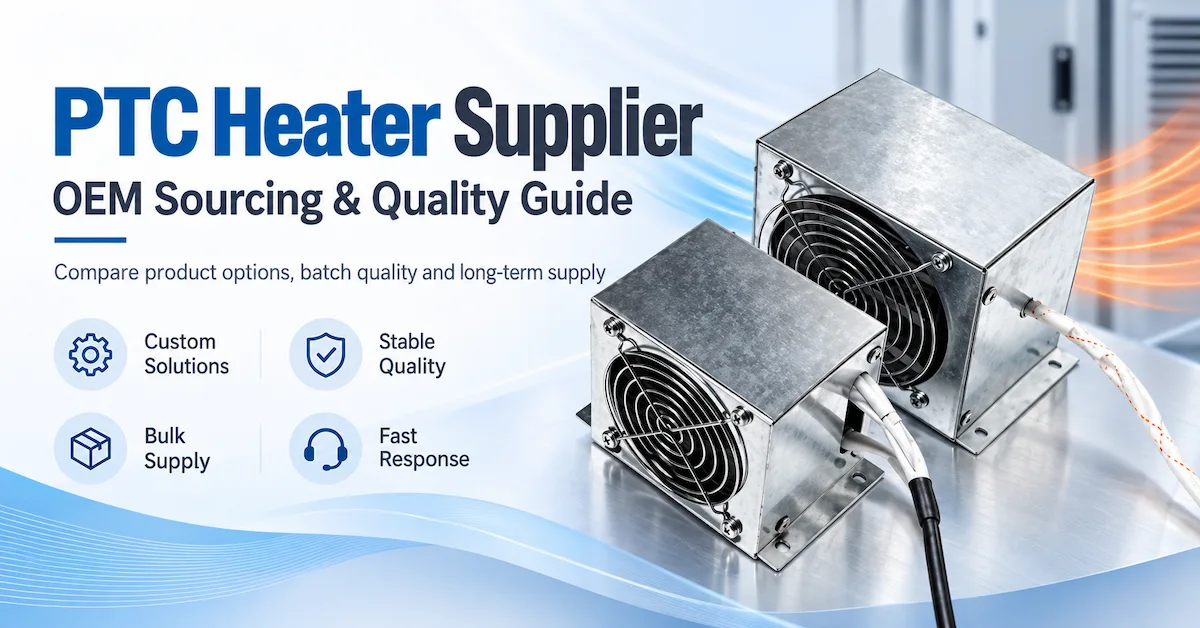
PTC Heater Supplier for OEM Production: How to Compare Quotations, Batch Quality, and Long-Term Supply

PTC Heater Supplier for OEM Production: How to Compare Quotations, Batch Quality, and Long-Term Supply

Choosing the right PTC Heater Supplier is essential for OEM manufacturers that need consistent heating performance, competitive procurement costs, and dependable repeat deliveries. This comprehensive sourcing guide explains how to compare PTC heater suppliers, evaluate product configurations, negotiate quotations, verify batch quality, manage supply risks, and establish reliable OEM/ODM purchasing relationships for household appliances, HVAC systems, industrial equipment, and electric vehicle applications.

Read More
PTC Heater Manufacturer for OEM Equipment: Engineering Validation, Quality Control, and Sourcing Guide

PTC Heater Manufacturer for OEM Equipment: Engineering Validation, Quality Control, and Sourcing Guide

Choosing a reliable PTC Heater Manufacturer requires more than comparing heating power, unit price, and catalog specifications. This comprehensive OEM sourcing guide explains how to evaluate PTC heater designs, calculate application requirements, validate thermal performance, assess manufacturing quality, and prepare technical RFQs for household appliances, industrial equipment, HVAC systems, and electric vehicle applications.

Read More
PTC Heating Element Manufacturer: OEM Guide for Custom Heating Solutions

PTC Heating Element Manufacturer: OEM Guide for Custom Heating Solutions

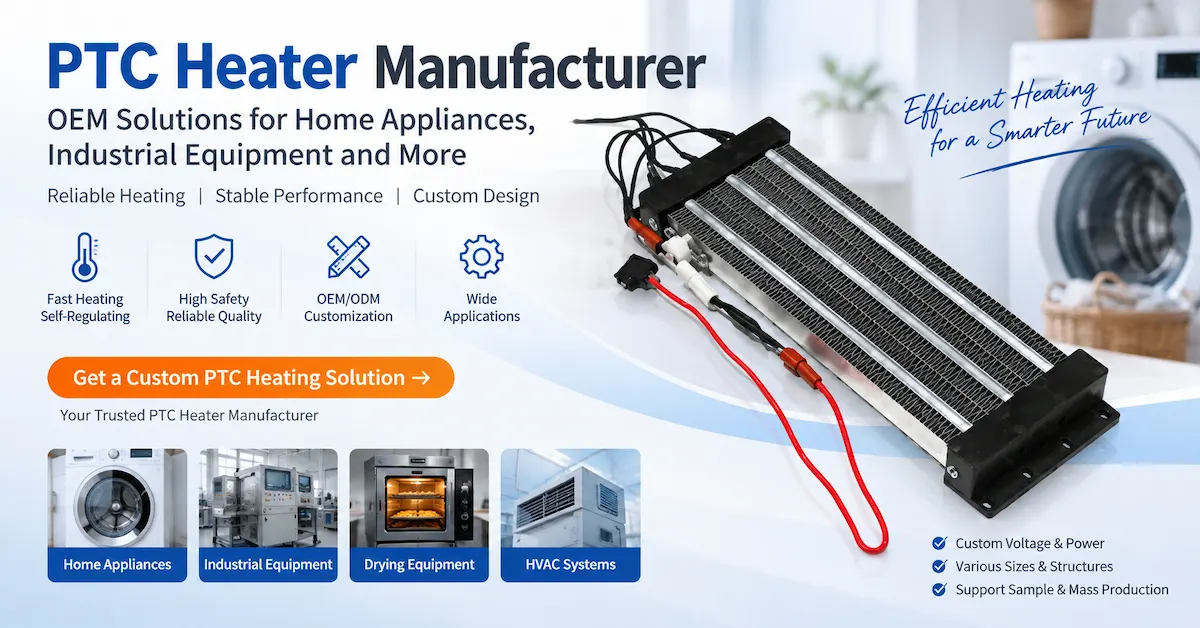
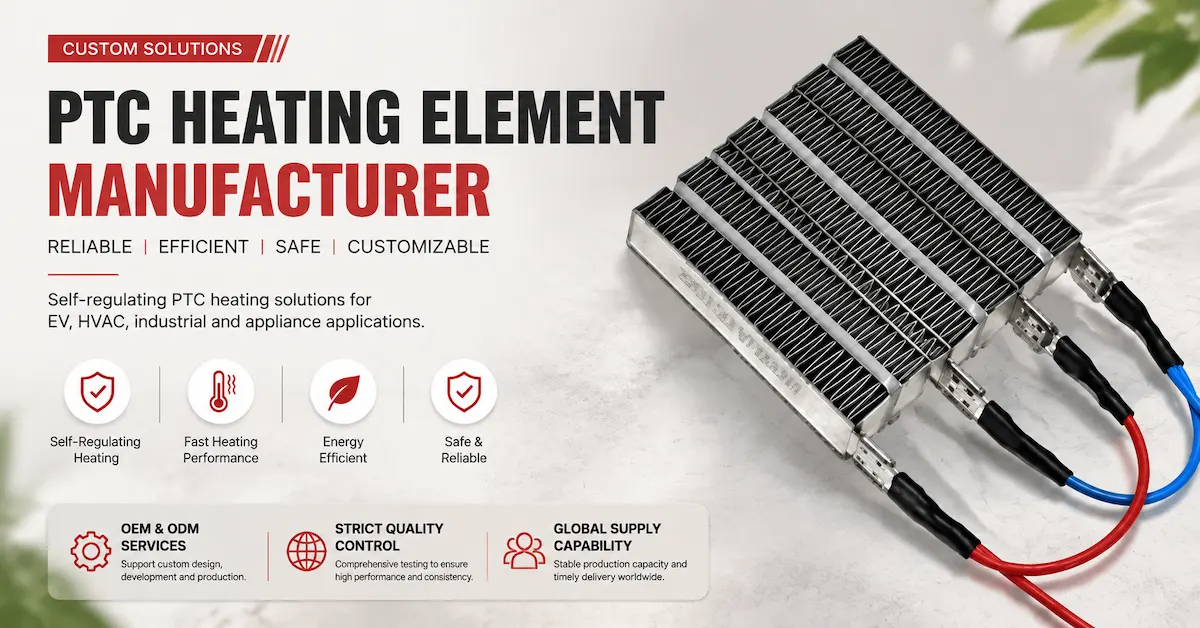
Choosing the right PTC Heating Element Manufacturer is essential for stable heating performance, safety and long-term supply reliability. This guide explains PTC heating element structures, applications, customization options, manufacturing processes and key factors OEM buyers should evaluate before selecting a supplier.

Read More
How Does PTC Heating Technology Work in HVAC and EV Systems?

How Does PTC Heating Technology Work in HVAC and EV Systems?

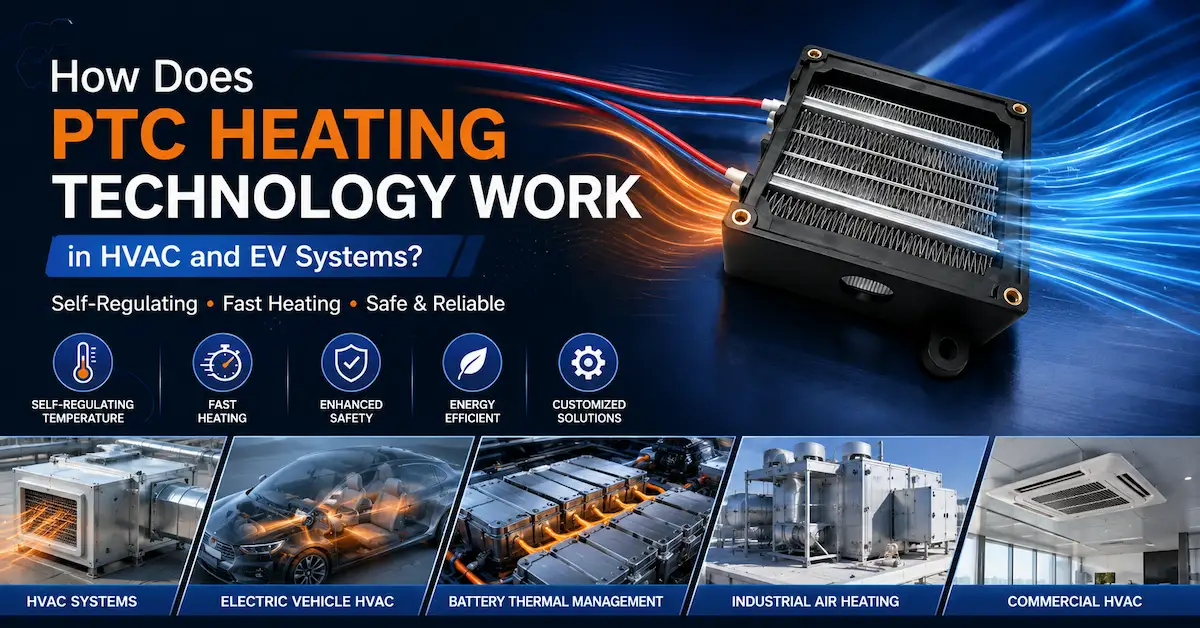
PTC Heating Technology provides self-regulating electric heating for HVAC, electric vehicles, industrial equipment and thermal management systems. This guide explains the ceramic heating principle, key advantages, heater types, application differences and selection factors that OEM engineers and buyers should evaluate before choosing a PTC heating solution.

Read More
PTC Heater for HVAC System: Working Principle, Applications and Selection Guide

PTC Heater for HVAC System: Working Principle, Applications and Selection Guide

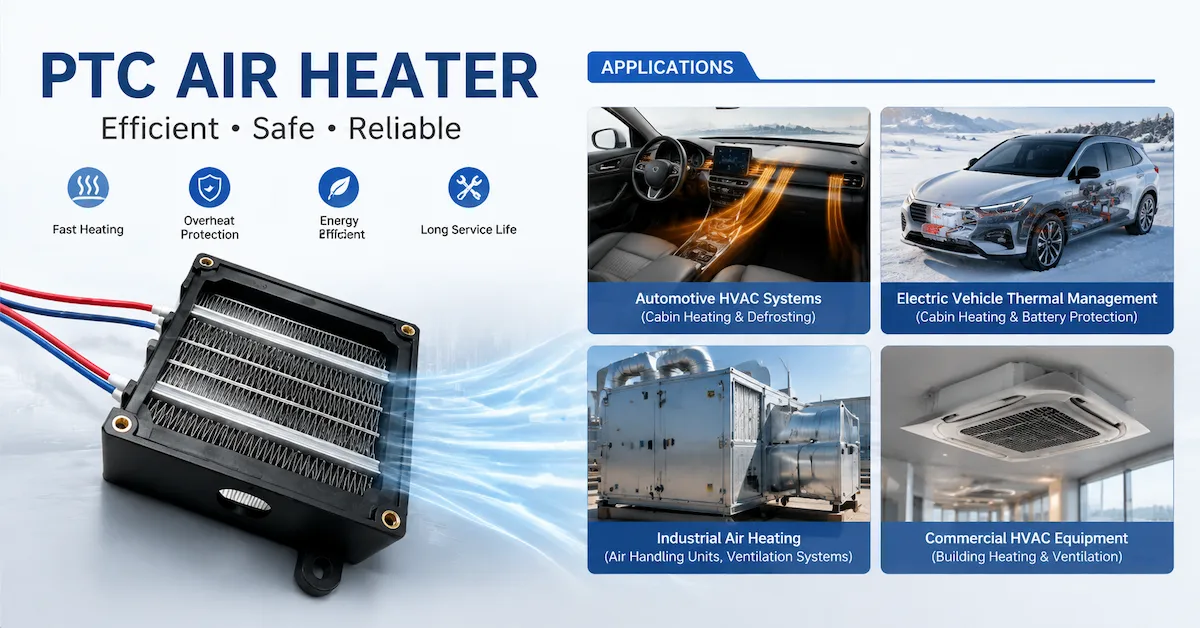
PTC heaters for HVAC systems provide efficient and reliable heating solutions for automotive, industrial and commercial applications. This guide explains how PTC heaters work, their advantages, applications and how to select a suitable supplier for customized HVAC heating requirements.

Read More
PTC Heater for Electric Vehicle: How to Choose the Right EV Heating Solution

PTC Heater for Electric Vehicle: How to Choose the Right EV Heating Solution

PTC heaters for electric vehicles provide efficient cabin heating and battery thermal management solutions in cold environments. This guide explains how EV manufacturers can select suitable PTC heaters based on heating performance, safety, energy efficiency, customization and supplier capability.

Read More
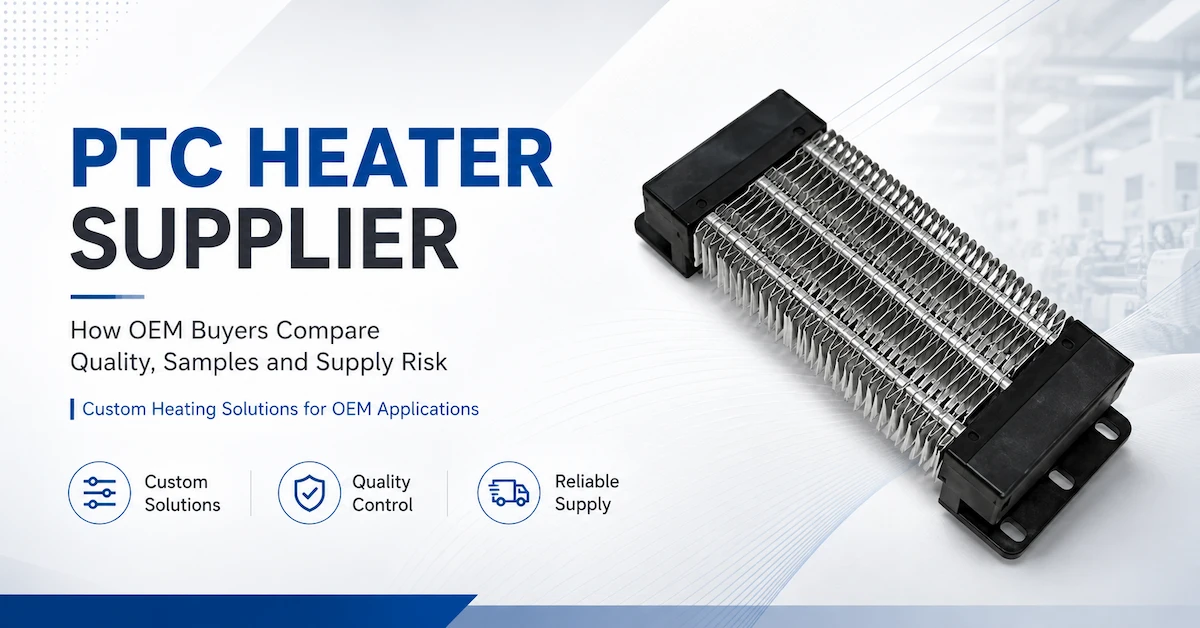
PTC Heater Supplier Guide: How OEM Buyers Compare Quality, Samples and Supply Risk

PTC Heater Supplier Guide: How OEM Buyers Compare Quality, Samples and Supply Risk

Choosing a PTC Heater Supplier involves more than comparing wattage and unit price. This guide helps OEM buyers evaluate technical support, customization, sample testing, quality control, quotations, lead time and long-term supply reliability before approving a heating partner.

Read More