
Dongguan Tianrui Electronics Co., Ltd.
Dongguan Tianrui Electronics Co., Ltd. logo
Beyond Warmth: How PTC Heaters Master Efficient Dehumidification

Beyond Warmth: How PTC Heaters Master Efficient Dehumidification

PTC Heater
Nov 12, 2025Posted by Dongguan Tianrui Electronics Co., Ltd.

When we think of staying comfortable in cold, damp weather, we often focus solely on temperature. But true comfort is a two-part equation: warmth and dryness. High humidity levels can make a room feel chilly and clammy, even if the thermostat is set to a reasonable temperature. This is where a remarkable technology called the PTC heater shines, offering a powerful solution for both heating and dehumidification.

What is a PTC Heater?

First, let's understand what makes PTC heaters special. PTC stands for Positive Temperature Coefficient. Unlike traditional heating elements that use a fixed-resistance wire, a PTC heater is made of ceramic material that changes its electrical resistance with temperature.

Here’s the magic: as the PTC element heats up, its resistance increases. When it reaches a specific design temperature (its Curie point), the resistance becomes so high that it drastically reduces the electrical current, which in turn limits its own heat output. This isn't just a clever trick; it's a fundamental feature that brings key advantages:

  • Self-Regulating: It cannot overheat, making it exceptionally safe.

  • Energy-Efficient: It draws maximum power only when it's cold, automatically reducing power as it reaches its optimal temperature.

  • Constant, Even Heat: It maintains a stable temperature without the need for a complex thermostat.

The Link Between Heating and Dehumidification

So, how does heating help with dehumidification? The answer lies in a basic principle of air science: warm air can hold more moisture than cold air.

When a PTC heater warms the air in a room, the air's capacity to hold water vapor increases. The relative humidity—the amount of moisture in the air compared to the maximum it can hold—decreases. This is why a damp room instantly feels more comfortable when you turn up the heat; you're not removing the moisture, but you're making the air "thirstier," so it feels less humid.

However, PTC heaters, especially in fan-forced models, take this a step further. As warm, dry air circulates, it comes into contact with cooler surfaces like walls, windows, and furniture. These surfaces can cool the air locally, potentially causing moisture to condense. But the continuous circulation of drier air helps to absorb and evaporate this moisture, effectively reducing the overall humidity level in the space.

Why PTC Heaters Excel at Combined Heating and Dehumidifying

  1. Fast Action: PTC heaters provide almost instantaneous heat. This rapid temperature rise quickly lowers the relative humidity, providing comfort faster than slow-acting systems.

  2. Safety in Damp Environments: The self-limiting nature of PTC heaters makes them ideal for use in potentially damp areas like bathrooms, basements, or laundry rooms. The risk of overheating due to blocked vents or covered intake is virtually eliminated.

  3. Improved Air Quality: By reducing humidity, PTC heaters help prevent the growth of mold, mildew, and dust mites, which thrive in moist environments. This leads to healthier indoor air and protects your home from moisture damage.

  4. Energy Savings: Since they automatically reduce power consumption once the target temperature is reached, you avoid the energy waste of traditional heaters that cycle on and off at full power.

Conclusion

A PTC heater is more than just a source of warmth. It's an intelligent, efficient, and safe appliance that tackles the twin challenges of cold and damp simultaneously. By warming the air to lower relative humidity and promoting better air circulation, it creates a truly comfortable and healthier living environment. For anyone battling the chill and clamminess of a humid winter, a PTC heater is a smart and effective choice.

Stay warm, stay dry, and breathe easier.
Featured Blogs

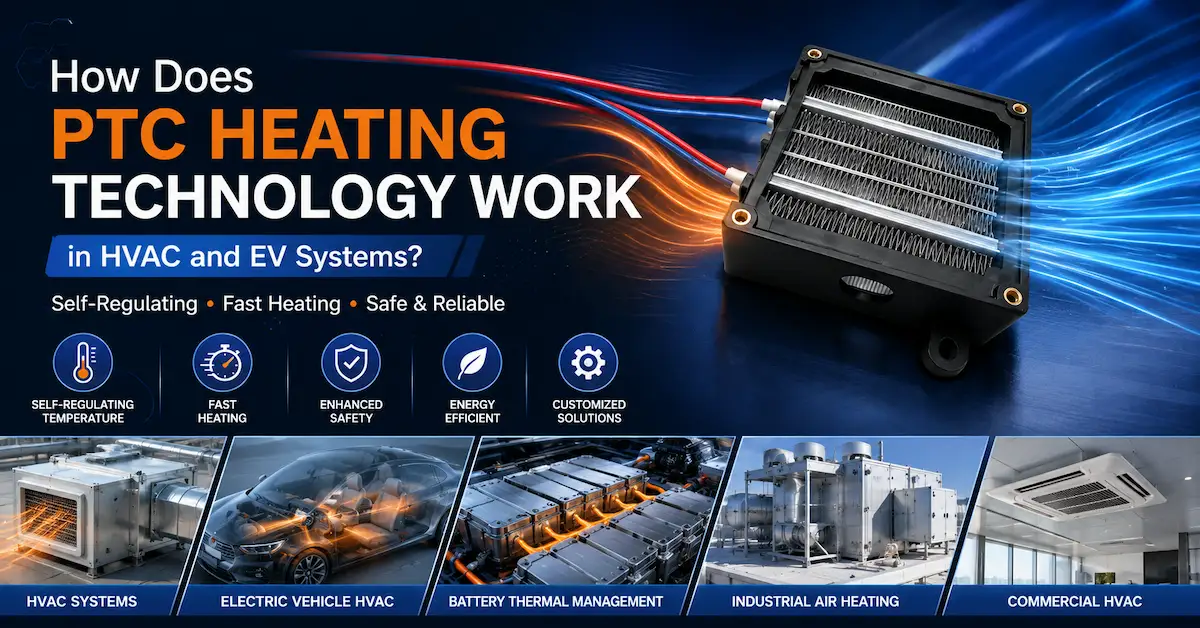
How Does PTC Heating Technology Work in HVAC and EV Systems?

How Does PTC Heating Technology Work in HVAC and EV Systems?

PTC Heating Technology provides self-regulating electric heating for HVAC, electric vehicles, industrial equipment and thermal management systems. This guide explains the ceramic heating principle, key advantages, heater types, application differences and selection factors that OEM engineers and buyers should evaluate before choosing a PTC heating solution.

Read More
PTC Heater for HVAC System: Working Principle, Applications and Selection Guide

PTC Heater for HVAC System: Working Principle, Applications and Selection Guide

PTC heaters for HVAC systems provide efficient and reliable heating solutions for automotive, industrial and commercial applications. This guide explains how PTC heaters work, their advantages, applications and how to select a suitable supplier for customized HVAC heating requirements.

Read More
PTC Heater for Electric Vehicle: How to Choose the Right EV Heating Solution

PTC Heater for Electric Vehicle: How to Choose the Right EV Heating Solution

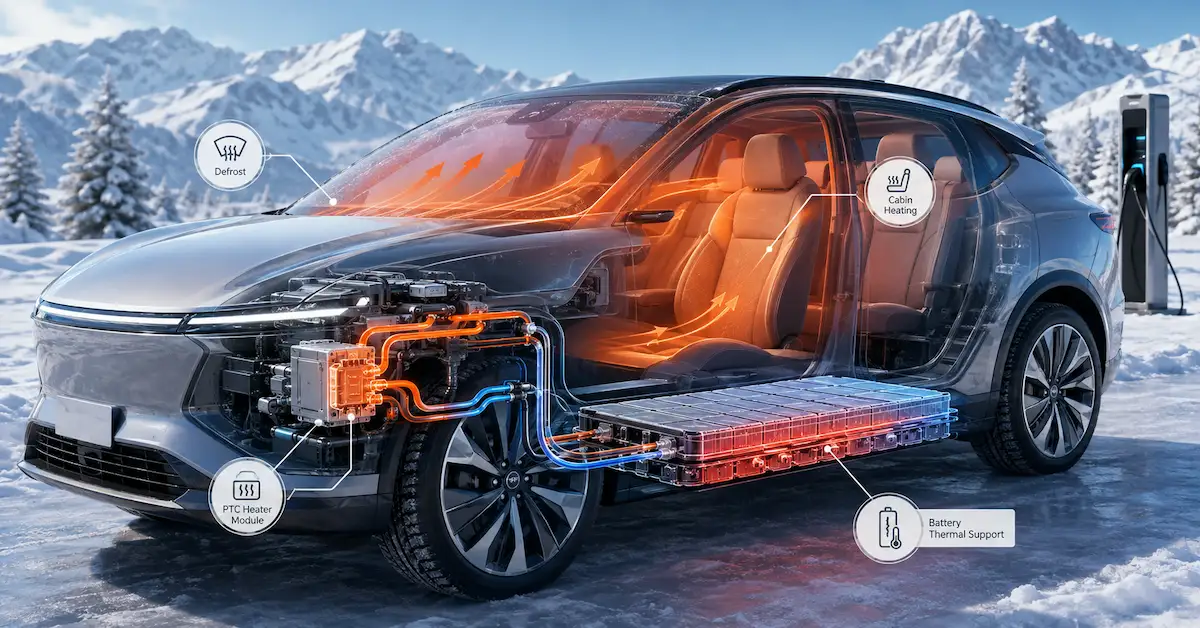
PTC heaters for electric vehicles provide efficient cabin heating and battery thermal management solutions in cold environments. This guide explains how EV manufacturers can select suitable PTC heaters based on heating performance, safety, energy efficiency, customization and supplier capability.

Read More
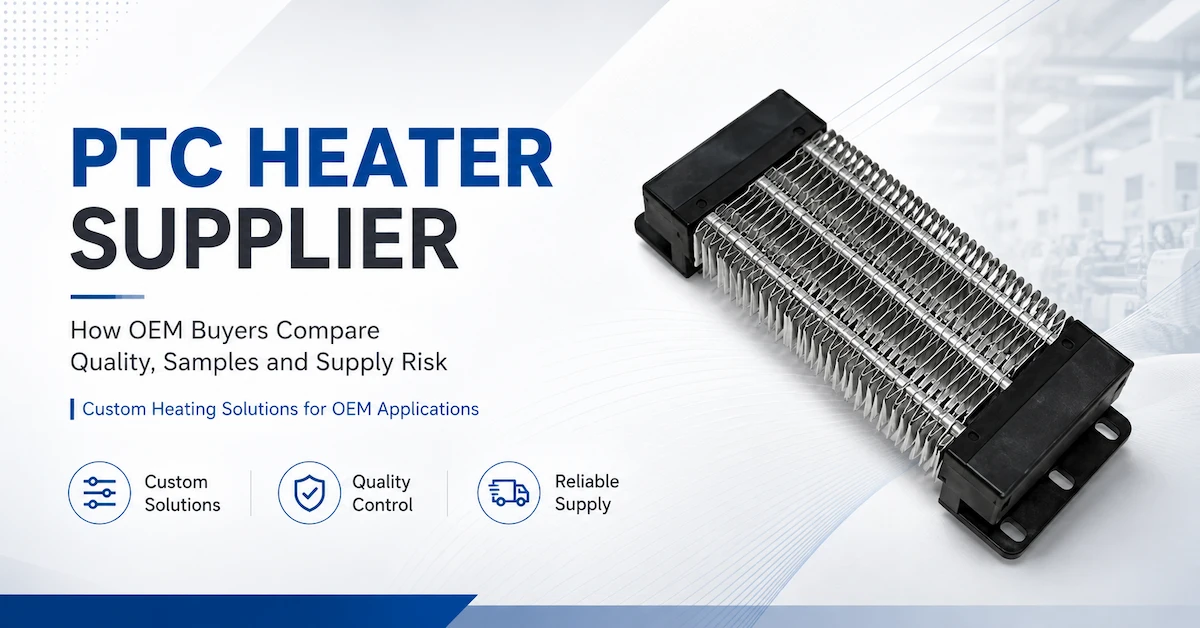
PTC Heater Supplier Guide: How OEM Buyers Compare Quality, Samples and Supply Risk

PTC Heater Supplier Guide: How OEM Buyers Compare Quality, Samples and Supply Risk

Choosing a PTC Heater Supplier involves more than comparing wattage and unit price. This guide helps OEM buyers evaluate technical support, customization, sample testing, quality control, quotations, lead time and long-term supply reliability before approving a heating partner.

Read More
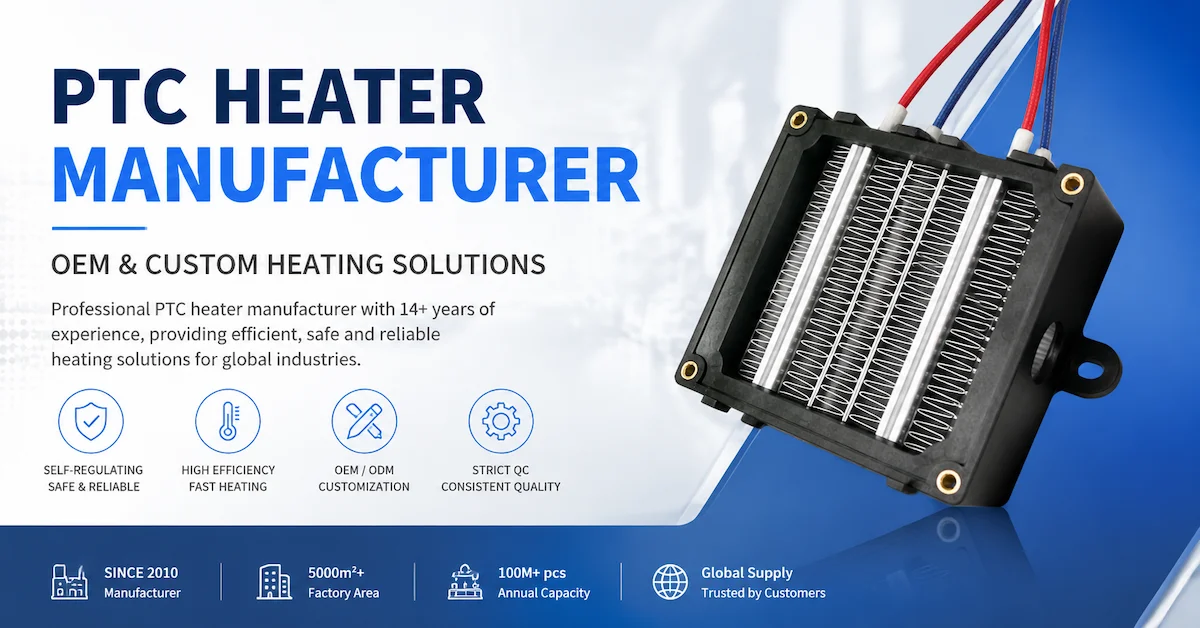
PTC Heater Manufacturer: How to Choose the Right OEM Partner

PTC Heater Manufacturer: How to Choose the Right OEM Partner

Choosing the right PTC heater manufacturer requires more than comparing price and wattage. This guide explains how OEM buyers can evaluate engineering capability, customization, sample testing, quality control, production consistency, cost, and RFQ requirements before selecting a long-term supplier.

Read More
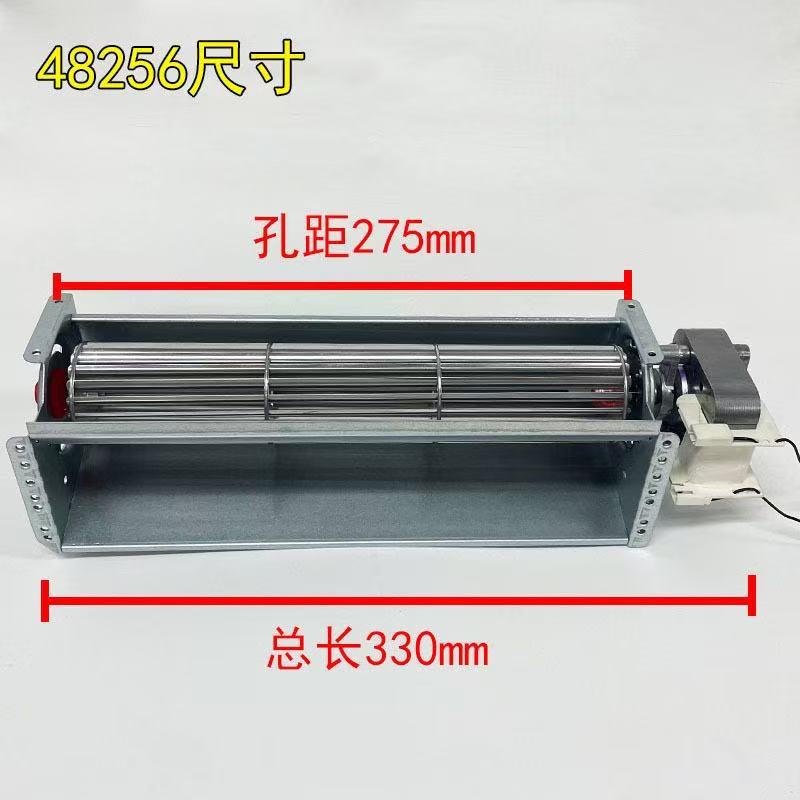
48256 Cross Flow Fan: The Ultimate Guide to Efficient, Low-Noise Airflow

48256 Cross Flow Fan: The Ultimate Guide to Efficient, Low-Noise Airflow

When it comes to moving air efficiently in tight spaces, few solutions match the performance of a cross flow fan (tangential fan). The 48256 model shown in the image is a prime example of this engineering marvel, designed to deliver consistent, low-noise airflow for a wide range of heating, ventilation, and industrial applications. Let’s break down what makes this fan such a versatile and reliable choice.

Read More
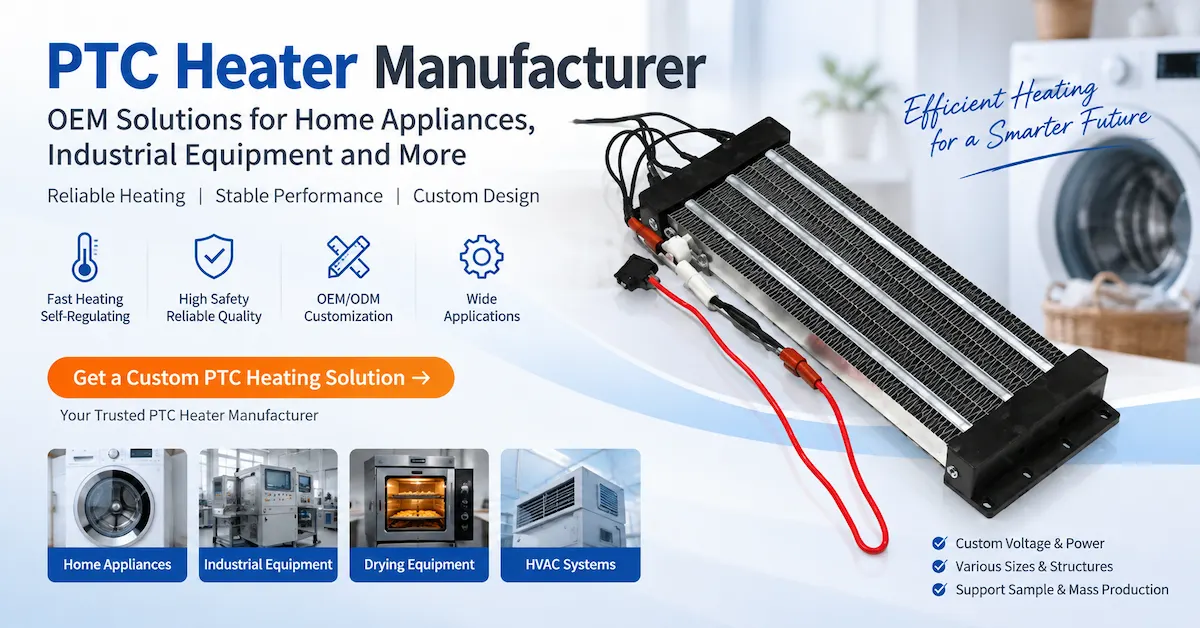
Why Our PTC Air Heaters Are the Smart, Safe Choice for Modern Air Heating

Why Our PTC Air Heaters Are the Smart, Safe Choice for Modern Air Heating

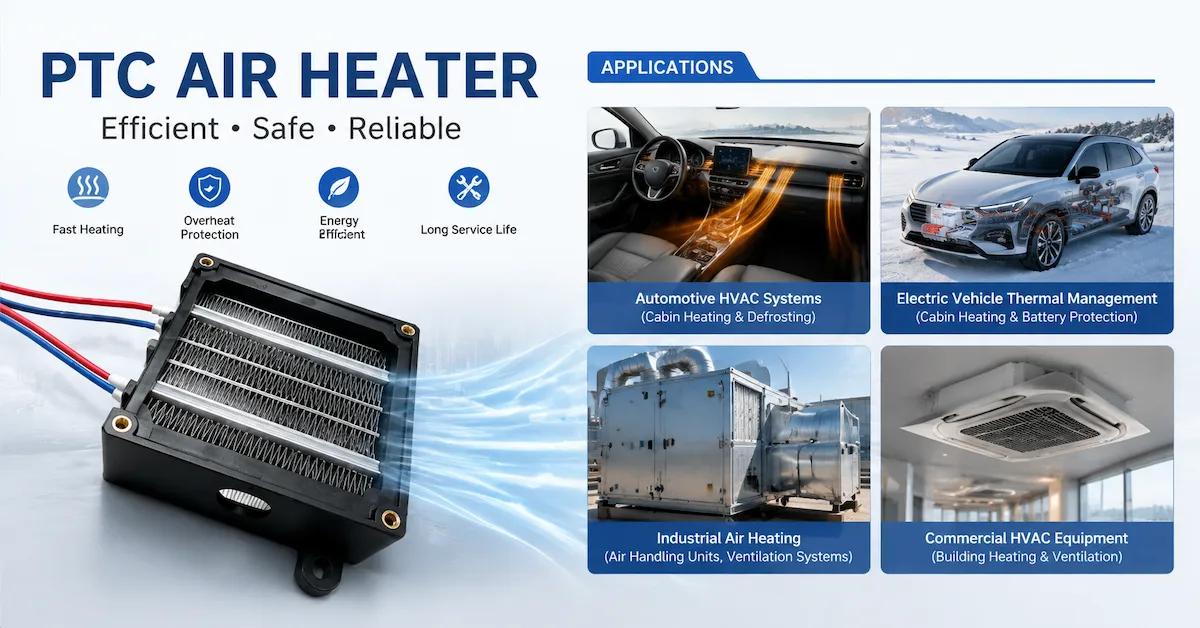
If you’ve ever dealt with unreliable heating elements, energy waste, or safety concerns in your air heating systems, it’s time to meet the solution: PTC (Positive Temperature Coefficient) air heaters. These compact, powerful modules are more than just heating components—they’re engineered to deliver consistent, safe, and efficient heat across countless applications, and our line of customizable models (as seen in the image) is built to exceed expectations.

Read More
The Complete Guide to PTC Fan Heaters for Industrial Cabinet Protection

The Complete Guide to PTC Fan Heaters for Industrial Cabinet Protection

Industrial automation relies on sensitive electronics housed within control cabinets, but these enclosures face a constant threat: temperature fluctuations. Condensation in humid conditions, freezing in cold climates, and component stress from temperature swings can lead to malfunctions, downtime, and costly repairs. To solve this, engineers are increasingly turning to integrated PTC Fan Heaters – a robust, intelligent solution designed for reliability. Available in key power ratings like 150W, 300W, 400W, and 600W, these units are the guardians of critical electrical systems.

Read More