Dongguan Tianrui Electronics Co., Ltd.
Dongguan Tianrui Electronics Co., Ltd. logo
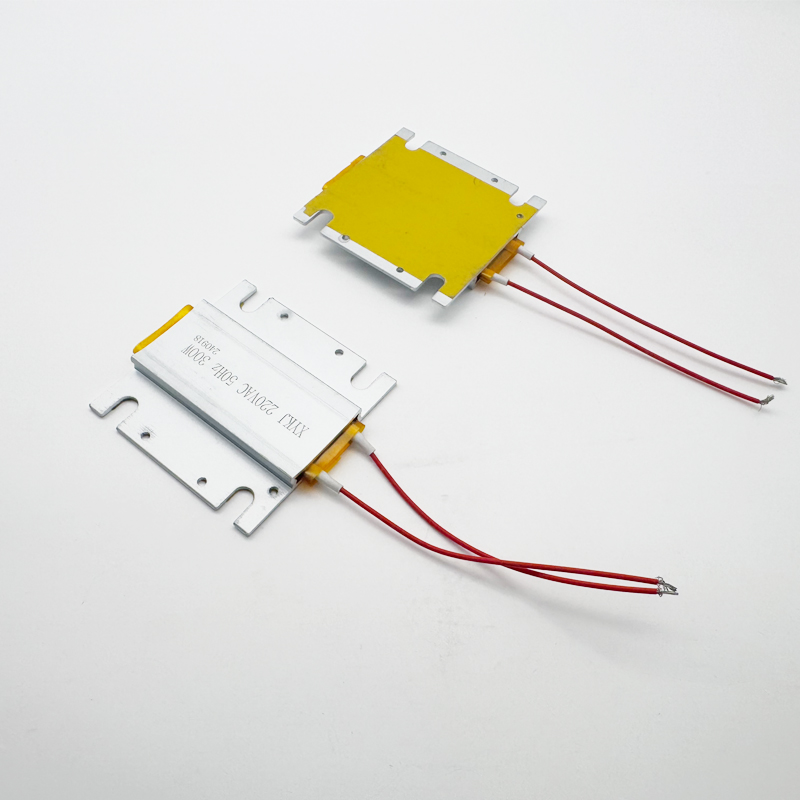
The 220VAC 300W PTC Aluminum Heating Plate: The Smart, Safe Heart of Modern Appliances

The 220VAC 300W PTC Aluminum Heating Plate: The Smart, Safe Heart of Modern Appliances

PTC Heater
Jan 27, 2026Posted by Dongguan Tianrui Electronics Co., Ltd.

In the world of heating elements, efficiency, safety, and longevity are paramount. While traditional resistance wire heaters have served us for decades, a newer technology has emerged as the superior choice for countless applications: the PTC (Positive Temperature Coefficient) heating element. Specifically, the 220VAC 300W PTC Aluminum Heating Plate represents a perfect blend of intelligent design and robust performance. Let's explore why this component is revolutionizing appliance design.

What is a PTC Aluminum Heating Plate?

At its core, a PTC heating element is made of specialized ceramic material whose electrical resistance increases dramatically as its temperature rises. The "Aluminum Shell" refers to the sturdy, finned casing that houses the PTC ceramic chip. This casing serves two critical functions: it acts as an excellent heat conductor, efficiently transferring thermal energy, and its finned design maximizes surface area for better heat dissipation. The 220VAC rating means it operates on standard mains voltage, and 300W indicates its nominal heating power.

The "Self-Regulating" Magic: How It Works

The true genius of this heater lies in its intrinsic safety feature:

  1. Cold Start: When you first switch it on, the PTC ceramic material is at room temperature and has a relatively low resistance. This allows a high current to flow, generating heat rapidly.

  2. Temperature Rise: As the element heats up to its designed "Curie Point" (typically between 150°C to 250°C), the resistance of the PTC material increases exponentially.

  3. Automatic Regulation: This sharp increase in resistance naturally limits the electrical current. The element then maintains a stable, constant temperature without the need for external thermostats or complex control circuits. It physically cannot overheat beyond its design point.

Key Advantages Over Traditional Heaters

  • Inherent Safety: The number one benefit. Eliminates risks of overheating and potential fire hazards, as it is self-limiting.

  • Energy Efficiency: It consumes maximum power only during the initial warm-up phase. Once at temperature, power draw drops significantly, saving energy.

  • Longer Lifespan: With no red-hot wires that can oxidize and burn out, and no mechanical thermostats to fail, PTC heaters offer exceptional durability.

  • Constant Temperature: Provides stable, uniform heat output ideal for applications requiring precise thermal management.

  • Simple Design: Often requires no external control, reducing circuit complexity and component count for manufacturers.

Where Is It Used? (Applications)

The 220VAC 300W PTC Aluminum Heating Plate is incredibly versatile:

  • Food & Beverage Appliances: Food warmers, egg boilers, yogurt makers, mini ovens, and coffee machine heating plates.

  • Personal Care & Comfort: Advanced hair dryers, garment steamers, small space heaters, and dehumidifiers.

  • Industrial/Commercial: Thermostats for incubators, glue gun heaters, and process heating in equipment requiring stable, low-wattage heat.

Conclusion

The 220VAC 300W PTC Aluminum Heating Plate is more than just a heater; it's an intelligent thermal management solution. By combining the self-regulating properties of PTC ceramic with the efficient thermal conductivity of an aluminum shell, it delivers a perfect package of safety, reliability, and efficiency. For engineers designing the next generation of appliances or for businesses seeking a durable heating core, this component offers a future-proof answer to modern heating challenges.
Featured Blogs

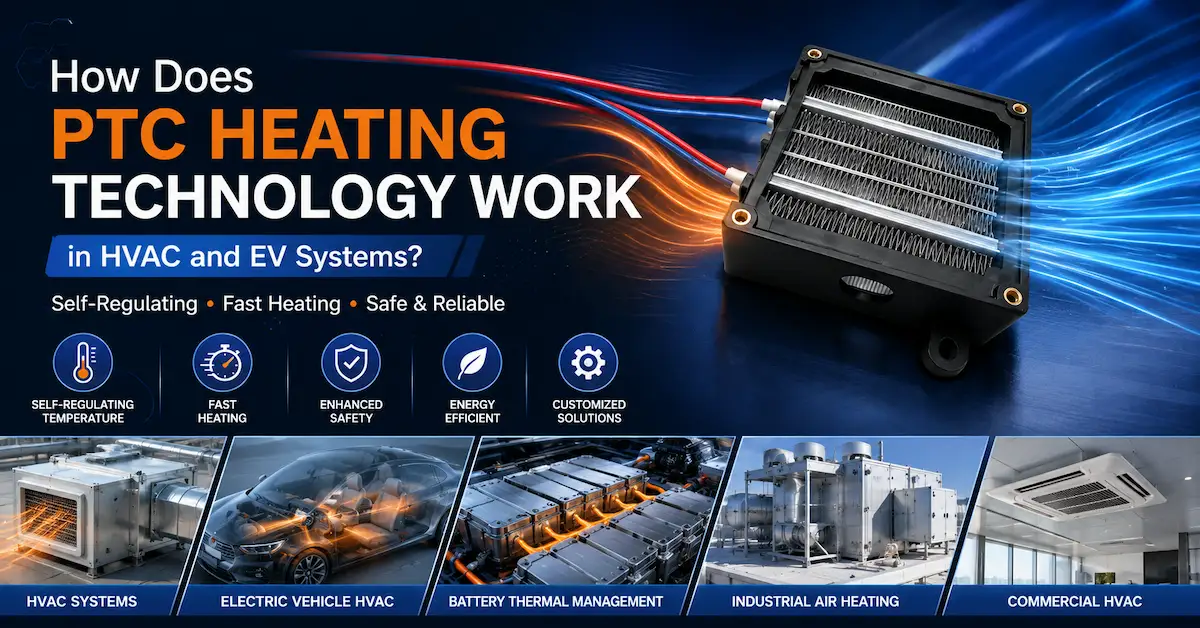
How Does PTC Heating Technology Work in HVAC and EV Systems?

How Does PTC Heating Technology Work in HVAC and EV Systems?

PTC Heating Technology provides self-regulating electric heating for HVAC, electric vehicles, industrial equipment and thermal management systems. This guide explains the ceramic heating principle, key advantages, heater types, application differences and selection factors that OEM engineers and buyers should evaluate before choosing a PTC heating solution.

Read More
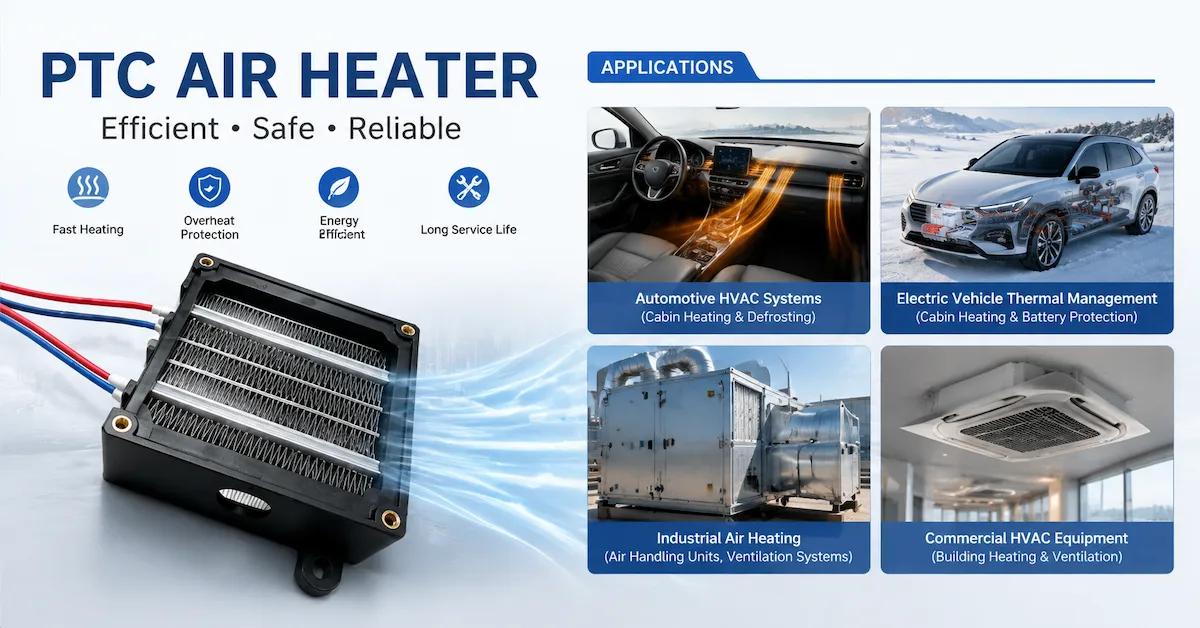
PTC Heater for HVAC System: Working Principle, Applications and Selection Guide

PTC Heater for HVAC System: Working Principle, Applications and Selection Guide

PTC heaters for HVAC systems provide efficient and reliable heating solutions for automotive, industrial and commercial applications. This guide explains how PTC heaters work, their advantages, applications and how to select a suitable supplier for customized HVAC heating requirements.

Read More
PTC Heater for Electric Vehicle: How to Choose the Right EV Heating Solution

PTC Heater for Electric Vehicle: How to Choose the Right EV Heating Solution

PTC heaters for electric vehicles provide efficient cabin heating and battery thermal management solutions in cold environments. This guide explains how EV manufacturers can select suitable PTC heaters based on heating performance, safety, energy efficiency, customization and supplier capability.

Read More
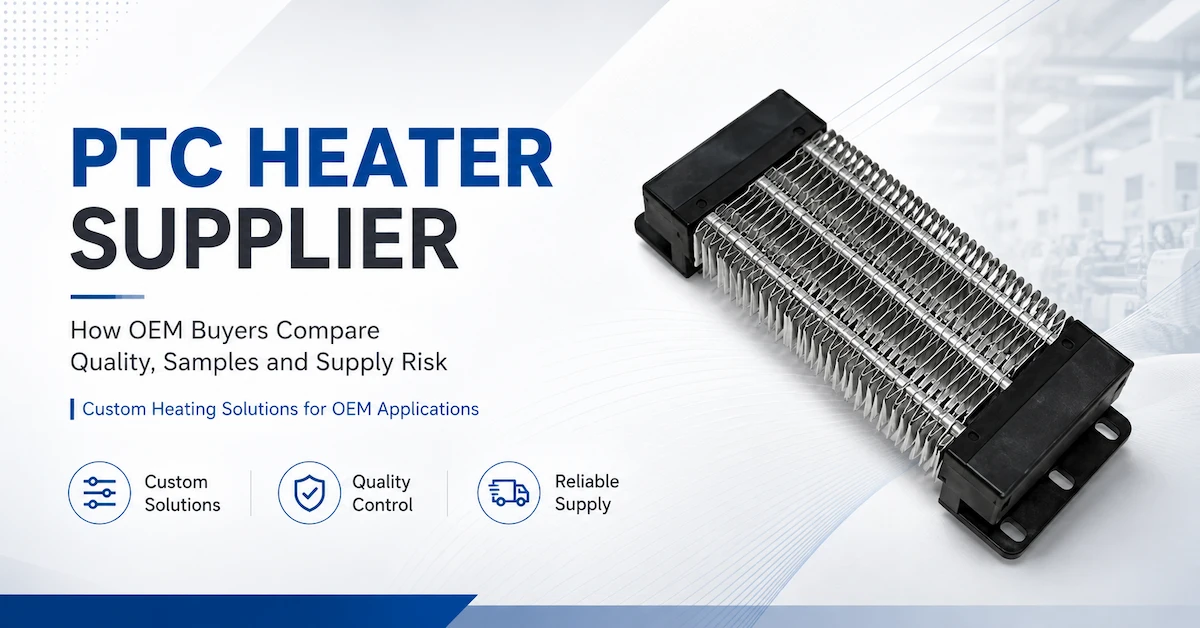
PTC Heater Supplier Guide: How OEM Buyers Compare Quality, Samples and Supply Risk

PTC Heater Supplier Guide: How OEM Buyers Compare Quality, Samples and Supply Risk

Choosing a PTC Heater Supplier involves more than comparing wattage and unit price. This guide helps OEM buyers evaluate technical support, customization, sample testing, quality control, quotations, lead time and long-term supply reliability before approving a heating partner.

Read More
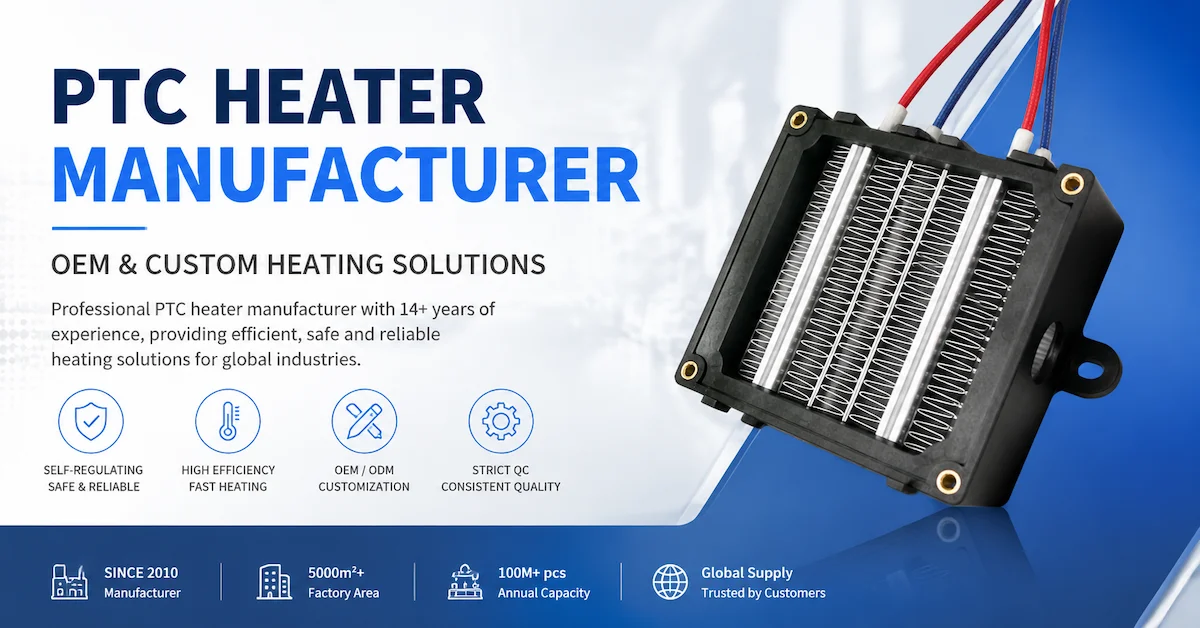
PTC Heater Manufacturer: How to Choose the Right OEM Partner

PTC Heater Manufacturer: How to Choose the Right OEM Partner

Choosing the right PTC heater manufacturer requires more than comparing price and wattage. This guide explains how OEM buyers can evaluate engineering capability, customization, sample testing, quality control, production consistency, cost, and RFQ requirements before selecting a long-term supplier.

Read More
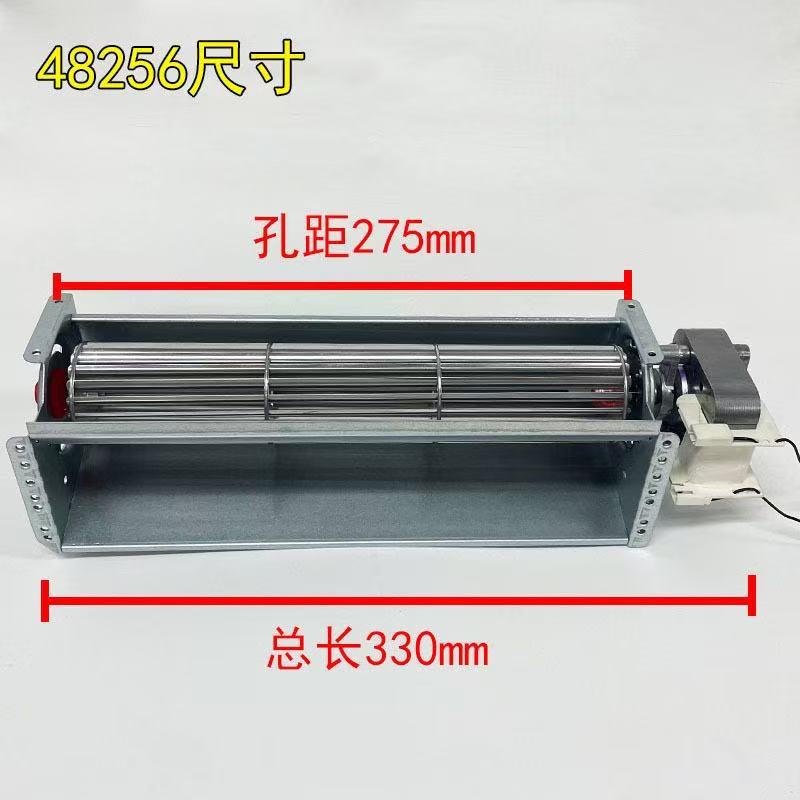
48256 Cross Flow Fan: The Ultimate Guide to Efficient, Low-Noise Airflow

48256 Cross Flow Fan: The Ultimate Guide to Efficient, Low-Noise Airflow

When it comes to moving air efficiently in tight spaces, few solutions match the performance of a cross flow fan (tangential fan). The 48256 model shown in the image is a prime example of this engineering marvel, designed to deliver consistent, low-noise airflow for a wide range of heating, ventilation, and industrial applications. Let’s break down what makes this fan such a versatile and reliable choice.

Read More
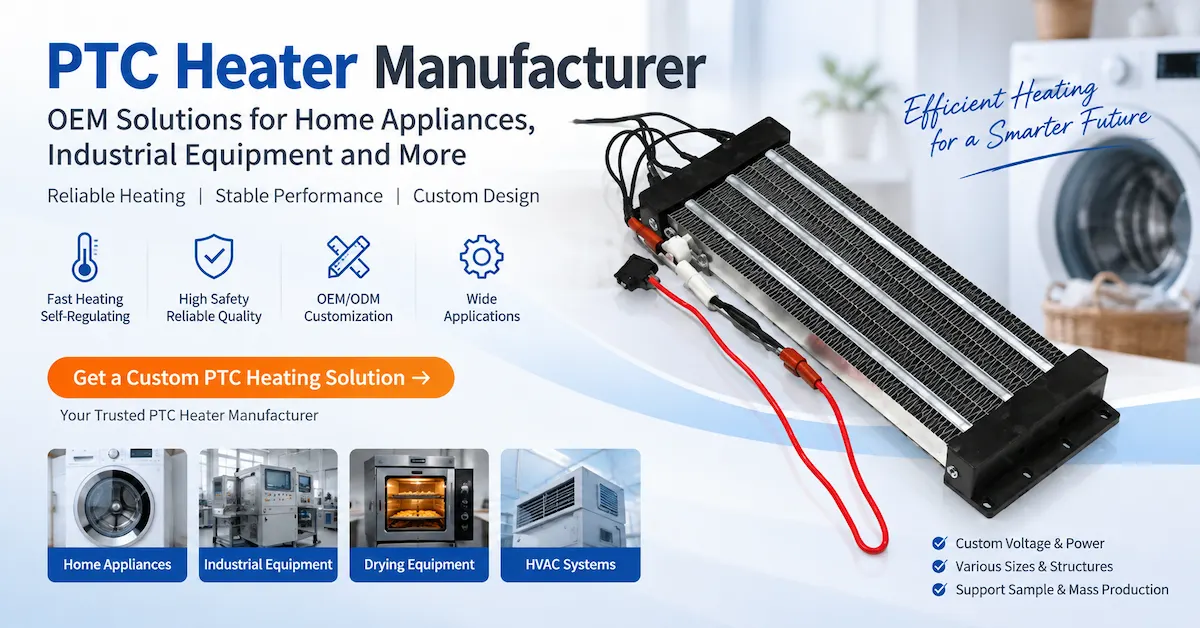
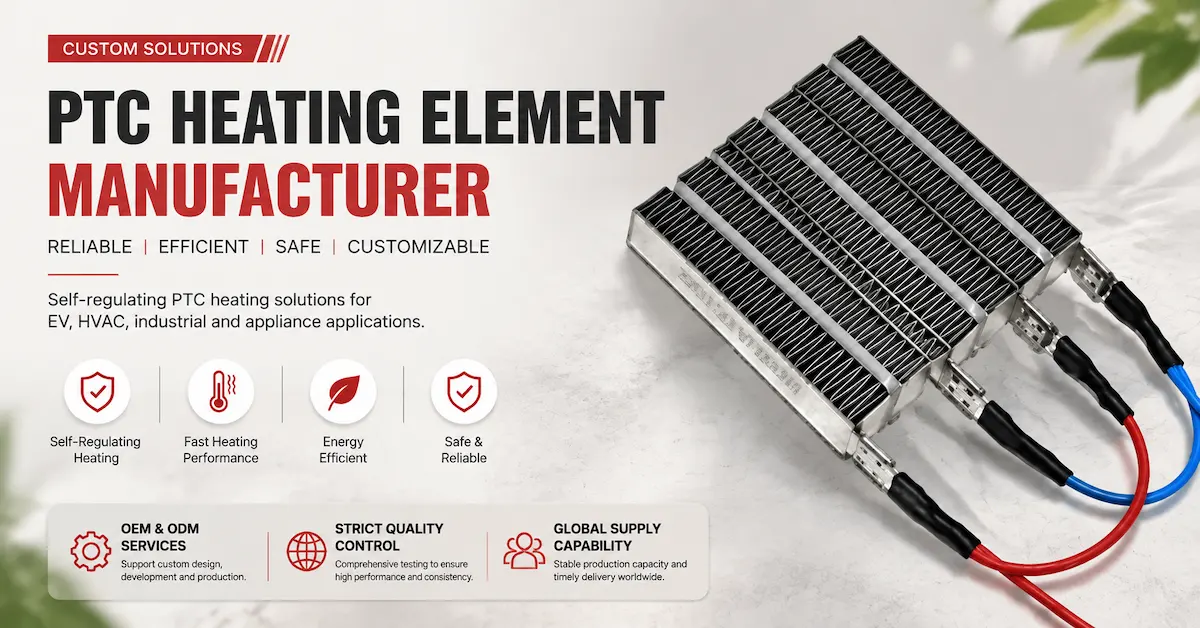
Why Our PTC Air Heaters Are the Smart, Safe Choice for Modern Air Heating

Why Our PTC Air Heaters Are the Smart, Safe Choice for Modern Air Heating

If you’ve ever dealt with unreliable heating elements, energy waste, or safety concerns in your air heating systems, it’s time to meet the solution: PTC (Positive Temperature Coefficient) air heaters. These compact, powerful modules are more than just heating components—they’re engineered to deliver consistent, safe, and efficient heat across countless applications, and our line of customizable models (as seen in the image) is built to exceed expectations.

Read More
The Complete Guide to PTC Fan Heaters for Industrial Cabinet Protection

The Complete Guide to PTC Fan Heaters for Industrial Cabinet Protection

Industrial automation relies on sensitive electronics housed within control cabinets, but these enclosures face a constant threat: temperature fluctuations. Condensation in humid conditions, freezing in cold climates, and component stress from temperature swings can lead to malfunctions, downtime, and costly repairs. To solve this, engineers are increasingly turning to integrated PTC Fan Heaters – a robust, intelligent solution designed for reliability. Available in key power ratings like 150W, 300W, 400W, and 600W, these units are the guardians of critical electrical systems.

Read More