Dongguan Tianrui Electronics Co., Ltd.
Dongguan Tianrui Electronics Co., Ltd. logo
PTC热敏电阻制造商:如何为OEM应用选择可靠的供应商

PTC热敏电阻制造商:如何为OEM应用选择可靠的供应商

购买指南PTC热敏电阻
Aug 14, 2026发布者 Dongguan Tianrui Electronics Co., Ltd.

如何选择可靠的 PTC 热敏电阻制造商?

可靠的PTC热敏电阻制造商应提供的不仅仅是标准组件。对于 OEM 买家来说,合适的供应商在提供用于批量生产的组件之前,应了解陶瓷材料特性、电阻温度行为、应用要求、制造一致性和质量验证。

PTC热敏电阻通常用作电气和电子系统中的保护元件。它们的性能直接影响过流保护、过热保护、电机安全、电池系统和其他温度敏感应用。

选择制造商时,买家应评估:

  • 陶瓷材料能力;
  • 电阻一致性;
  • 居里温度控制;
  • 定制能力;
  • 制作流程;
  • 检查方法;
  • 应用程序支持;
  • 长期供应稳定。

最好的供应商不仅仅是提供最低组件价格的公司。是能够在客户的最终应用中提供稳定的电气特性和可预测性能的制造商。
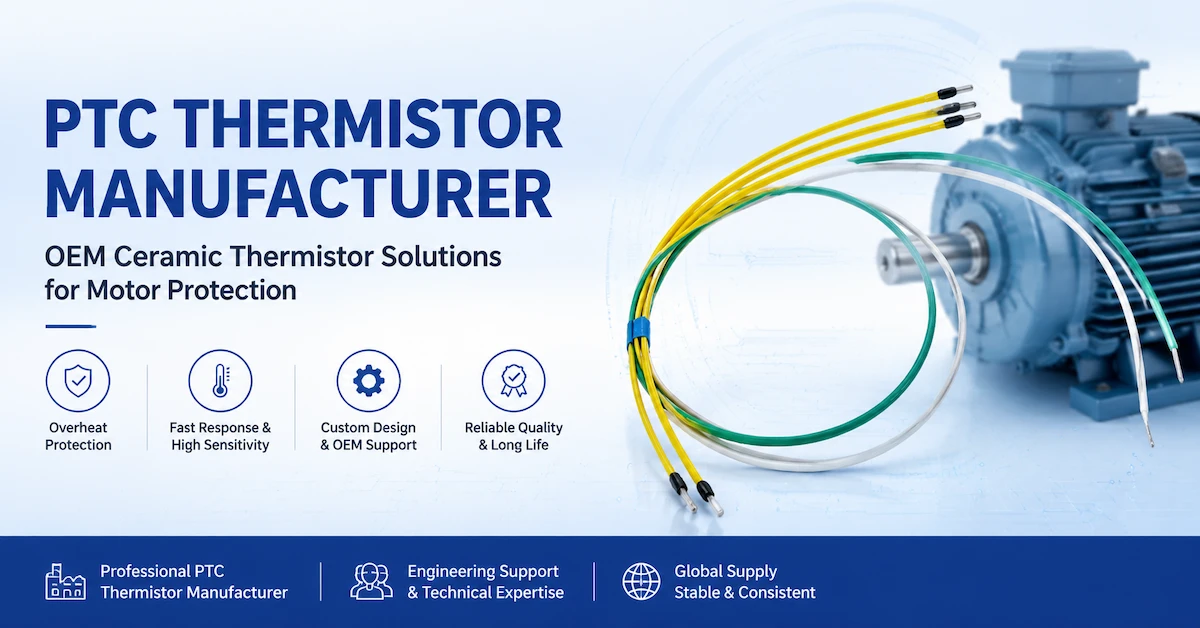
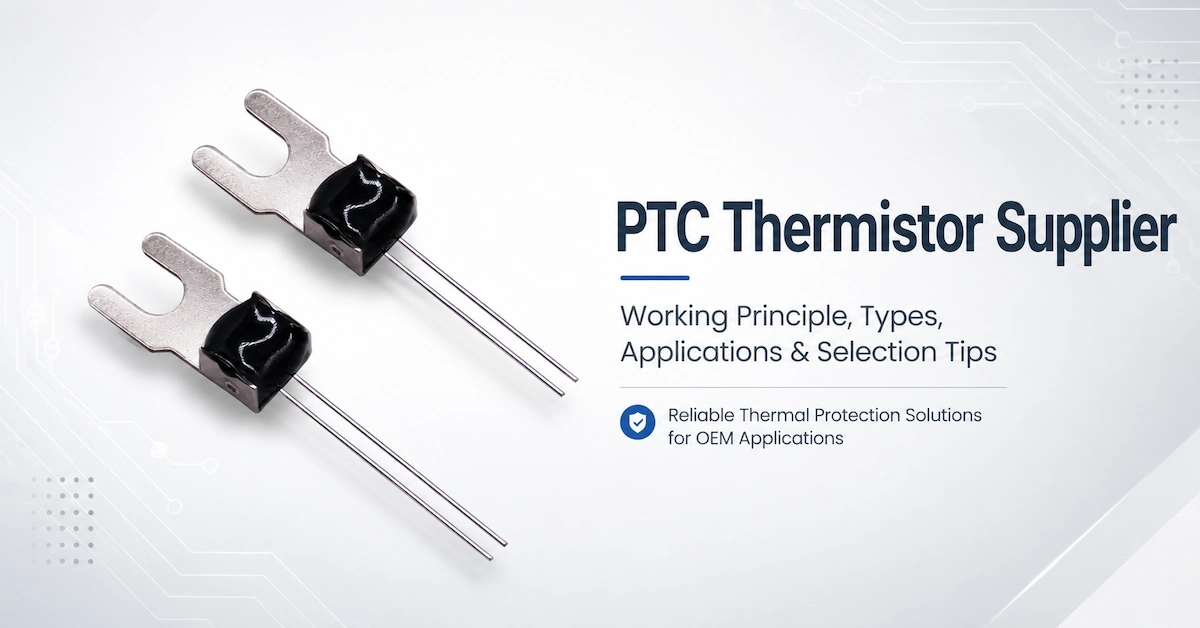
PTC 热敏电阻制造商

PTC 热敏电阻制造商是做什么的?

一家PTC热敏电阻制造商开发和生产基于半导体陶瓷材料的正温度系数热敏电阻。

与传统电阻器不同,PTC热敏电阻的电阻特性会随温度发生显着变化。

随着温度升高到接近设计的转变点,电阻急剧上升。这一特性使得 PTC 热敏电阻可用于:

  • 过流保护;
  • 过载保护;
  • 过热保护;
  • 电机保护;
  • 温度传感;
  • 电路保护。
  • 专业制造商不仅负责生产陶瓷组件,还负责控制以下关系:

    • 材料配方;
    • 陶瓷加工;
    • 电极结构;
    • 电阻值;
    • 切换温度;
    • 可靠性性能。

    对于 OEM 应用来说,这种关系比简单地购买具有标称电阻值的组件更重要。

    谁需要 PTC 热敏电阻制造商?

    对于开发需要稳定热保护和电气保护的产品的公司来说,与制造商的直接合作非常有价值。

    典型买家包括:

    电机制造商

    PTC 热敏电阻通常用于电机保护应用。

    它们可以帮助检测由以下原因引起的温度过度升高:

    • 过载;
    • 阻止旋转;
    • 异常操作条件;
    • 冷却不足。

    电机制造商通常关心:

  • 切换温度;
  • 响应特征;
  • 大小限制;
  • 长期可靠性。
  • 电源和电子制造商

    电子设备可能需要针对异常电流条件的保护。

    应用包括:

    • 电源;
    • 变压器;
    • 充电器;
    • 控制系统;
    • 电子模块。

    重要要求包括:

    • 电阻精度;
    • 电压能力;
    • 响应行为;
    • 稳定的批量性能。

    汽车电子公司

    汽车应用程序通常需要能够在以下条件下运行的组件:

    • 振动;
    • 温度循环;
    • 安装空间有限;
    • 运营周期长。

    PTC 热敏电阻可用于:

    • 电机;
    • 电池系统;
    • 电子控制系统;
    • 热保护电路。

    家电 OEM 制造商

    家用和商用电器可将 PTC 热敏电阻用于:

    • 加热控制;
    • 电机保护;
    • 安全功能;
    • 温度监控。

    示例包括:

    • 空调;
    • 冰箱;
    • 洗衣机;
    • 烘干机;
    • 小家电。

    工业设备制造商

    工业设备通常需要可靠的保护组件来实现:

    • 自动化系统;
    • 泵;
    • 电机;
    • 控制柜;
    • 电气设备。

    买家在选择制造商之前应评估哪些技术因素?

    合格的供应商应该帮助买家评估技术要求,而不仅仅是提供产品目录。

    最重要的因素包括:

    不同的应用程序需要这些特征的不同组合。

    与用于电路保护或温度控制的 PTC 热敏电阻相比,设计用于电机保护的 PTC 热敏电阻可能需要不同的电气行为。

    PTC 热敏电阻技术如何工作?

    PTC 热敏电阻基于正温度系数特性。

    基本工作原理是:

  • 在常温下,电阻仍然相对较低。
  • 电流正常流经组件。
  • 当温度升高到过渡区域时,电阻迅速增加。
  • 增加电阻会减少电流。
  • 该组件提供保护性响应。
  • 这种自调节特性使得 PTC 热敏电阻在需要自动保护的应用中非常有用。

    但是,实际性能取决于:

  • 陶瓷组合物;
  • 掺杂材料;
  • 烧结过程;
  • 电极技术;
  • 几何;
  • 操作条件。
  • 因此,选择具有材料和工艺知识的供应商非常重要。

    为什么陶瓷材料在 PTC 热敏电阻制造中很重要?

    陶瓷材料是PTC热敏电阻性能的核心。

    大多数 PTC 热敏电阻均基于钛酸钡 (BaTiO₃) 陶瓷系统。天瑞提供PTC陶瓷发热材料及相关加工技术的信息。

    最终电气特性可能受以下因素影响:

    • 陶瓷配方;
    • 掺杂剂选择;
    • 颗粒特征;
    • 成型过程;
    • 烧结条件;
    • 电极结构。

    材料控制能力更强的制造商可以更好地管理:

    • 阻力范围;
    • 切换温度;
    • 稳定性;
    • 生产批次之间的一致性。

    天瑞的技术信息描述了基于钛酸钡系统的 PTC 陶瓷材料,并解释了配方和加工对 PTC 特性的影响。公司还拥有PTC材料制备、陶瓷加工、电性能控制等技术能力。

    对于 OEM 买家来说,这意味着供应商不仅应该了解如何组装成品组件,还应该了解材料决策如何影响最终性能。

    哪些制造工艺会影响 PTC 热敏电阻的质量?

    专业的 PTC 热敏电阻生产过程通常涉及多个控制阶段。

    材料准备

    必须根据所需的电气特性制备陶瓷配方。

    重要因素包括:

  • 粉末成分;
  • 添加剂;
  • 混合均匀度;
  • 材料一致性。
  • 成型过程

    陶瓷材料被塑造成所需的组件结构。

    成型过程影响:

    • 尺寸;
    • 密度;
    • 机械强度。

    烧结

    高温烧结形成决定电气行为的陶瓷结构。

    烧结条件影响:

  • 阻力;
  • 温度特征;
  • 稳定性。
  • 电极处理

    电极提供电气连接。

    重要因素包括:

  • 电极材料;
  • 附着力;
  • 电阻;
  • 耐用性。
  • 测试和排序

    制造后,组件需要进行电气检查。

    典型检查包括:

  • 电阻;
  • 切换特性;
  • 尺寸;
  • 外观;
  • 可靠性性能。
  • 了解每个阶段的制造商可以更好地解决性能变化问题。

    哪些应用使用 PTC 热敏电阻?

    可靠的PTC热敏电阻制造商不仅要了解元件规格,还要了解实际的应用环境。

    同一 PTC 热敏电阻的性能可能会有所不同,具体取决于:

  • 工作温度;
  • 电力负载;
  • 安装方法;
  • 散热条件;
  • 保护要求。
  • 常见应用领域包括:

    电机保护应用

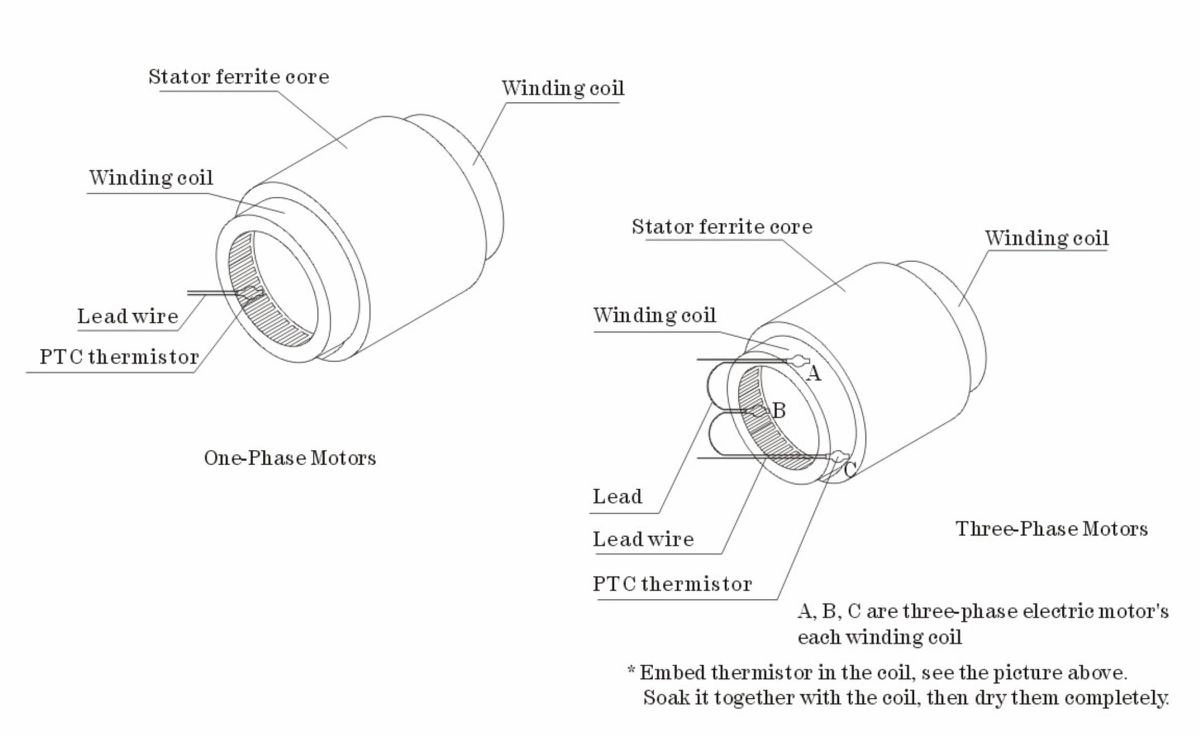
    电机保护是 PTC 热敏电阻最常见的用途之一。

    在异常情况下,电机温度可能会升高,原因是:

  • 过载;
  • 频繁启动;
  • 机械堵塞;
  • 通风不足;
  • 电流过大。
  • 安装在电机绕组内部或附近的PTC热敏电阻可以监控温度变化,并在温度达到定义的阈值时提供保护信号。

    重要的选择因素包括:

    • 切换温度;
    • 传感器尺寸;
    • 响应特征;
    • 操作环境;
    • 安装方法。

    典型应用包括:

  • 工业电机;
  • 泵;
  • 压缩机;
  • 粉丝;
  • 自动化设备。
  • 电池与新能源应用

    电池系统需要可靠的温度保护,因为温度过高会影响:

  • 安全;
  • 效率;
  • 使用寿命;
  • 系统可靠性。
  • PTC 热敏电阻可用于:

    • 电池组;
    • 充电系统;
    • 储能设备;
    • 电源管理模块。

    对于这些应用,买家应考虑:

  • 工作温度范围;
  • 响应一致性;
  • 绝缘要求;
  • 抗振性;
  • 长期稳定性。
  • 电力电子保护应用

    PTC热敏电阻也可用于电子保护电路。

    应用包括:

  • 适配器;
  • 充电器;
  • 变压器;
  • 电源模块;
  • 控制板。
  • 在这些应用中,供应商应帮助客户评估:

    • 电阻值;
    • 最大电压;
    • 保持当前状态;
    • 行程行为;
    • 恢复特征。

    家用电器应用

    用于电机保护的 PTC 热敏电阻

    许多设备需要紧凑且可靠的热保护。

    示例包括:

  • 冰箱;
  • 空调;
  • 洗衣机;
  • 烘干机;
  • 厨房用具。
  • PTC热敏电阻可以支持:

    • 电机保护;
    • 温度监控;
    • 安全保护。

    对于家电 OEM 客户来说,生产批次之间的一致性尤其重要,因为数百万台设备可能使用相同的组件设计。

    工业设备应用

    工业环境通常需要组件在连续运行下具有稳定的性能。

    PTC 热敏电阻可用于:

  • 自动化系统;
  • 电气柜;
  • 工业电机;
  • 控制设备;
  • 制造机械。
  • 供应商应了解:

  • 运营周期;
  • 环境条件;
  • 可靠性预期;
  • 维护要求。
  • 买家如何为 OEM 项目定制 PTC 热敏电阻?

    专业的PTC热敏电阻制造商应支持根据客户的电气和机械要求进行定制。

    定制可能涉及:

    • 电阻值;
    • 切换温度;
    • 尺寸;
    • 电线长度;
    • 终端类型;
    • 包装;
    • 组装方法;
    • 容差要求。

    A typical OEM development process includes:

    Step 1: Application Requirement Review

    The supplier should understand:

    • product application;
    • operating temperature;
    • electrical conditions;
    • installation limitations;
    • expected quantity.

    Step 2: Technical Evaluation

    The manufacturer evaluates:

    • suitable ceramic characteristics;
    • resistance range;
    • switching temperature;
    • component structure;
    • production feasibility.

    Step 3: Sample Development

    The supplier prepares samples according to:

    • drawings;
    • specifications;
    • electrical requirements;
    • customer testing conditions.

    Step 4: Sample Validation

    The customer evaluates:

    • resistance;
    • temperature response;
    • protection behavior;
    • mechanical fit;
    • reliability.

    Step 5: Mass Production Approval

    After approval, the supplier establishes:

    • production specifications;
    • inspection standards;
    • quality requirements;
    • repeat-order control.

    Tianrui's published customization information describes support from customer requirements, drawings or initial ideas through structure selection, material selection, drawings, tooling development, inspection and technical consultation.

    How Should You Evaluate PTC Thermistor Quality Control?

    Quality control is one of the most important differences between a component supplier and a reliable manufacturing partner.

    A professional manufacturer should control quality throughout the production process. Tianrui's manufacturing background and production capability can be reviewed on its company manufacturing page.

    Incoming Material Inspection

    Potential control items include:

    • ceramic raw materials;
    • electrode materials;
    • packaging materials;
    • wires and accessories.

    Material consistency directly affects final electrical performance.

    Manufacturing Process Control

    Important process controls may include:

    • forming accuracy;
    • sintering conditions;
    • electrode processing;
    • assembly consistency.

    Small variations in ceramic processing can influence resistance and temperature characteristics.

    Electrical Performance Testing

    Typical inspections include:

    参数 为什么重要
    25°C 时的电阻 确定初始电气特性
    居里温度 定义转换行为
    电阻-温度曲线 显示热响应
    最大电压 确定电气应用范围
    工作电流 影响保护性能
    切换特性 影响响应时间
    尺寸 确定机械集成
    容差 影响一致性
    可靠性数据 支持长期使用

    Batch Consistency Control

    For OEM buyers, one successful sample is not enough.

    A qualified supplier should ensure that:

    • mass production matches approved samples;
    • specifications remain controlled;
    • deviations are identified;
    • production records are maintained.

    This is especially important for automotive, industrial and appliance applications.

    PTC Thermistor Manufacturer vs Trading Supplier: Which Is Better?

    Different supplier models have different advantages.

    Test Item Purpose
    Resistance measurement Verify electrical characteristics
    Temperature response test Confirm switching behavior
    Voltage test Verify application suitability
    Current test Check protection performance
    Reliability test Evaluate long-term stability
    Dimension inspection Confirm mechanical compatibility

    For standard components, a trading supplier may meet basic purchasing needs.

    For custom PTC thermistors requiring specific resistance characteristics, testing requirements or long-term production support, working directly with a manufacturer usually provides better technical control.

    What Factors Affect PTC Thermistor Cost?

    PTC thermistor pricing depends on multiple factors rather than only component size.

    Important cost factors include:

    Material Requirements

    Different ceramic formulations and electrical characteristics may affect manufacturing complexity.

    Electrical Specifications

    Factors include:

    • resistance value;
    • switching temperature;
    • tolerance;
    • voltage requirements.

    Component Design

    Custom dimensions, wires, terminals or packaging can increase development requirements.

    Testing Requirements

    Additional validation or reliability testing may influence cost.

    Order Quantity

    Large production volumes usually improve manufacturing efficiency.

    Tooling and Development

    Customized structures may require:

    • tooling;
    • prototypes;
    • engineering evaluation.

    When comparing quotations, buyers should review:

    • unit price;
    • sample cost;
    • tooling cost;
    • testing cost;
    • packaging;
    • production quantity assumptions.

    The lowest quotation is not always the lowest total project cost.

    What Documentation Should Buyers Request From a PTC Thermistor Manufacturer?

    Documentation requirements depend on the final product and market.

    Buyers may need:

    • product specifications;
    • electrical test data;
    • reliability information;
    • material information;
    • quality records;
    • compliance documents where applicable.

    For products entering regulated markets, the required documentation should be determined according to the final equipment and applicable regulations.

    For example, electrical and electronic products sold in the European Union may need to consider RoHS requirements regarding restricted substances.

    The correct approach is:

    1. identify the final product;
    2. identify the target market;
    3. confirm applicable requirements;
    4. request relevant supplier documentation.

    How Should You Prepare a PTC Thermistor RFQ?

    A complete RFQ helps suppliers provide more accurate technical feedback.

    Recommended information includes:

    Factor Direct Manufacturer Trading Supplier
    Material knowledge Stronger Limited
    Customization Higher capability Depends on factory
    Technical support Direct engineering communication Usually indirect
    Production control Direct visibility Depends on supplier
    Cost structure More transparent May include additional margins
    Problem solving Faster technical feedback Requires coordination

    If some parameters are unknown, provide the application requirements instead.

    An experienced PTC Thermistor Manufacturer should help convert application requirements into a suitable component specification.

    FAQ About PTC Thermistor Manufacturers

    What is a PTC thermistor manufacturer?

    A PTC thermistor manufacturer produces positive temperature coefficient ceramic components used for temperature sensing and electrical protection applications. Manufacturers control ceramic materials, processing, electrical characteristics and quality testing.

    How does a PTC thermistor work?

    A PTC thermistor increases resistance as temperature rises near its transition point. This characteristic allows it to limit current or provide temperature-related protection.

    What materials are used in PTC thermistors?

    Most PTC thermistors use barium titanate (BaTiO₃)-based ceramic materials. Material formulation and processing influence resistance characteristics and switching temperature.

    Can PTC thermistors be customized?

    Yes. Depending on technical requirements, manufacturers can customize resistance values, switching temperature, dimensions, wires, terminals and packaging.

    What parameters should I check before purchasing a PTC thermistor?

    Important parameters include resistance value, switching temperature, voltage capability, current characteristics, dimensions, tolerance and application environment.

    What applications use PTC thermistors?

    PTC thermistors are commonly used in motor protection, battery systems, power electronics, appliances, industrial equipment and temperature-control applications.

    How do I choose between a PTC thermistor supplier and manufacturer?

    For standard products, suppliers may be sufficient. For customized components, direct cooperation with a manufacturer usually provides stronger technical support and production control.

    How are PTC thermistors tested?

    Testing may include resistance measurement, temperature response testing, voltage testing, current testing, dimensional inspection and reliability evaluation.

    What affects PTC thermistor pricing?

    Cost depends on ceramic material requirements, electrical specifications, customization, testing, tooling, quantity and production complexity.

    What information should I provide for a PTC thermistor quotation?

    Provide application details, electrical requirements, temperature conditions, dimensions, quantity, drawings if available and any required testing standards.

    Conclusion

    Selecting a PTC Thermistor Manufacturer is not only a purchasing decision but also a technical reliability decision.

    A suitable supplier should provide:

    • stable ceramic material control;
    • consistent electrical performance;
    • customization capability;
    • professional testing;
    • reliable quality control;
    • long-term production support.

    For OEM projects, the best supplier is the one that can understand the application requirement, convert it into a controlled specification and consistently reproduce qualified components during mass production.

    Before starting cooperation, buyers should evaluate:

    technical capability → sample validation → quality control → production consistency → supply reliability

    rather than choosing only based on initial price.

    For customized PTC thermistor projects, buyers can review Tianrui's PTC thermistor solutions or submit requirements through contact Tianrui.

    Information Details
    Application Motor, battery, appliance, electronics, etc.
    Resistance Required resistance value
    Switching temperature Target temperature
    Voltage Operating voltage
    Current Operating condition
    Size Mechanical limitation
    Installation Mounting method
    Environment Temperature, humidity, vibration
    Quantity Sample and annual demand
    Testing Required validation