
คุณควรเลือกผู้ผลิตเทอร์มิสเตอร์ PTC ที่เชื่อถือได้อย่างไร
PTC ที่เชื่อถือได้ ผู้ผลิตเทอร์มิสเตอร์ควรมีส่วนประกอบมากกว่ามาตรฐาน สำหรับผู้ซื้อ OEM ซัพพลายเออร์ที่เหมาะสมควรเข้าใจคุณลักษณะของวัสดุเซรามิก พฤติกรรมความต้านทานต่ออุณหภูมิ ข้อกำหนดในการใช้งาน ความสม่ำเสมอในการผลิต และการตรวจสอบคุณภาพก่อนที่จะจัดหาส่วนประกอบสำหรับการผลิตจำนวนมาก
เทอร์มิสเตอร์ PTC มักถูกใช้เป็นส่วนประกอบในการป้องกันในระบบไฟฟ้าและอิเล็กทรอนิกส์ ประสิทธิภาพส่งผลโดยตรงต่อการป้องกันกระแสเกิน การป้องกันความร้อนสูงเกินไป ความปลอดภัยของมอเตอร์ ระบบแบตเตอรี่ และการใช้งานที่ไวต่ออุณหภูมิอื่นๆ
เมื่อเลือกผู้ผลิต ผู้ซื้อควรประเมิน:
- ความสามารถของวัสดุเซรามิก
- ความสอดคล้องของความต้านทาน
- ตัวควบคุมอุณหภูมิกูรี;
- ความสามารถในการปรับแต่ง;
- กระบวนการผลิต;
- วิธีการตรวจสอบ;
- การสนับสนุนแอปพลิเคชัน;
- เสถียรภาพของอุปทานในระยะยาว
ซัพพลายเออร์ที่ดีที่สุดไม่ใช่เพียงบริษัทที่เสนอราคาส่วนประกอบต่ำที่สุดเท่านั้น เป็นผู้ผลิตที่สามารถให้คุณลักษณะทางไฟฟ้าที่มั่นคงและประสิทธิภาพที่คาดการณ์ได้ในการใช้งานขั้นสุดท้ายของลูกค้า
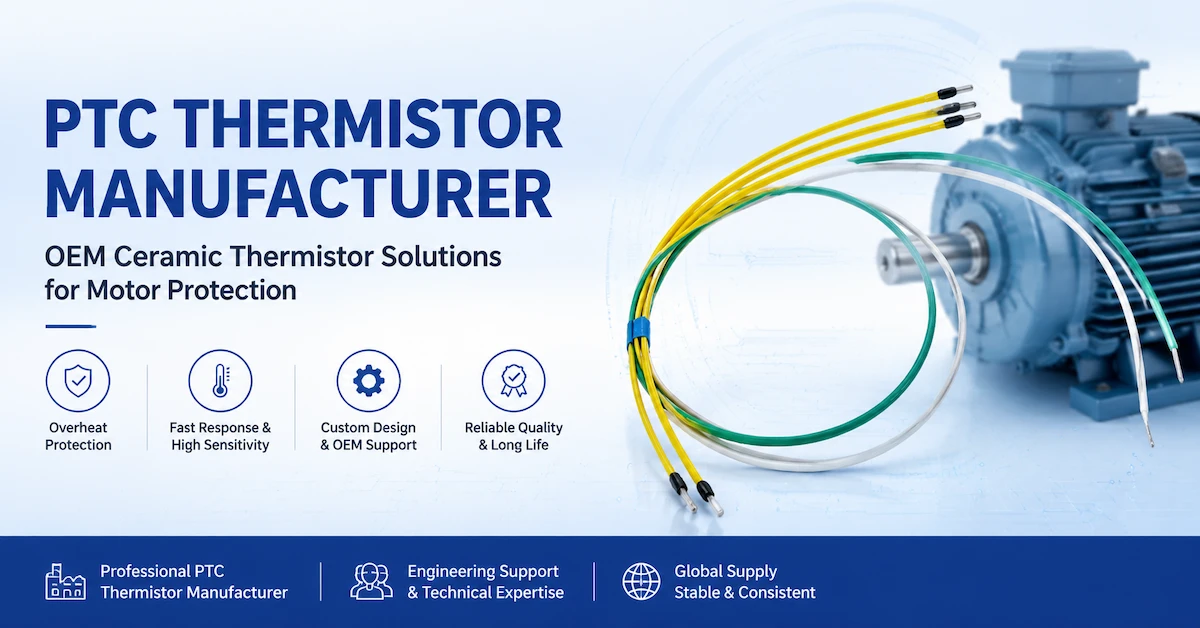
ผู้ผลิตเทอร์มิสเตอร์ PTC ทำหน้าที่อะไร
ผู้ผลิตเทอร์มิสเตอร์ PTC พัฒนาและผลิตเทอร์มิสเตอร์เทอร์มิสเตอร์สัมประสิทธิ์อุณหภูมิบวกโดยใช้วัสดุเซรามิกเซมิคอนดักเตอร์
เทอร์มิสเตอร์ PTC ต่างจากตัวต้านทานทั่วไปตรงที่มีลักษณะต้านทานที่เปลี่ยนแปลงอย่างมากตามอุณหภูมิ
เมื่ออุณหภูมิเพิ่มขึ้นใกล้จุดเปลี่ยนที่ออกแบบไว้ ความต้านทานจะเพิ่มขึ้นอย่างรวดเร็ว คุณลักษณะนี้ทำให้สามารถใช้เทอร์มิสเตอร์ PTC สำหรับ:
- การป้องกันกระแสเกิน;
- การป้องกันโอเวอร์โหลด;
- การป้องกันความร้อนสูงเกินไป
- การป้องกันมอเตอร์;
- การตรวจจับอุณหภูมิ;
- การป้องกันวงจร
ผู้ผลิตมืออาชีพไม่เพียงรับผิดชอบในการผลิตส่วนประกอบเซรามิกเท่านั้น แต่ยังรับผิดชอบในการควบคุมความสัมพันธ์ระหว่าง:
- การกำหนดวัสดุ;
- การประมวลผลเซรามิก
- โครงสร้างอิเล็กโทรด;
- ค่าความต้านทาน;
- อุณหภูมิสวิตช์
- ประสิทธิภาพความน่าเชื่อถือ
สำหรับการใช้งาน OEM ความสัมพันธ์นี้มีความสำคัญมากกว่าการซื้อส่วนประกอบที่มีค่าความต้านทานเล็กน้อย
ใครต้องการผู้ผลิตเทอร์มิสเตอร์ PTC
ความร่วมมือโดยตรงกับผู้ผลิตมีคุณค่าสำหรับบริษัทที่พัฒนาผลิตภัณฑ์ที่ต้องการการป้องกันความร้อนและไฟฟ้าที่มั่นคง
ผู้ซื้อทั่วไปได้แก่:
ผู้ผลิตมอเตอร์
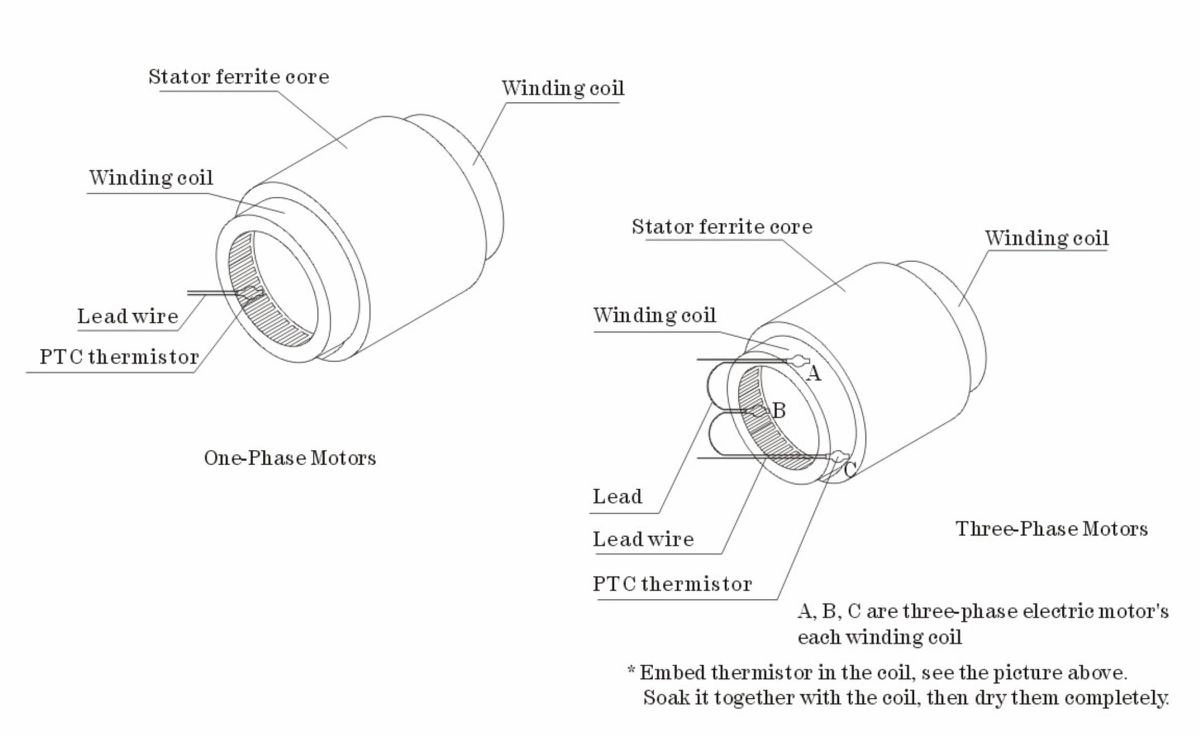
เทอร์มิสเตอร์ PTC มักใช้ในการใช้งานป้องกันมอเตอร์
สามารถช่วยตรวจจับอุณหภูมิที่เพิ่มขึ้นมากเกินไปที่เกิดจาก:
- โอเวอร์โหลด;
- การหมุนเวียนที่ถูกบล็อก
- สภาพการทำงานที่ผิดปกติ;
- การระบายความร้อนไม่เพียงพอ
ผู้ผลิตมอเตอร์มักจะให้ความสำคัญกับ:
- การสลับอุณหภูมิ
- ลักษณะการตอบสนอง;
- ข้อจำกัดด้านขนาด
- ความน่าเชื่อถือในระยะยาว
ผู้ผลิตพาวเวอร์ซัพพลายและอุปกรณ์อิเล็กทรอนิกส์
อุปกรณ์อิเล็กทรอนิกส์อาจต้องมีการป้องกันจากสภาวะปัจจุบันที่ผิดปกติ
แอปพลิเคชันประกอบด้วย:
- แหล่งจ่ายไฟ;
- หม้อแปลง;
- เครื่องชาร์จ;
- ระบบควบคุม
- โมดูลอิเล็กทรอนิกส์
ข้อกำหนดที่สำคัญ ได้แก่:
- ความแม่นยำในการต้านทาน
- ความสามารถด้านแรงดันไฟฟ้า;
- พฤติกรรมการตอบสนอง;
- ประสิทธิภาพของแบตช์ที่เสถียร
บริษัทอิเล็กทรอนิกส์ด้านยานยนต์
การใช้งานด้านยานยนต์มักต้องการส่วนประกอบที่สามารถทำงานภายใต้:
- การสั่นสะเทือน;
- การหมุนเวียนของอุณหภูมิ
- พื้นที่การติดตั้งจำกัด;
- ระยะเวลาการดำเนินงานที่ยาวนาน
เทอร์มิสเตอร์ PTC อาจใช้ใน:
- มอเตอร์;
- ระบบแบตเตอรี่;
- ระบบควบคุมอิเล็กทรอนิกส์
- วงจรป้องกันความร้อน
ผู้ผลิตอุปกรณ์ OEM
เครื่องใช้ไฟฟ้าในครัวเรือนและเชิงพาณิชย์อาจใช้เทอร์มิสเตอร์ PTC สำหรับ:
- การควบคุมความร้อน;
- การป้องกันมอเตอร์;
- ฟังก์ชันความปลอดภัย
- การตรวจสอบอุณหภูมิ
ตัวอย่างได้แก่:
- เครื่องปรับอากาศ;
- ตู้เย็น;
- เครื่องซักผ้า;
- เครื่องอบแห้ง;
- เครื่องใช้ไฟฟ้าขนาดเล็ก
ผู้ผลิตอุปกรณ์อุตสาหกรรม
อุปกรณ์อุตสาหกรรมมักต้องการส่วนประกอบการป้องกันที่เชื่อถือได้สำหรับ:
- ระบบอัตโนมัติ
- ปั๊ม;
- มอเตอร์;
- ตู้ควบคุม;
- อุปกรณ์ไฟฟ้า
ผู้ซื้อควรประเมินปัจจัยทางเทคนิคใดบ้างก่อนเลือกผู้ผลิต
ซัพพลายเออร์ที่มีคุณสมบัติเหมาะสมควรช่วยผู้ซื้อประเมินข้อกำหนดทางเทคนิค แทนที่จะจัดเตรียมแค็ตตาล็อกผลิตภัณฑ์เพียงอย่างเดียว
ปัจจัยที่สำคัญที่สุด ได้แก่:
| พารามิเตอร์ | เหตุใดจึงสำคัญ | |
|---|---|---|
| ความต้านทานที่ 25°C | กำหนดลักษณะทางไฟฟ้าเริ่มต้น | |
| อุณหภูมิคูรี | กำหนดพฤติกรรมการเปลี่ยนแปลง | |
| เส้นโค้งความต้านทาน-อุณหภูมิ | แสดงการตอบสนองต่อความร้อน | |
| แรงดันไฟฟ้าสูงสุด | กำหนดช่วงการใช้งานทางไฟฟ้า | |
| การดำเนินงานปัจจุบัน | มีอิทธิพลต่อประสิทธิภาพการป้องกัน | |
| ลักษณะการสลับ | ส่งผลต่อเวลาตอบสนอง | |
| ขนาด | กำหนดการบูรณาการทางกล | |
| ความอดทน | มีอิทธิพลต่อความสอดคล้อง | |
| ข้อมูลความน่าเชื่อถือ | รองรับการใช้งานในระยะยาว |
| Test Item | Purpose |
|---|---|
| Resistance measurement | Verify electrical characteristics |
| Temperature response test | Confirm switching behavior |
| Voltage test | Verify application suitability |
| Current test | Check protection performance |
| Reliability test | Evaluate long-term stability |
| Dimension inspection | Confirm mechanical compatibility |
Batch Consistency Control
For OEM buyers, one successful sample is not enough.
A qualified supplier should ensure that:
- mass production matches approved samples;
- specifications remain controlled;
- deviations are identified;
- production records are maintained.
This is especially important for automotive, industrial and appliance applications.
PTC Thermistor Manufacturer vs Trading Supplier: Which Is Better?
Different supplier models have different advantages.
| Factor | Direct Manufacturer | Trading Supplier |
|---|---|---|
| Material knowledge | Stronger | Limited |
| Customization | Higher capability | Depends on factory |
| Technical support | Direct engineering communication | Usually indirect |
| Production control | Direct visibility | Depends on supplier |
| Cost structure | More transparent | May include additional margins |
| Problem solving | Faster technical feedback | Requires coordination |
For standard components, a trading supplier may meet basic purchasing needs.
For custom PTC thermistors requiring specific resistance characteristics, testing requirements or long-term production support, working directly with a manufacturer usually provides better technical control.
What Factors Affect PTC Thermistor Cost?
PTC thermistor pricing depends on multiple factors rather than only component size.
Important cost factors include:
Material Requirements
Different ceramic formulations and electrical characteristics may affect manufacturing complexity.
Electrical Specifications
Factors include:
- resistance value;
- switching temperature;
- tolerance;
- voltage requirements.
Component Design
Custom dimensions, wires, terminals or packaging can increase development requirements.
Testing Requirements
Additional validation or reliability testing may influence cost.
Order Quantity
Large production volumes usually improve manufacturing efficiency.
Tooling and Development
Customized structures may require:
- tooling;
- prototypes;
- engineering evaluation.
When comparing quotations, buyers should review:
- unit price;
- sample cost;
- tooling cost;
- testing cost;
- packaging;
- production quantity assumptions.
The lowest quotation is not always the lowest total project cost.
What Documentation Should Buyers Request From a PTC Thermistor Manufacturer?
Documentation requirements depend on the final product and market.
Buyers may need:
- product specifications;
- electrical test data;
- reliability information;
- material information;
- quality records;
- compliance documents where applicable.
For products entering regulated markets, the required documentation should be determined according to the final equipment and applicable regulations.
For example, electrical and electronic products sold in the European Union may need to consider RoHS requirements regarding restricted substances.
The correct approach is:
- identify the final product;
- identify the target market;
- confirm applicable requirements;
- request relevant supplier documentation.
How Should You Prepare a PTC Thermistor RFQ?
A complete RFQ helps suppliers provide more accurate technical feedback.
Recommended information includes:
| Information | Details |
|---|---|
| Application | Motor, battery, appliance, electronics, etc. |
| Resistance | Required resistance value |
| Switching temperature | Target temperature |
| Voltage | Operating voltage |
| Current | Operating condition |
| Size | Mechanical limitation |
| Installation | Mounting method |
| Environment | Temperature, humidity, vibration |
| Quantity | Sample and annual demand |
| Testing | Required validation |
If some parameters are unknown, provide the application requirements instead.
An experienced PTC Thermistor Manufacturer should help convert application requirements into a suitable component specification.
FAQ About PTC Thermistor Manufacturers
What is a PTC thermistor manufacturer?
A PTC thermistor manufacturer produces positive temperature coefficient ceramic components used for temperature sensing and electrical protection applications. Manufacturers control ceramic materials, processing, electrical characteristics and quality testing.
How does a PTC thermistor work?
A PTC thermistor increases resistance as temperature rises near its transition point. This characteristic allows it to limit current or provide temperature-related protection.
What materials are used in PTC thermistors?
Most PTC thermistors use barium titanate (BaTiO₃)-based ceramic materials. Material formulation and processing influence resistance characteristics and switching temperature.
Can PTC thermistors be customized?
Yes. Depending on technical requirements, manufacturers can customize resistance values, switching temperature, dimensions, wires, terminals and packaging.
What parameters should I check before purchasing a PTC thermistor?
Important parameters include resistance value, switching temperature, voltage capability, current characteristics, dimensions, tolerance and application environment.
What applications use PTC thermistors?
PTC thermistors are commonly used in motor protection, battery systems, power electronics, appliances, industrial equipment and temperature-control applications.
How do I choose between a PTC thermistor supplier and manufacturer?
For standard products, suppliers may be sufficient. For customized components, direct cooperation with a manufacturer usually provides stronger technical support and production control.
How are PTC thermistors tested?
Testing may include resistance measurement, temperature response testing, voltage testing, current testing, dimensional inspection and reliability evaluation.
What affects PTC thermistor pricing?
Cost depends on ceramic material requirements, electrical specifications, customization, testing, tooling, quantity and production complexity.
What information should I provide for a PTC thermistor quotation?
Provide application details, electrical requirements, temperature conditions, dimensions, quantity, drawings if available and any required testing standards.
Conclusion
Selecting a PTC Thermistor Manufacturer is not only a purchasing decision but also a technical reliability decision.
A suitable supplier should provide:
- stable ceramic material control;
- consistent electrical performance;
- customization capability;
- professional testing;
- reliable quality control;
- long-term production support.
For OEM projects, the best supplier is the one that can understand the application requirement, convert it into a controlled specification and consistently reproduce qualified components during mass production.
Before starting cooperation, buyers should evaluate:
technical capability → sample validation → quality control → production consistency → supply reliability
rather than choosing only based on initial price.
For customized PTC thermistor projects, buyers can review Tianrui's PTC thermistor solutions or submit requirements through contact Tianrui.
บล็อกเด่น
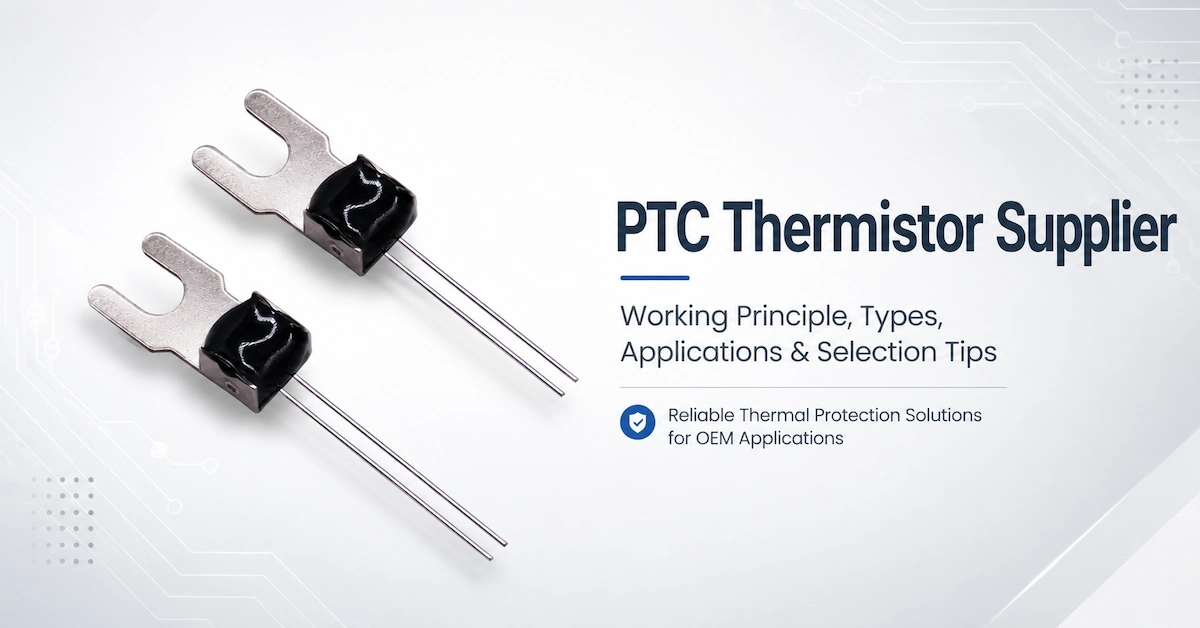
คู่มือซัพพลายเออร์เทอร์มิสเตอร์ PTC: หลักการทำงาน ประเภท การใช้งาน และเคล็ดลับในการเลือก
การเลือกซัพพลายเออร์เทอร์มิสเตอร์ PTC ที่เหมาะสมนั้นต้องการมากกว่าการเปรียบเทียบราคาผลิตภัณฑ์ คู่มือนี้จะอธิบายวิธีการทำงานของเทอร์มิสเตอร์ PTC ประเภทหลัก การใช้งาน พารามิเตอร์ทางเทคนิค ข้อกำหนดด้านคุณภาพ และข้อควรพิจารณาในการเลือก OEM เพื่อช่วยวิศวกรและทีมจัดซื้อค้นหาโซลูชันการป้องกันที่เชื่อถือได้
ผู้ผลิตเทอร์มิสเตอร์ PTC: วิธีเลือกซัพพลายเออร์ที่เชื่อถือได้สำหรับการใช้งาน OEM
การเลือกผู้ผลิตเทอร์มิสเตอร์ PTC ที่เหมาะสมนั้นต้องการมากกว่าการเปรียบเทียบราคาผลิตภัณฑ์ คู่มือนี้อธิบายว่าผู้ซื้อ OEM สามารถประเมินความสามารถของวัสดุเซรามิก คุณลักษณะความต้านทาน การปรับแต่ง การทดสอบ การควบคุมคุณภาพ และความน่าเชื่อถือในการจัดหาในระยะยาวสำหรับการป้องกันและการควบคุมอุณหภูมิได้อย่างไร
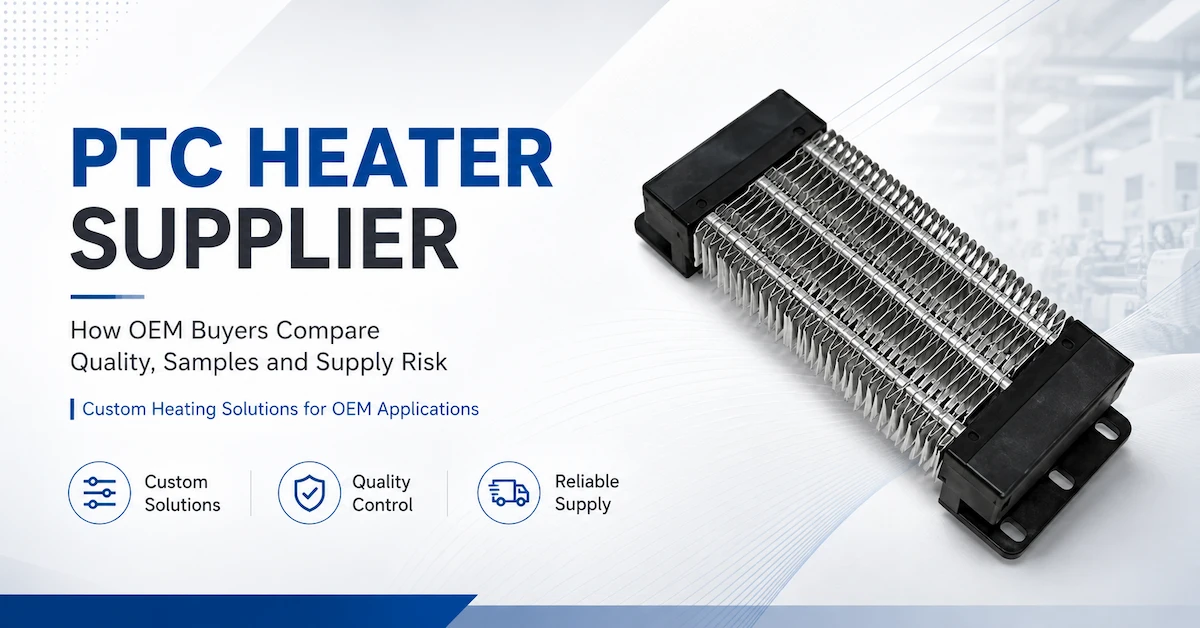
คู่มือซัพพลายเออร์เครื่องทำความร้อน PTC: วิธีที่ผู้ซื้อ OEM เปรียบเทียบคุณภาพ ตัวอย่าง และความเสี่ยงในการจัดหา
การเลือกผู้จำหน่ายเครื่องทำความร้อน PTC เกี่ยวข้องมากกว่าการเปรียบเทียบกำลังไฟและราคาต่อหน่วย คู่มือนี้ช่วยให้ผู้ซื้อ OEM ประเมินการสนับสนุนทางเทคนิค การปรับแต่ง การทดสอบตัวอย่าง การควบคุมคุณภาพ ใบเสนอราคา เวลานำ และความน่าเชื่อถือในการจัดหาในระยะยาว ก่อนที่จะอนุมัติพันธมิตรด้านความร้อน