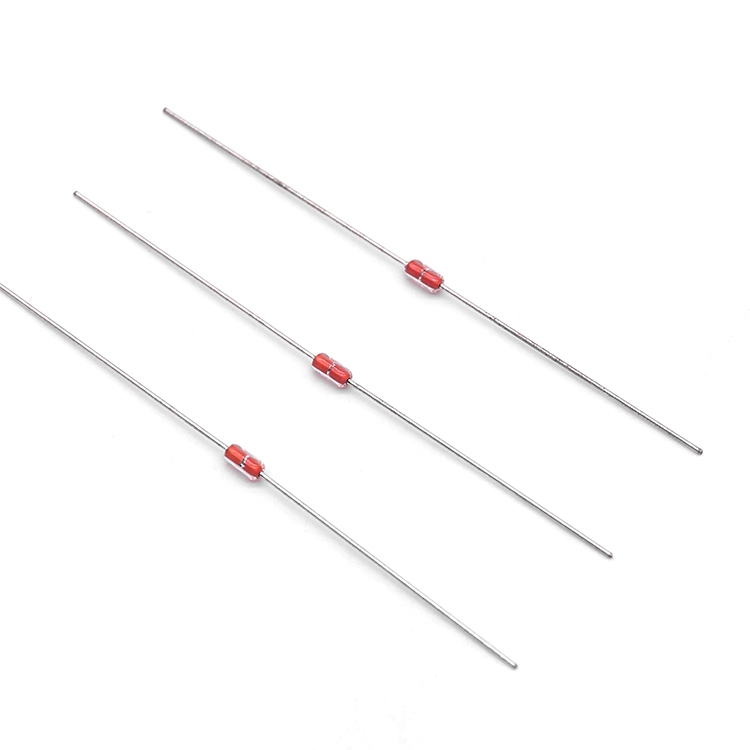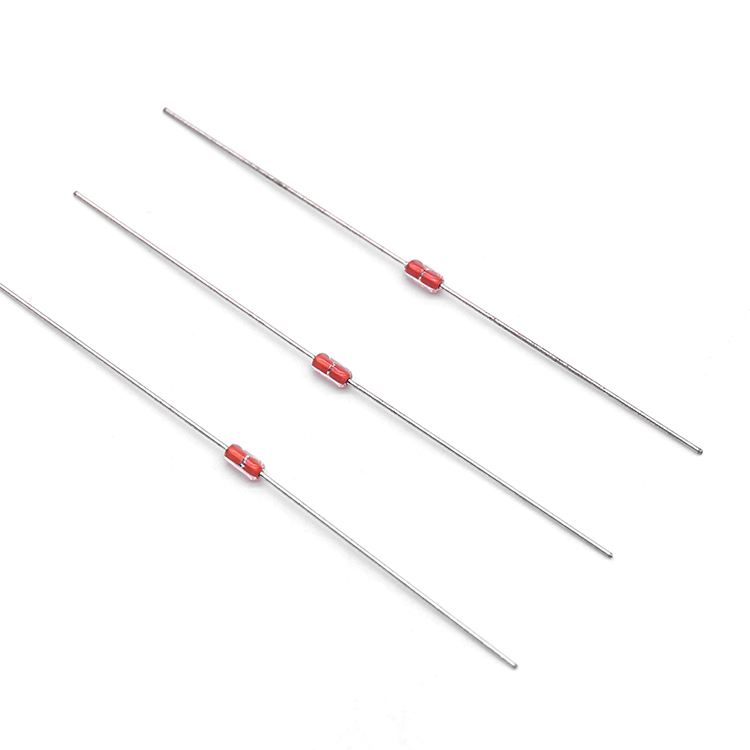



describe
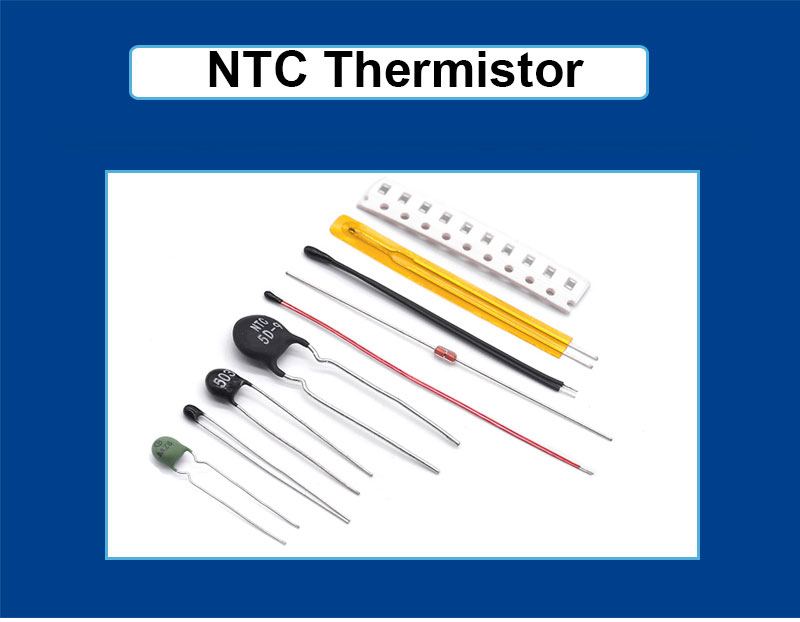
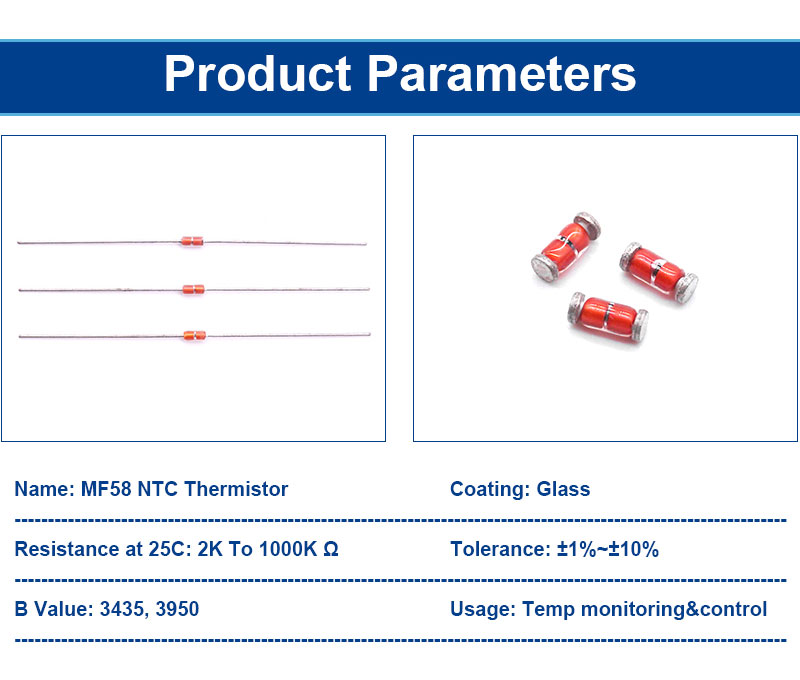
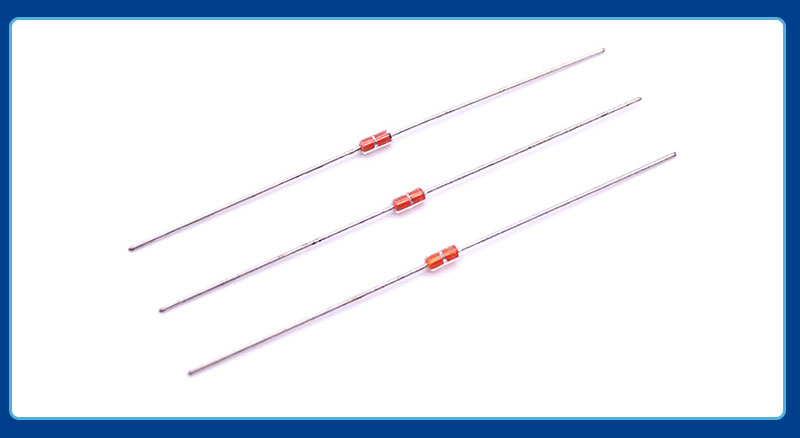
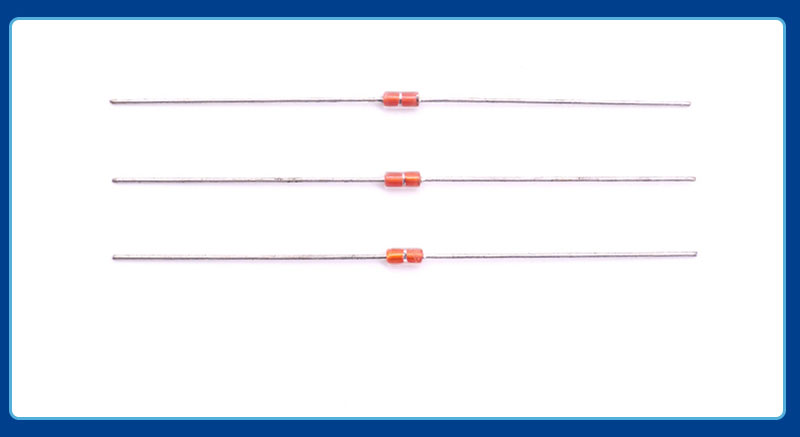
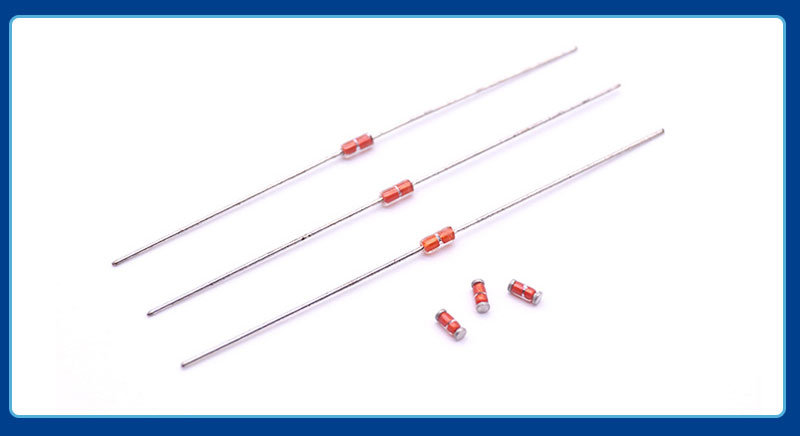
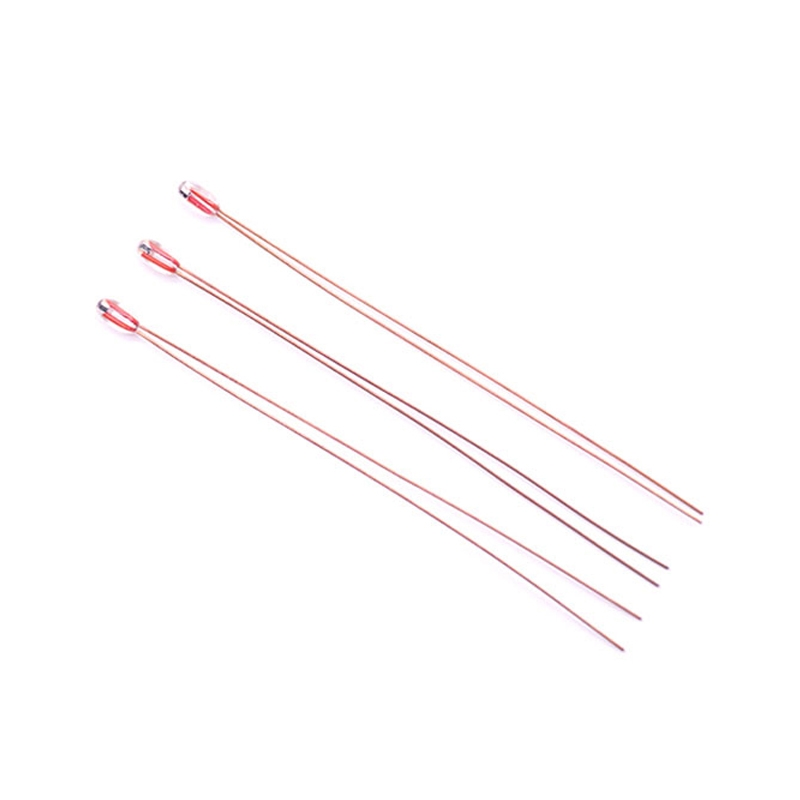
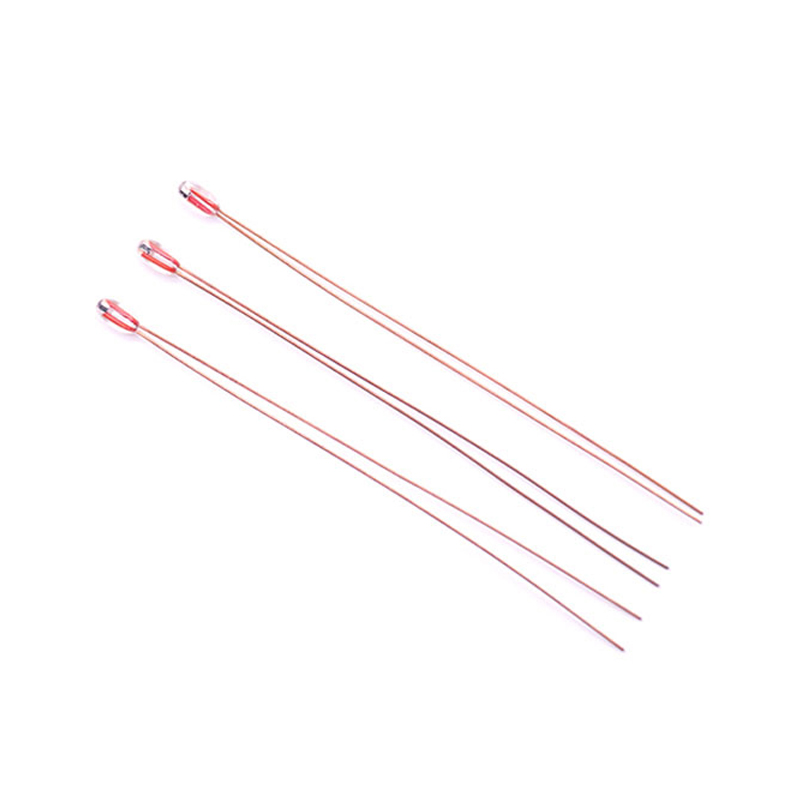
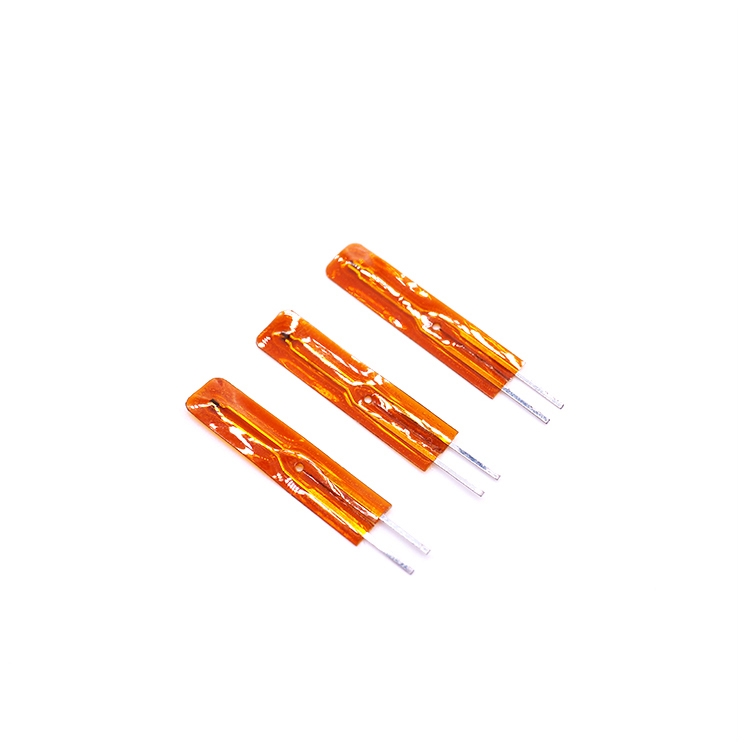
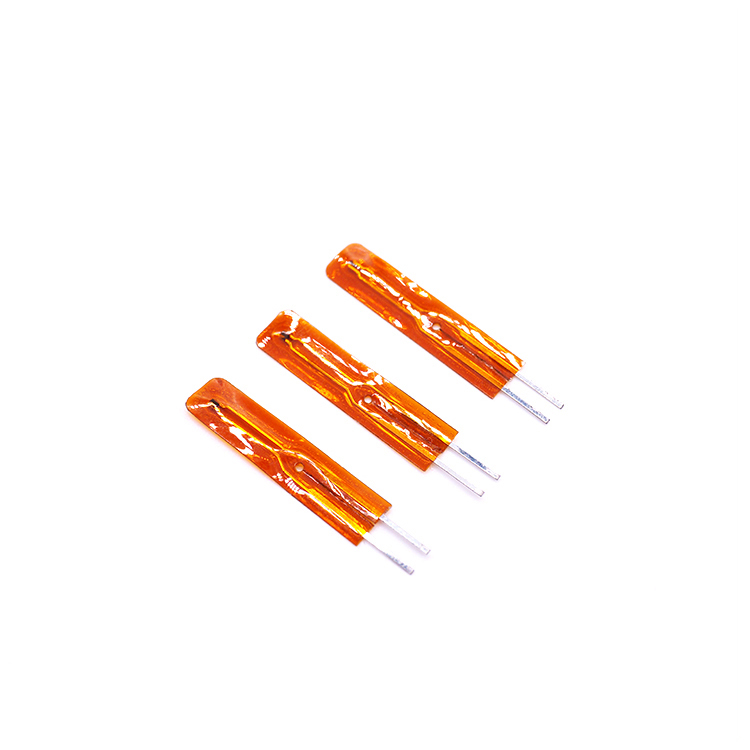
Double-terminal glass-sealed NTC thermistors are negative temperature coefficient thermistors manufactured using a rigorous glass encapsulation process. Their core feature lies in two alloy leads extending axially from either end of the cylindrical glass body. This structure is the source of their name and establishes their status as a classic, highly reliable temperature sensing element.
Specification
MF58 Glass Encapsulated Ntc Thermistor
Model: MF58
B value: 3470 ~ 4400
Resistance: 2K-1000KΩ
Working temperature: -55 ~ + 250 ℃
Product features: small size and high precision
Highlight features
1. Extreme environmental sealing and stability:
The glass shell forms a completely airtight protective layer that completely isolates water vapor, humidity, salt spray, and most corrosive gases or liquids, preventing oxidation or contamination of the internal ceramic thermistor chip. This ensures that it can maintain long-term measurement accuracy and stability in extremely harsh environments, with minimal resistance drift.
2. Excellent mechanical robustness and heat resistance:
The robust glass structure provides excellent resistance to vibration and shock. Furthermore, the inherent high-temperature resistance of glass enables it to operate over a wider temperature range (typically -55°C to +250°C or even higher), far exceeding that of epoxy-encapsulated devices.
3. Excellent electrical insulation and safety:
Glass is an excellent insulator, providing good electrical insulation and creepage distance between the two leads and between them and the external environment, ensuring safety and reliability in high voltage or high humidity environments.
4. Flexible and diverse installation methods:
Its unique axial lead structure makes it ideal for through-hole mounting (THT), enabling secure soldering to PCBs and strong resistance to mechanical stress. It can also be easily mounted on motor windings, metal surfaces, pipes, or heat sinks via bracket fixing, clamping, or gluing, enabling direct and efficient temperature monitoring.
Main Applications
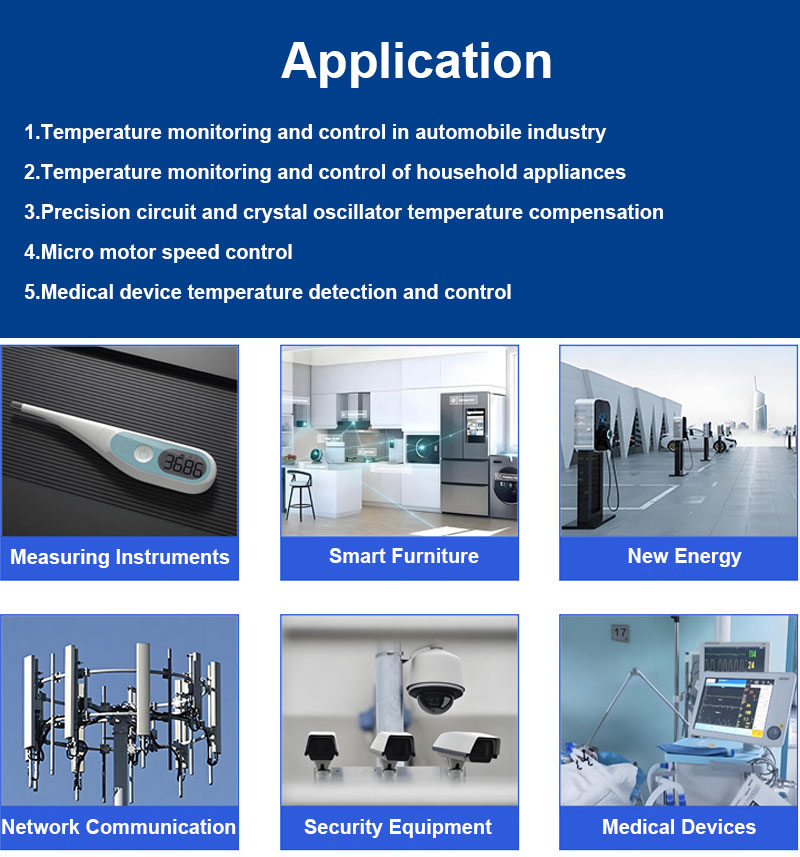
Industrial automation and control: servo motor, inverter winding overheat protection, industrial pump body, bearing temperature monitoring, plastic machinery temperature control unit.
Automotive electronics: Temperature measurement scenarios that require high environmental tolerance, such as engine coolant temperature, transmission oil temperature, and battery management system (BMS).
Household appliances: Temperature measurement in high-temperature and high-humidity environments inside high-end dishwashers, dryers, ovens, etc.
Power and energy management: heat dissipation temperature monitoring and overheating protection of switching power supplies, UPS, and inverters.
Medical and laboratory equipment: precision equipment that requires high sensor stability and reliability.