


Custom PTC solutions from prototype to mass production.

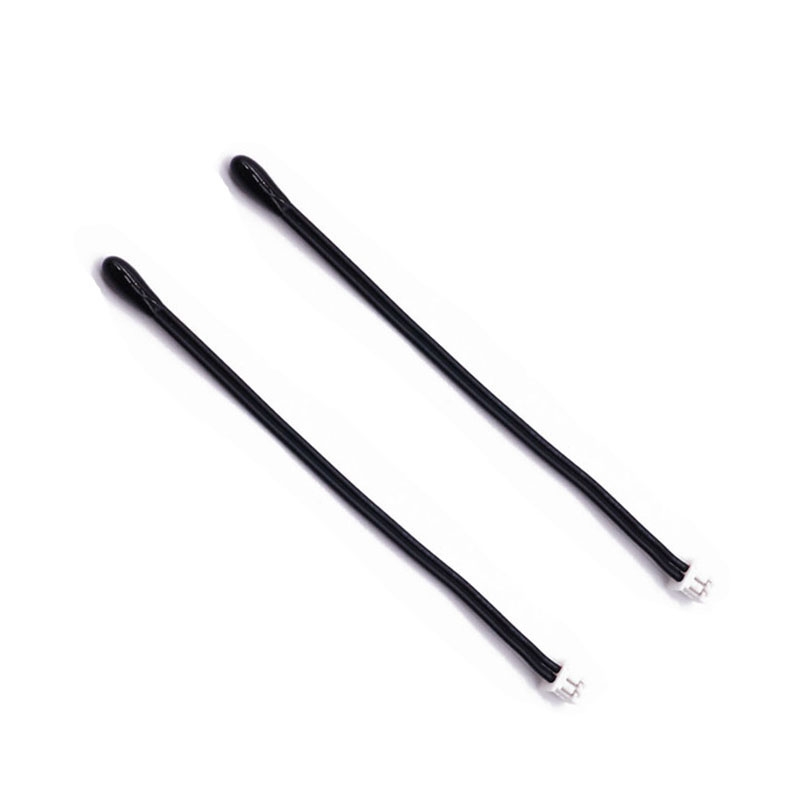
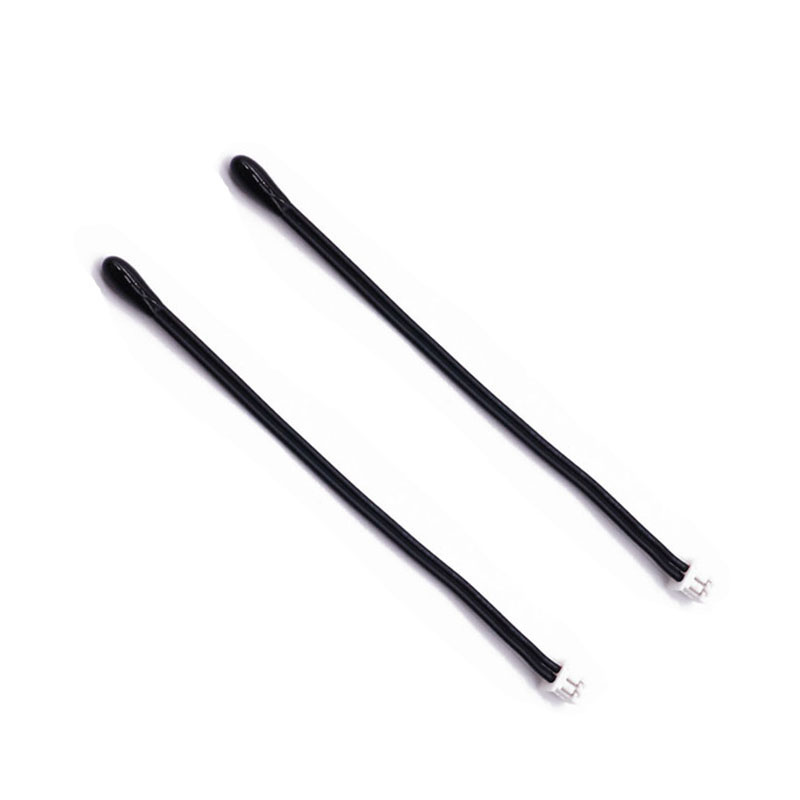
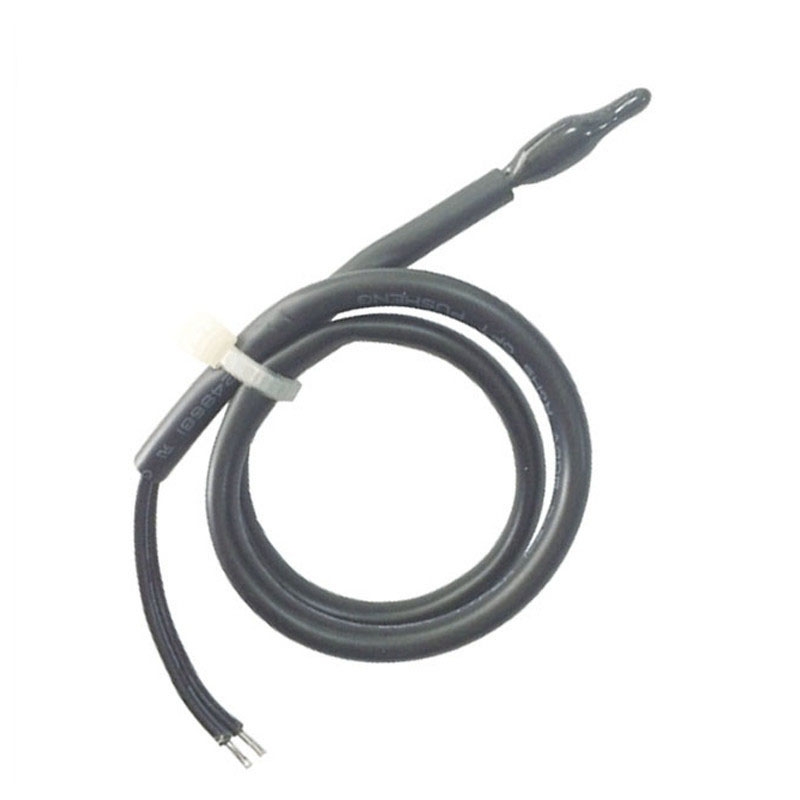
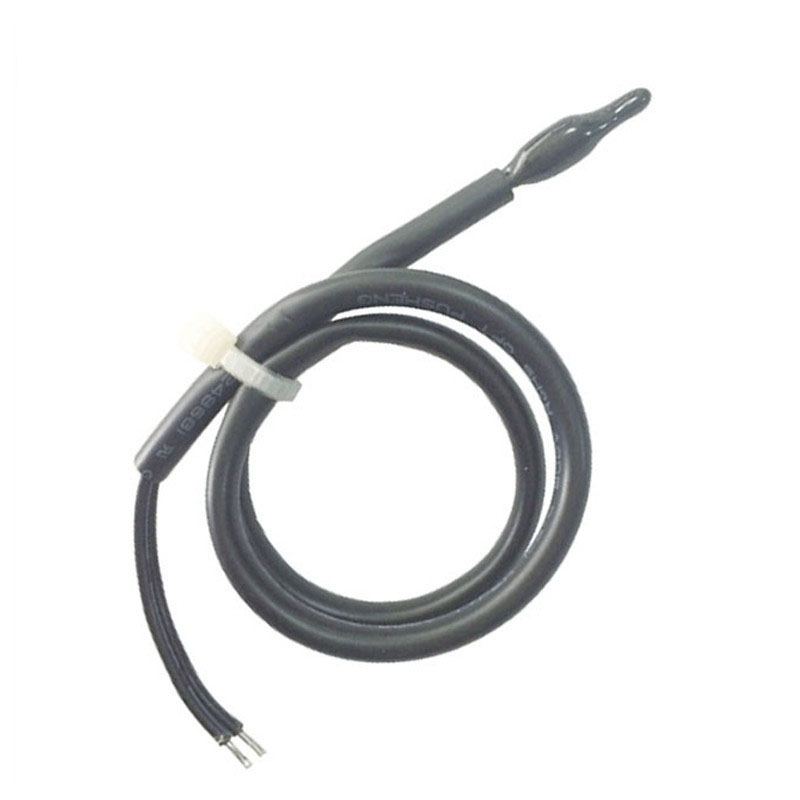
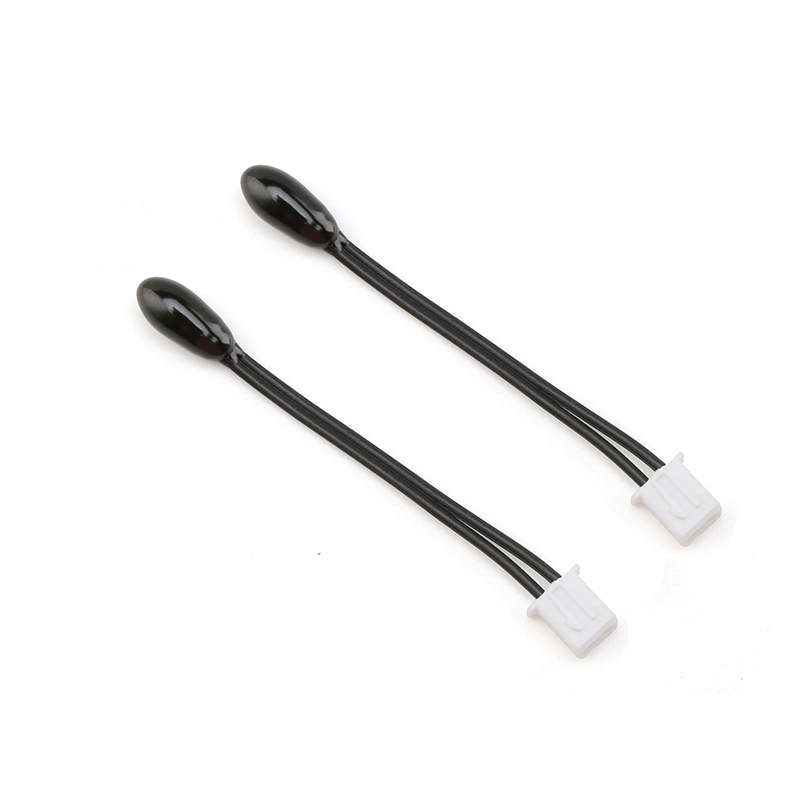
Epoxy Resin MF52 NTC Thermistor Temperature Sensor

‌
‌
‌
‌
‌

Product Details

Description
Privacy Policy
Reviews

Product Description

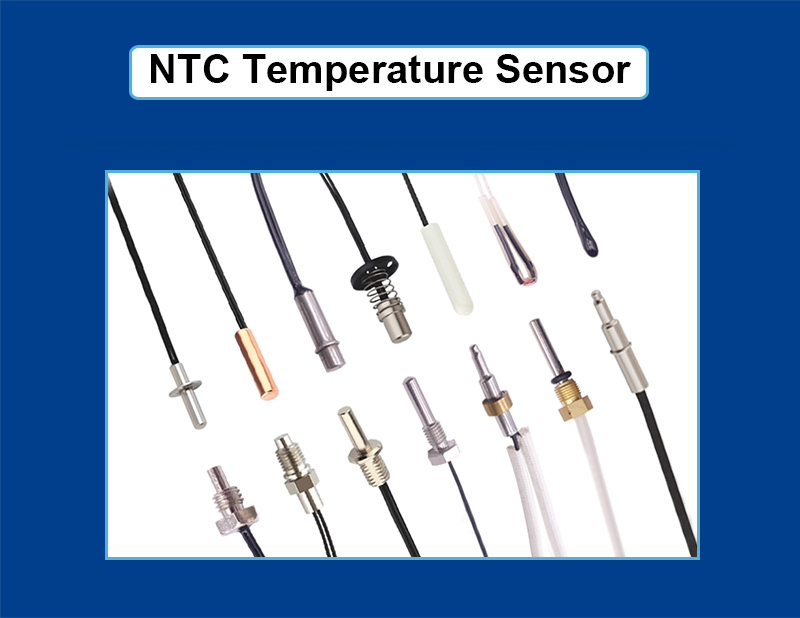
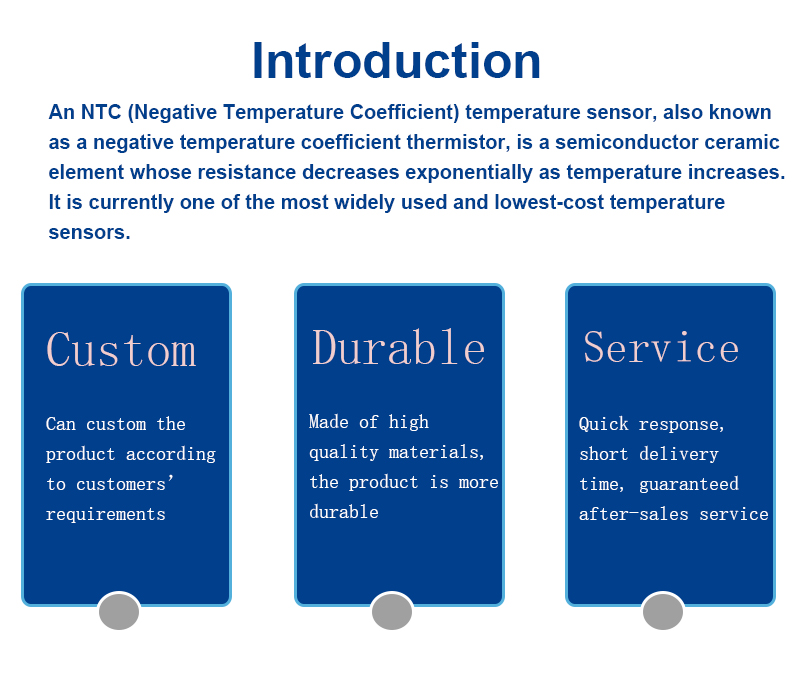
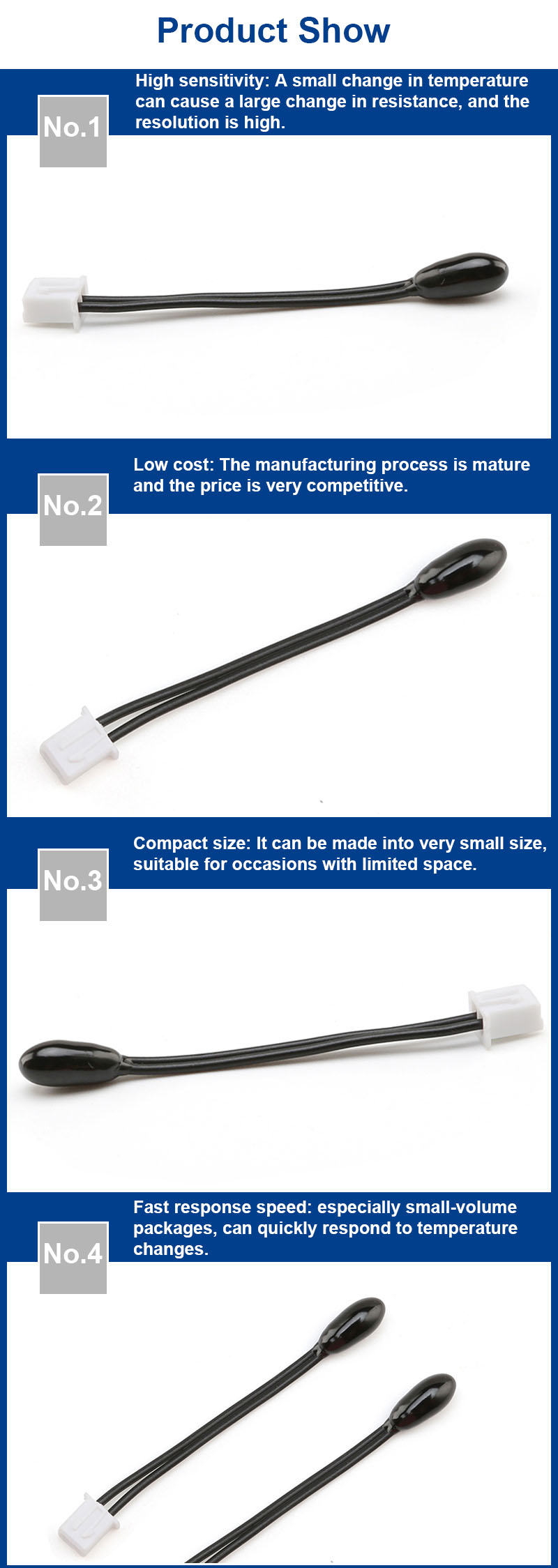
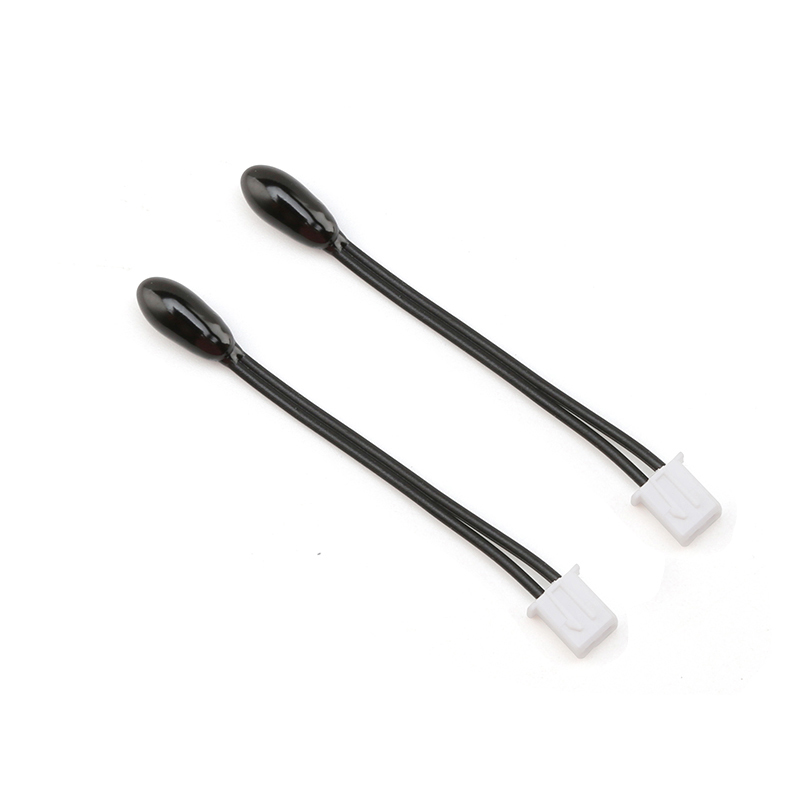
Epoxy resin probe temperature sensors are versatile thermal monitoring devices characterized by their durable epoxy-encapsulated sensing tip. These sensors utilize NTC thermistor elements fully potted in high-grade epoxy resin, creating a robust, waterproof structure ideal for various industrial and commercial applications where moisture resistance and mechanical protection are essential.


Specification

NTC temperature sensor
temperature range -30-105C
B value 3950
R value 10k
Accuracy 1%
probe epoxy resin coating
Cable customized

Epoxy Resin MF52 NTC Thermistor Temperature Sensor

Epoxy Resin MF52 NTC Thermistor Temperature Sensor

Epoxy Resin MF52 NTC Thermistor Temperature Sensor

Epoxy Resin MF52 NTC Thermistor Temperature Sensor

Features

Excellent waterproof and moisture-proof performance

Superior electrical insulation properties

Outstanding resistance to vibration and impact

Fast thermal response time

Wide operating temperature range (-50°C to 150°C)

Customizable probe dimensions and cable lengths

Cost-effective manufacturing solution

Application

Household appliance temperature monitoring

Automotive temperature measurement systems

Battery temperature management

HVAC equipment thermal protection

Industrial equipment temperature control

Medical device temperature sensing

Agricultural equipment monitoring

Consumer electronics thermal management

These sensors provide reliable temperature measurement while offering enhanced durability in challenging environments. The epoxy encapsulation ensures long-term stability and protection against environmental factors, making them suitable for applications where both precision and robustness are required.
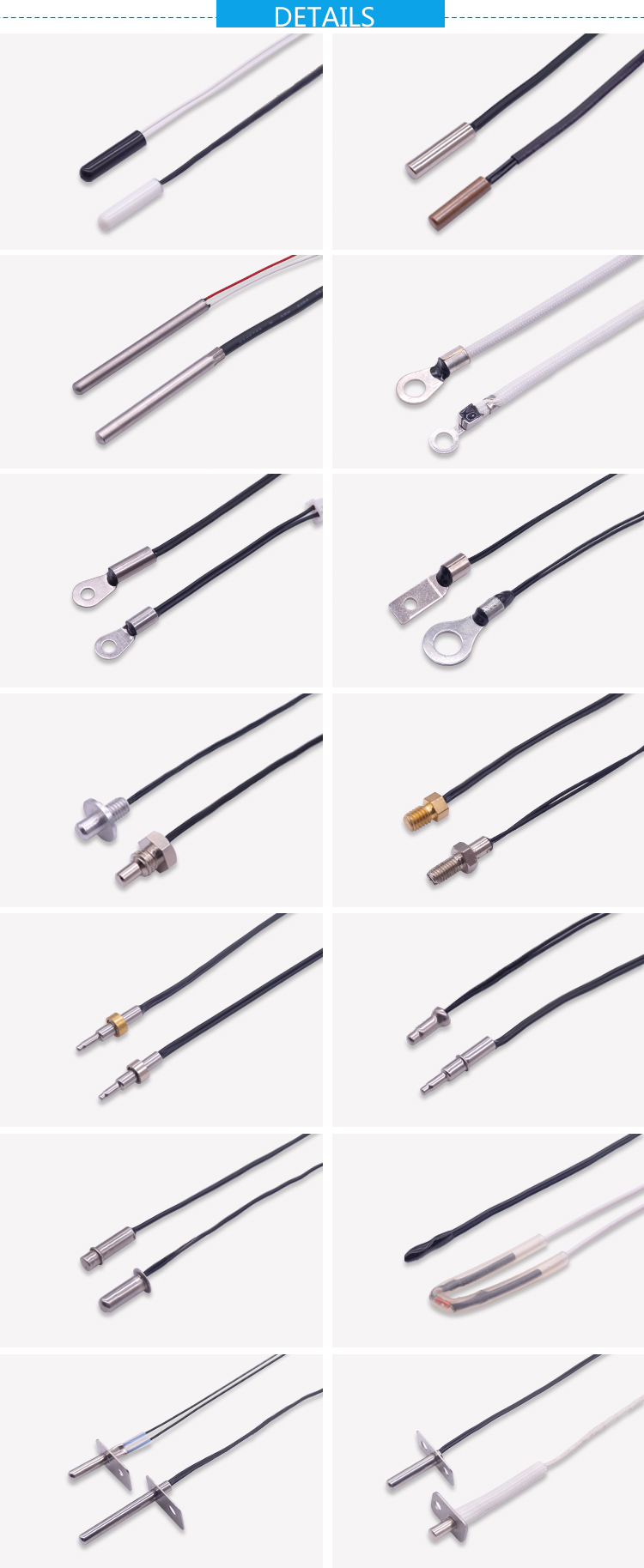
Epoxy Resin MF52 NTC Thermistor Temperature Sensor

People who viewed this also viewed

Epoxy Resin MF52 NTC Thermistor Temperature Sensor

Epoxy resin probe temperature sensors are versatile thermal monitoring devices characterized by their durable epoxy-encapsulated sensing tip. These sensors utilize NTC thermistor elements fully potted in high-grade epoxy resin, creating a robust, waterproof structure ideal for various industrial and commercial applications where moisture resistance and mechanical protection are essential.

Epoxy Resin NTC Temperature Sensor

Epoxy resin probe temperature sensors are versatile thermal monitoring devices characterized by their durable epoxy-encapsulated sensing tip. These sensors utilize NTC thermistor elements fully potted in high-grade epoxy resin, creating a robust, waterproof structure ideal for various industrial and commercial applications where moisture resistance and mechanical protection are essential.

Epoxy Resin Coating NTC Temperature Sensor for Automotive Air Conditioner

Epoxy resin probe temperature sensors are versatile thermal monitoring devices characterized by their durable epoxy-encapsulated sensing tip. These sensors utilize NTC thermistor elements fully potted in high-grade epoxy resin, creating a robust, waterproof structure ideal for various industrial and commercial applications where moisture resistance and mechanical protection are essential.

What to include in your inquiry

Clear requirements help our engineering team answer faster and recommend the right component the first time.

  • Product type and application, such as an NTC sensor for a battery pack or a PTC heater for an air-handling unit.
  • Key electrical values: resistance at 25 °C, B-value or switching temperature, rated voltage and power.
  • Operating temperature range, response time and any insulation, sealing or waterproof requirements.
  • Mechanical details including probe or housing size, lead length, cable, terminal and connector type.
  • Expected annual quantity, sample needs and target delivery schedule.
  • Drawings, photos or a current part number if you are replacing an existing component.

What happens after you contact us

  1. An engineer reviews your requirements and asks about any missing parameters.
  2. We recommend a standard model or propose a custom design together with a quotation.
  3. Samples are prepared for your testing and approval before volume production starts.