
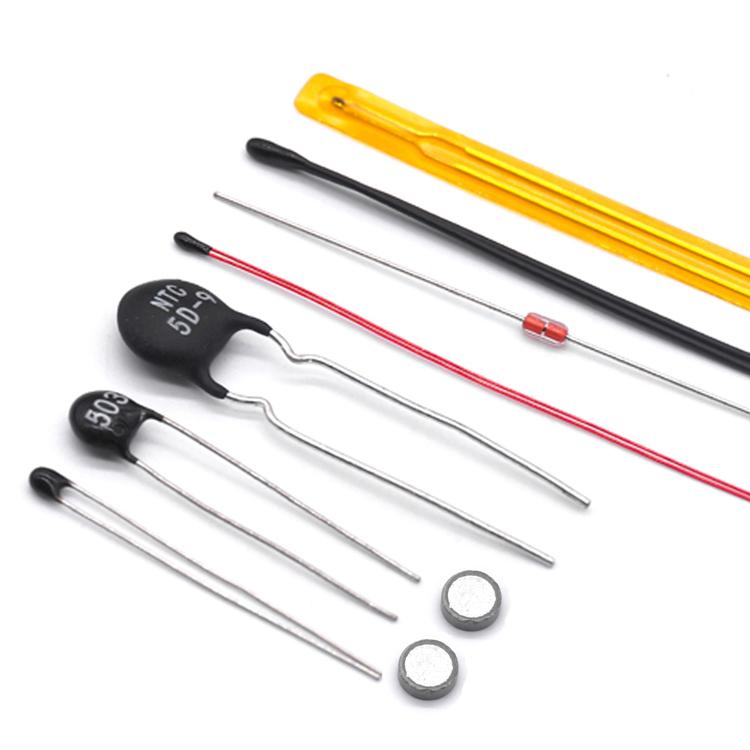
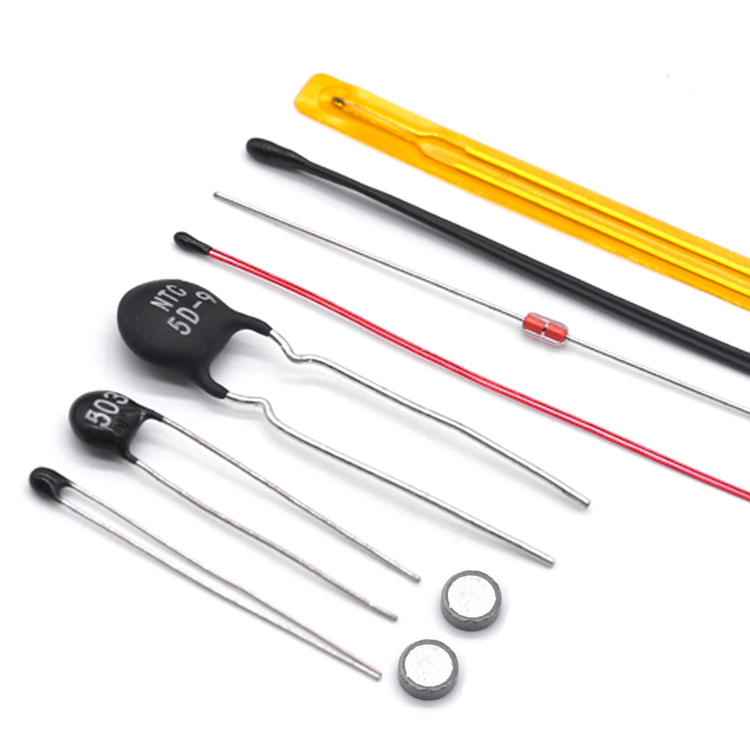
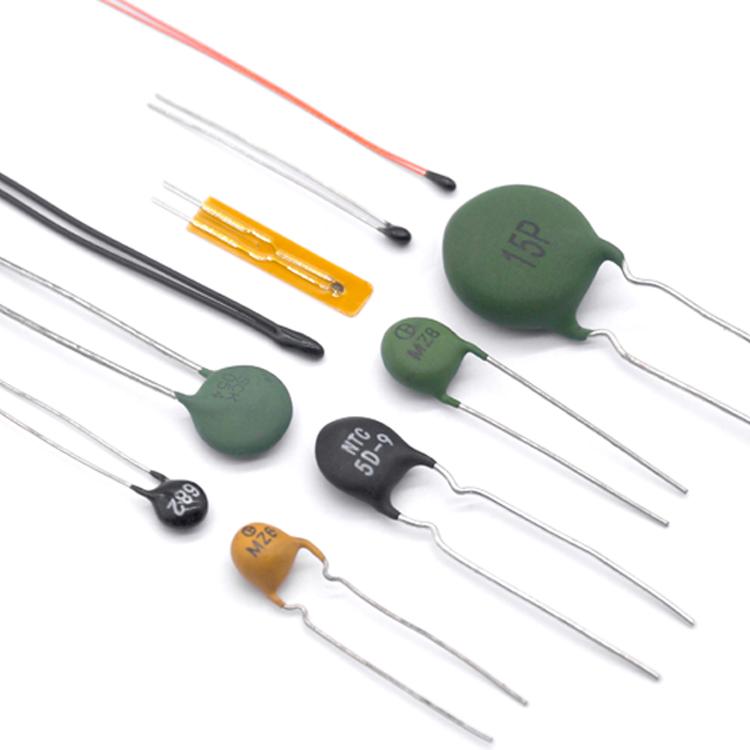
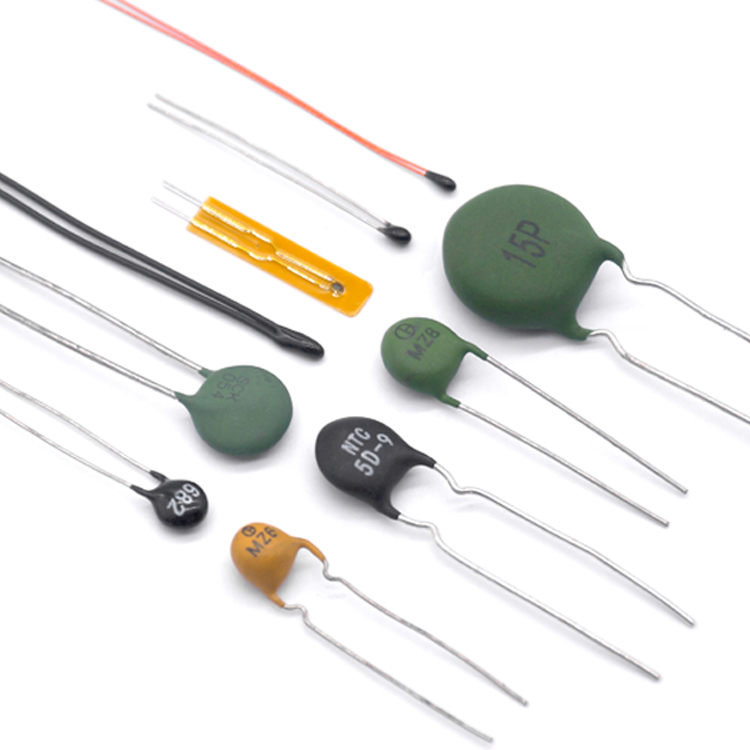
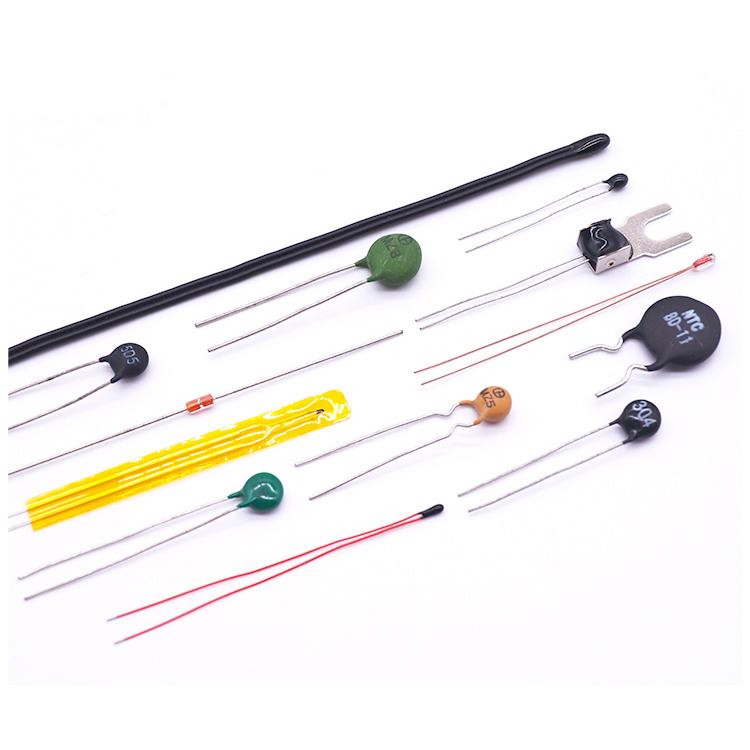
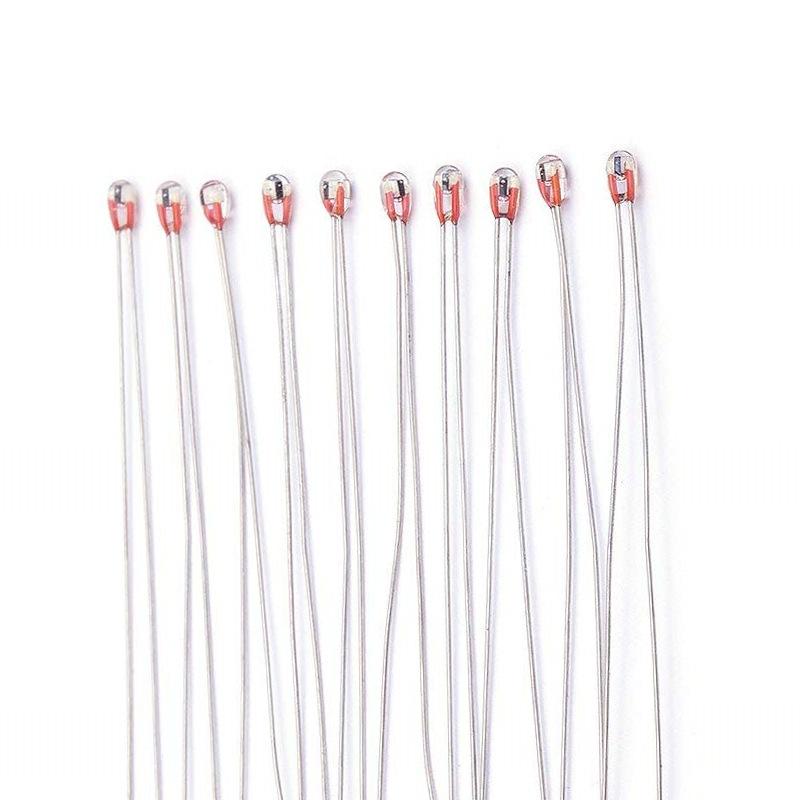
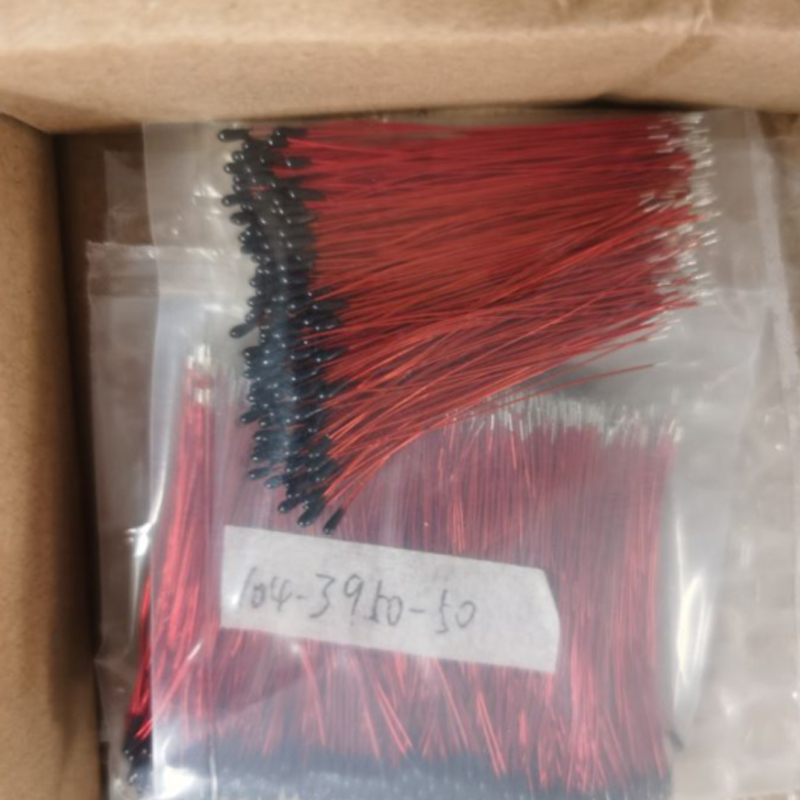
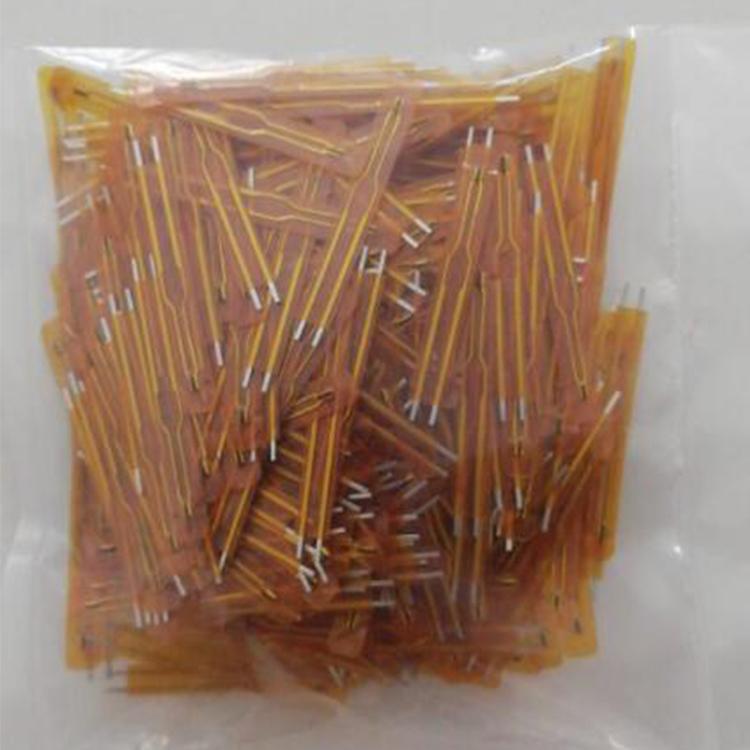
PTC thermistors are versatile and widely used components, celebrated for their unique self-regulating properties. However, like any technology, they are not a universal solution. A successful design requires a clear understanding of both their strengths and weaknesses. This article provides a balanced look at the advantages and limitations of using PTC thermistors.
Look around you. Your smartphone, laptop, gaming console, and smart speaker all have one thing in common: they are packed with sophisticated, expensive electronics that are vulnerable to electrical faults. Yet, we use them daily with an expectation of safety and reliability. This peace of mind is made possible, in part, by a tiny, hidden guardian: the PTC thermistor.
A PTC thermistor datasheet can seem like a wall of technical jargon and complex graphs. However, selecting the right component for your project hinges on understanding a few critical parameters. This guide breaks down the key specifications you'll find on any PTC datasheet, transforming it from a confusing document into a valuable design tool.
Suspect a faulty PTC thermistor in your circuit? Whether it's a resettable fuse that won't reset or a heater that isn't warming up, a standard digital multimeter (DMM) is the perfect tool for a quick and effective diagnosis. This guide will walk you through the simple steps to test and troubleshoot a PTC thermistor.
When engineers think of PTC thermistors, the image that most often comes to mind is the ceramic type, known for its sharp, dramatic resistance switch at the Curie point. But there's another player in the PTC arena that offers a completely different set of characteristics: the silicon PTC thermistor. Understanding the difference between these two is key to selecting the perfect component for sensing, not just protection.
In the eternal battle to protect electronic circuits from overloads and short circuits, engineers have long relied on the sacrificial lamb: the one-time fuse. It does its job well but dies in the process, leaving a device inoperable and a user frustrated. But what if you had a guardian that could step in, take the hit, and then seamlessly step back, ready to do it all over again? Enter the self-healing hero of circuit protection: the PTC thermistor.
Home
Product
Contact
About Us