
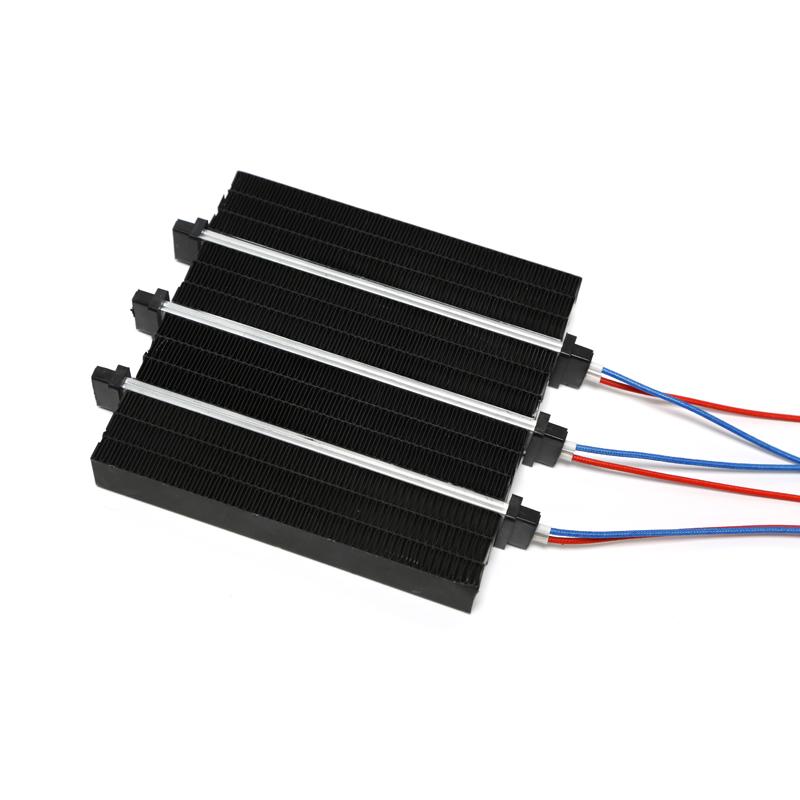
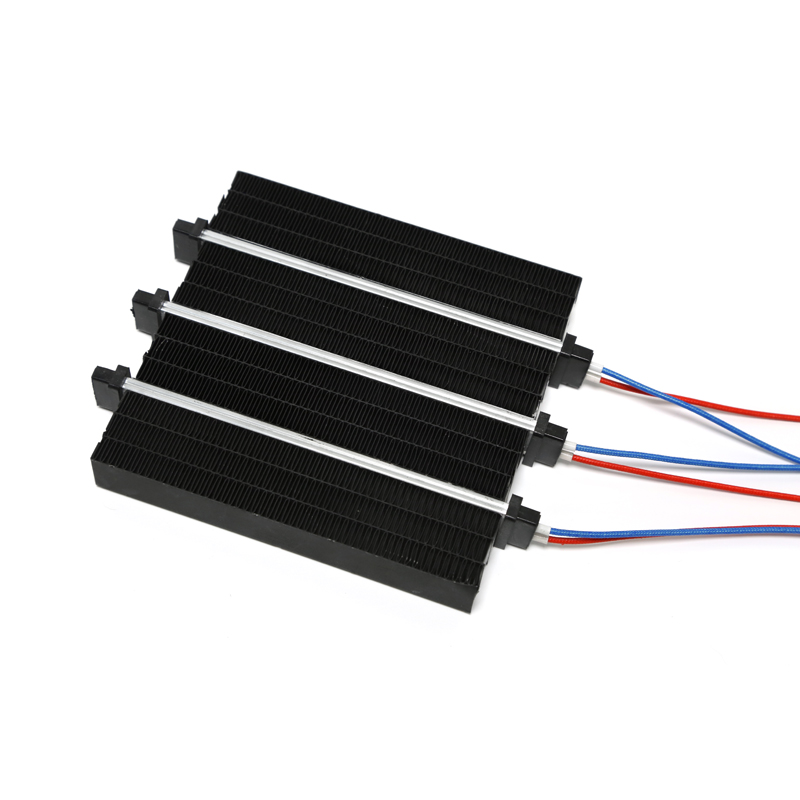
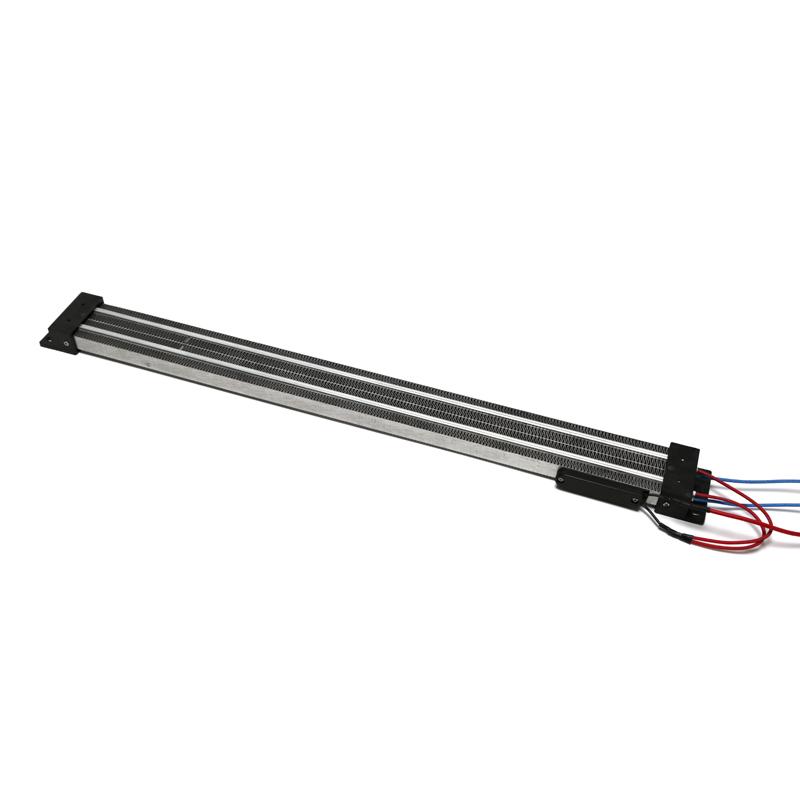
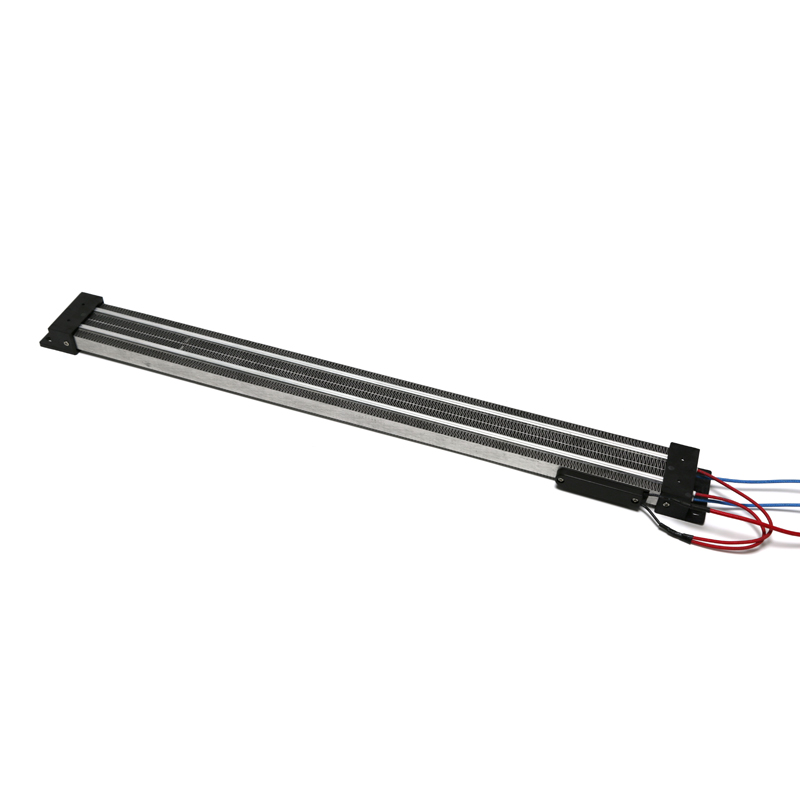
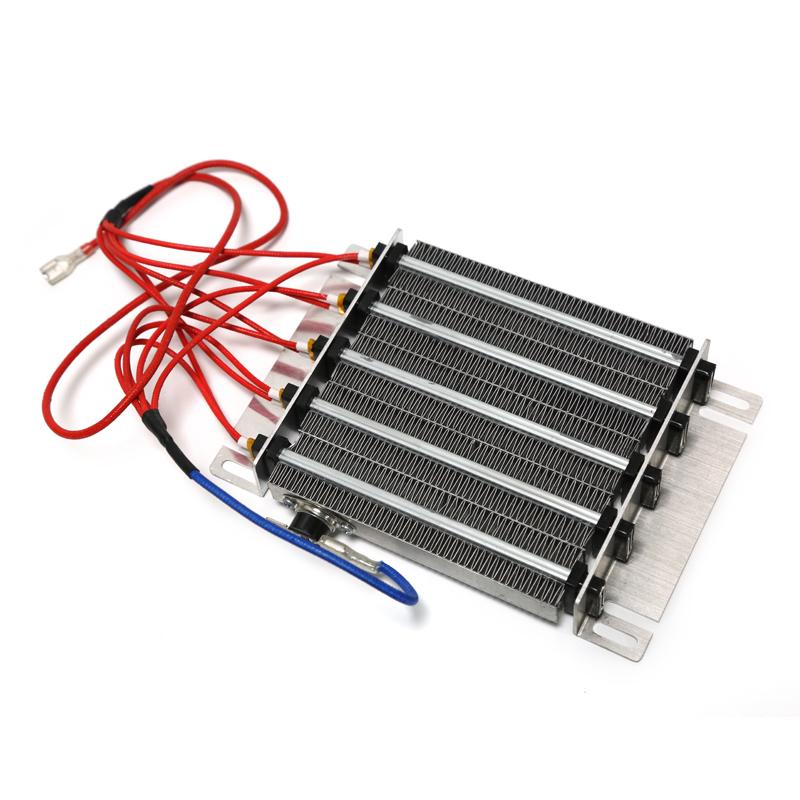
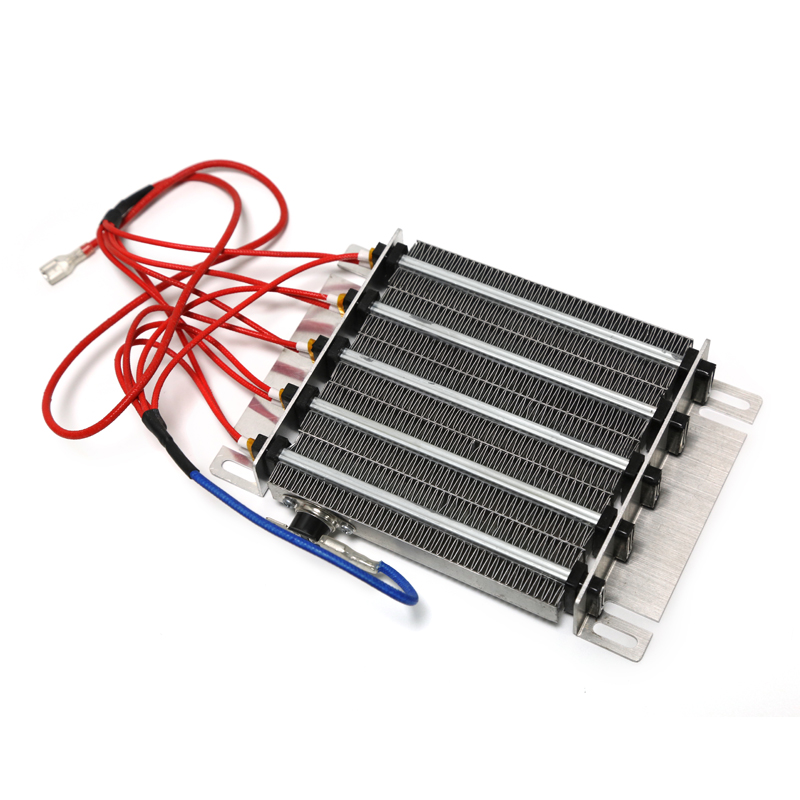


Suspect a faulty PTC thermistor in your circuit? Whether it's a resettable fuse that won't reset or a heater that isn't warming up, a standard digital multimeter (DMM) is the perfect tool for a quick and effective diagnosis. This guide will walk you through the simple steps to test and troubleshoot a PTC thermistor.
When engineers think of PTC thermistors, the image that most often comes to mind is the ceramic type, known for its sharp, dramatic resistance switch at the Curie point. But there's another player in the PTC arena that offers a completely different set of characteristics: the silicon PTC thermistor. Understanding the difference between these two is key to selecting the perfect component for sensing, not just protection.
In the eternal battle to protect electronic circuits from overloads and short circuits, engineers have long relied on the sacrificial lamb: the one-time fuse. It does its job well but dies in the process, leaving a device inoperable and a user frustrated. But what if you had a guardian that could step in, take the hit, and then seamlessly step back, ready to do it all over again? Enter the self-healing hero of circuit protection: the PTC thermistor.
Electric motors are the workhorses of the modern world, found in everything from industrial compressors to household refrigerators. However, these powerful machines have two key vulnerabilities: the massive inrush current during startup and dangerous overheating during overloads. Left unprotected, these conditions can lead to winding insulation failure, bearing damage, and catastrophic motor burnout. This is where a silent guardian comes in: the PTC thermistor.
The modern automobile is a rolling data center on wheels, packed with sophisticated electronic systems that control everything from engine performance to passenger comfort. With this complexity comes increased vulnerability to electrical faults. Protecting these systems from overcurrent, short circuits, and overheating is paramount for safety and reliability. Standing guard silently throughout your vehicle are unsung heroes: PTC thermistors.
We’ve all seen the graphs: a PTC thermistor’s resistance sits low and stable, then, at a specific temperature, it skyrockets in a near-vertical line. This isn't just a gradual change; it's a dramatic phase transition. The inflection point of this cliff is known as the Curie Point (or Curie Temperature), and it is the very heart of what makes a ceramic PTC thermistor so unique and useful.
Home
Product
Contact
About Us