Custom PTC solutions from prototype to mass production.

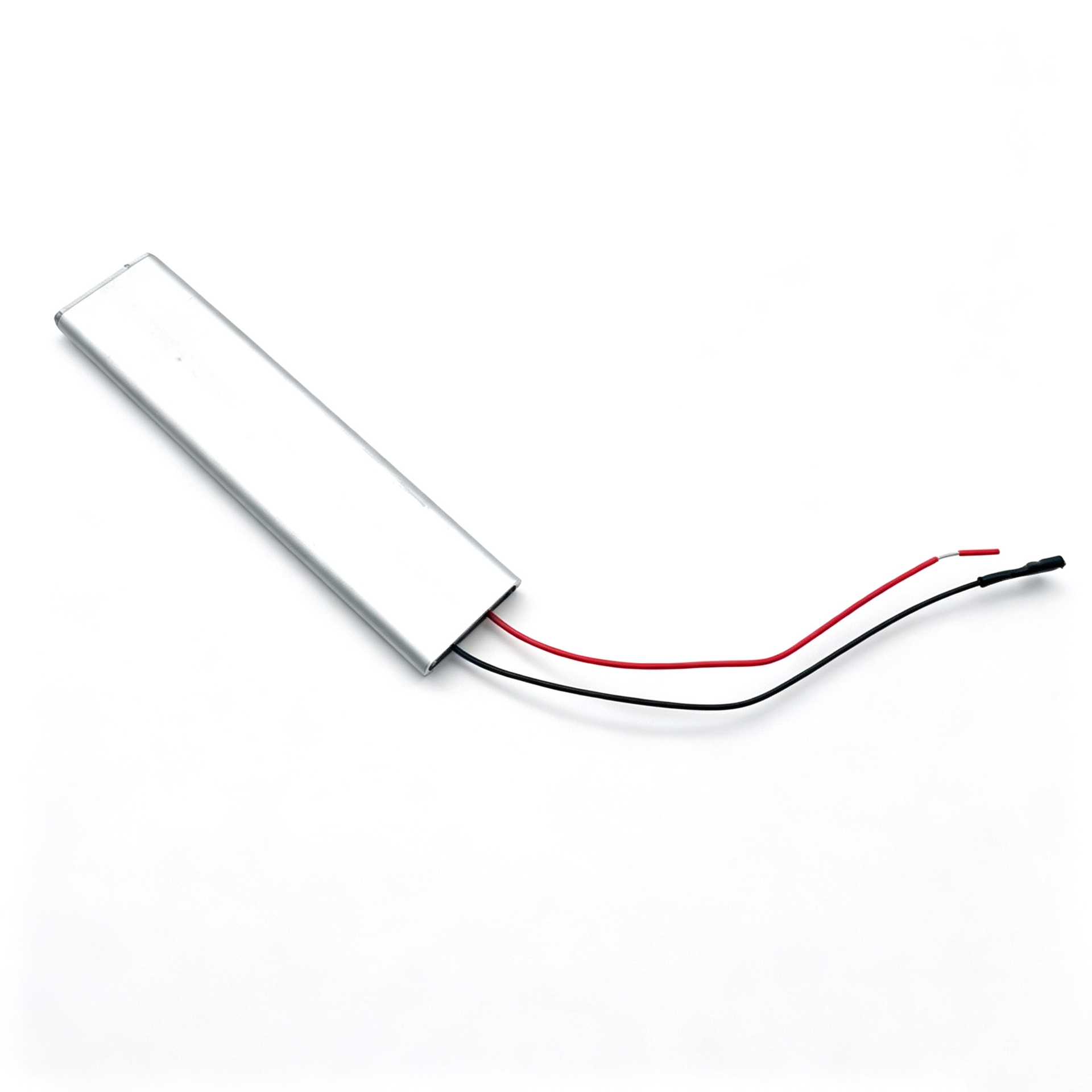
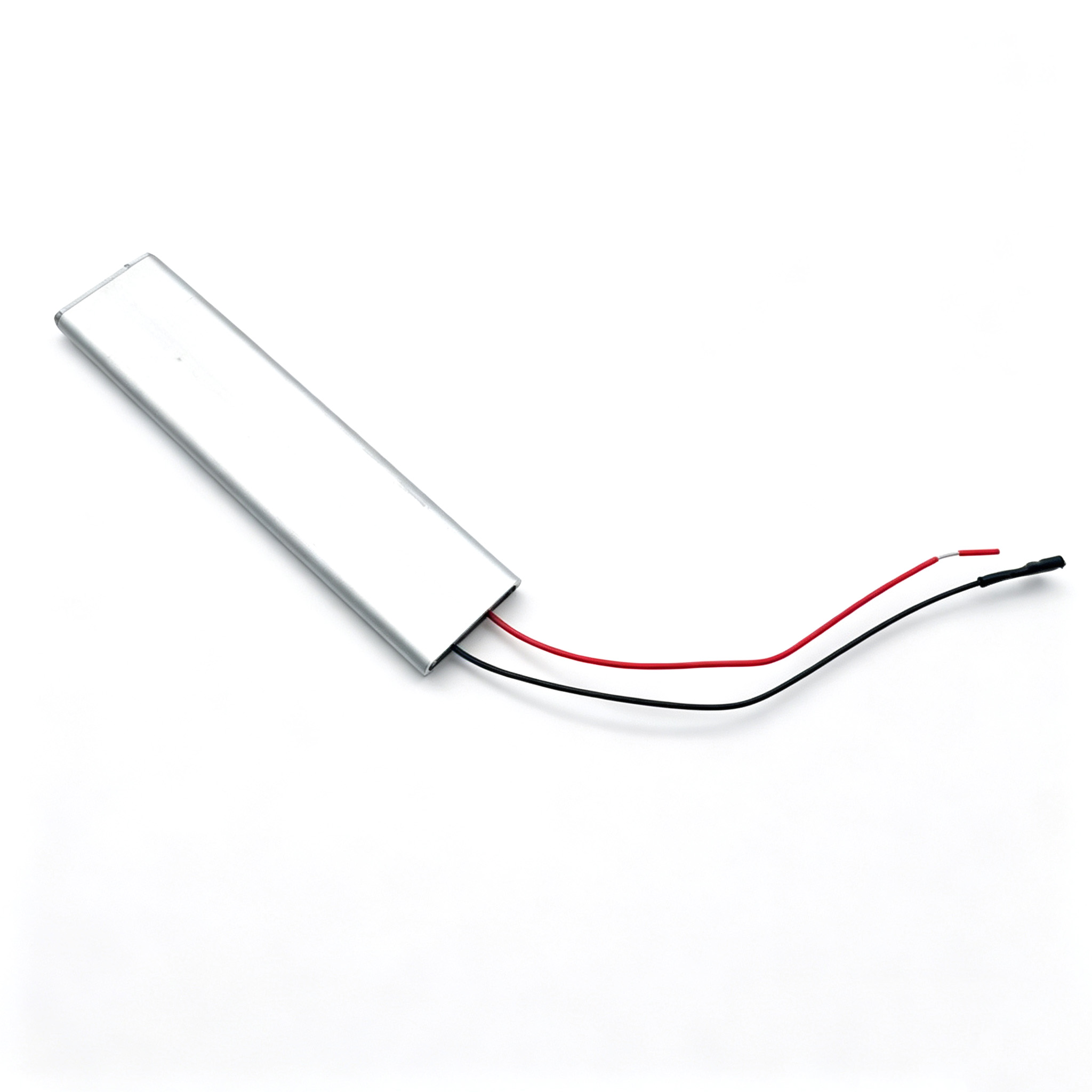
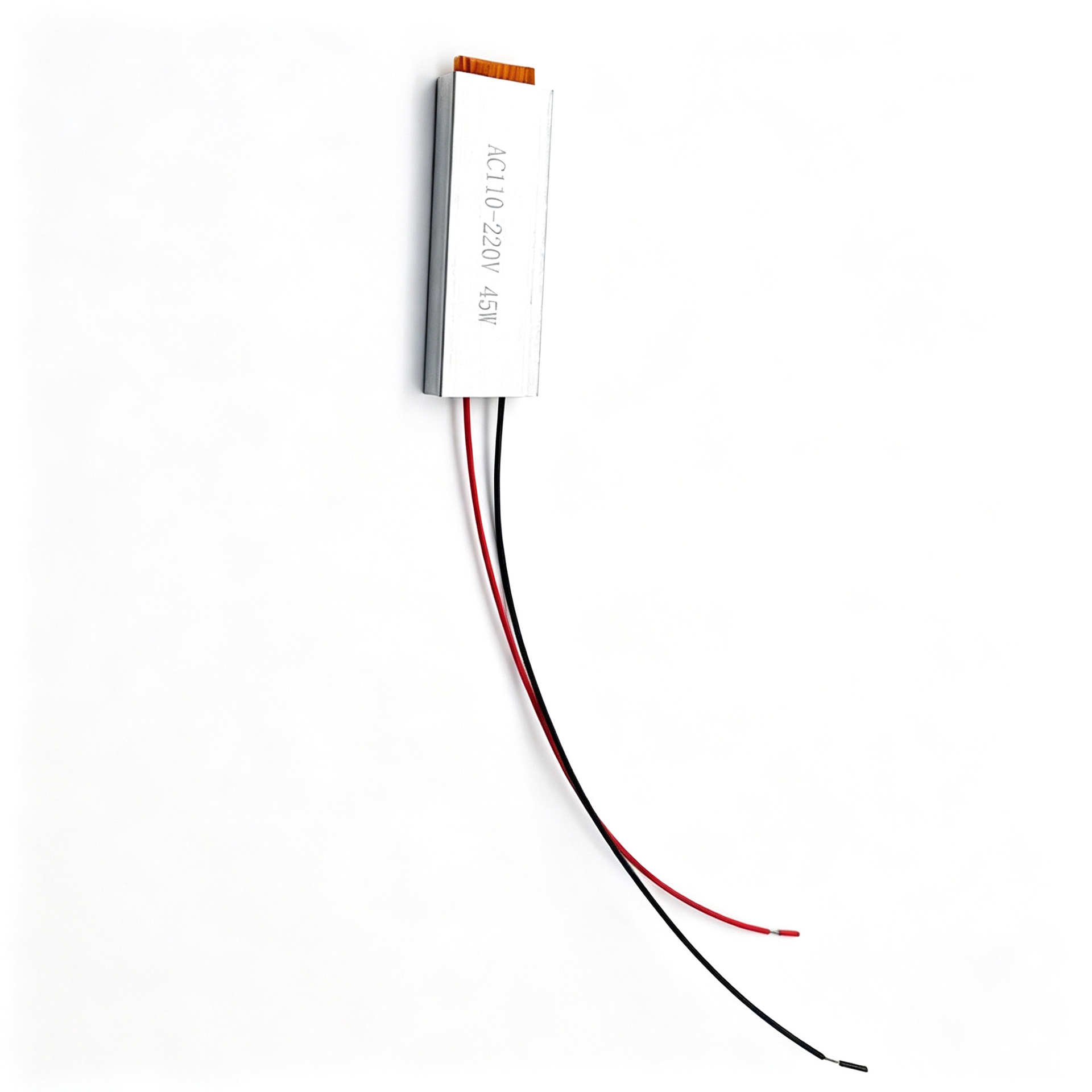
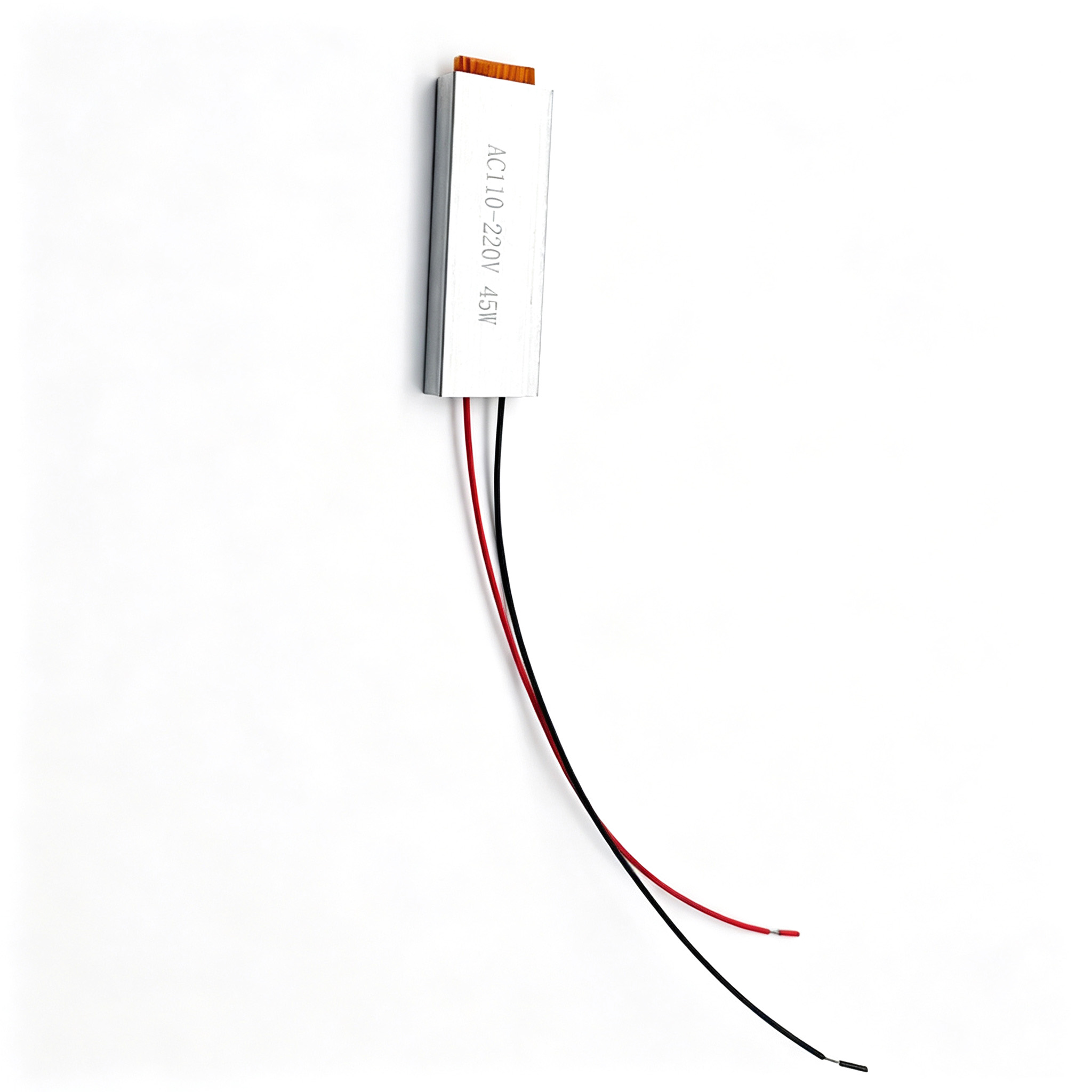
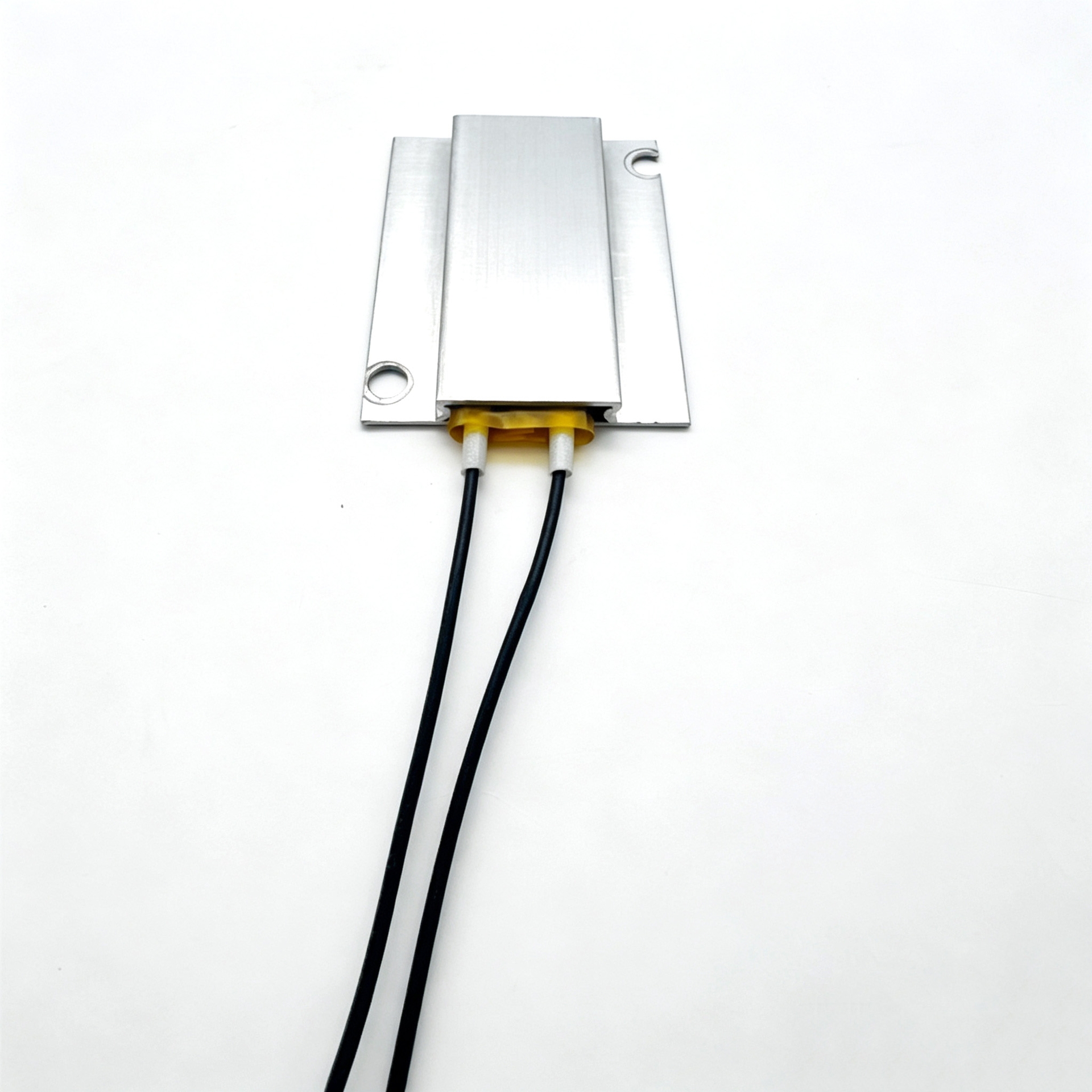
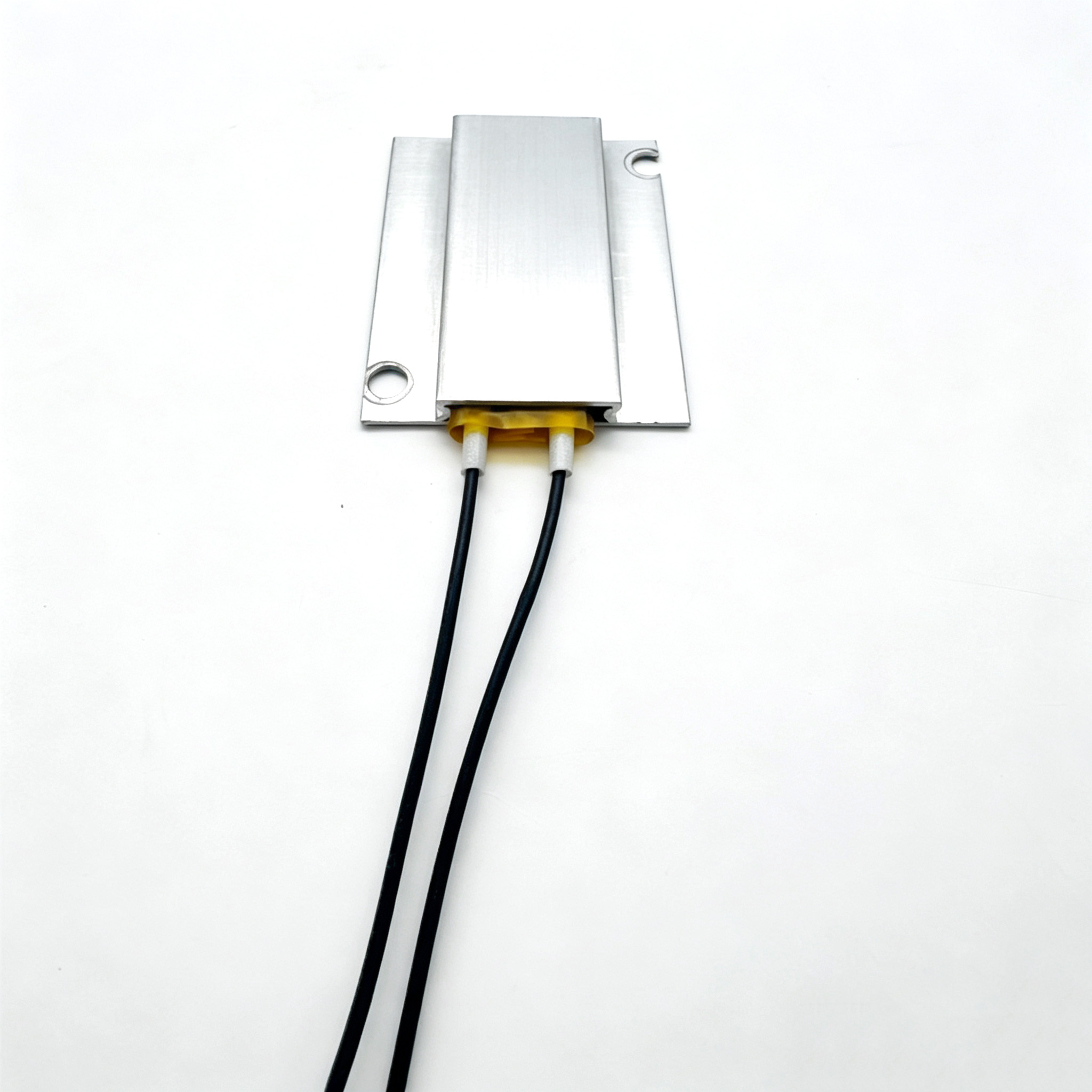
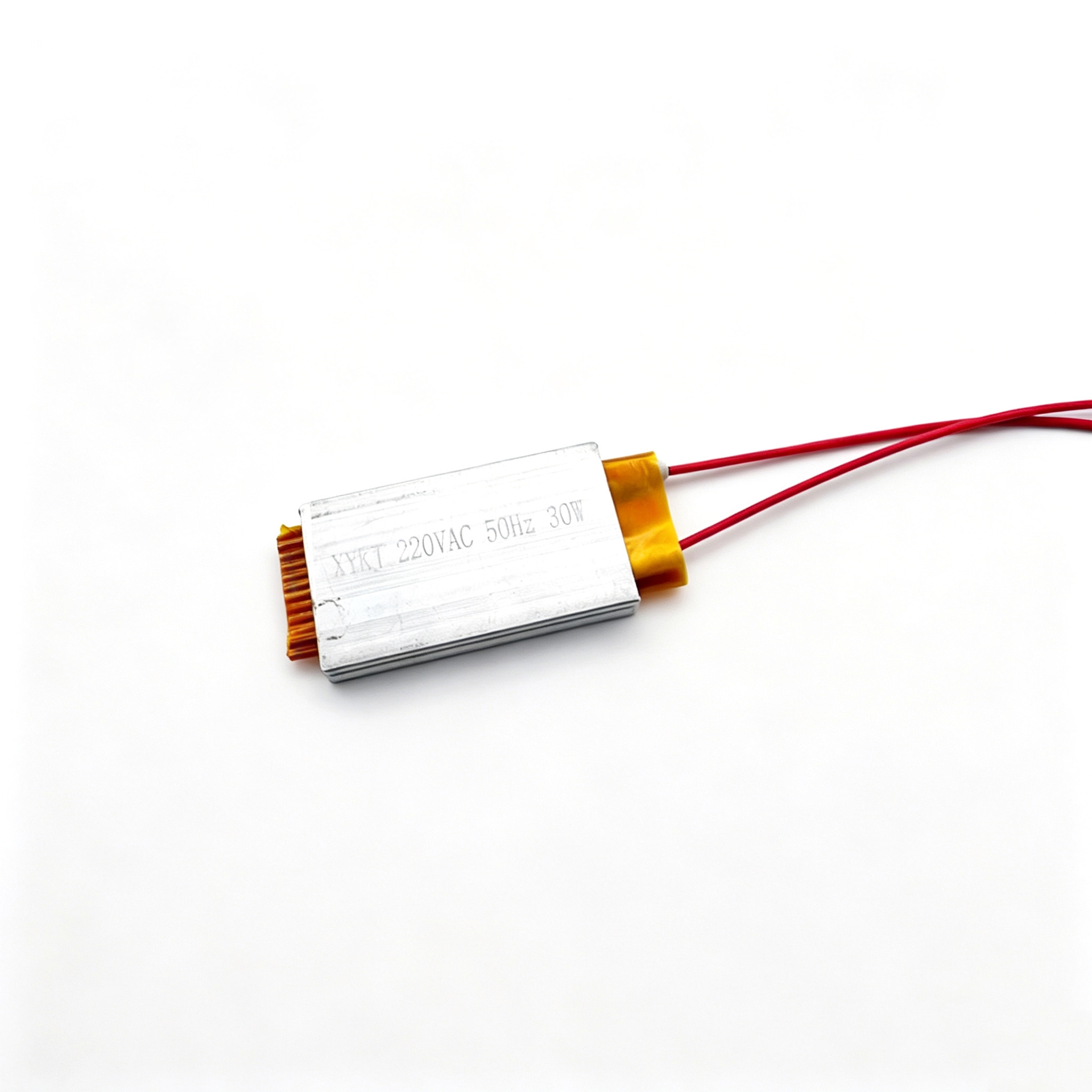
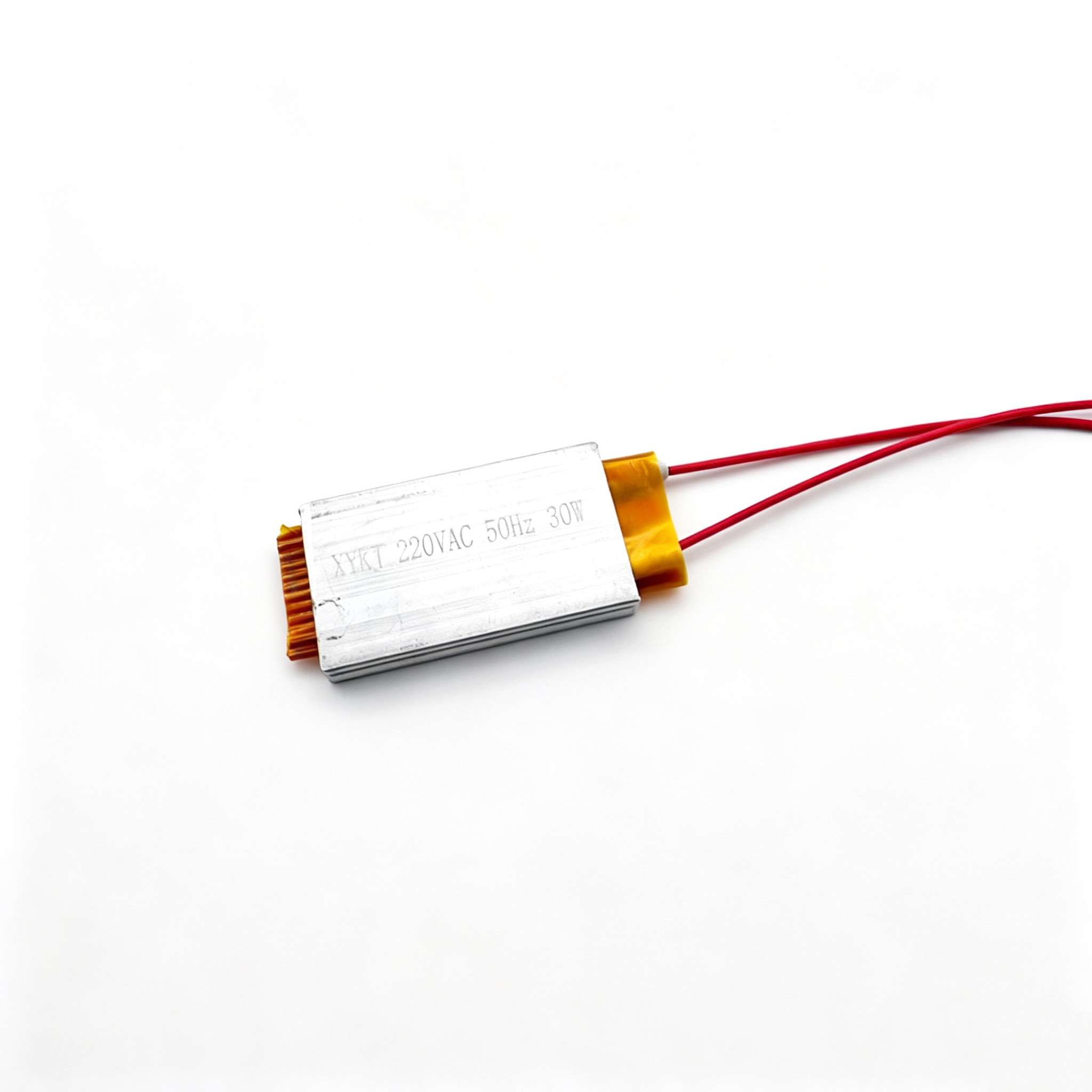
Aluminum shell PTC heater

‌
‌
‌
‌
‌

Product Details

Description
Privacy Policy
Reviews

describe

The PTC heating element consists of a PTC ceramic heating element and an aluminum tube: a corrugated outer pressure plate, a stainless steel corrugated spring sheet, a corrugated inner pressure plate, a single-layer aluminum foil sheet, a PTC heating sheet, a double-layer aluminum foil sheet, a nickel-plated copper electrode terminal, and a PPS high-temperature plastic electrode sheath.

PTC heaters offer the advantages of low thermal resistance and high heat exchange efficiency. They are automatic, energy-efficient, and feature safety. In heating element applications, these heaters exhibit no surface reddening. When a fan failure causes the PTC heating element to cease operation, the PTC's power automatically recovers due to insufficient power. At this point, the heater surface temperature remains around the Curie temperature (typically around 250°C), and the reddening phenomenon seen with conventional heating elements disappears.

Aluminum shell PTC heater

Model and parameters

Aluminum shell PTC heater

Aluminum shell PTC heater

Aluminum shell PTC heater

Aluminum shell PTC heater

People who viewed this also viewed

Constant Temperature Heating Aluminum Shell PTC Heater Plate for Coffee Machine Incubator

A Ceramic PTC (Positive Temperature Coefficient) Heater with an aluminum shell is a highly efficient and safe self-regulating heating device. At its core lies a specialized ceramic PTC element, which inherently limits its own temperature by dramatically increasing electrical resistance upon reaching a specific Curie point. This element is robustly housed within a precisely engineered aluminum casing, which serves multiple critical functions: excellent heat conduction, structural protection, and effective heat dissipation through its finned design. This combination creates a modern heating solution ideal for applications demanding reliability, compactness, and inherent safety.

Compact Industrial PTC Ceramic Heating Plate Heater AC110-220V 45W with Aluminum Shell

A Ceramic PTC (Positive Temperature Coefficient) Heater with an aluminum shell is a highly efficient and safe self-regulating heating device. At its core lies a specialized ceramic PTC element, which inherently limits its own temperature by dramatically increasing electrical resistance upon reaching a specific Curie point. This element is robustly housed within a precisely engineered aluminum casing, which serves multiple critical functions: excellent heat conduction, structural protection, and effective heat dissipation through its finned design. This combination creates a modern heating solution ideal for applications demanding reliability, compactness, and inherent safety.

Metal Housing PTC Conductive Heater 110V 220V 260C 950W

Metal PTC heater, 110V/220V, 950W up to 260°C. Ideal for appliances, HVAC, and industrial equipment. Reliable OEM/ODM and wholesale solutions offered.

Heating Element 220V Constant Temperature 30W PTC Heater Plate with Aluminum Shell

This 220V, 30W constant-temperature PTC heater plate in an aluminum shell ensures safe, stable heat for consumer electronics, printers, and medical devices. We offer OEM/ODM services and wholesale pricing for scalable solutions.

What to include in your inquiry

Clear requirements help our engineering team answer faster and recommend the right component the first time.

  • Product type and application, such as an NTC sensor for a battery pack or a PTC heater for an air-handling unit.
  • Key electrical values: resistance at 25 °C, B-value or switching temperature, rated voltage and power.
  • Operating temperature range, response time and any insulation, sealing or waterproof requirements.
  • Mechanical details including probe or housing size, lead length, cable, terminal and connector type.
  • Expected annual quantity, sample needs and target delivery schedule.
  • Drawings, photos or a current part number if you are replacing an existing component.

What happens after you contact us

  1. An engineer reviews your requirements and asks about any missing parameters.
  2. We recommend a standard model or propose a custom design together with a quotation.
  3. Samples are prepared for your testing and approval before volume production starts.