Custom PTC solutions from prototype to mass production.

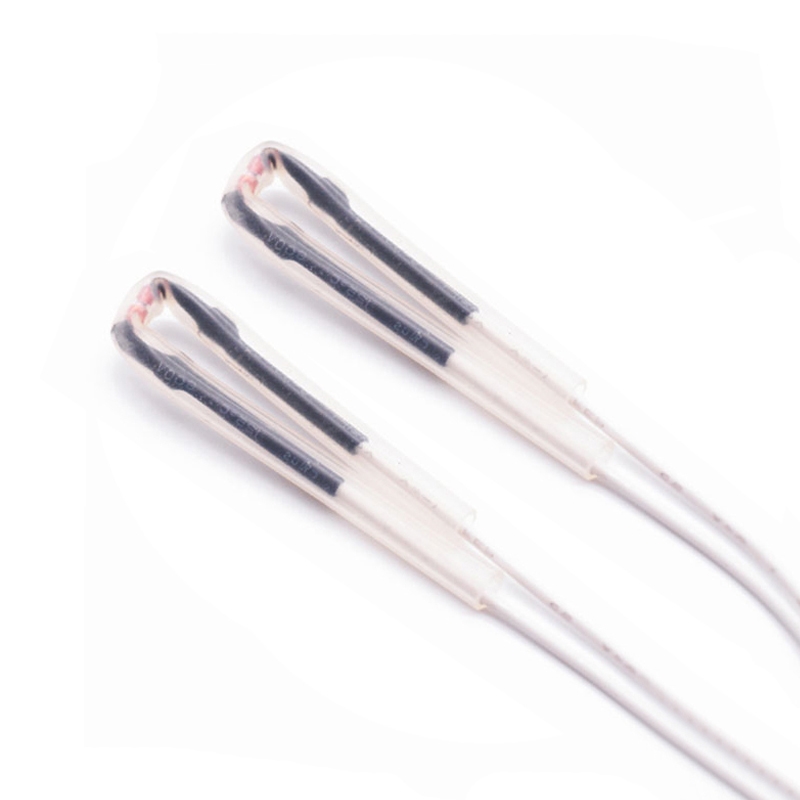
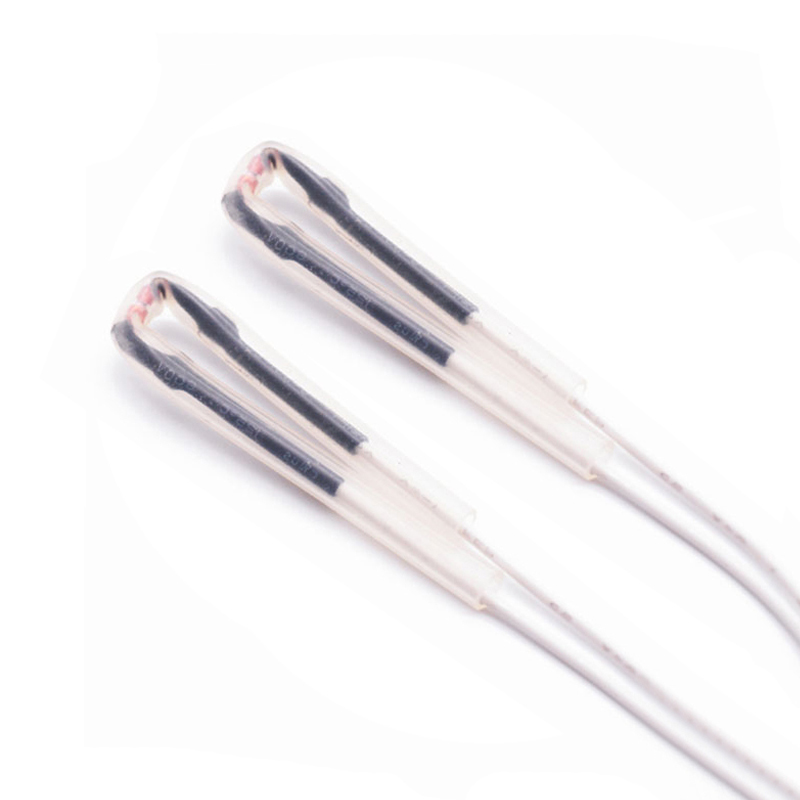
Glass Encapsulated NTC Temaperature Sensor for 3D Printer

‌
‌
‌
‌
‌

Product Details

Description
Privacy Policy
Reviews

Product Description

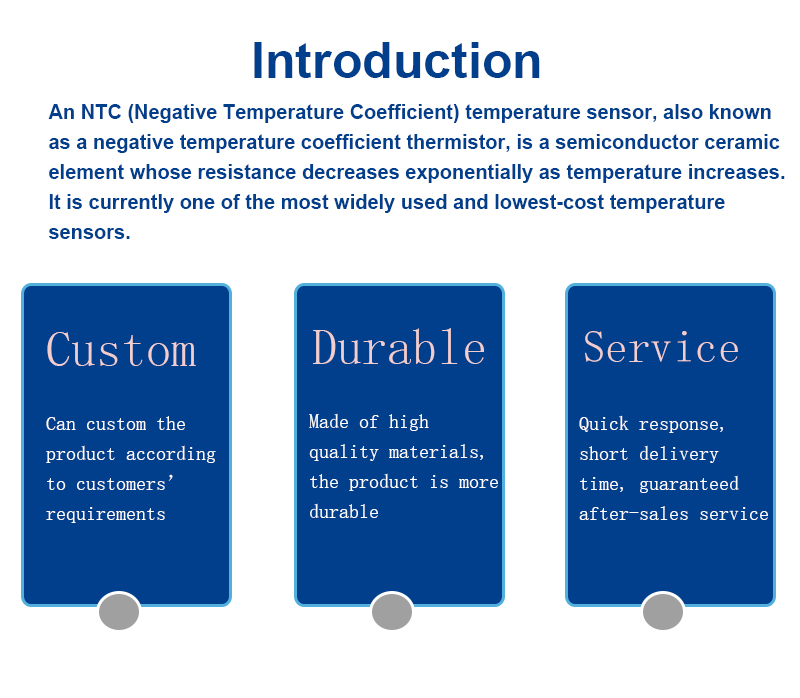
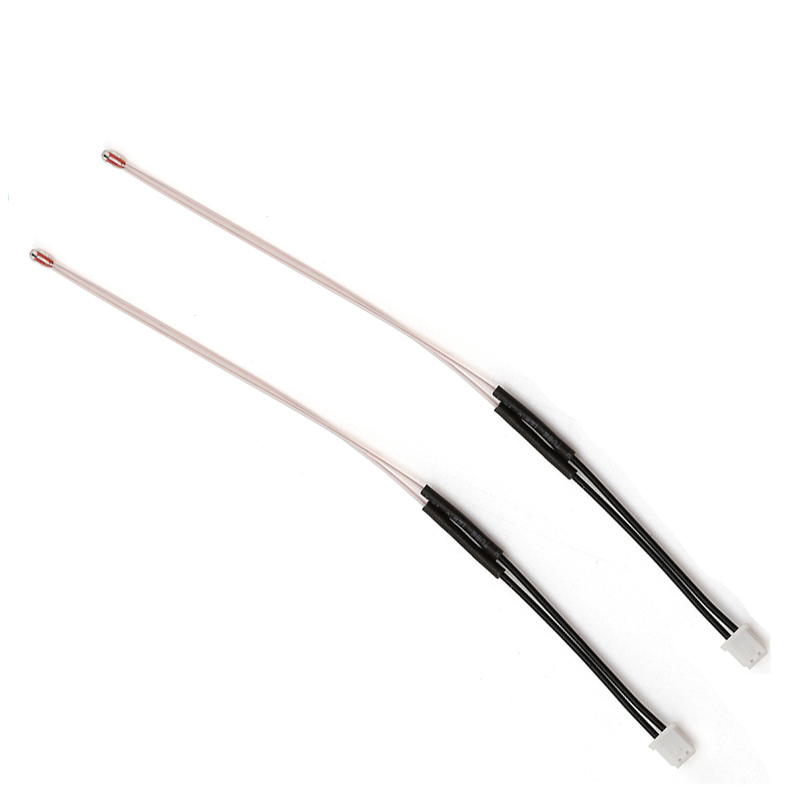
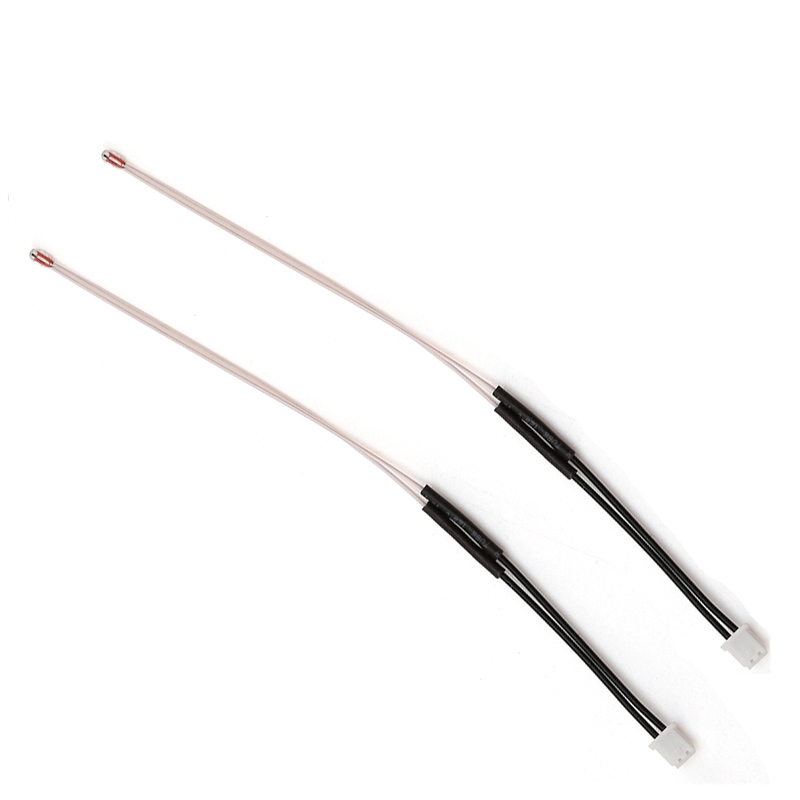
Glass-encapsulated temperature sensors represent a high-reliability category of thermal sensing devices where the sensing element (typically an NTC thermistor or diode) is hermetically sealed within a glass enclosure. This unique construction provides exceptional protection against environmental factors, making these sensors ideal for applications demanding long-term stability and operation in harsh conditions. The glass seal ensures no moisture or gas penetration while maintaining excellent thermal conductivity.


Specification

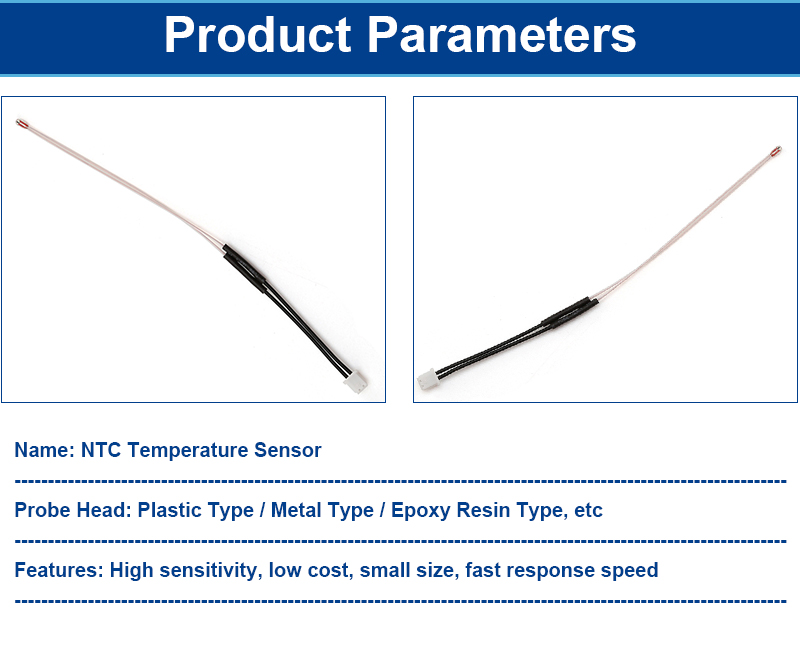
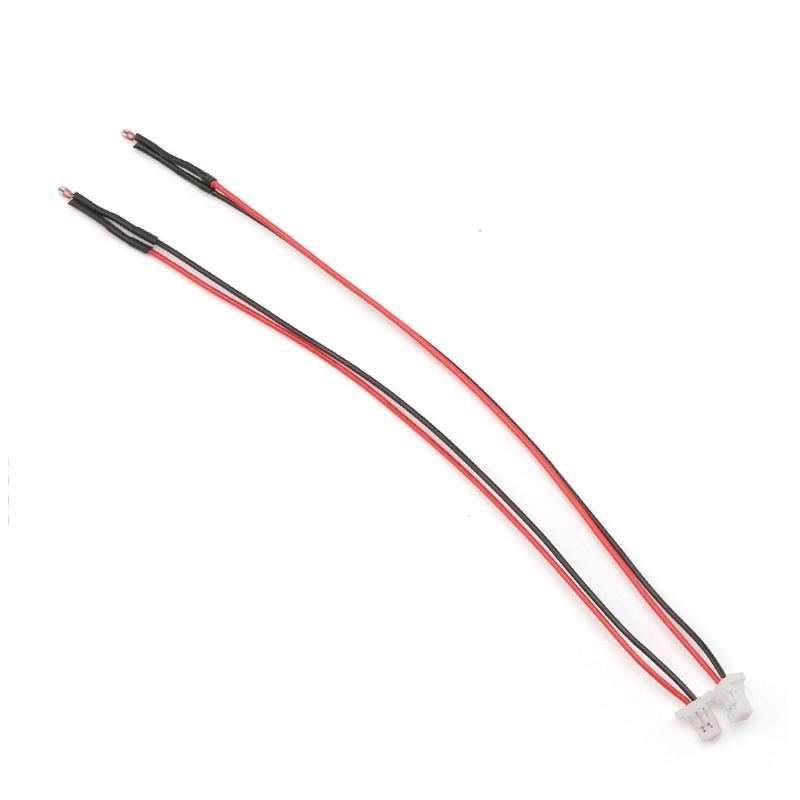
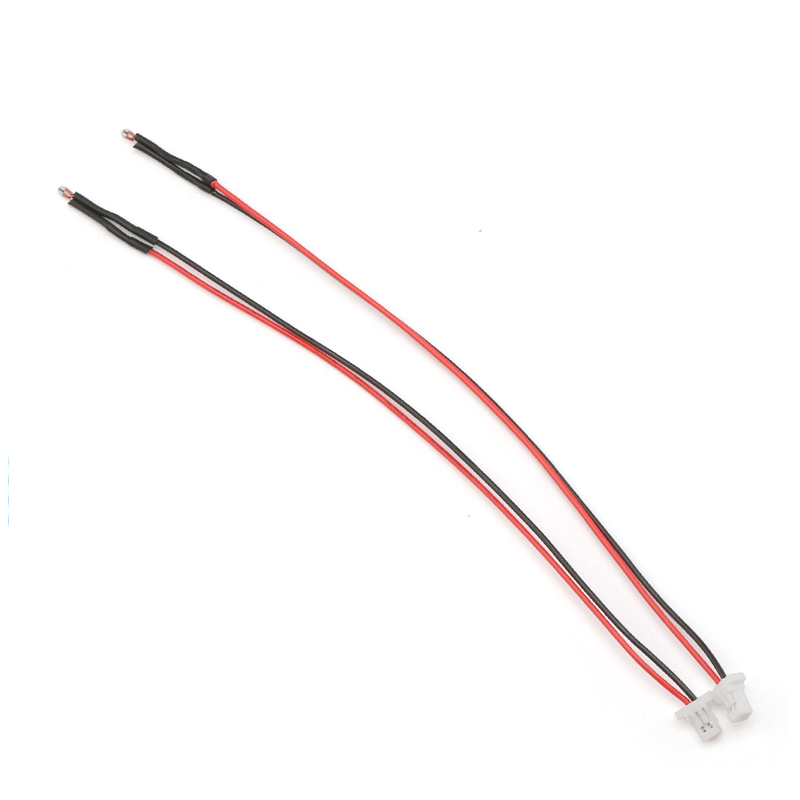
Product Type: Glass Encapsulated MF58 NTC Temperature Sensor
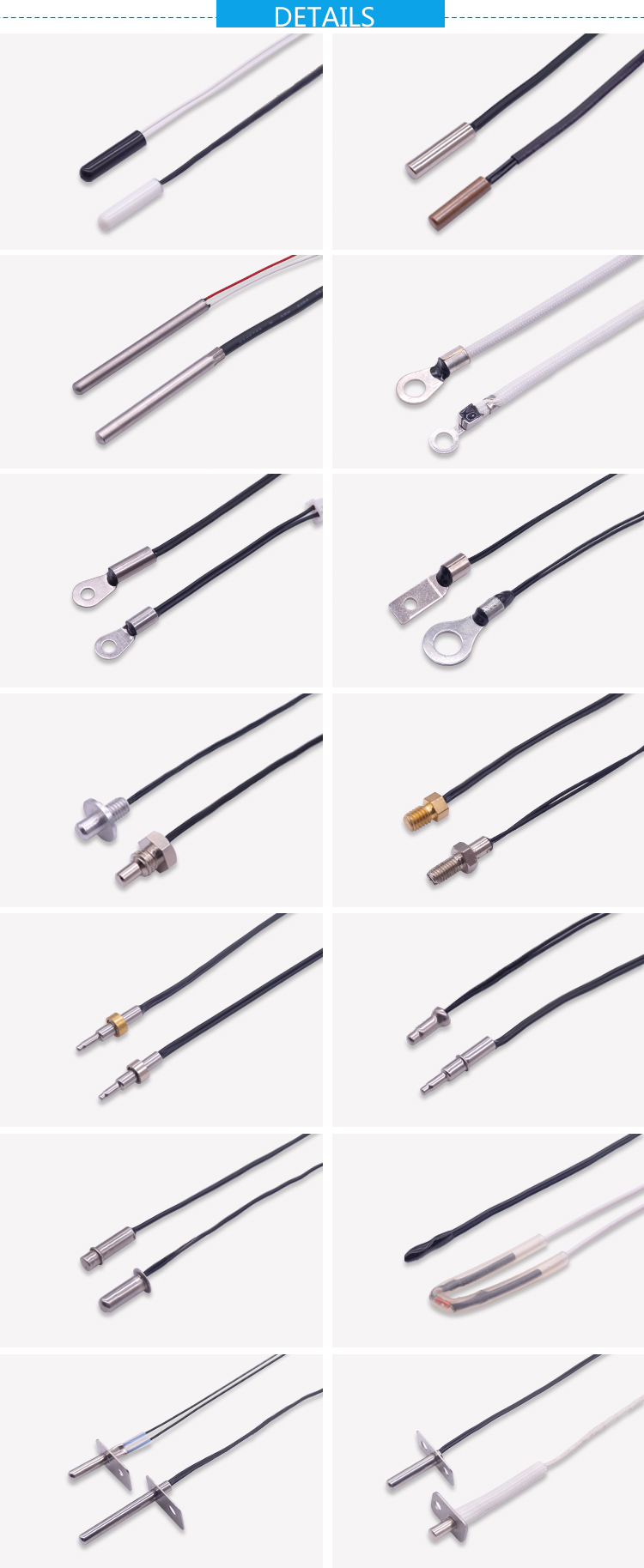
Product features: high temperature resistance, convenient fixed-point installation
Model usage: temperature measurement / temperature control / overheating protection
Operating temperature range: 0~+300℃
Thermal time constant: about 10S
Product withstand voltage: AC1800V*60S
Product qualification: meet the certification requirements
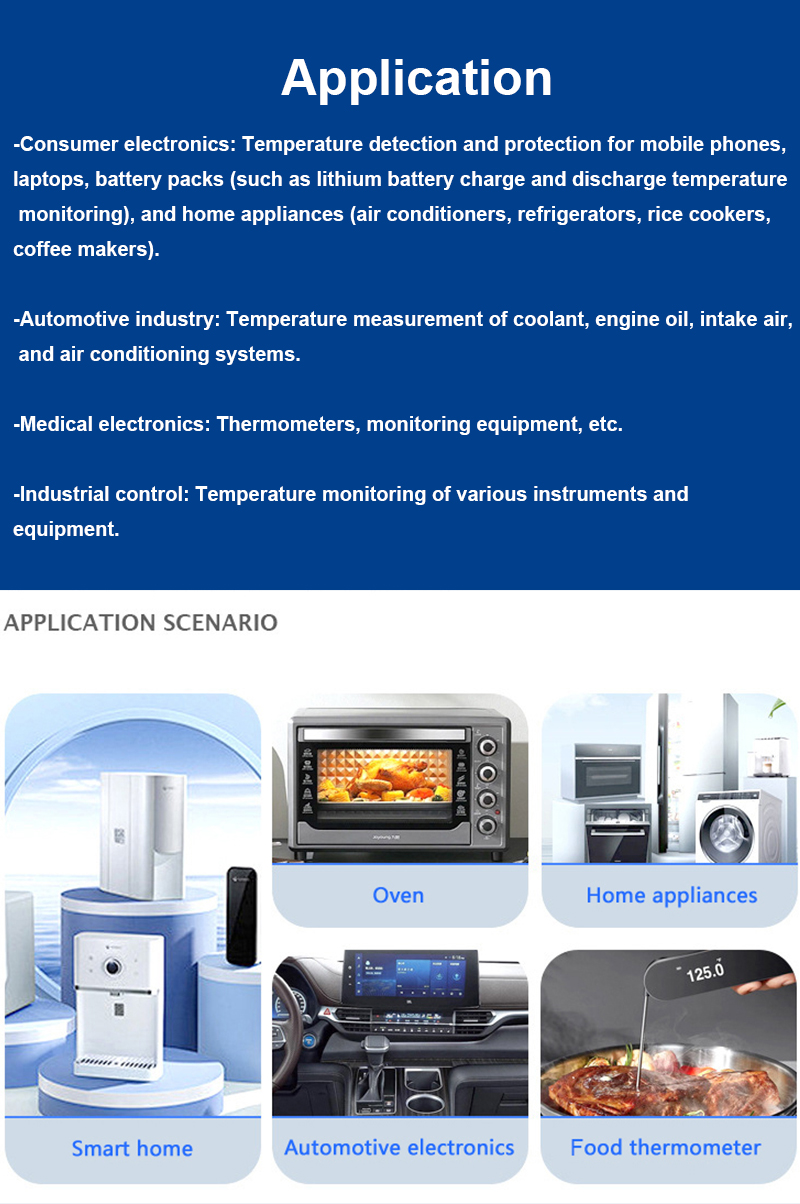
Product application range: Microwave ovens, electric ovens, aroma diffusers, food thermometers, etc.

NTC Temperature Sensor

Size

D

L

E

F

ΦOD

G

Unit(mm)

1.8

25.0

100.0

/

/

/

Features

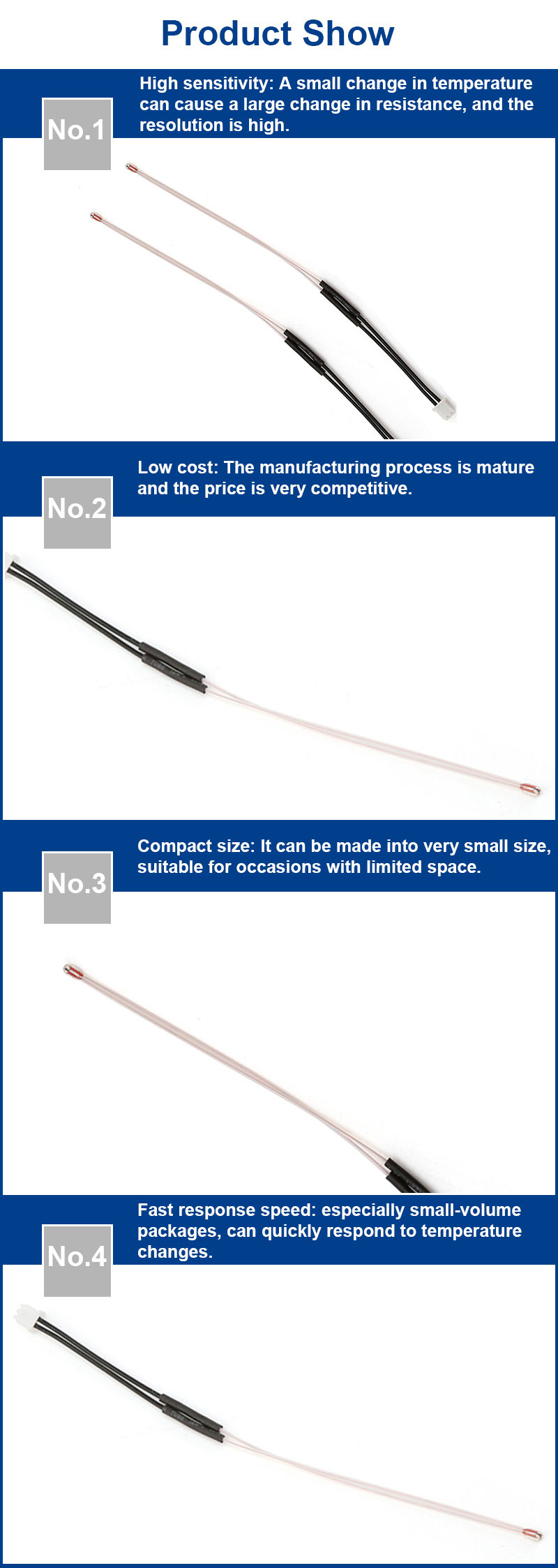
  1. Fast response, heat-resistance
  2. Stable working at high temperature environment
  3. Strong reliability and good consistency
  4. Resistance range:1KΩ~500KΩ

Application

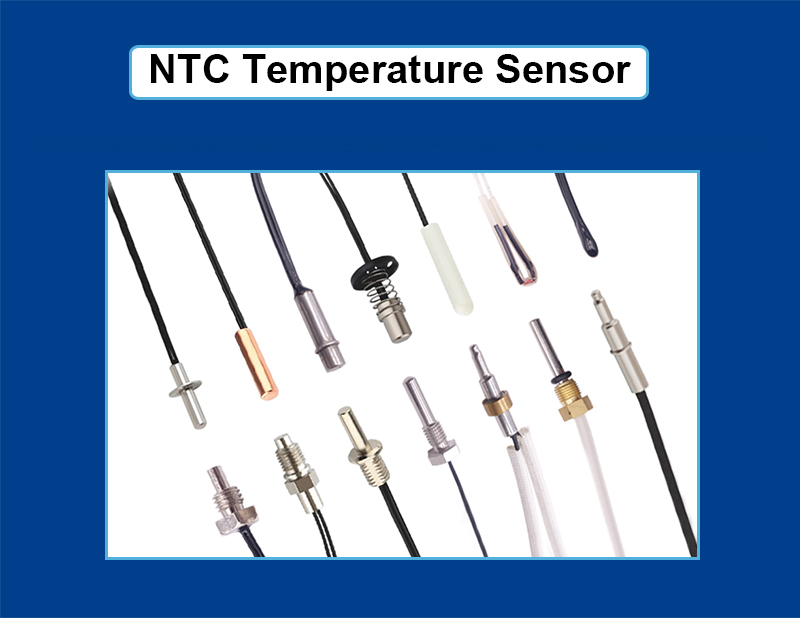
3D printer nozzles, 3D printer machines, printing pens, high-temperature facilities and large-scale equipment, etc

Operating Temperature Range

0~300℃

Response Time

Approx 5S(depends on chip resistance)

Withstand Voltage

1800V AC 0.5mA 30S

Glass Encapsulated NTC Temaperature Sensor for 3D Printer

Glass Encapsulated NTC Temaperature Sensor for 3D Printer

Glass Encapsulated NTC Temaperature Sensor for 3D Printer

Glass Encapsulated NTC Temaperature Sensor for 3D Printer

Glass Encapsulated NTC Temaperature Sensor for 3D Printer

Features

Complete hermetic sealing for maximum environmental protection

Exceptional stability over extended operational periods

Rapid thermal response due to direct glass-to-element contact

Wide operating temperature range (-80°C to +300°C)

Superior resistance to moisture, chemicals, and oxidation

Miniaturized sizes available for space-constrained applications

High temperature measurement accuracy (±0.1°C typical)

Excellent performance in high-pressure environments

Application

Automotive industry (engine monitoring, exhaust systems)

Medical equipment (sterilizable instruments, diagnostic devices)

Aerospace and defense systems

Industrial process control in corrosive environments

Consumer electronics requiring high reliability

Laboratory and scientific instrumentation

HVAC system critical components

Energy generation and power systems

These sensors maintain their calibration and performance characteristics even after prolonged exposure to extreme temperatures, thermal cycling, and aggressive media. The glass encapsulation provides an impermeable barrier that ensures consistent performance where conventional epoxy-encapsulated sensors would degrade, making them the preferred choice for critical applications where failure is not an option.
Glass Encapsulated NTC Temaperature Sensor for 3D Printer

People who viewed this also viewed

Glass Encapsulated NTC Temaperature Sensor for 3D Printer

Glass-encapsulated temperature sensors represent a high-reliability category of thermal sensing devices where the sensing element (typically an NTC thermistor or diode) is hermetically sealed within a glass enclosure. This unique construction provides exceptional protection against environmental factors, making these sensors ideal for applications demanding long-term stability and operation in harsh conditions. The glass seal ensures no moisture or gas penetration while maintaining excellent thermal conductivity.

Glass Encapsulated NTC Temaperature Sensor

Glass-encapsulated temperature sensors represent a high-reliability category of thermal sensing devices where the sensing element (typically an NTC thermistor or diode) is hermetically sealed within a glass enclosure. This unique construction provides exceptional protection against environmental factors, making these sensors ideal for applications demanding long-term stability and operation in harsh conditions. The glass seal ensures no moisture or gas penetration while maintaining excellent thermal conductivity.

What to include in your inquiry

Clear requirements help our engineering team answer faster and recommend the right component the first time.

  • Product type and application, such as an NTC sensor for a battery pack or a PTC heater for an air-handling unit.
  • Key electrical values: resistance at 25 °C, B-value or switching temperature, rated voltage and power.
  • Operating temperature range, response time and any insulation, sealing or waterproof requirements.
  • Mechanical details including probe or housing size, lead length, cable, terminal and connector type.
  • Expected annual quantity, sample needs and target delivery schedule.
  • Drawings, photos or a current part number if you are replacing an existing component.

What happens after you contact us

  1. An engineer reviews your requirements and asks about any missing parameters.
  2. We recommend a standard model or propose a custom design together with a quotation.
  3. Samples are prepared for your testing and approval before volume production starts.