规格
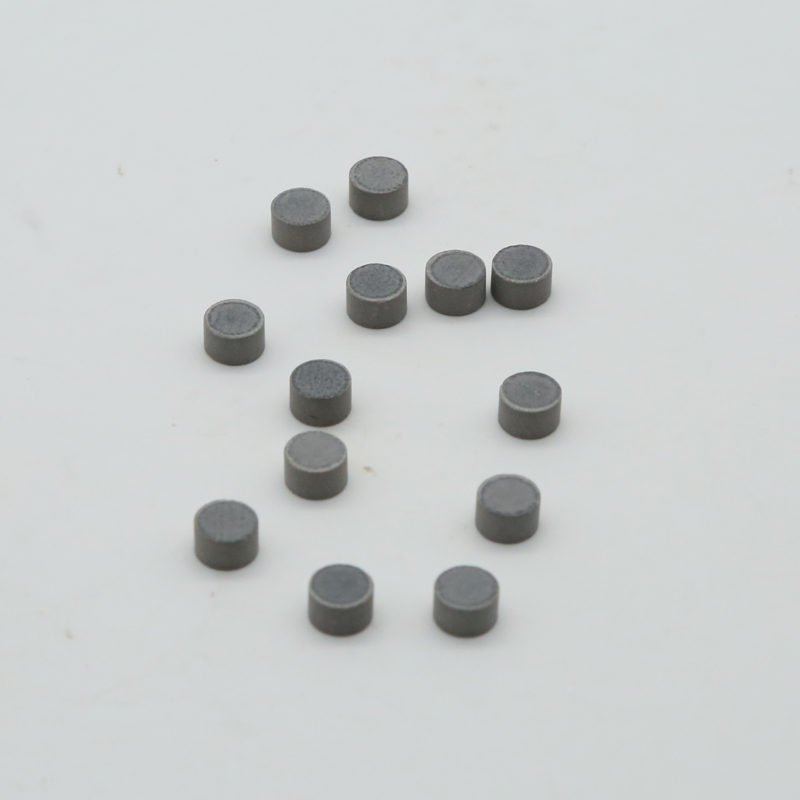
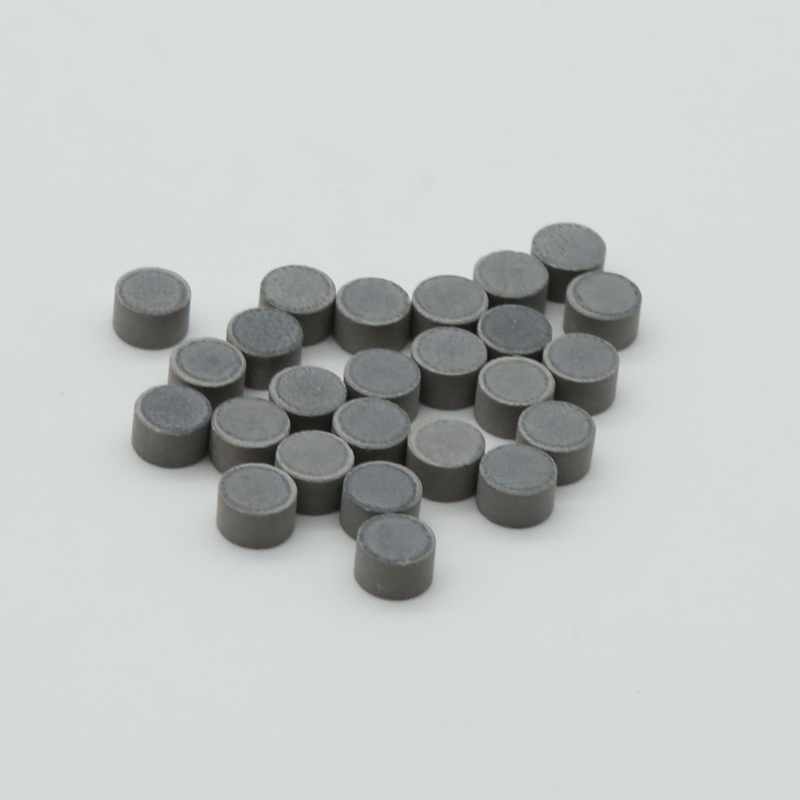
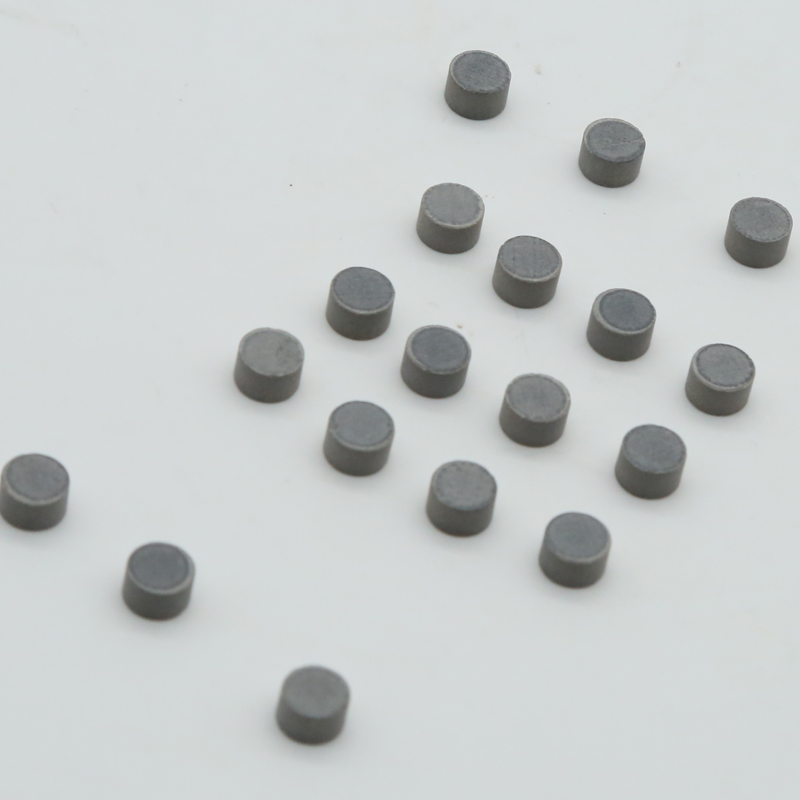
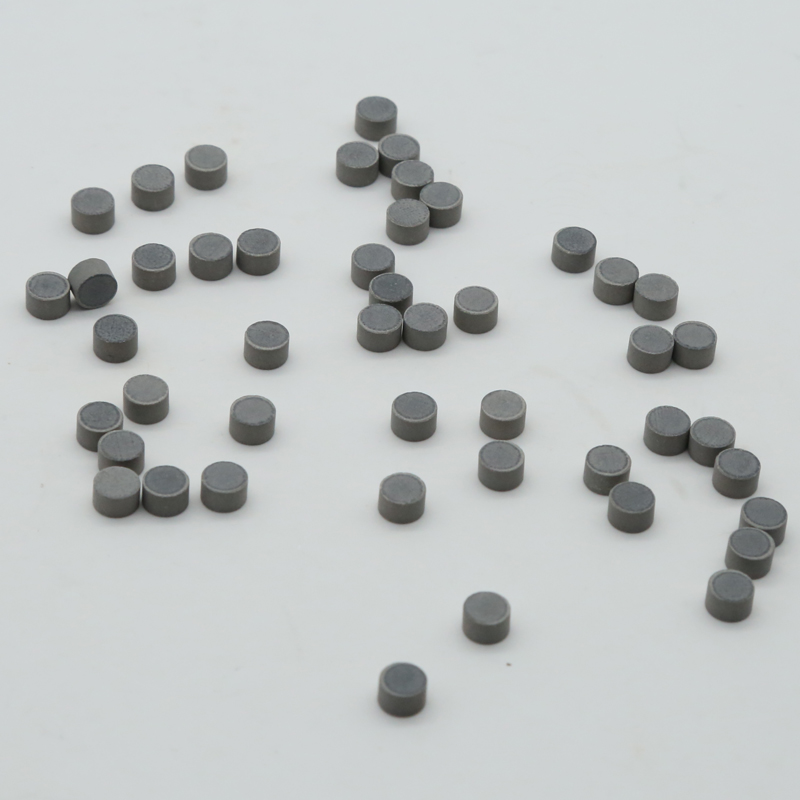
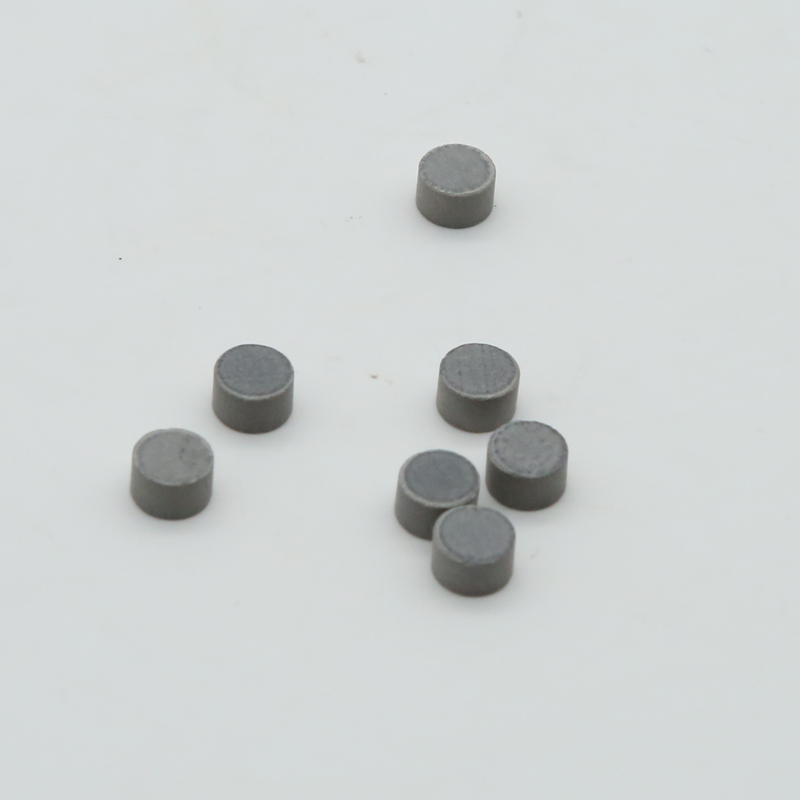
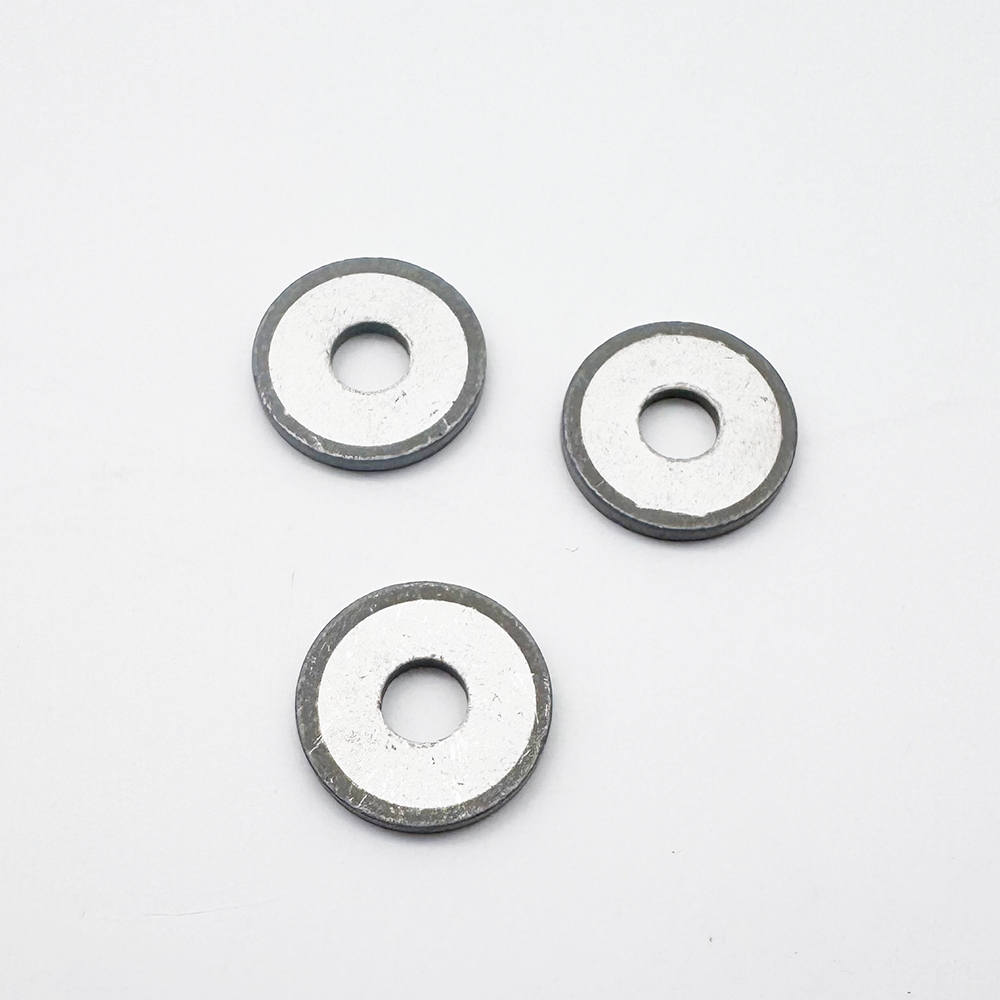
产品名称:陶瓷PTC加热元件
R25:2K-6KΩ
表面温度:225±5℃/ 220V
最大电压: 600V
响应时间: ≤ 120秒
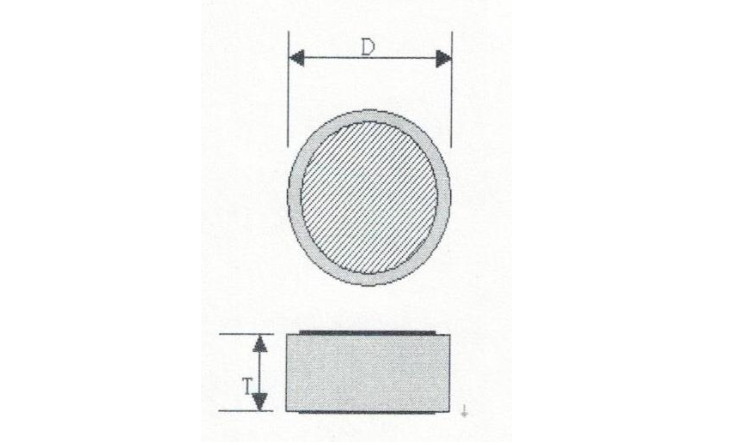
长度(D): Φ8±0.1毫米
厚度(T): 3±0.1mm
表面电极: 铝电极
材质:钛酸钡陶瓷
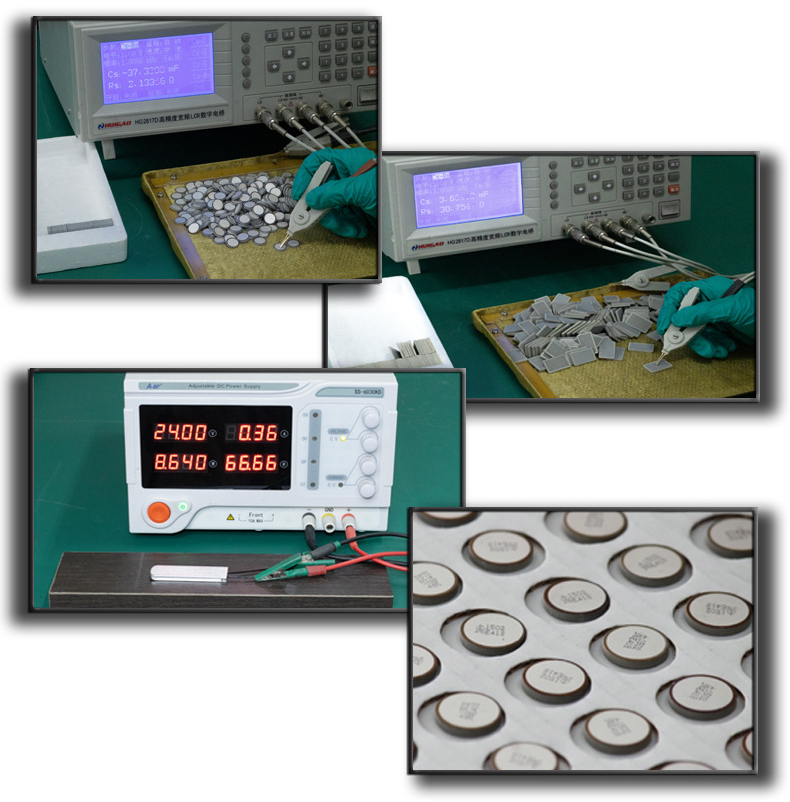
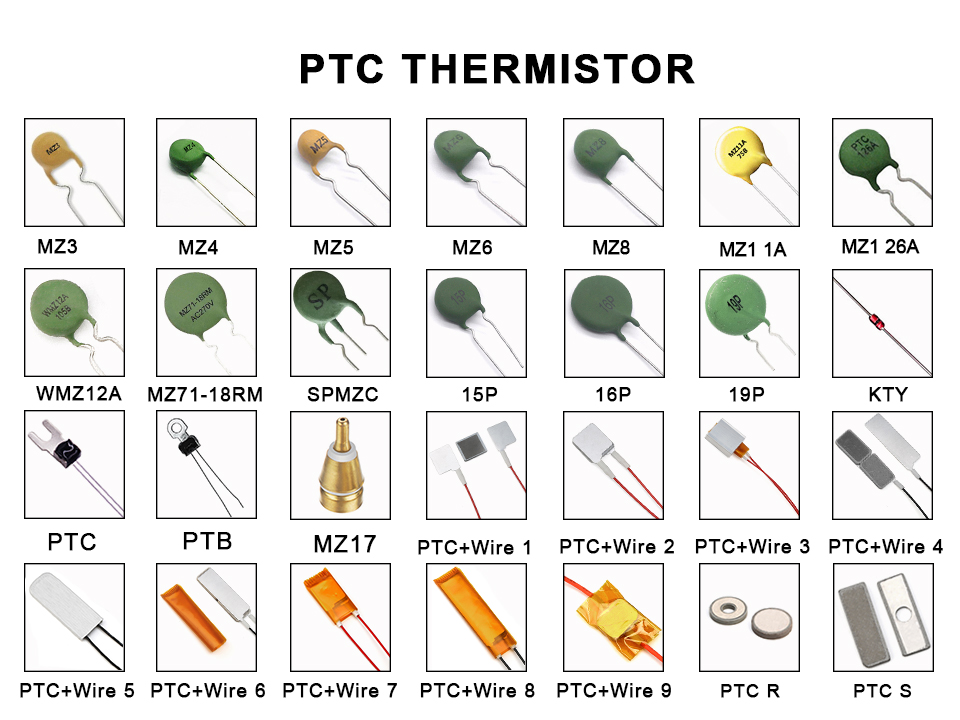
Custom PTC solutions from prototype to mass production.



规格
产品名称:陶瓷PTC加热元件
R25:2K-6KΩ
表面温度:225±5℃/ 220V
最大电压: 600V
响应时间: ≤ 120秒
长度(D): Φ8±0.1毫米
厚度(T): 3±0.1mm
表面电极: 铝电极
材质:钛酸钡陶瓷
PTC heating elements are electric heating elements made of positive temperature coefficient (PTC) ceramic material. Their core features include automatic temperature regulation and over-temperature protection: At low temperatures, their resistance is low, allowing them to rapidly heat up upon power application. When the temperature reaches a specific critical point (the Curie temperature), their resistance increases dramatically, automatically reducing power consumption to avoid overheating. This adaptive feature ensures high safety and energy savings, enabling stable temperature control without the need for additional temperature control devices.
They are widely used in home appliances (such as air conditioning auxiliary heating and heaters), automotive electronics (seat heating and battery preheating), medical equipment, and industrial applications. Their compact design, long lifespan, and lack of open flames make them key components in modern intelligent thermal management solutions.
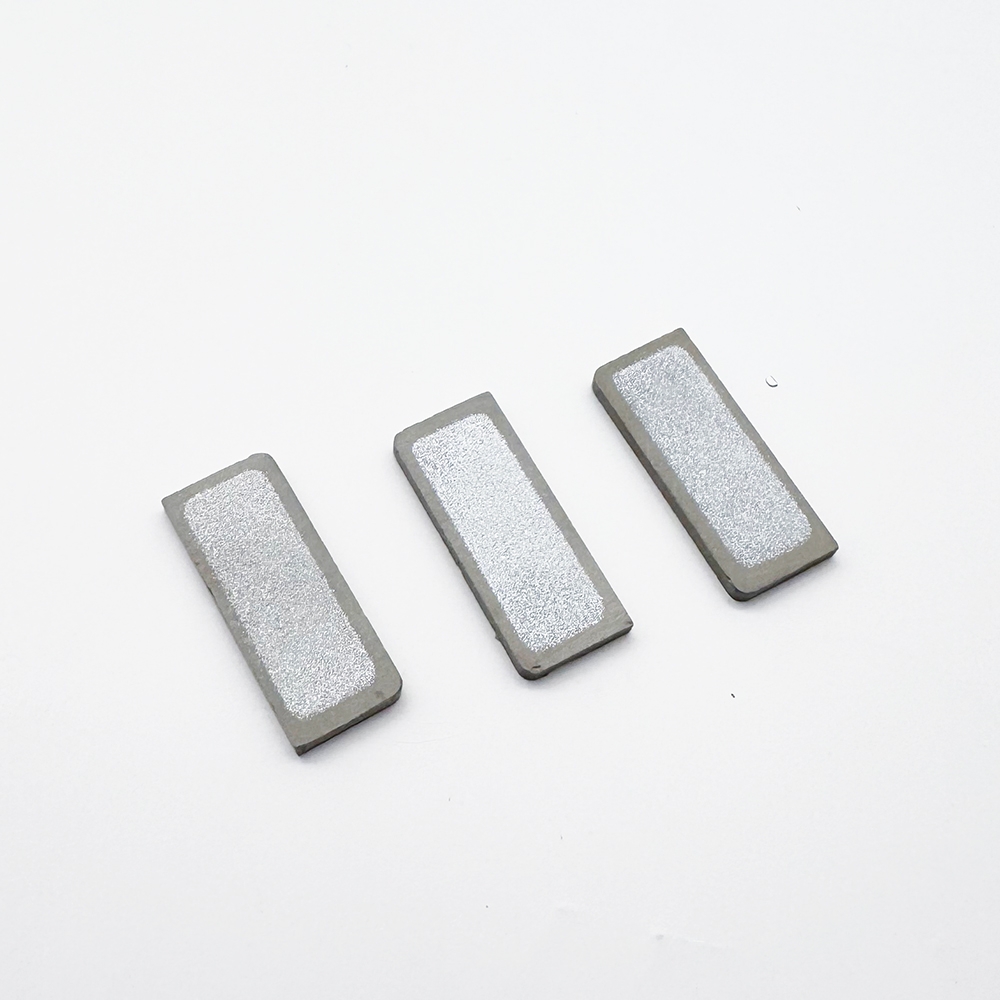
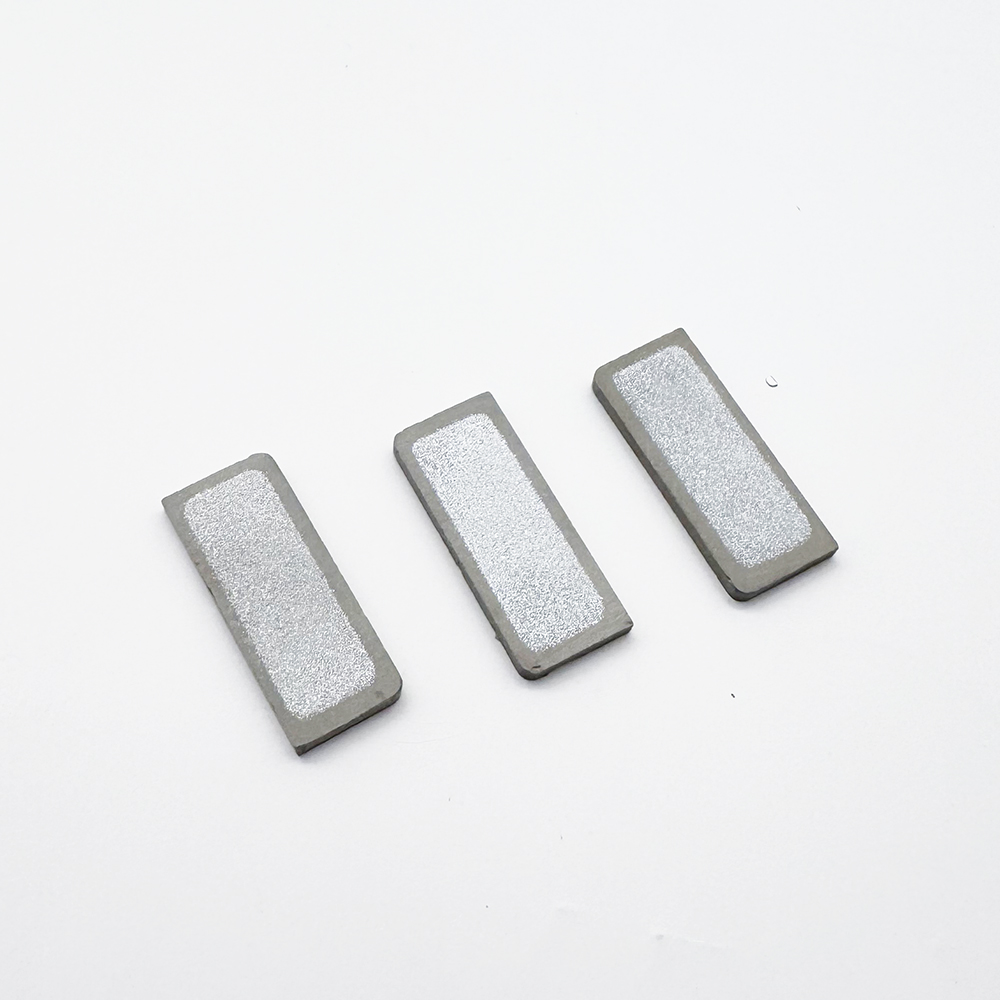
PTC heating elements are electric heating elements made of positive temperature coefficient (PTC) ceramic material. Their core features include automatic temperature regulation and over-temperature protection: At low temperatures, their resistance is low, allowing them to rapidly heat up upon power application. When the temperature reaches a specific critical point (the Curie temperature), their resistance increases dramatically, automatically reducing power consumption to avoid overheating. This adaptive feature ensures high safety and energy savings, enabling stable temperature control without the need for additional temperature control devices.
They are widely used in home appliances (such as air conditioning auxiliary heating and heaters), automotive electronics (seat heating and battery preheating), medical equipment, and industrial applications. Their compact design, long lifespan, and lack of open flames make them key components in modern intelligent thermal management solutions.


PTC heating elements are electric heating elements made of positive temperature coefficient (PTC) ceramic material. Their core features include automatic temperature regulation and over-temperature protection: At low temperatures, their resistance is low, allowing them to rapidly heat up upon power application. When the temperature reaches a specific critical point (the Curie temperature), their resistance increases dramatically, automatically reducing power consumption to avoid overheating. This adaptive feature ensures high safety and energy savings, enabling stable temperature control without the need for additional temperature control devices.
They are widely used in home appliances (such as air conditioning auxiliary heating and heaters), automotive electronics (seat heating and battery preheating), medical equipment, and industrial applications. Their compact design, long lifespan, and lack of open flames make them key components in modern intelligent thermal management solutions.
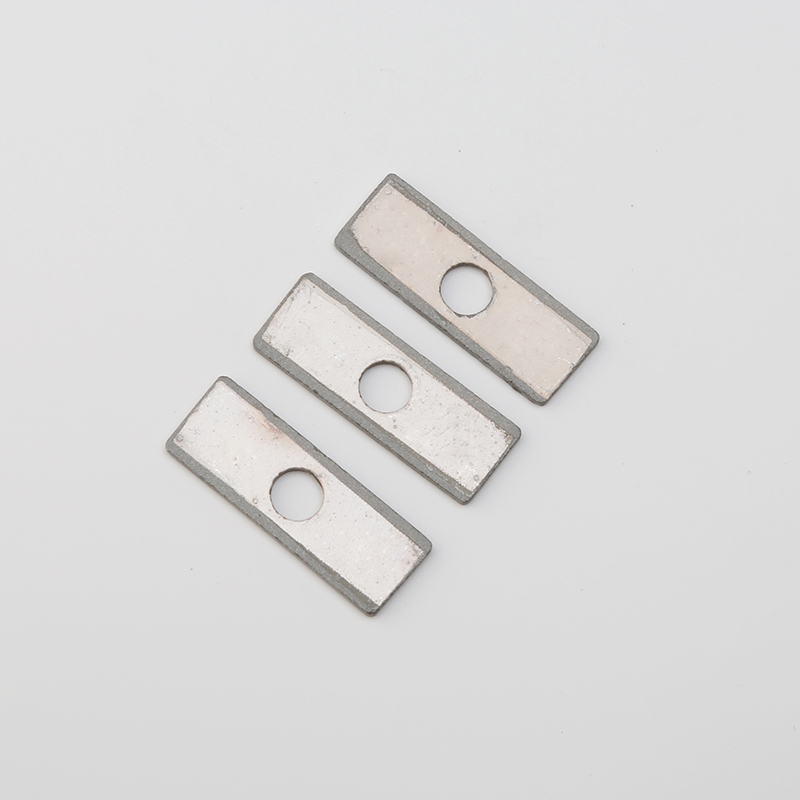
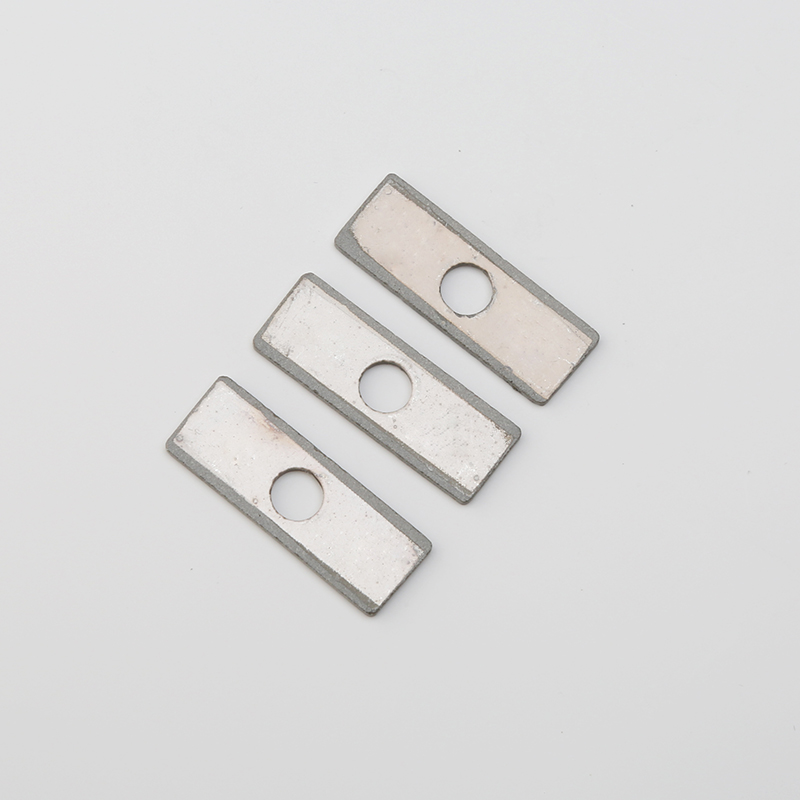
PTC heating elements are electric heating elements made of positive temperature coefficient (PTC) ceramic material. Their core features include automatic temperature regulation and over-temperature protection: At low temperatures, their resistance is low, allowing them to rapidly heat up upon power application. When the temperature reaches a specific critical point (the Curie temperature), their resistance increases dramatically, automatically reducing power consumption to avoid overheating. This adaptive feature ensures high safety and energy savings, enabling stable temperature control without the need for additional temperature control devices.
They are widely used in home appliances (such as air conditioning auxiliary heating and heaters), automotive electronics (seat heating and battery preheating), medical equipment, and industrial applications. Their compact design, long lifespan, and lack of open flames make them key components in modern intelligent thermal management solutions.