


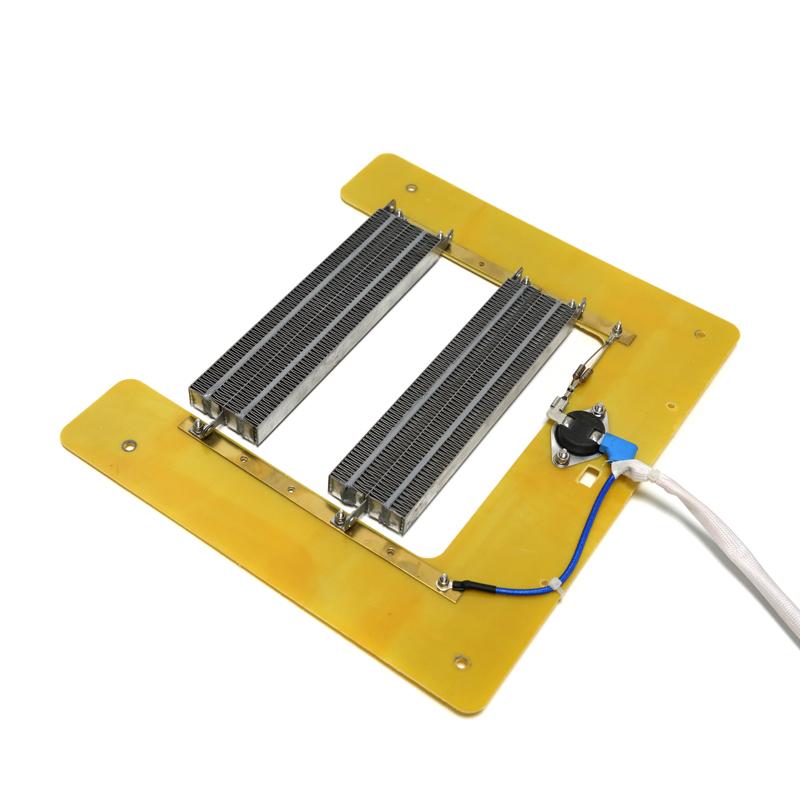
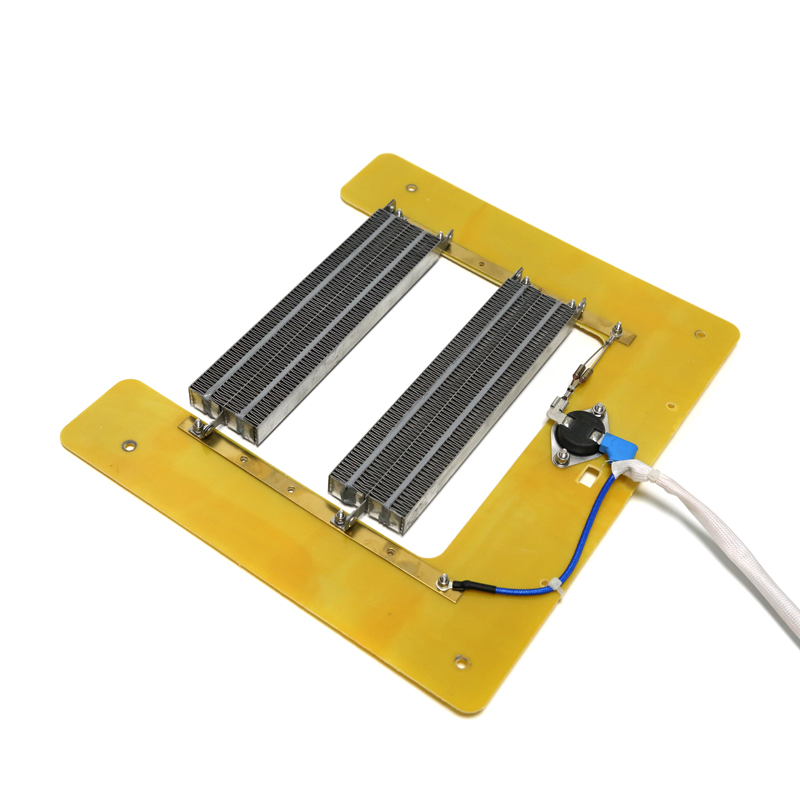
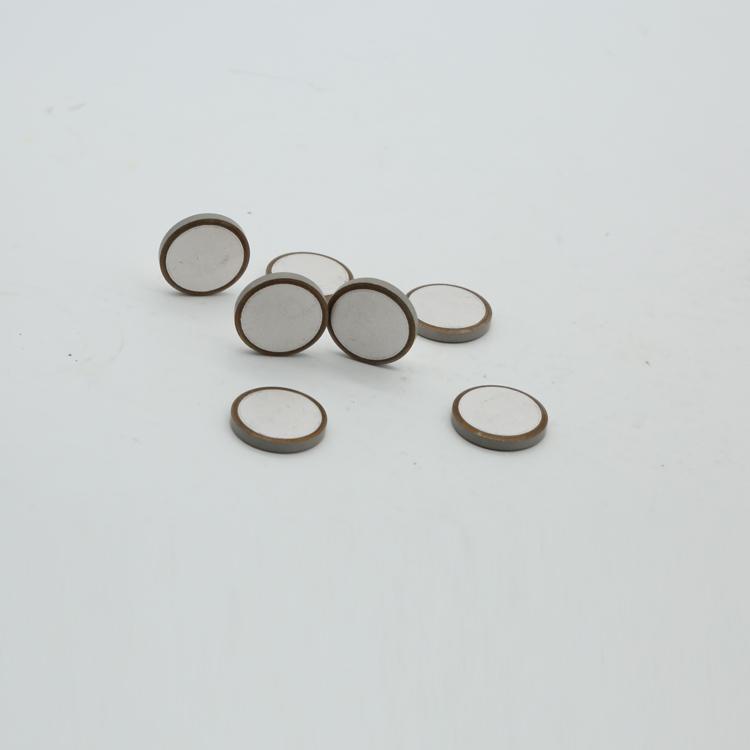
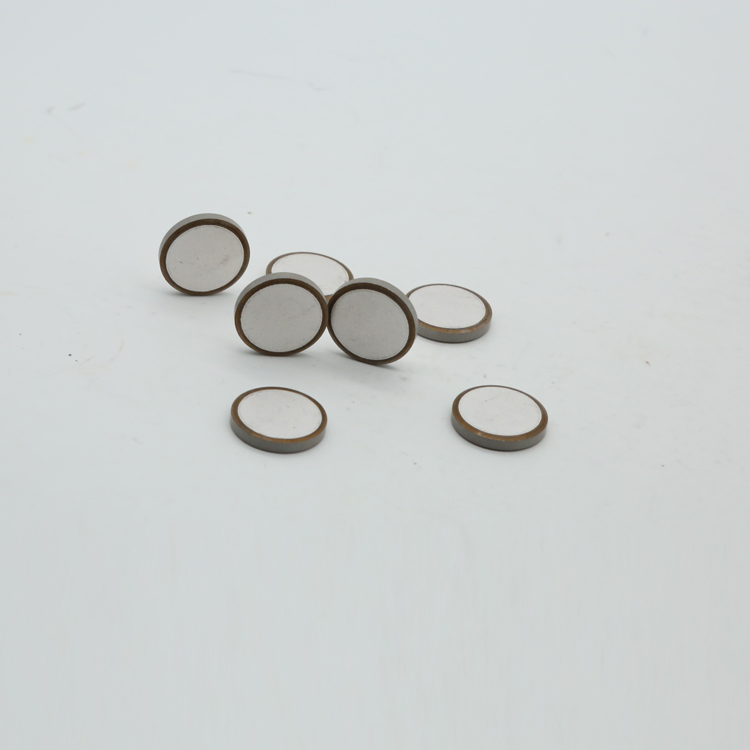
PTC (Positive Temperature Coefficient) heaters are not a one-size-fits-all solution. Their performance and suitability for an application depend heavily on their construction and design. Understanding the different types of PTC heaters is the first step in selecting the perfect component for your project. This guide breaks down the most common classifications.
PTC (Positive Temperature Coefficient) heaters are renowned for their self-regulating temperature and inherent safety features. Unlike traditional heating elements, their resistance increases as temperature rises, preventing overheating. However, to ensure their longevity and safe operation, proper usage is crucial. Here are the key points to keep in mind.
When we think of staying comfortable in cold, damp weather, we often focus solely on temperature. But true comfort is a two-part equation: warmth and dryness. High humidity levels can make a room feel chilly and clammy, even if the thermostat is set to a reasonable temperature. This is where a remarkable technology called the PTC heater shines, offering a powerful solution for both heating and dehumidification.
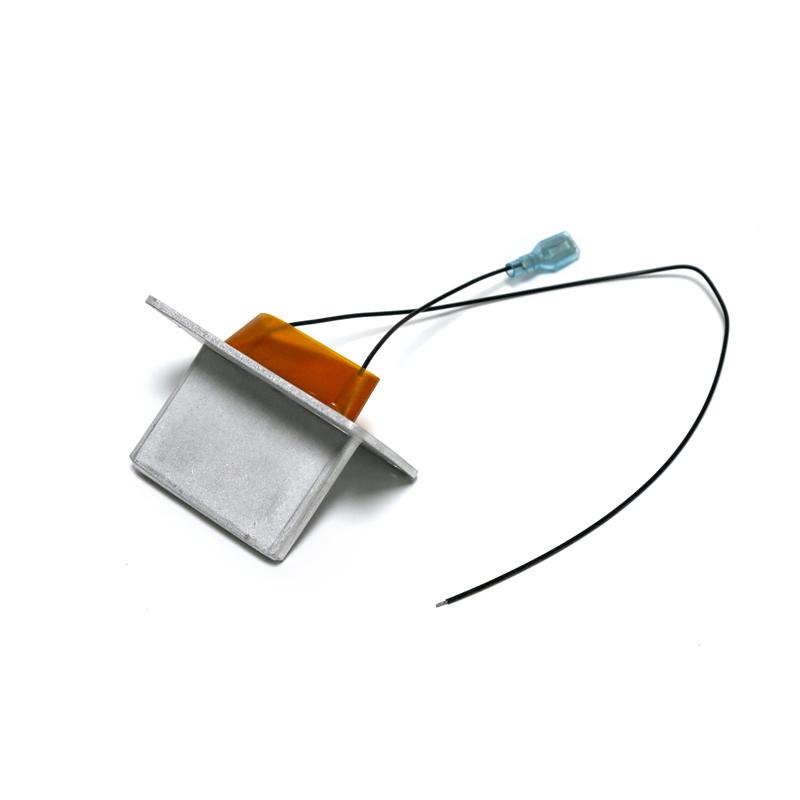
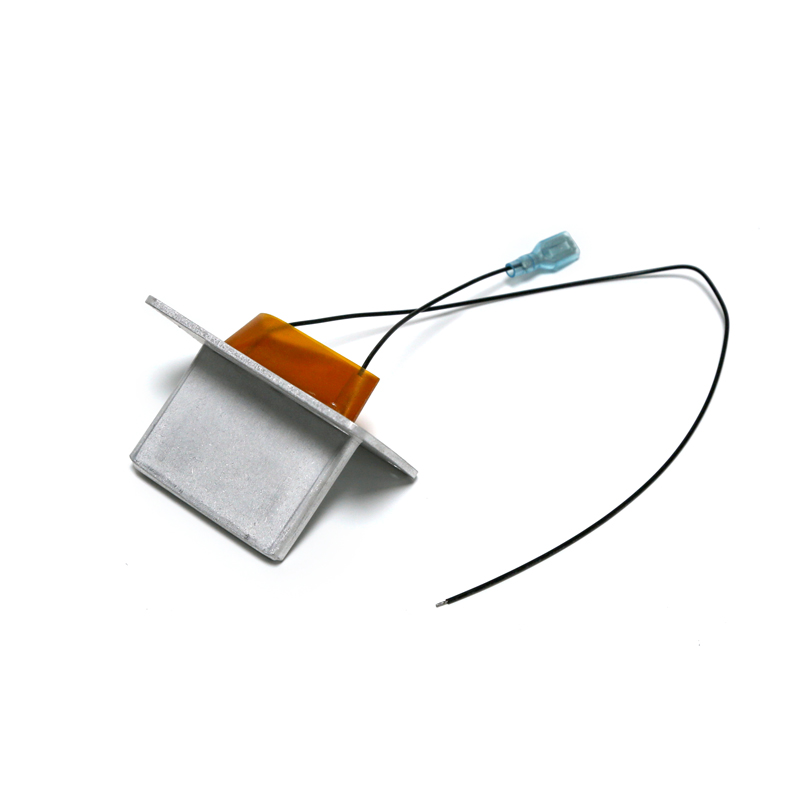
In today's advanced applications, from wearable therapeutics to complex aerospace systems, the demand for heat goes beyond simple warmth. It requires a solution that is as intelligent and adaptable as the technology it supports. Flexible and durable Polyimide (PI) heating films meet this challenge, offering unparalleled precision in thermal management within a remarkably tough and versatile package.
When your application involves extreme temperatures, corrosive chemicals, or intense vibration, off-the-shelf heating solutions simply won't survive. Standard heaters can fail, leading to downtime, costly repairs, and critical system failures. This is where custom-engineered polyimide (PI) heaters come in, built specifically to deliver unwavering reliability in the world's most punishing environments.
In the demanding worlds of medical technology and aerospace engineering, every component is pushed to its limit. Conventional heaters often fall short, being too bulky, unreliable, or inefficient for cutting-edge applications. The solution lies in a remarkable material: Polyimide (PI). Ultra-thin PI heaters are revolutionizing these industries by delivering precise, reliable warmth where traditional options cannot.
Home
Product
Contact
About Us