
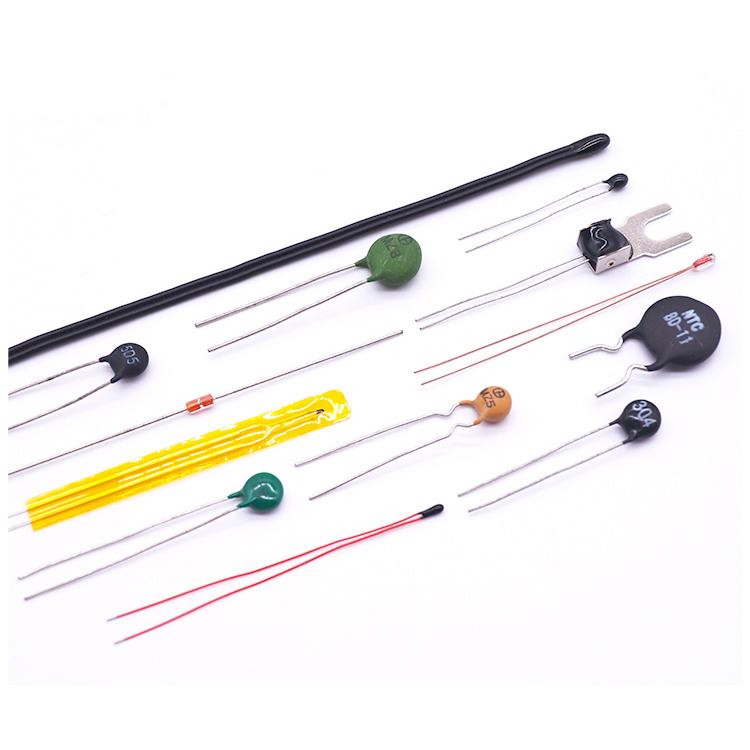
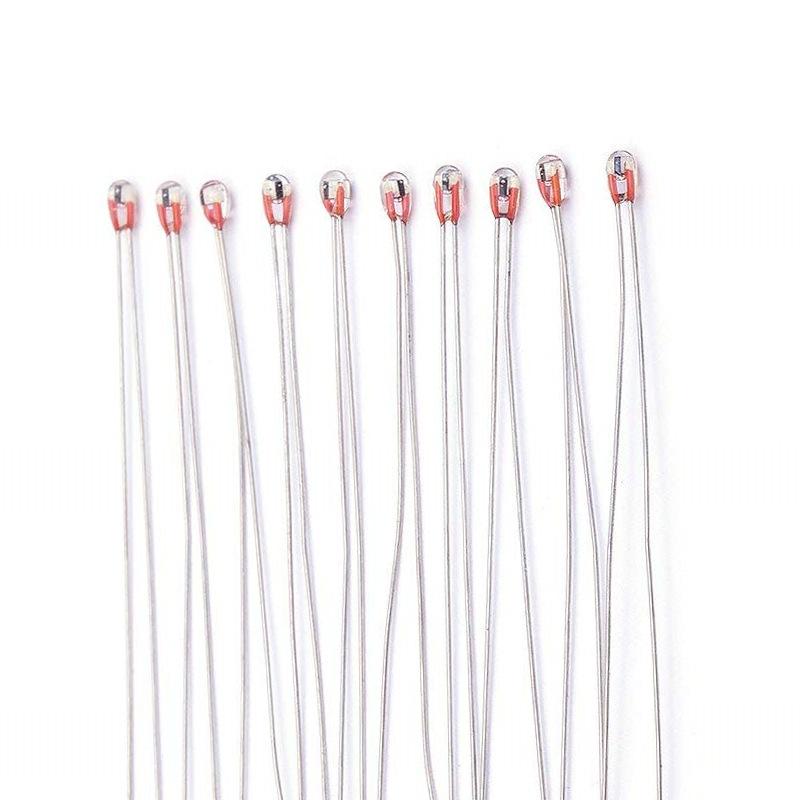





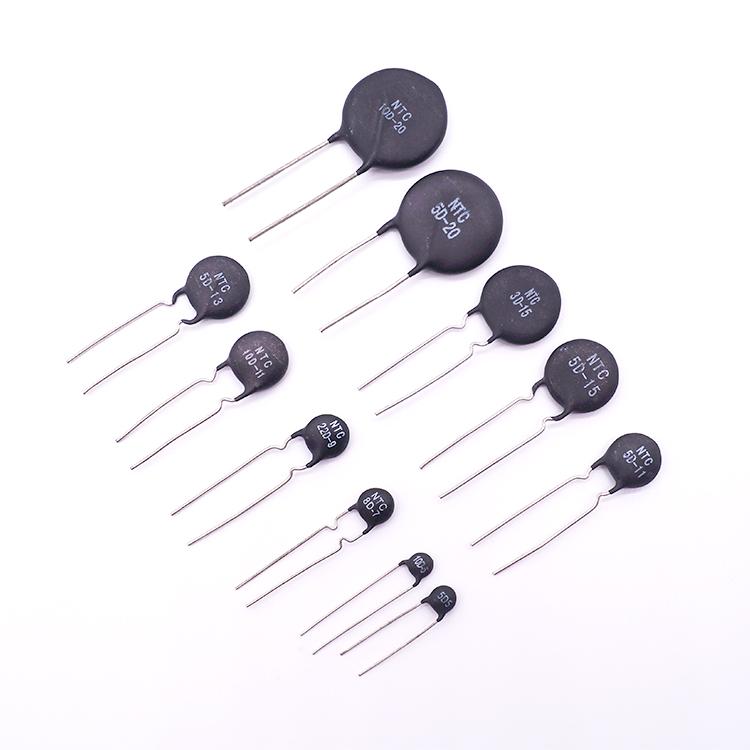
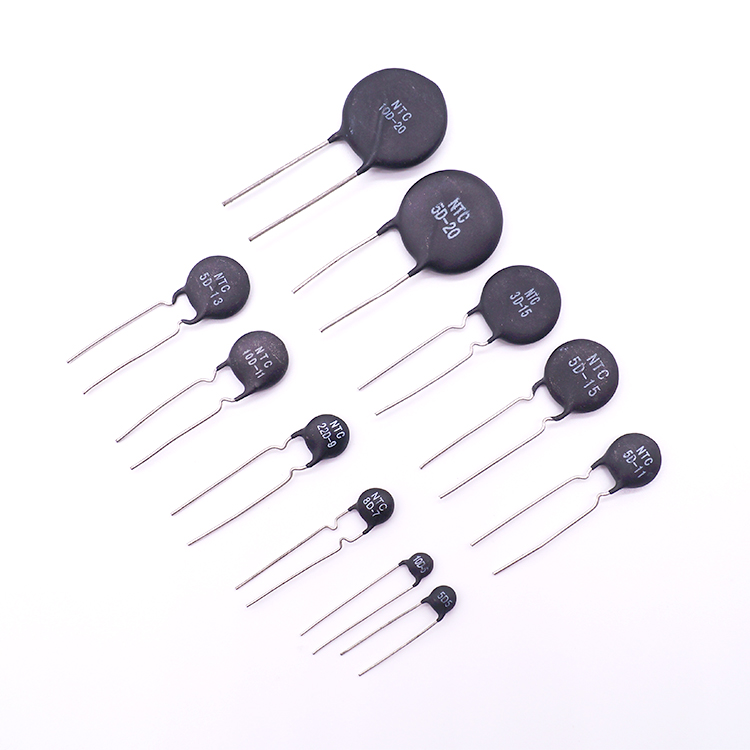
When it comes to measuring temperature in the electronic world, engineers have several options, from RTDs and thermocouples to IC-based sensors. Yet, across countless consumer and industrial products, one component consistently stands out: the NTC (Negative Temperature Coefficient) Thermistor.
Have you ever wondered how your car knows when the engine is overheating, or how a 3D printer maintains its perfect nozzle temperature? In many cases, the answer is a tiny, powerful component called an NTC Temperature Sensor.
For decades, PTC thermistors have been the reliable workhorses of circuit protection and simple heating. But the field of thermal management is evolving rapidly, driven by demands for greater efficiency, miniaturization, and connectivity. The future of PTC technology is not standing still; it is actively evolving to meet these new challenges with exciting trends and innovations.
PTC thermistors are versatile and widely used components, celebrated for their unique self-regulating properties. However, like any technology, they are not a universal solution. A successful design requires a clear understanding of both their strengths and weaknesses. This article provides a balanced look at the advantages and limitations of using PTC thermistors.
Look around you. Your smartphone, laptop, gaming console, and smart speaker all have one thing in common: they are packed with sophisticated, expensive electronics that are vulnerable to electrical faults. Yet, we use them daily with an expectation of safety and reliability. This peace of mind is made possible, in part, by a tiny, hidden guardian: the PTC thermistor.
A PTC thermistor datasheet can seem like a wall of technical jargon and complex graphs. However, selecting the right component for your project hinges on understanding a few critical parameters. This guide breaks down the key specifications you'll find on any PTC datasheet, transforming it from a confusing document into a valuable design tool.
Home
Product
Contact
About Us