Dongguan Tianrui Electronics Co., Ltd.
Dongguan Tianrui Electronics Co., Ltd. logo
The Future of PTC Technology: Trends and Innovations in Thermal Management

The Future of PTC Technology: Trends and Innovations in Thermal Management

PTC Heater
Sep 22, 2025Posted by Dongguan Tianrui Electronics Co., Ltd.

For decades, PTC thermistors have been the reliable workhorses of circuit protection and simple heating. But the field of thermal management is evolving rapidly, driven by demands for greater efficiency, miniaturization, and connectivity. The future of PTC technology is not standing still; it is actively evolving to meet these new challenges with exciting trends and innovations.

1. Enhanced Materials and Precision Manufacturing

The core of PTC innovation lies in advanced materials science. Future developments are focused on:

  • Tailored Curie Points: Through more precise doping of ceramic and polymer composites, manufacturers can create PTCs with incredibly specific and stable switching temperatures. This allows for finer-grained thermal management tailored to the exact needs of sensitive components like LiDAR sensors or high-performance CPUs.

  • Higher Temperature Variants: Research into new material compositions (e.g., using different ceramic substrates) is pushing the maximum operating temperatures higher, opening up applications in electric vehicle power trains and aerospace systems.

  • Improved Consistency: Advanced manufacturing techniques like thin-film deposition are producing PTCs with tighter resistance tolerances and more predictable trip curves, enhancing their reliability in precision applications.

2. Miniaturization and Integration

As devices shrink, so must their components.

  • Chip-Scale PTCs: The development of ultra-small, surface-mount (SMTPTC) components allows for integration into increasingly dense printed circuit boards (PCBs) found in wearables, smartphones, and advanced medical implants.

  • Embedded and Functional Integration: We will see PTCs less as discrete components and more as functional layers embedded directly into substrates like flexible printed circuits (FPCs) or even battery tabs, providing protection without occupying valuable board space.

3. Smart and Connected Protection

The era of the Internet of Things (IoT) demands components that can communicate their status.

  • PTCs with Sensing Capability: Future systems may integrate PTCs with microcontrollers to not only trip but also report a thermal event. A device could send an alert to a user's phone stating, "Your drill motor overheated and has been shut down to prevent damage," transforming a simple trip into actionable diagnostic data.

  • Predictive Maintenance: By monitoring the slight drift in a PTC's cold resistance or its trip time over years of service, algorithms could predict the aging of a motor or a battery pack, signaling the need for maintenance before a failure occurs.

4. Revolutionizing Battery Safety and Management (BMS)

The explosive growth of electric vehicles (EVs) and large-scale energy storage is a huge driver for innovation.

  • Cell-Level Protection: PTCs are being engineered to be integrated directly into the structure of individual lithium-ion cells. This provides instantaneous, localized protection against thermal runaway, a critical safety enhancement for next-generation batteries.

  • Advanced Thermal Management: In large battery packs, PTC heaters are used to preheat batteries in cold climates to optimize charging efficiency. Future systems will use smarter, more efficient PTC arrays for precise thermal regulation across the entire pack.

5. The Rise of Hybrid and Multi-Functional Solutions

The future is not just about PTCs alone, but about how they work in concert with other technologies.

  • PTC-NTC Combinations: Devices that combine a PTC's protective switching with an NTC's precise temperature sensing in a single package could offer comprehensive thermal management solutions.

  • Integration with Active Cooling: Imagine a system where a PTC heater warms a component to its optimal operating temperature on startup, and then a thermoelectric cooler (TEC) managed by a separate sensor takes over to prevent overheating during peak load. PTCs will be key players in these complex, multi-mode thermal systems.

Conclusion

The future of PTC technology is bright and dynamic. It is moving beyond its traditional role as a simple protector into a new era of intelligence, integration, and precision. From enabling the safe adoption of high-density batteries to becoming a communicative element in the IoT, the humble PTC thermistor is evolving to become a smarter, more sophisticated, and indispensable component in the next generation of electronic systems. The journey from a passive component to an active guardian of system health is well underway.
Featured Blogs

PTC Heater for HVAC System: Working Principle, Applications and Selection Guide

PTC Heater for HVAC System: Working Principle, Applications and Selection Guide

PTC heaters for HVAC systems provide efficient and reliable heating solutions for automotive, industrial and commercial applications. This guide explains how PTC heaters work, their advantages, applications and how to select a suitable supplier for customized HVAC heating requirements.

Read More
PTC Heater for Electric Vehicle: How to Choose the Right EV Heating Solution

PTC Heater for Electric Vehicle: How to Choose the Right EV Heating Solution

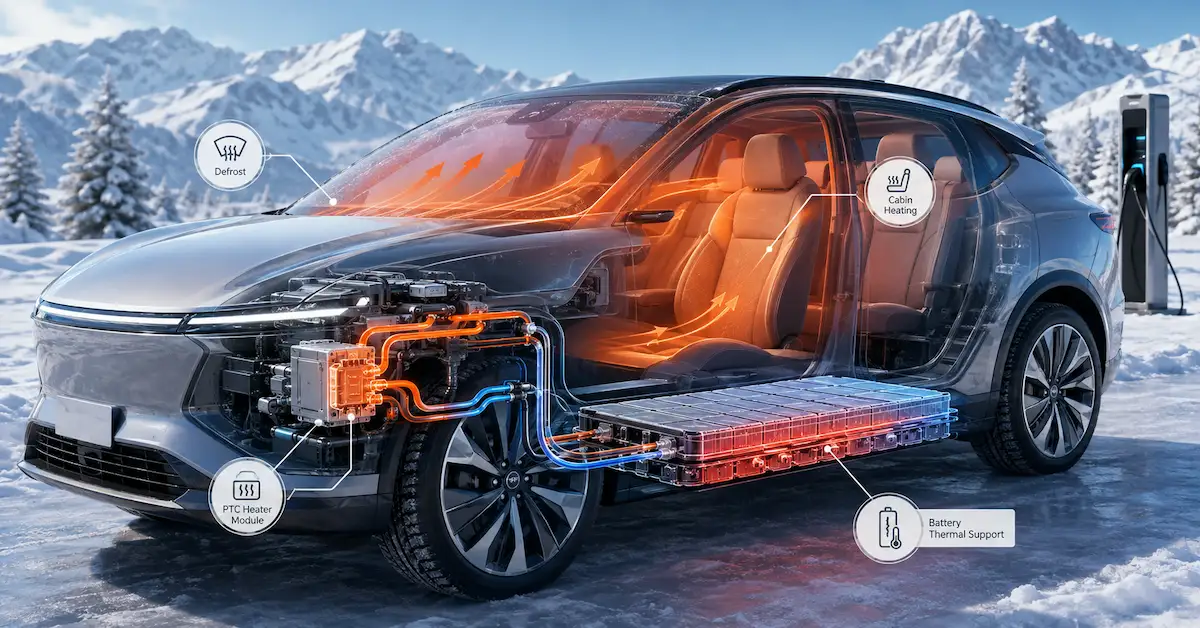
PTC heaters for electric vehicles provide efficient cabin heating and battery thermal management solutions in cold environments. This guide explains how EV manufacturers can select suitable PTC heaters based on heating performance, safety, energy efficiency, customization and supplier capability.

Read More
PTC Heater Supplier Guide: How OEM Buyers Compare Quality, Samples and Supply Risk

PTC Heater Supplier Guide: How OEM Buyers Compare Quality, Samples and Supply Risk

Choosing a PTC Heater Supplier involves more than comparing wattage and unit price. This guide helps OEM buyers evaluate technical support, customization, sample testing, quality control, quotations, lead time and long-term supply reliability before approving a heating partner.

Read More
PTC Heater Manufacturer: How to Choose the Right OEM Partner

PTC Heater Manufacturer: How to Choose the Right OEM Partner

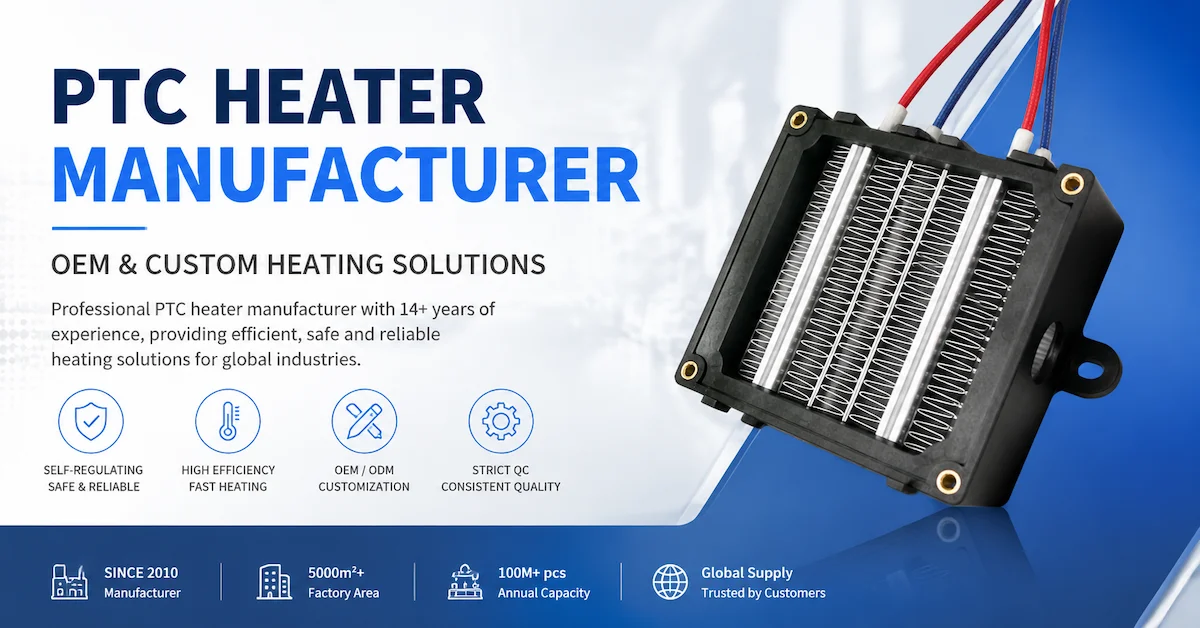
Choosing the right PTC heater manufacturer requires more than comparing price and wattage. This guide explains how OEM buyers can evaluate engineering capability, customization, sample testing, quality control, production consistency, cost, and RFQ requirements before selecting a long-term supplier.

Read More
48256 Cross Flow Fan: The Ultimate Guide to Efficient, Low-Noise Airflow

48256 Cross Flow Fan: The Ultimate Guide to Efficient, Low-Noise Airflow

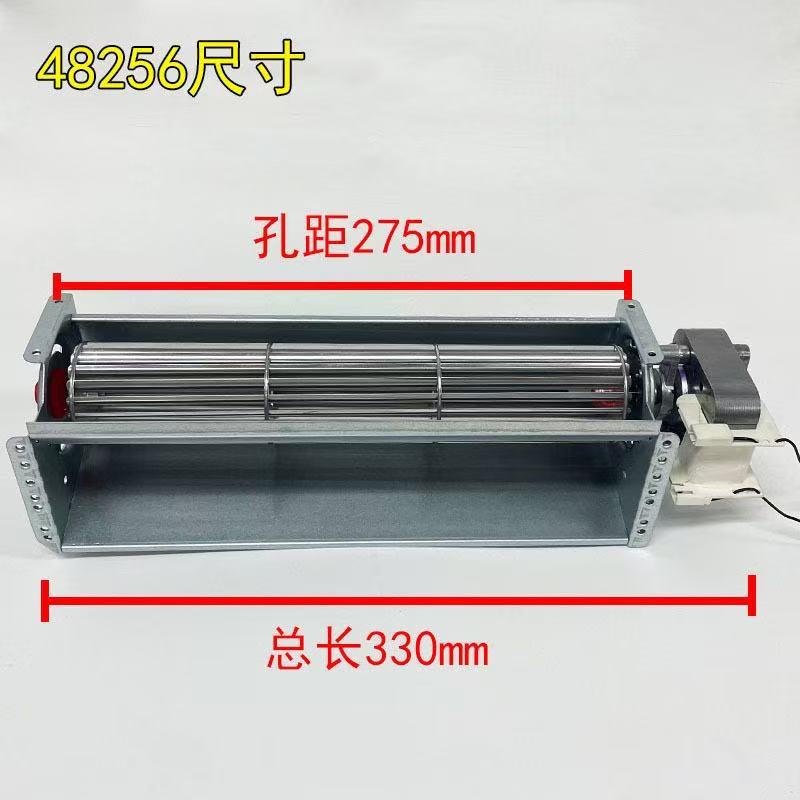
When it comes to moving air efficiently in tight spaces, few solutions match the performance of a cross flow fan (tangential fan). The 48256 model shown in the image is a prime example of this engineering marvel, designed to deliver consistent, low-noise airflow for a wide range of heating, ventilation, and industrial applications. Let’s break down what makes this fan such a versatile and reliable choice.

Read More
Why Our PTC Air Heaters Are the Smart, Safe Choice for Modern Air Heating

Why Our PTC Air Heaters Are the Smart, Safe Choice for Modern Air Heating

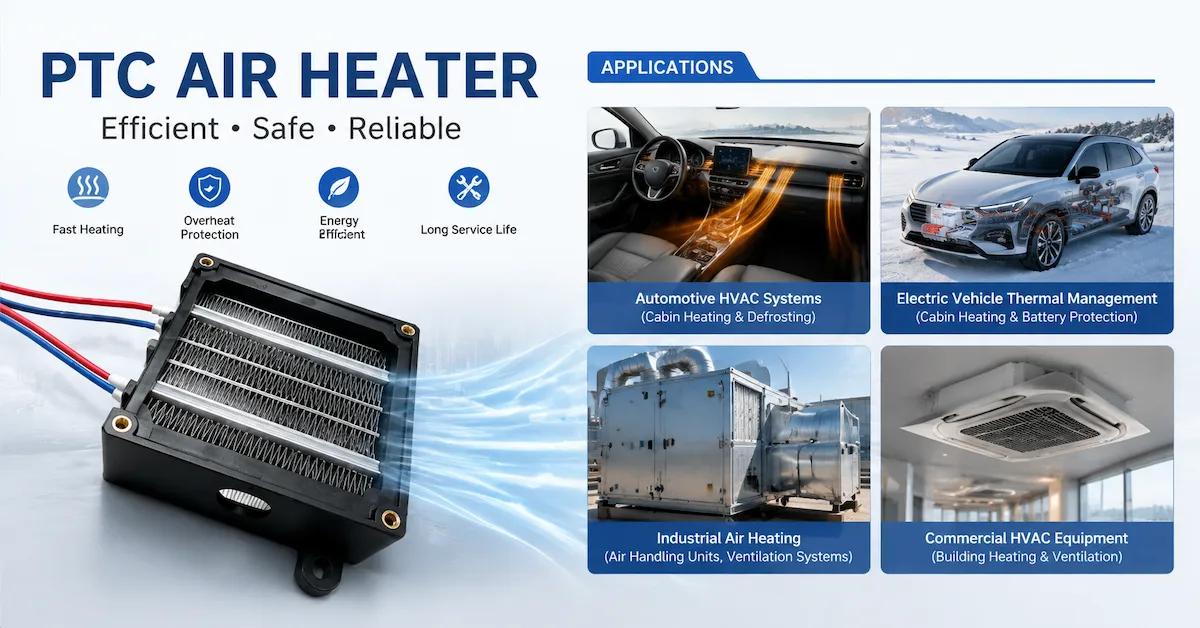
If you’ve ever dealt with unreliable heating elements, energy waste, or safety concerns in your air heating systems, it’s time to meet the solution: PTC (Positive Temperature Coefficient) air heaters. These compact, powerful modules are more than just heating components—they’re engineered to deliver consistent, safe, and efficient heat across countless applications, and our line of customizable models (as seen in the image) is built to exceed expectations.

Read More
The Complete Guide to PTC Fan Heaters for Industrial Cabinet Protection

The Complete Guide to PTC Fan Heaters for Industrial Cabinet Protection

Industrial automation relies on sensitive electronics housed within control cabinets, but these enclosures face a constant threat: temperature fluctuations. Condensation in humid conditions, freezing in cold climates, and component stress from temperature swings can lead to malfunctions, downtime, and costly repairs. To solve this, engineers are increasingly turning to integrated PTC Fan Heaters – a robust, intelligent solution designed for reliability. Available in key power ratings like 150W, 300W, 400W, and 600W, these units are the guardians of critical electrical systems.

Read More
The Smart Way to Heat Liquids: A Guide to PTC Immersion Heating Rods

The Smart Way to Heat Liquids: A Guide to PTC Immersion Heating Rods

When your application requires precise and reliable heating of a liquid—whether it's water in a tank, oil in a reservoir, or a chemical in a process bath—the heating element you choose is critical. Enter the Immersion Water Heater Element with PTC (Positive Temperature Coefficient) technology. This isn't your standard heating coil; it's an intelligent, self-regulating solution that offers superior safety and efficiency. Let's dive into what makes these tubular heating rods a game-changer for liquid temperature control.

Read More