Dongguan Tianrui Electronics Co., Ltd.
Dongguan Tianrui Electronics Co., Ltd. logo
Beyond Protection: Using PTC Thermistors as Self-Regulating Heaters

Beyond Protection: Using PTC Thermistors as Self-Regulating Heaters

PTC Heater
Sep 22, 2025Posted by Dongguan Tianrui Electronics Co., Ltd.

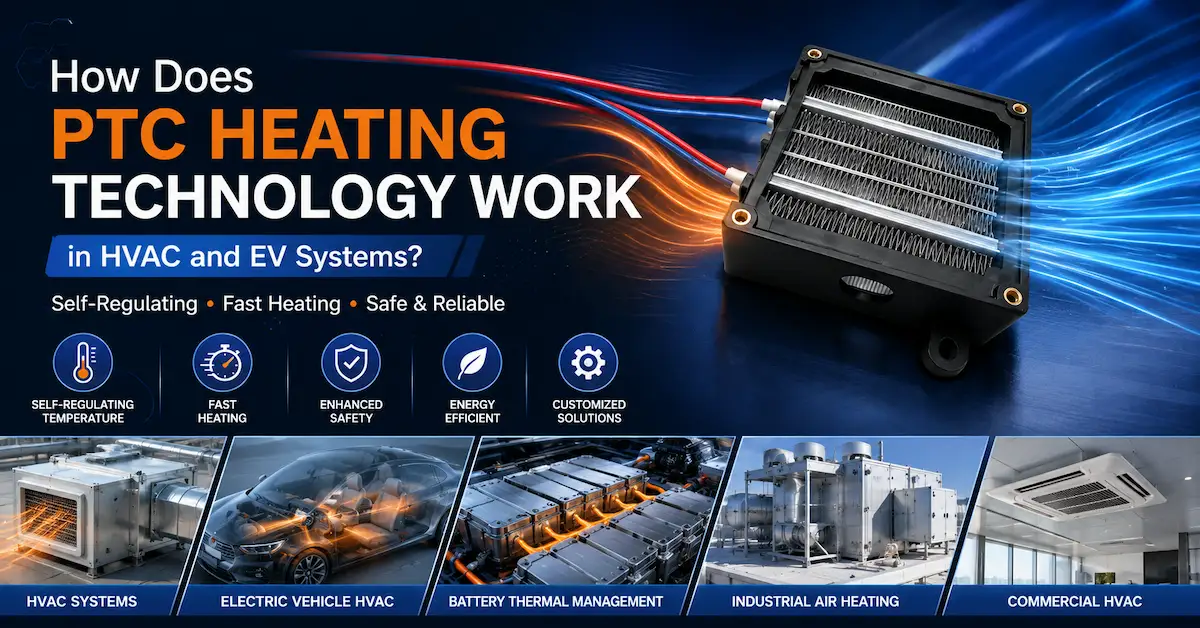
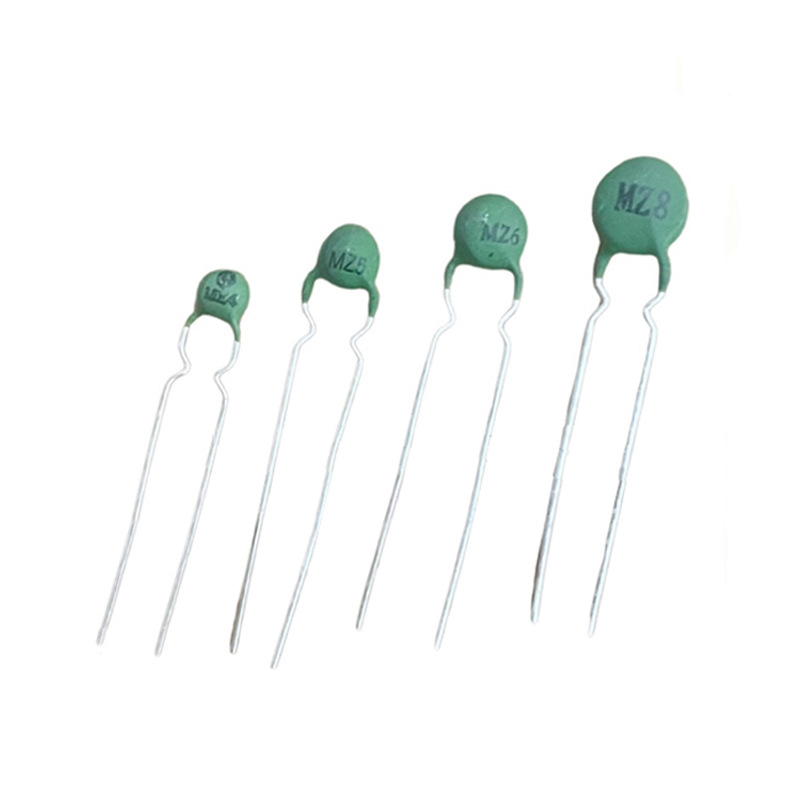
When most engineers think of PTC (Positive Temperature Coefficient) thermistors, they think of protection: inrush current limiting, overcurrent protection, and resettable fuses. But these versatile components have another brilliant, yet often overlooked, talent: they are exceptional, self-regulating heaters. This inherent ability makes them one of the simplest and safest solutions for a wide range of heating applications.

The "Aha!" Moment: How Can a Resistor Be a Heater?

It’s a fundamental principle of electronics: when current passes through a resistor, power is dissipated in the form of heat. This is usually an unwanted side effect. However, PTC thermistors harness this "waste" and turn it into their primary function, with a critical built-in safety feature.

The magic lies in their unique Positive Temperature Coefficient characteristic. Unlike a standard fixed resistor that would get hotter and hotter if current were unlimited, a PTC thermistor self-regulates.

The Genius of Self-Regulation: No Circuitry Required

Here’s the step-by-step process that makes a PTC thermistor an ideal heater:

  1. Start-Up: When voltage is first applied, the PTC thermistor is cool and has a low resistance. This allows a relatively large current to flow, generating heat rapidly (I²R heating).

  2. Heating and Regulation: As the thermistor heats up, it approaches its specific Curie point or switching temperature. At this point, its resistance begins to increase dramatically.

  3. The Balance (Self-Limiting): This sharp increase in resistance causes a corresponding decrease in current (per Ohm's Law: I = V/R). With less current flowing, less heat is generated.

  4. Reaching Equilibrium: The system quickly finds a perfect equilibrium. If the environment tries to cool the heater (e.g., a gust of wind), its temperature drops slightly, causing its resistance to decrease. This allows more current to flow, generating more heat to return to its target temperature. Conversely, if it gets too hot, resistance skyrockets and shuts the current down. It is a beautifully passive feedback loop.

This built-in control mechanism means a PTC heater cannot overheat under its normal operating voltage. This makes it inherently safe against thermal runaway—a significant risk with traditional wire-wound heating elements that require external thermostats and fuses to be safe.

Key Advantages of PTC Heaters

  • Inherent Safety: The number one benefit. They are self-limiting and cannot overheat to the point of causing a fire or damaging themselves.

  • Energy Efficient: They naturally regulate their power consumption. At the target temperature, they draw very little current to maintain heat.

  • Simple Design: They require no external temperature sensors, complex control circuits, or microcontrollers. You often just need to apply a voltage.

  • Compact and Reliable: Their solid-state construction allows for flat, lightweight designs and makes them highly resistant to vibration and corrosion.

Where You'll Find PTC Heaters in Action

This technology is all around us, making our devices safer and smarter:

  • Consumer Appliances: Advanced coffee makers, kettle warmers, and yogurt makers use them for precise temperature control.

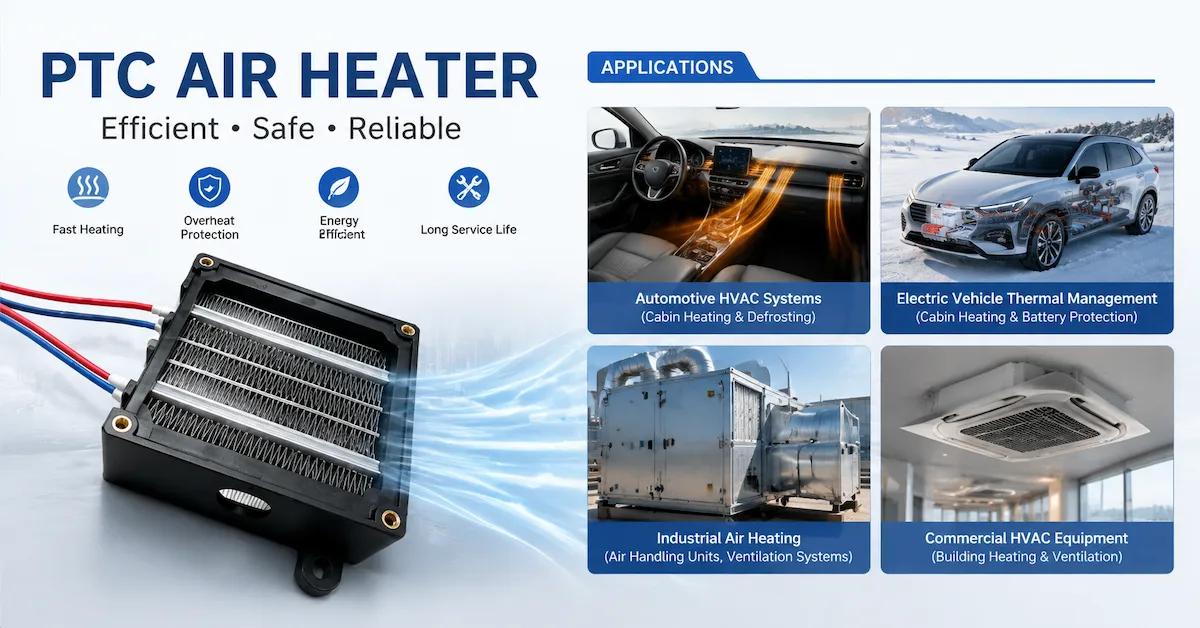
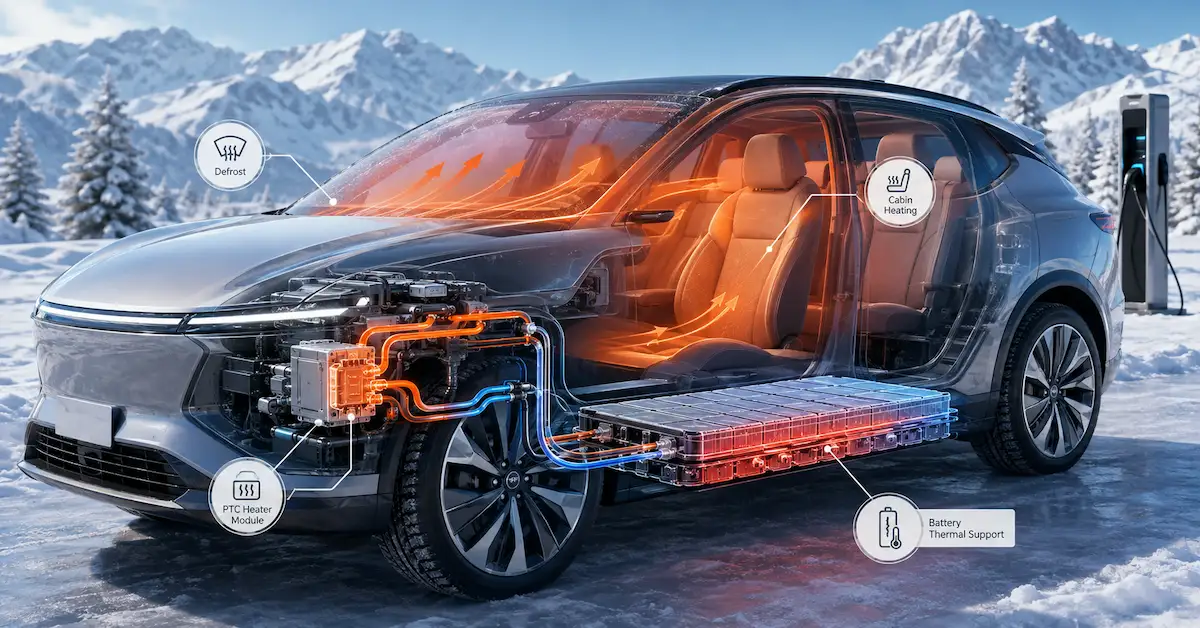
  • Automotive: Heated seats, side mirrors, and defroster grids for rear windows often utilize flexible PTC heating elements.

  • HVAC: They are used in auxiliary heaters for air conditioners and defrosting cycles in heat pumps.

  • Industrial: They provide freeze protection for valves, sensors, and pipes outdoors.

  • Personal Care: Hair straighteners, curling irons, and humidifiers use them to maintain a consistent, safe temperature.

Conclusion

PTC thermistors are a stunning example of a component whose core "flaw"—changing resistance with temperature—is its greatest strength. By moving beyond their role as mere protectors and embracing their capabilities as heaters, engineers can create simpler, safer, and more reliable thermal systems. The next time you settle into a warm car seat or enjoy a perfectly brewed coffee, remember the clever, self-regulating PTC thermistor working silently in the background.

Featured Blogs

Ceramic PTC Heaters: The Smart Choice for Modern Heating

Ceramic PTC Heaters: The Smart Choice for Modern Heating

When it comes to efficient, safe, and compact heating solutions, ceramic PTC (Positive Temperature Coefficient) heaters are revolutionizing the industry. Unlike traditional heaters that rely on constant power and external controls, PTC heaters offer a built-in “brain” that makes them remarkably efficient and reliable.

Read More
Compact PTC Heaters: Your Efficient & Safe Solution for Instant Warmth

Compact PTC Heaters: Your Efficient & Safe Solution for Instant Warmth

Feeling a chill in your home office, bathroom, or a small living space? Traditional heaters often feel bulky, inefficient, or even unsafe. Enter the compact PTC heater – a modern marvel of heating technology that's changing how we stay warm.

Read More
PTC Heating Film: The Smart, Efficient Future of Warmth

PTC Heating Film: The Smart, Efficient Future of Warmth

Tired of cold floors, inefficient heaters, and high energy bills? Modern heating technology offers a superior solution: Positive Temperature Coefficient (PTC) Heating Film. This innovative material is revolutionizing how we deliver warmth in homes, offices, and industrial settings. But what exactly is it, and why is it gaining so much popularity?

Read More
Unlocking Efficiency: The Essential Guide to 220V 400W Insulated PTC Heaters

Unlocking Efficiency: The Essential Guide to 220V 400W Insulated PTC Heaters

In the world of electric heating, finding the perfect balance of safety, reliability, and energy efficiency is a constant pursuit. Enter the 220V 400W Insulated PTC Heater—a compact yet powerful component that is revolutionizing applications from industrial equipment to everyday appliances. But what exactly makes this specific heater so exceptional? Let's delve into its core technology, standout benefits, and practical uses.

Read More
PTC Heaters: The Smart Heart of Your Modern Clothes Dryer

PTC Heaters: The Smart Heart of Your Modern Clothes Dryer

Tired of long drying cycles, high energy bills, and worries about overheating your favorite clothes? The technology behind drying has evolved, and at the forefront is the PTC (Positive Temperature Coefficient) heater. It’s quietly revolutionizing how modern dryers work, making them more efficient, safer, and gentler on fabrics.

Read More
Insulated Corrugated PTC Heaters: The Safe and Durable Heating Solution

Insulated Corrugated PTC Heaters: The Safe and Durable Heating Solution

In industrial and commercial heating applications where safety, durability, and efficiency are non-negotiable, the insulated corrugated PTC heater stands out as an engineering masterpiece. Combining three key technologies—PTC self-regulation, corrugated metal construction, and specialized insulation—this heater delivers performance where others may fall short.

Read More
Air Electric PTC Heaters: Revolutionizing Modern Heating with Efficiency and Safety

Air Electric PTC Heaters: Revolutionizing Modern Heating with Efficiency and Safety

Explore the advanced Air Electric PTC Heater, designed for rapid, self-regulating, and energy-efficient heating. Ideal for industrial, automotive, and commercial applications.

Read More
Power Up Your Drying Process: The Ultimate Guide to Industrial PTC Air Heaters

Power Up Your Drying Process: The Ultimate Guide to Industrial PTC Air Heaters

In the demanding world of industrial drying—whether for food, textiles, coatings, or plastics—efficiency, reliability, and control are non-negotiable. Traditional heating elements often fall short, plagued by inefficiency, hotspots, and safety concerns. Enter PTC (Positive Temperature Coefficient) air heaters, a transformative technology redefining performance standards for drying applications.

Read More