Dongguan Tianrui Electronics Co., Ltd.
Dongguan Tianrui Electronics Co., Ltd. logo
The Complete Guide to PTC Fan Heaters for Industrial Cabinet Protection

The Complete Guide to PTC Fan Heaters for Industrial Cabinet Protection

PTC Heater
Feb 04, 2026Posted by Dongguan Tianrui Electronics Co., Ltd.

Why PTC Technology is Ideal for Cabinet Heating

Traditional resistive heaters require external thermostats and can overheat if the thermostat fails. PTC (Positive Temperature Coefficient) technology changes the game. The ceramic heating element itself acts as its own sensor and controller. As it heats up to its designed Curie point, its resistance increases sharply, automatically reducing power draw. This built-in safety mechanism provides:

  • Inherent Safety: No risk of overheating or thermal runaway, even if the fan fails.

  • Energy Efficiency: The heater draws maximum power only during warm-up, then modulates to maintain temperature, saving energy.

  • Simplified Design: Often eliminates the need for separate overheating protection devices.

The Critical Role of the Integrated Fan

A PTC element alone creates radiant heat. The integrated fan is what makes this solution perfect for cabinets. It actively circulates warm air throughout the enclosure, combating cold spots and preventing localized condensation. This forced convection ensures:

  • Uniform Temperature Distribution: Even heating protects all components, not just those near the heater.

  • Faster Warm-Up: Rapidly raises the internal ambient temperature to a safe operating range.

  • Improved Airflow: Helps reduce static air pockets where moisture can accumulate.

Selecting the Right Wattage: 150W to 600W

Choosing the correct power is crucial for efficiency and effectiveness. The required wattage depends on cabinet volume, target temperature rise, and the minimum ambient temperature.

  • 150W: Ideal for small to medium cabinets (e.g., PLC enclosures) in moderately cold environments.

  • 300W & 400W: The workhorses for standard industrial control panels and telecom cabinets, offering a balance of power and size.

  • 600W: Designed for large enclosures, outdoor cabinets in severe climates, or applications requiring a rapid temperature recovery after door openings.

Key Features of Modern Industrial PTC Fan Heaters

  • Robust Housing: Typically metal (aluminum or steel) with IP54 or higher ingress protection against dust and moisture.

  • Easy Installation: Pre-drilled mounting holes, terminal blocks for power, and optional built-in thermostats.

  • Low Maintenance: Solid-state reliability with only the fan as a moving part, designed for continuous operation.

Primary Applications Across Industries
These heaters are ubiquitous anywhere electronics need protection:

  • Manufacturing: Protecting PLCs, VFDs, and servo drives in control panels.

  • Telecommunications: Preventing condensation in outdoor network cabinets and fiber optic terminals.

  • Energy & Infrastructure: Heating inverter cabinets for solar/wind power and railway signaling equipment.

  • Building Automation: Ensuring reliable operation of HVAC and security system controllers in unheated spaces.

A Smart Investment in Uptime

Specifying a 150W, 300W, 400W, or 600W PTC Heater with Fan is not just about adding a component; it's about investing in system resilience. By providing safe, efficient, and uniform heating, these units prevent the most common causes of enclosure-related failures. For system designers and maintenance engineers, they represent a set-and-forget solution that extends equipment lifespan, ensures operational continuity, and delivers peace of mind in the harshest industrial environments. When protecting your cabinet, choose the smart, self-regulating power of a PTC fan heater.
Featured Blogs

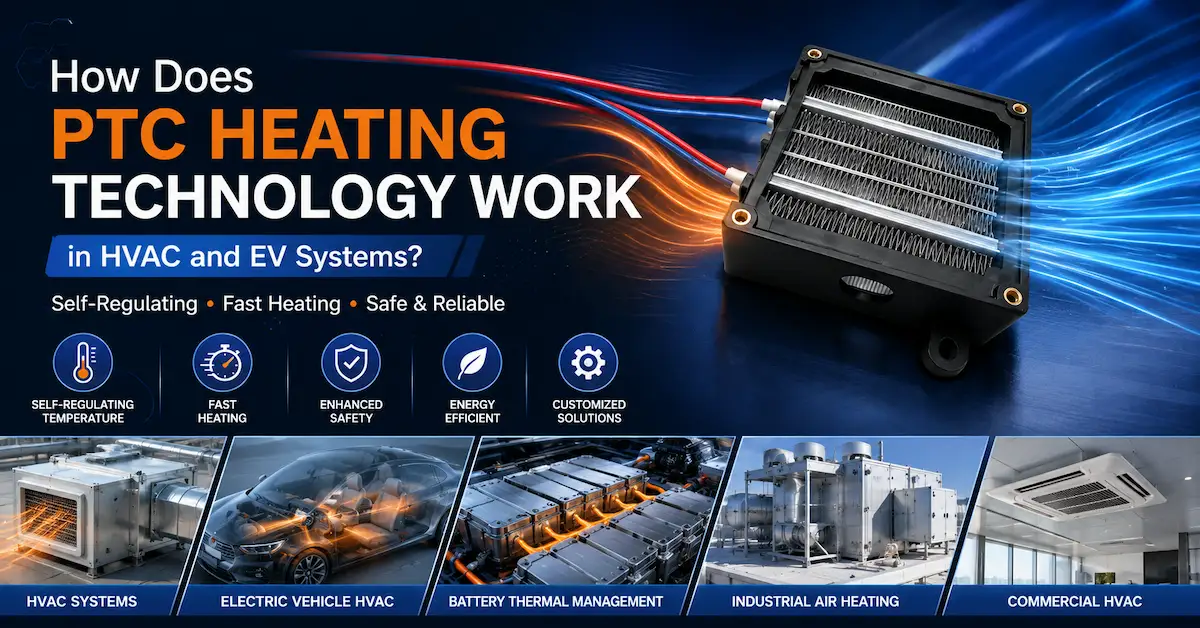
How Does PTC Heating Technology Work in HVAC and EV Systems?

How Does PTC Heating Technology Work in HVAC and EV Systems?

PTC Heating Technology provides self-regulating electric heating for HVAC, electric vehicles, industrial equipment and thermal management systems. This guide explains the ceramic heating principle, key advantages, heater types, application differences and selection factors that OEM engineers and buyers should evaluate before choosing a PTC heating solution.

Read More
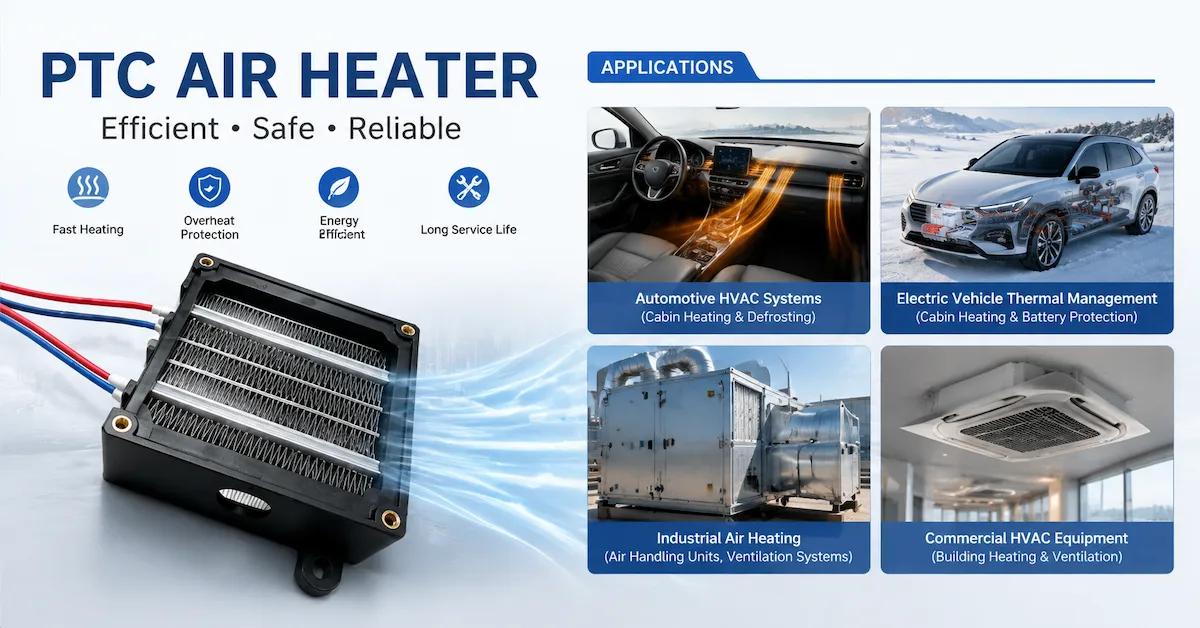
PTC Heater for HVAC System: Working Principle, Applications and Selection Guide

PTC Heater for HVAC System: Working Principle, Applications and Selection Guide

PTC heaters for HVAC systems provide efficient and reliable heating solutions for automotive, industrial and commercial applications. This guide explains how PTC heaters work, their advantages, applications and how to select a suitable supplier for customized HVAC heating requirements.

Read More
PTC Heater for Electric Vehicle: How to Choose the Right EV Heating Solution

PTC Heater for Electric Vehicle: How to Choose the Right EV Heating Solution

PTC heaters for electric vehicles provide efficient cabin heating and battery thermal management solutions in cold environments. This guide explains how EV manufacturers can select suitable PTC heaters based on heating performance, safety, energy efficiency, customization and supplier capability.

Read More
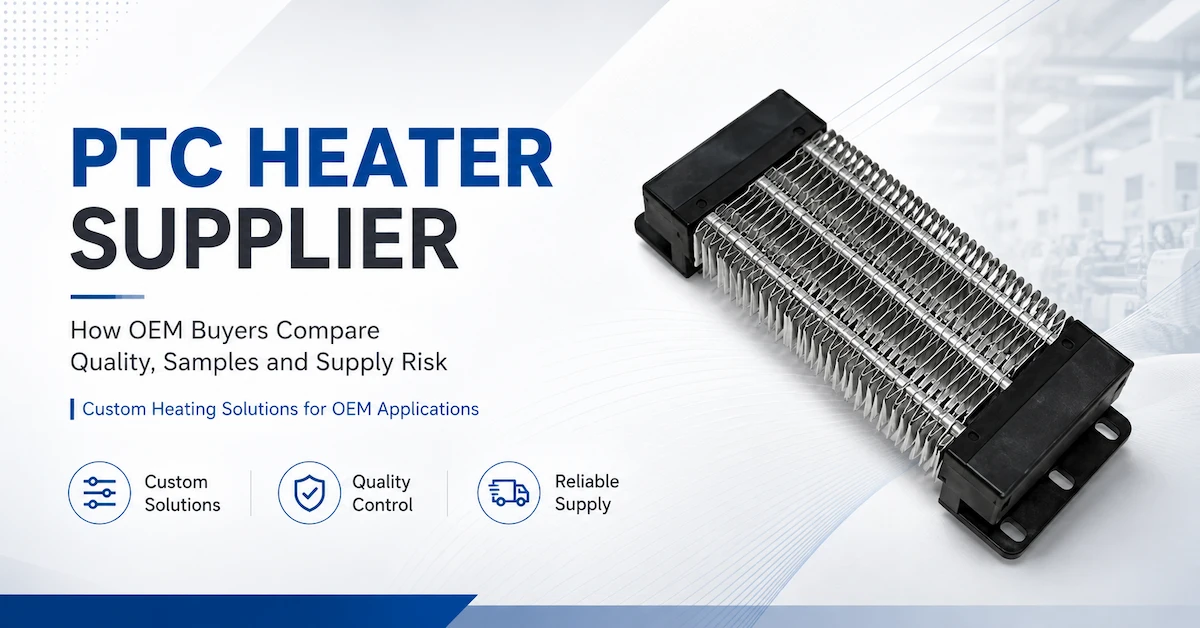
PTC Heater Supplier Guide: How OEM Buyers Compare Quality, Samples and Supply Risk

PTC Heater Supplier Guide: How OEM Buyers Compare Quality, Samples and Supply Risk

Choosing a PTC Heater Supplier involves more than comparing wattage and unit price. This guide helps OEM buyers evaluate technical support, customization, sample testing, quality control, quotations, lead time and long-term supply reliability before approving a heating partner.

Read More
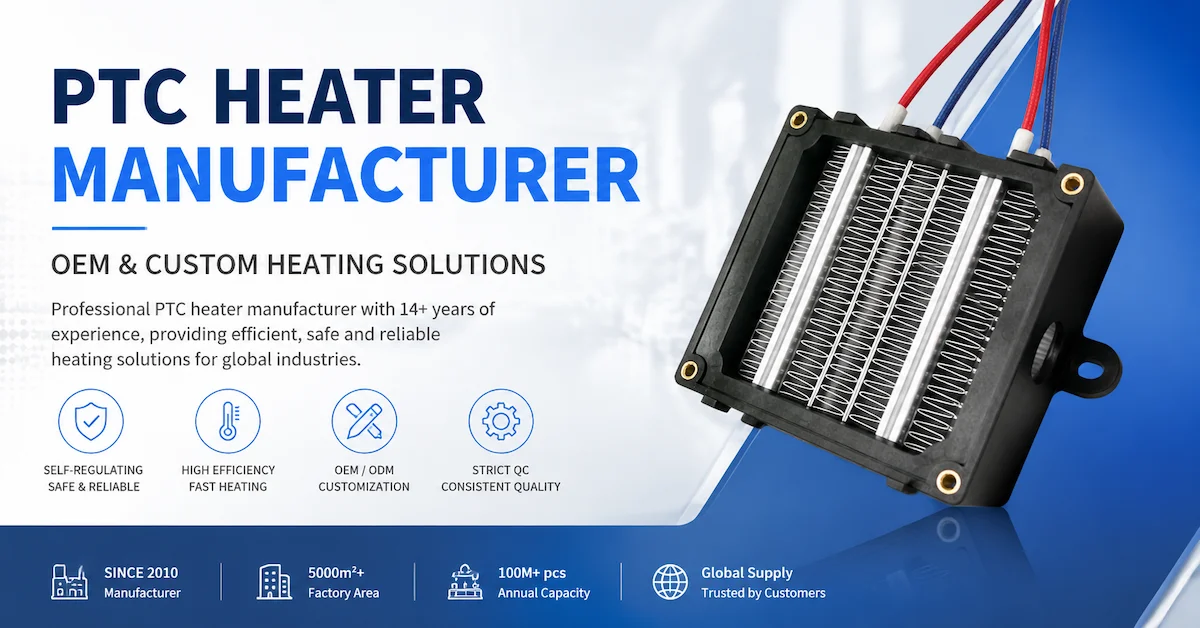
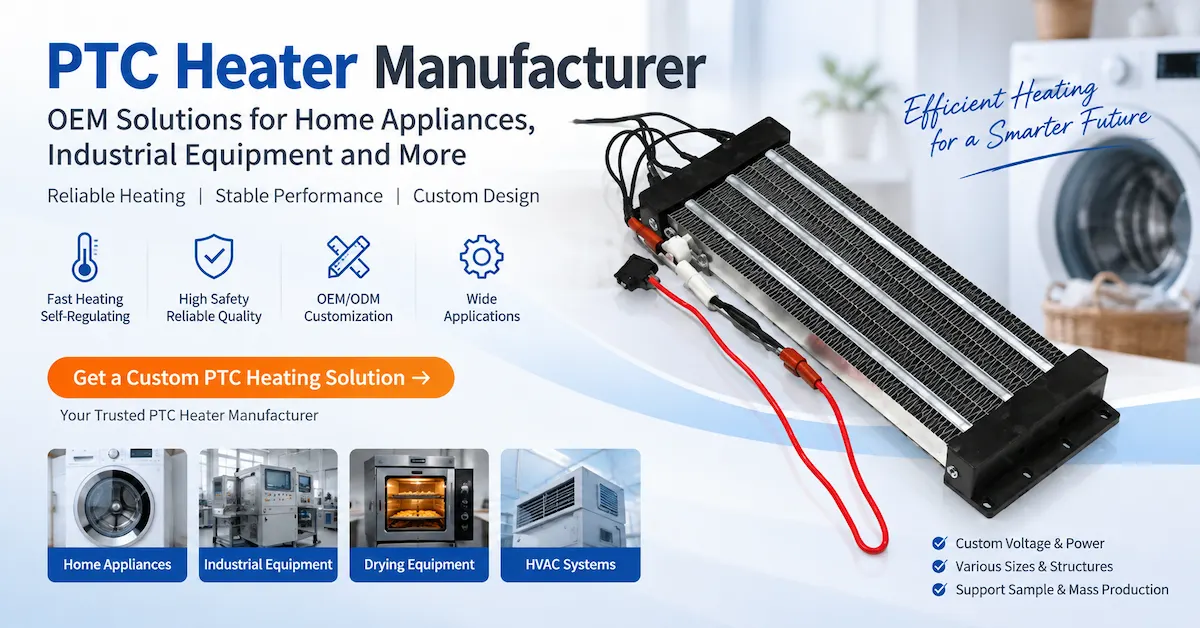
PTC Heater Manufacturer: How to Choose the Right OEM Partner

PTC Heater Manufacturer: How to Choose the Right OEM Partner

Choosing the right PTC heater manufacturer requires more than comparing price and wattage. This guide explains how OEM buyers can evaluate engineering capability, customization, sample testing, quality control, production consistency, cost, and RFQ requirements before selecting a long-term supplier.

Read More
48256 Cross Flow Fan: The Ultimate Guide to Efficient, Low-Noise Airflow

48256 Cross Flow Fan: The Ultimate Guide to Efficient, Low-Noise Airflow

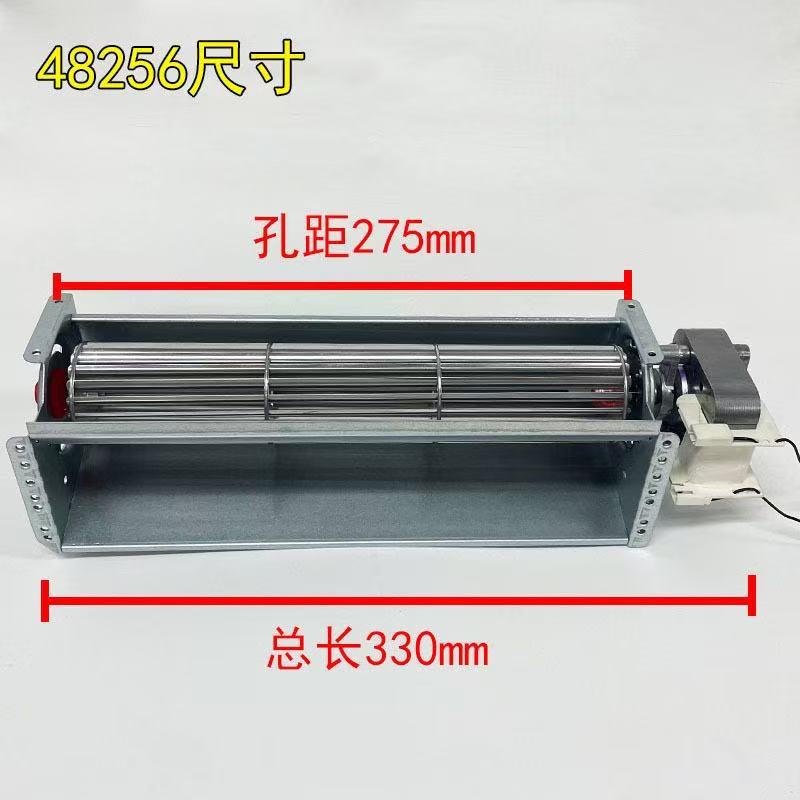
When it comes to moving air efficiently in tight spaces, few solutions match the performance of a cross flow fan (tangential fan). The 48256 model shown in the image is a prime example of this engineering marvel, designed to deliver consistent, low-noise airflow for a wide range of heating, ventilation, and industrial applications. Let’s break down what makes this fan such a versatile and reliable choice.

Read More
Why Our PTC Air Heaters Are the Smart, Safe Choice for Modern Air Heating

Why Our PTC Air Heaters Are the Smart, Safe Choice for Modern Air Heating

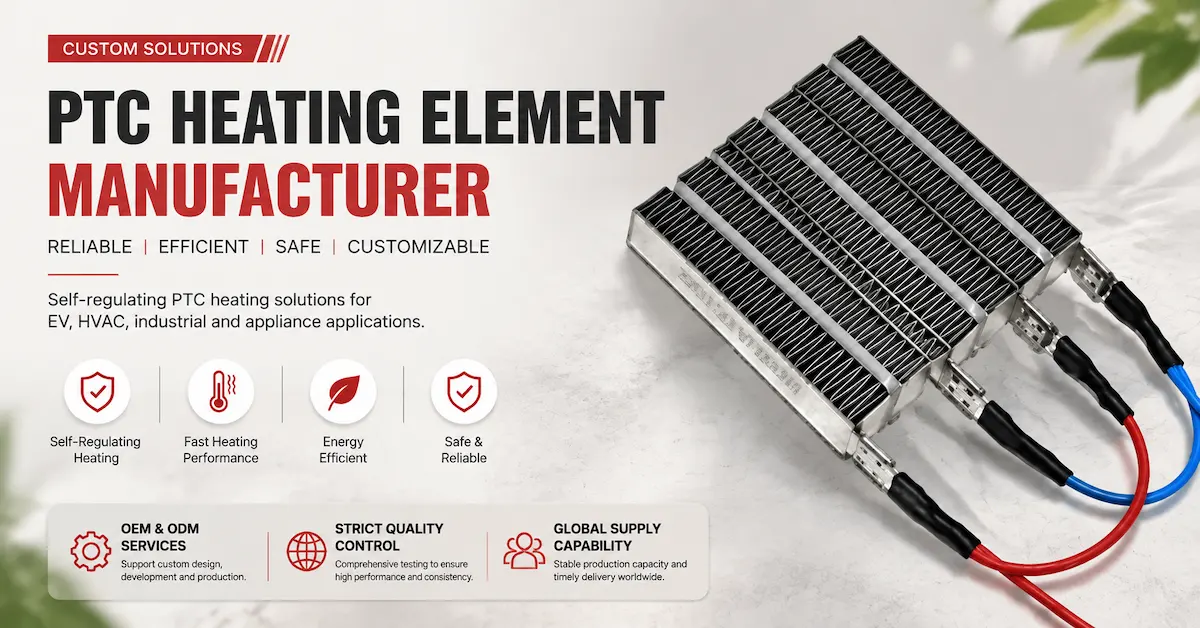
If you’ve ever dealt with unreliable heating elements, energy waste, or safety concerns in your air heating systems, it’s time to meet the solution: PTC (Positive Temperature Coefficient) air heaters. These compact, powerful modules are more than just heating components—they’re engineered to deliver consistent, safe, and efficient heat across countless applications, and our line of customizable models (as seen in the image) is built to exceed expectations.

Read More
The Complete Guide to PTC Fan Heaters for Industrial Cabinet Protection

The Complete Guide to PTC Fan Heaters for Industrial Cabinet Protection

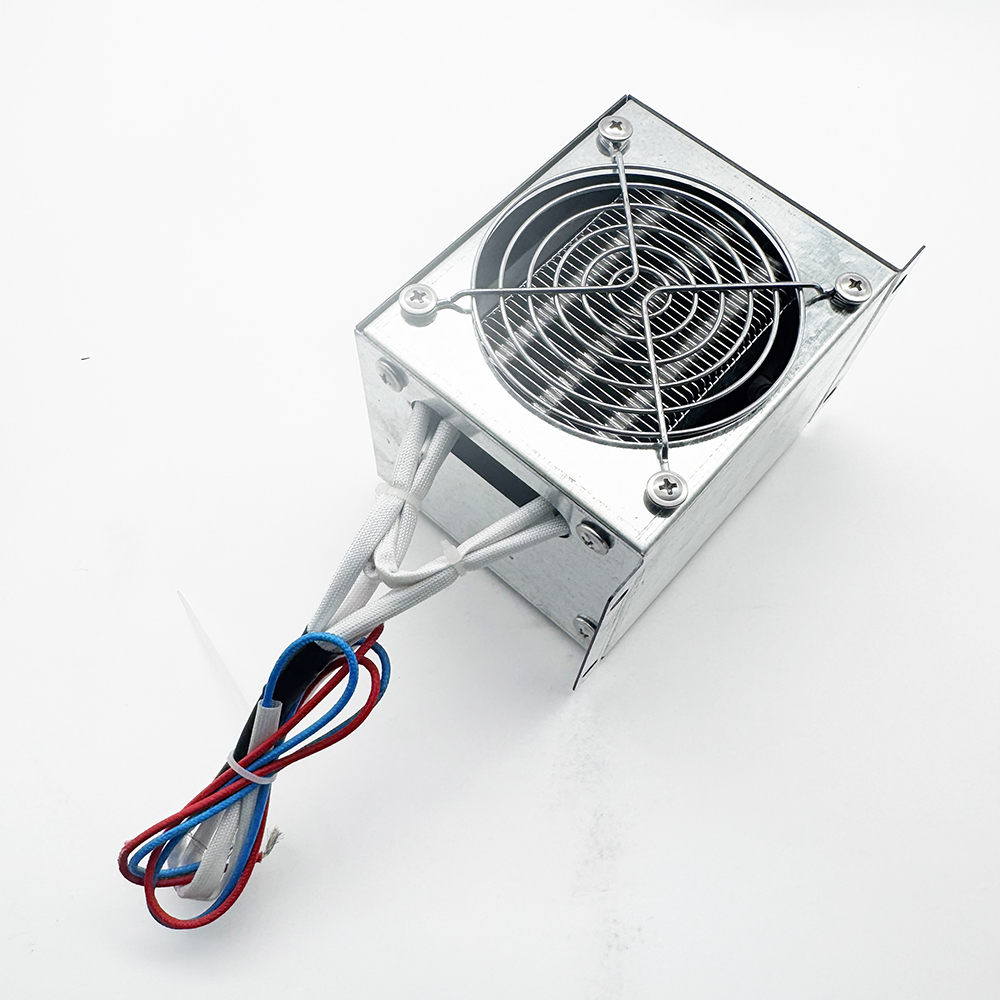
Industrial automation relies on sensitive electronics housed within control cabinets, but these enclosures face a constant threat: temperature fluctuations. Condensation in humid conditions, freezing in cold climates, and component stress from temperature swings can lead to malfunctions, downtime, and costly repairs. To solve this, engineers are increasingly turning to integrated PTC Fan Heaters – a robust, intelligent solution designed for reliability. Available in key power ratings like 150W, 300W, 400W, and 600W, these units are the guardians of critical electrical systems.

Read More