
Dongguan Tianrui Electronics Co., Ltd.
Dongguan Tianrui Electronics Co., Ltd. logo
The Safe Heart of Your Drying Rack: Why Insulated PTC Heaters Are a Game-Changer

The Safe Heart of Your Drying Rack: Why Insulated PTC Heaters Are a Game-Changer

Products
Nov 28, 2025Posted by Dongguan Tianrui Electronics Co., Ltd.

Struggling with laundry day? Whether you're facing a rainy week, lack outdoor space, or simply want to care for your favorite delicate sweater, a modern electric garment drying rack is a lifesaver. But have you ever wondered what makes these appliances safe enough to run indoors for hours, often unattended? The answer lies in a brilliant piece of technology at its core: the Insulated PTC Heater.

Let’s dive into what this component is and why it makes your drying rack not just convenient, but smart and safe.

What is an Insulated PTC Heater?

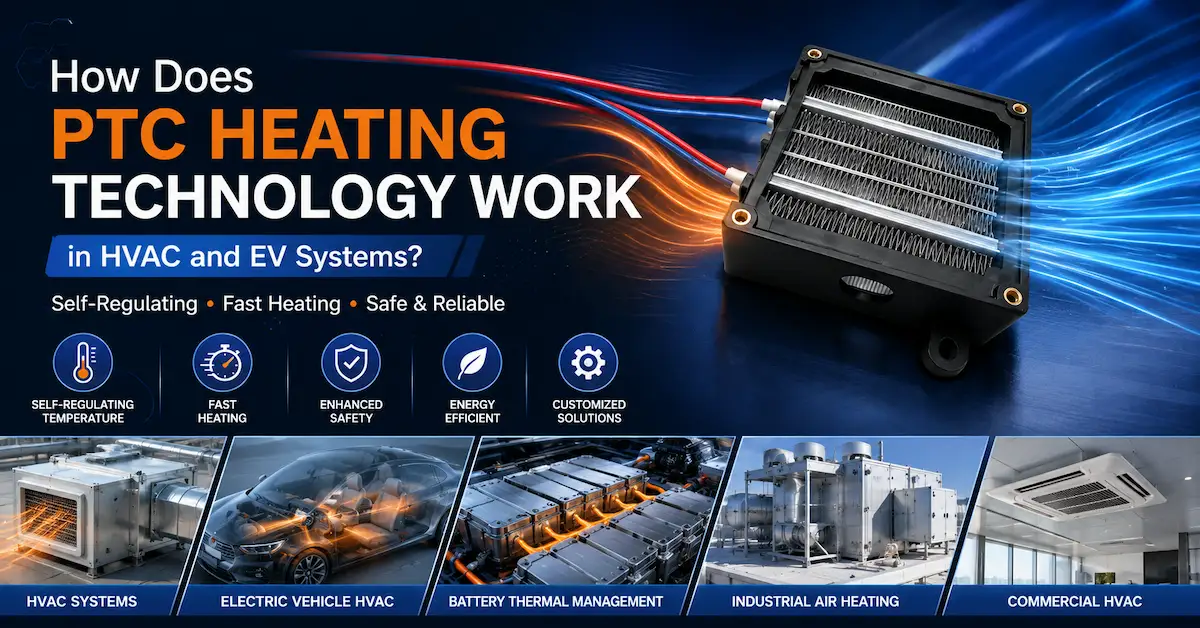
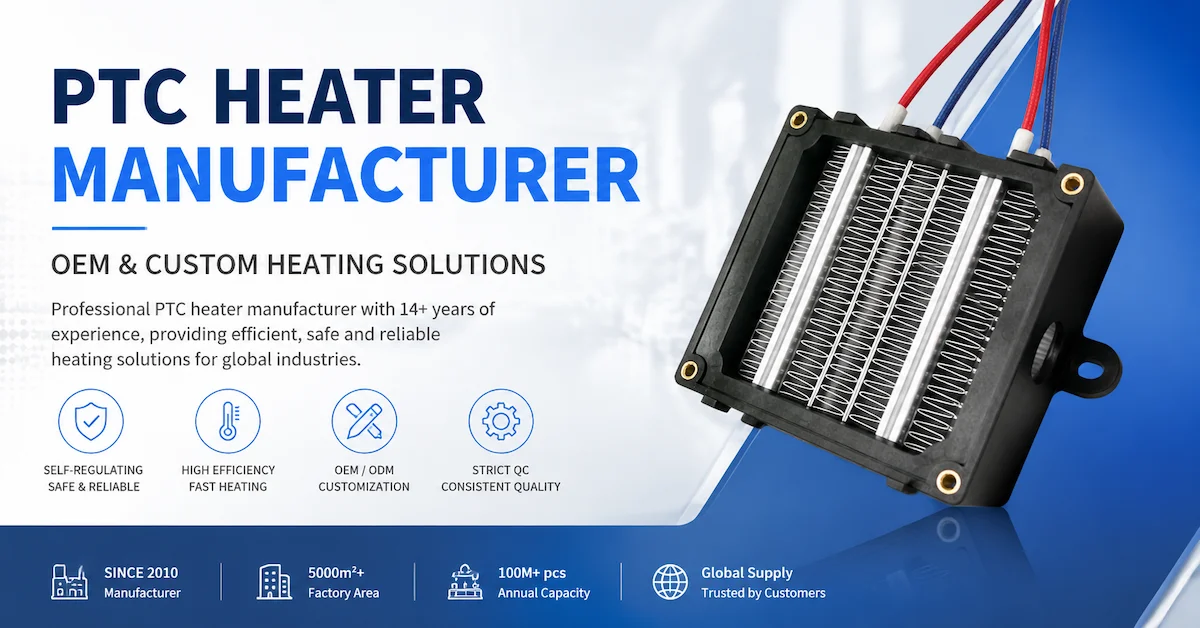
PTC stands for Positive Temperature Coefficient. Unlike the old, red-hot wire coils in many heaters, a PTC heater is a specialized ceramic element. Its magic lies in its self-regulating property: as its temperature increases, its electrical resistance increases dramatically. This means it naturally limits its own heat output.

The "insulated" part refers to its typical housing. The PTC ceramic disc is encased in a block of aluminum fins (for excellent heat transfer) surrounded by insulating material. This design does two crucial things: it directs all heat into the airflow that dries your clothes, and it keeps the outside casing cool and safe to touch.

The Superpower: Automatic Temperature Control

Imagine a heater with a built-in brain for safety. Here’s how it works:

  1. When you turn on the drying rack, the PTC element is cool and has low resistance, allowing high electrical current to flow and produce heat quickly.

  2. As it heats up to its designed "Curie temperature" (typically a safe 70°C-90°C for drying racks), its resistance skyrockets.

  3. This increased resistance automatically reduces the electrical current and, therefore, the heat output.

  4. The heater settles into a perfect balance, maintaining this steady, optimal temperature without ever getting hotter.

This is its revolutionary feature: it is physically incapable of overheating. Even if the fan fails or you accidentally drape a sock directly over the vent, the PTC heater will simply stabilize at its maximum temperature—a temperature safe for fabrics.

Why This Matters for Your Drying Rack: Key Benefits

  1. Unmatched Safety: This is the #1 benefit. The fear of a fire hazard with an electric heater running near fabrics is eliminated. You can dry clothes overnight or while at work with complete peace of mind.

  2. Perfect for Delicates: The gentle, consistent heat (as opposed to harsh, cycling high heat) is ideal for wool, silk, cashmere, and synthetic blends. It dries them without the risk of shrinkage, damage, or scorching you might get from a tumble dryer.

  3. Energy Efficiency: Once at its target temperature, the PTC heater consumes much less power to maintain it. It only draws significant power when initially heating up or if the temperature drops, making it smarter and cheaper to run than constant-wattage heaters.

  4. Longevity & Reliability: With no fragile filaments to burn out and no extreme thermal cycling, PTC heaters are incredibly durable and boast a long operational life.

Beyond the Rack: A Smart Engineering Choice

The insulated PTC heater isn’t just a component; it’s the enabling technology that makes compact, safe, indoor drying appliances possible. It reflects a shift in appliance design towards intelligent, user-centric, and safe solutions. When you choose a drying rack built with this technology, you’re choosing a product designed with care for your home and your belongings.

Conclusion

Next time you use your drying rack, know that the quiet hum is the sound of smart engineering at work. The insulated PTC heater is the silent guardian that delivers efficient drying while rigorously prioritizing safety. It’s a small component with a huge impact, transforming a simple rack into an indispensable, worry-free modern home appliance.

Featured Blogs

Immersed Liquid PTC Heaters: The Secret to a Safer, Smarter Foot Spa

Immersed Liquid PTC Heaters: The Secret to a Safer, Smarter Foot Spa

When it comes to foot spas, comfort, safety, and performance are top priorities. That’s why many modern foot basins now use an advanced heating technology: the immersed liquid PTC heater. Unlike conventional metal heating tubes, this innovative solution offers a smarter way to warm your foot bath water—efficiently, reliably, and with peace of mind.

Read More
Understanding PTC Heater Types: A Guide to Classification and Applications

Understanding PTC Heater Types: A Guide to Classification and Applications

PTC (Positive Temperature Coefficient) heaters are not a one-size-fits-all solution. Their performance and suitability for an application depend heavily on their construction and design. Understanding the different types of PTC heaters is the first step in selecting the perfect component for your project. This guide breaks down the most common classifications.

Read More
The Safe Heart of Your Drying Rack: Why Insulated PTC Heaters Are a Game-Changer

The Safe Heart of Your Drying Rack: Why Insulated PTC Heaters Are a Game-Changer

Struggling with laundry day? Whether you're facing a rainy week, lack outdoor space, or simply want to care for your favorite delicate sweater, a modern electric garment drying rack is a lifesaver. But have you ever wondered what makes these appliances safe enough to run indoors for hours, often unattended? The answer lies in a brilliant piece of technology at its core: the Insulated PTC Heater.

Read More
PTC Heaters: The Smart Heart of Your AC's Auxiliary Heating

PTC Heaters: The Smart Heart of Your AC's Auxiliary Heating

When winter's chill sets in, your trusty air conditioner often doubles as a heat pump to keep you warm. But what happens when it's really cold outside? This is where auxiliary heat kicks in, and the technology behind it has seen a major upgrade. Enter the PTC heater—a smarter, safer, and more efficient solution for your comfort.

Read More
The Unsung Hero: Framed Electric Auxiliary Heat Modules in All-in-One Heater AC Units

The Unsung Hero: Framed Electric Auxiliary Heat Modules in All-in-One Heater AC Units

When the temperature plummets and your all-in-one heater air conditioner struggles to keep up, a powerful component kicks in to deliver that crucial burst of warmth: the electric auxiliary heat module. Often referred to as a "heater strip" or "heat pack," this module is the key to reliable heating on the coldest days.

Read More
Why Choose Ceramic PTC Heaters? Key Advantages with Real-World Examples

Why Choose Ceramic PTC Heaters? Key Advantages with Real-World Examples

In the world of heating elements, the ceramic PTC (Positive Temperature Coefficient) heater stands out for its unique combination of safety, efficiency, and reliability. Unlike traditional wire coils that can glow red-hot, ceramic PTCs offer a smarter way to generate heat. Let's explore their core advantages and see how they are applied in everyday products.

Read More
Understanding PTC Heater Types: A Guide to Classification and Applications

Understanding PTC Heater Types: A Guide to Classification and Applications

PTC (Positive Temperature Coefficient) heaters are not a one-size-fits-all solution. Their performance and suitability for an application depend heavily on their construction and design. Understanding the different types of PTC heaters is the first step in selecting the perfect component for your project. This guide breaks down the most common classifications.

Read More
PTC Heater Usage Guide: Essential Tips for Safety and Efficiency

PTC Heater Usage Guide: Essential Tips for Safety and Efficiency

PTC (Positive Temperature Coefficient) heaters are renowned for their self-regulating temperature and inherent safety features. Unlike traditional heating elements, their resistance increases as temperature rises, preventing overheating. However, to ensure their longevity and safe operation, proper usage is crucial. Here are the key points to keep in mind.

Read More