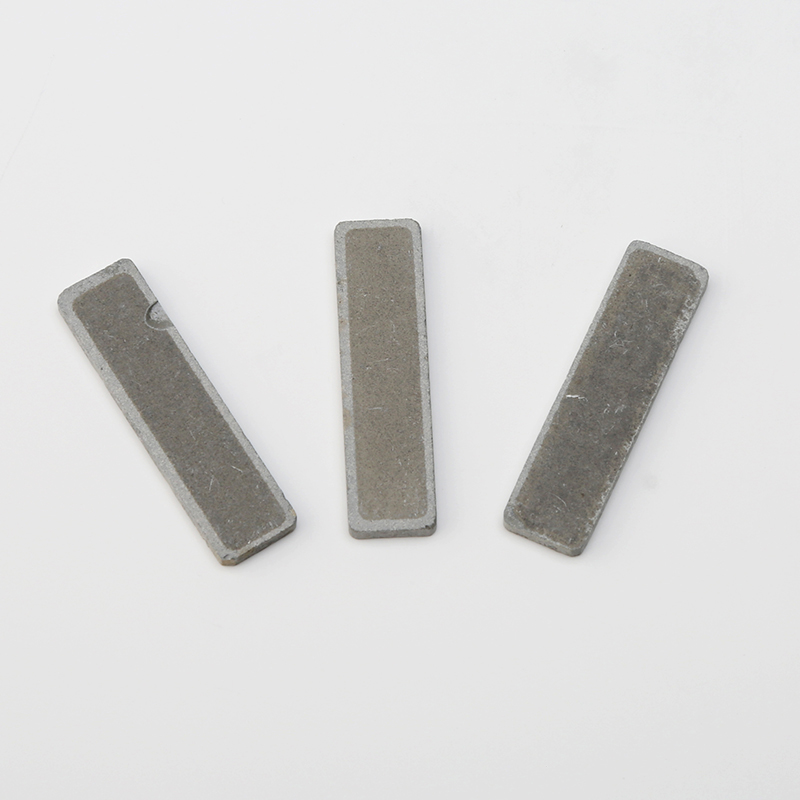



Custom PTC solutions from prototype to mass production.

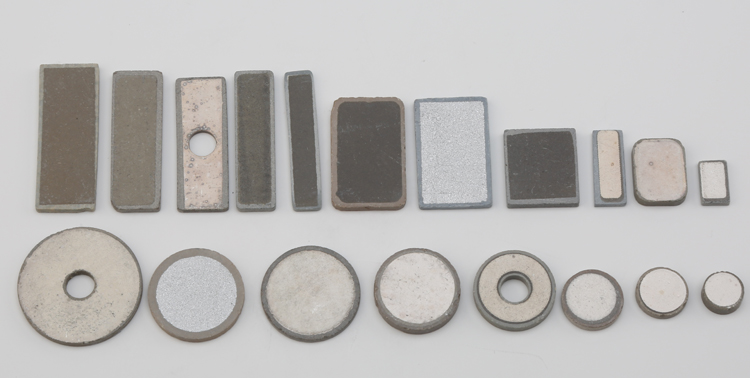
Ceramic PTC heating elements

‌
‌
‌
‌
‌

Product Details

Description
Privacy Policy
Reviews

Description

Safety Protection
PTC heating elements do not glow red or produce open flames during operation (common resistance wires glow red and produce open flames), making them non-flammable. When the ambient temperature of the PTC element exceeds the limit, its power automatically decreases to a stable value, eliminating the risk of burns.

Stable Performance
PTC heaters feature automatic constant temperature control. No temperature control system is required; simply power the PTC directly. When used to heat liquids, such as water, the PTC heater will not be damaged if the liquid boils dry. Reliable operation utilizes the PTC's internal temperature control characteristics to prevent overheating.

Wide Range of Applications
Low-voltage PTC components are suitable for various low-voltage heaters, instrument low-temperature compensation, heaters in automotive and computer peripherals, thermal beauty devices, PCB heating USB heaters, incense burners, mosquito repellents, and more. High-voltage PTC components are suitable for heating the following electrical equipment: air conditioners, fan heaters, rice cookers, hair curlers, electric mosquito repellents, humidifiers, copiers, hand warmers, shoe dryers, water pipe heaters, travel clothes dryers, automotive paint booth massagers, electric dining tables, bottle thermostats, electric kettles, electric blankets, and more.

Ceramic PTC heating elements

Ceramic PTC heating elements

Ceramic PTC heating elements

Ceramic PTC heating elements

Ceramic PTC heating elements

Ceramic PTC heating elements

Ceramic PTC heating elements

Ceramic PTC heating elements

People who viewed this also viewed

Ceramic PTC heating elements

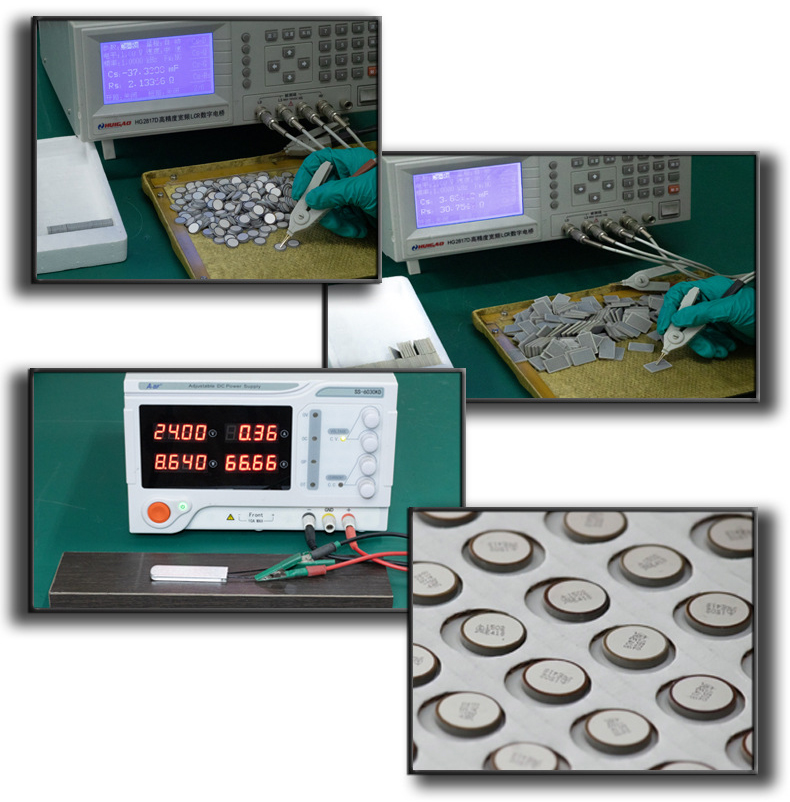
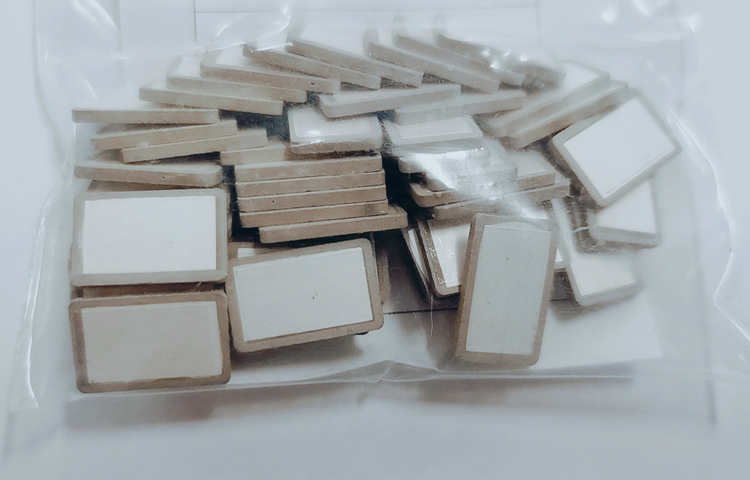
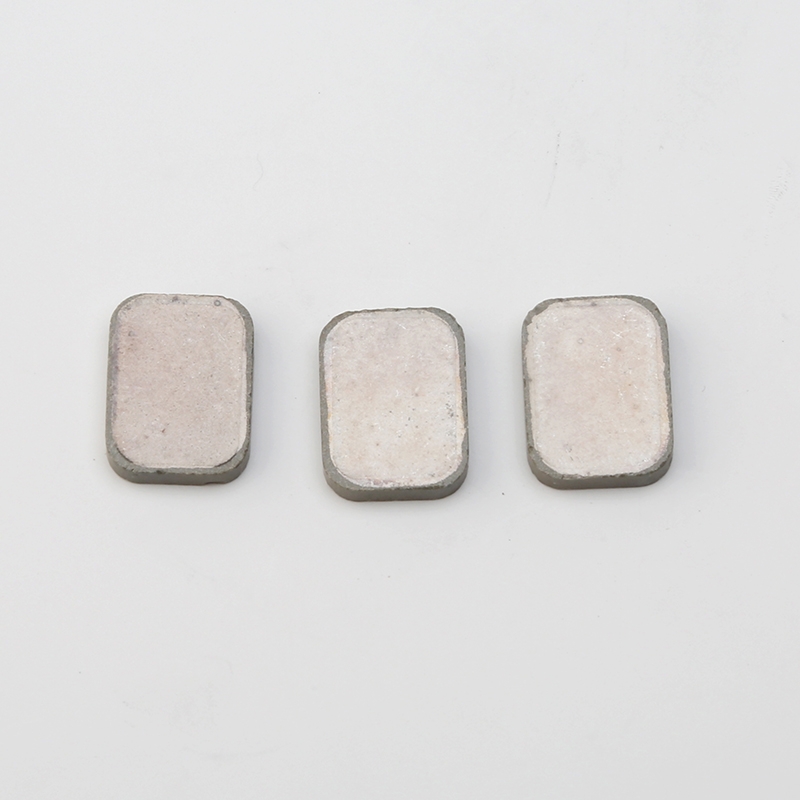
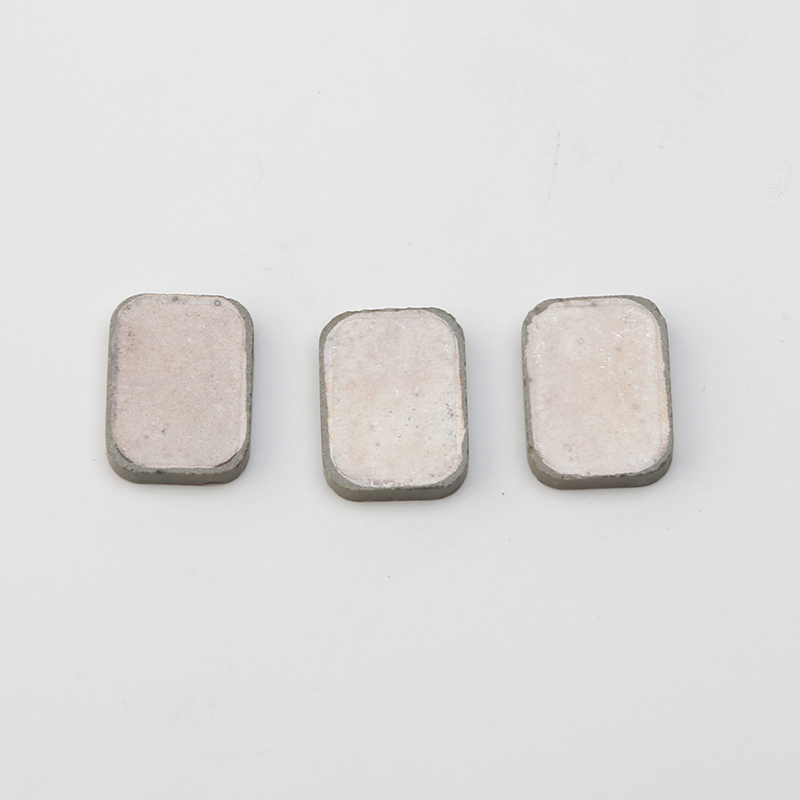
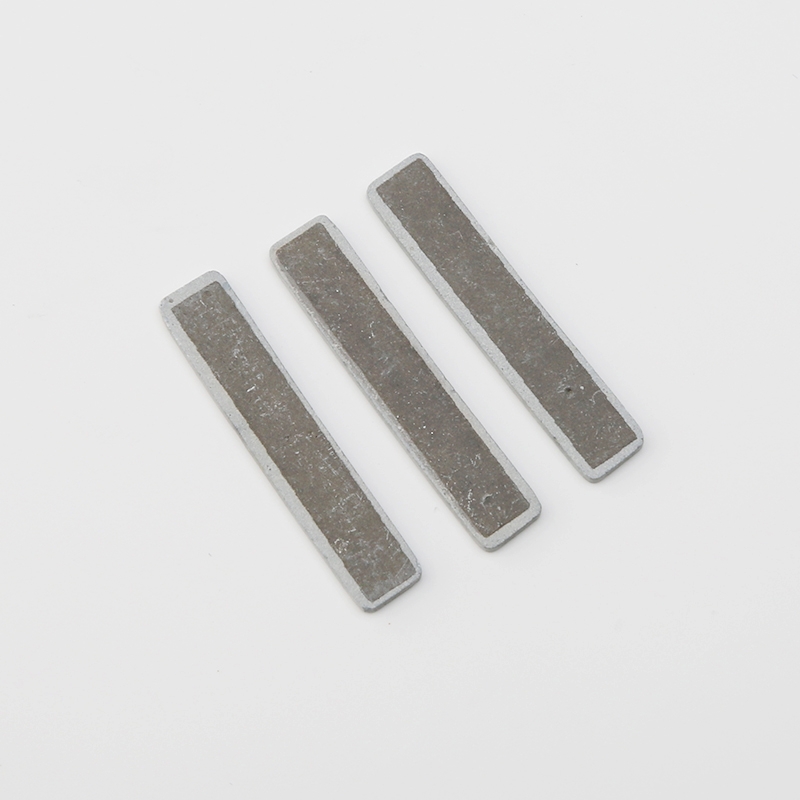
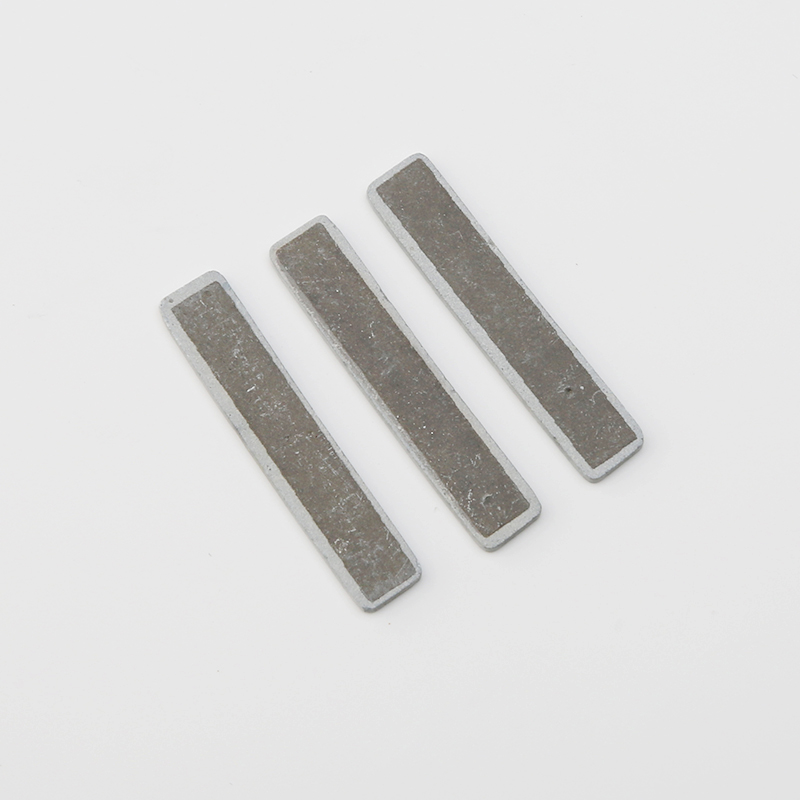
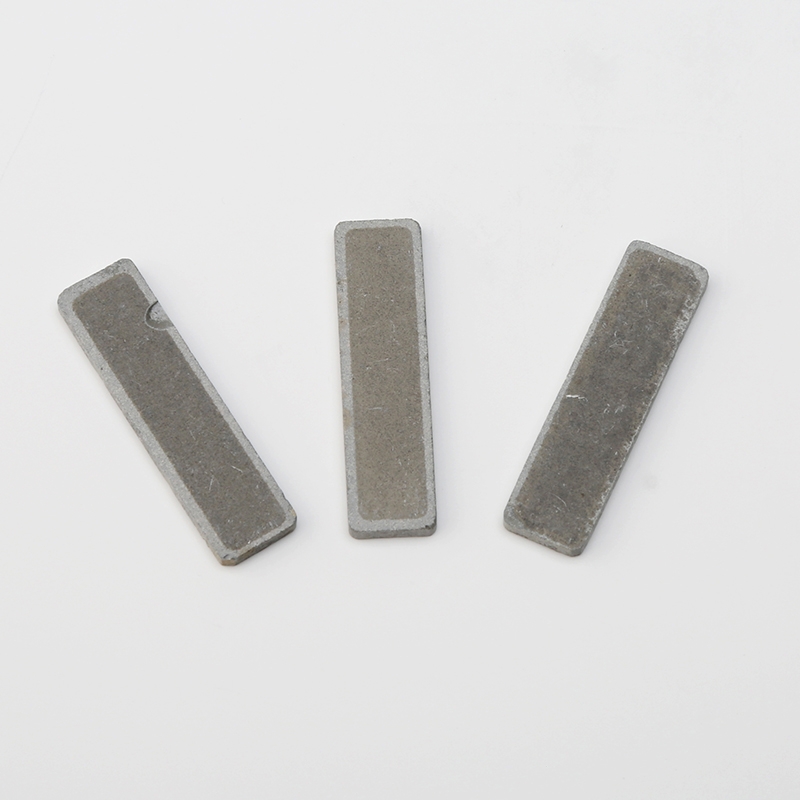
PTC heating elements are electric heating elements made of positive temperature coefficient (PTC) ceramic material. Their core features include automatic temperature regulation and over-temperature protection: At low temperatures, their resistance is low, allowing them to rapidly heat up upon power application. When the temperature reaches a specific critical point (the Curie temperature), their resistance increases dramatically, automatically reducing power consumption to avoid overheating. This adaptive feature ensures high safety and energy savings, enabling stable temperature control without the need for additional temperature control devices.

They are widely used in home appliances (such as air conditioning auxiliary heating and heaters), automotive electronics (seat heating and battery preheating), medical equipment, and industrial applications. Their compact design, long lifespan, and lack of open flames make them key components in modern intelligent thermal management solutions.

What to include in your inquiry

Clear requirements help our engineering team answer faster and recommend the right component the first time.

  • Product type and application, such as an NTC sensor for a battery pack or a PTC heater for an air-handling unit.
  • Key electrical values: resistance at 25 °C, B-value or switching temperature, rated voltage and power.
  • Operating temperature range, response time and any insulation, sealing or waterproof requirements.
  • Mechanical details including probe or housing size, lead length, cable, terminal and connector type.
  • Expected annual quantity, sample needs and target delivery schedule.
  • Drawings, photos or a current part number if you are replacing an existing component.

What happens after you contact us

  1. An engineer reviews your requirements and asks about any missing parameters.
  2. We recommend a standard model or propose a custom design together with a quotation.
  3. Samples are prepared for your testing and approval before volume production starts.