


Product Description
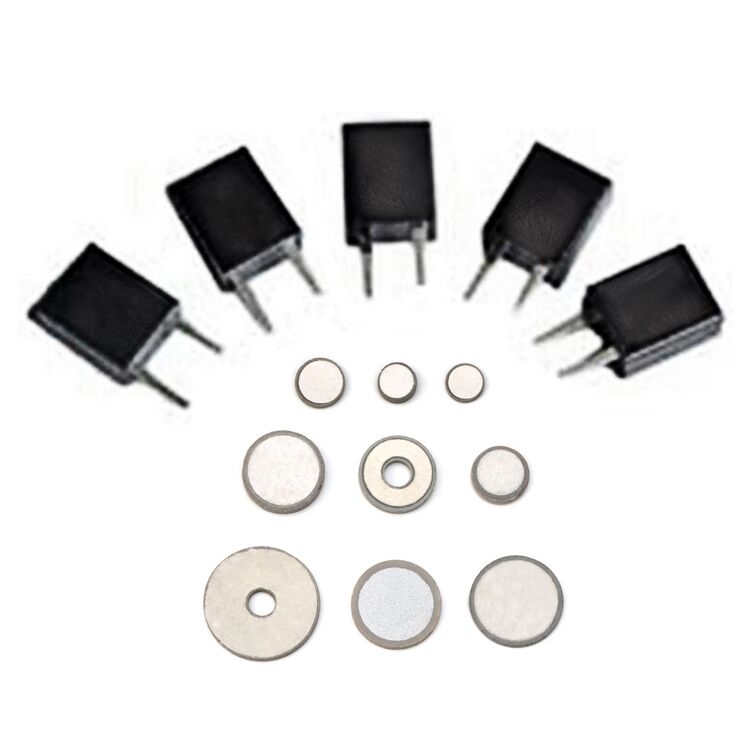
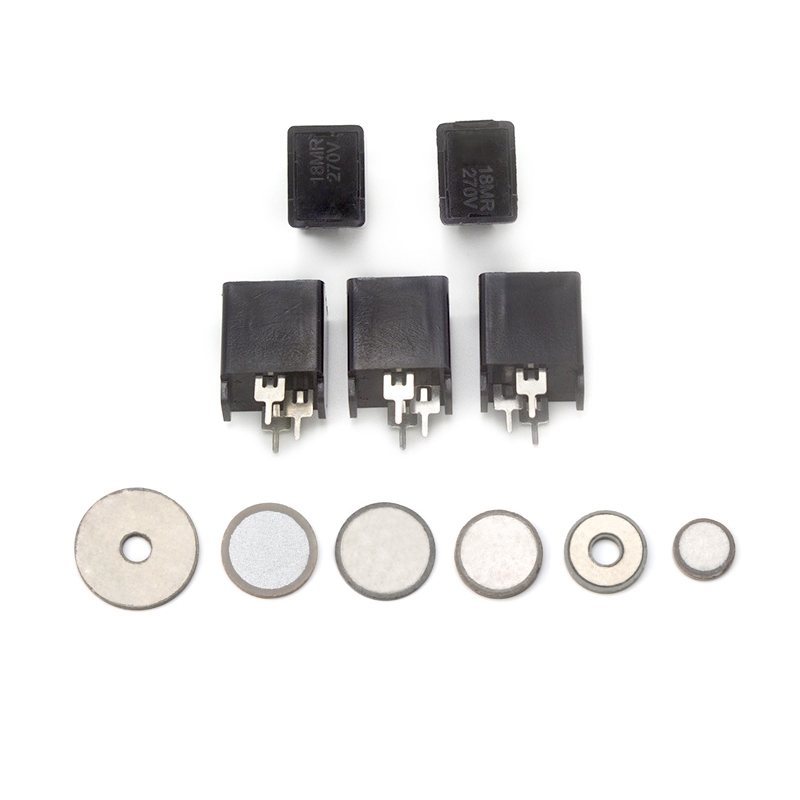
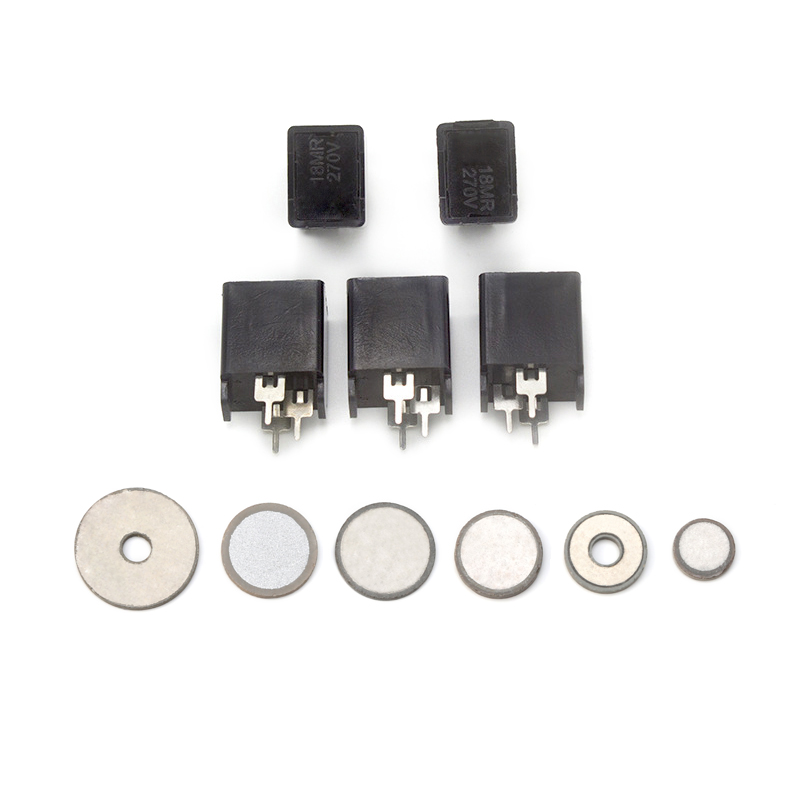
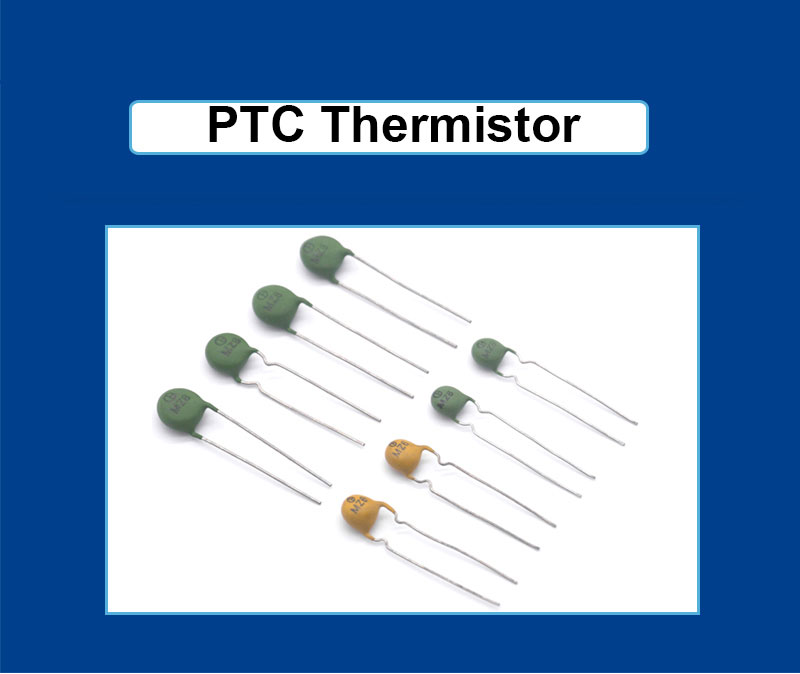
A PTC (Positive Temperature Coefficient) thermistor, or PTC thermistor, is a semiconductor ceramic component that is extremely sensitive to temperature changes. Its core characteristic is that its resistance increases significantly with increasing temperature. In energy-saving lamps and electronic ballasts, PTC thermistors play a crucial role as "automatic switches," primarily used during the filament preheating and startup phase. They are key protective components for ensuring long lamp life and safe startup.
Specification
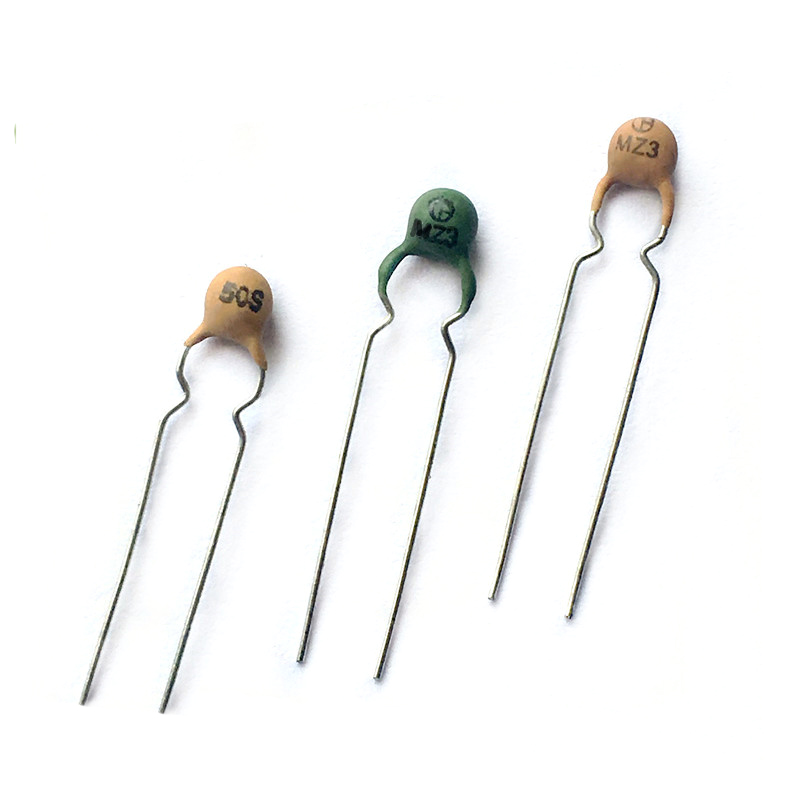
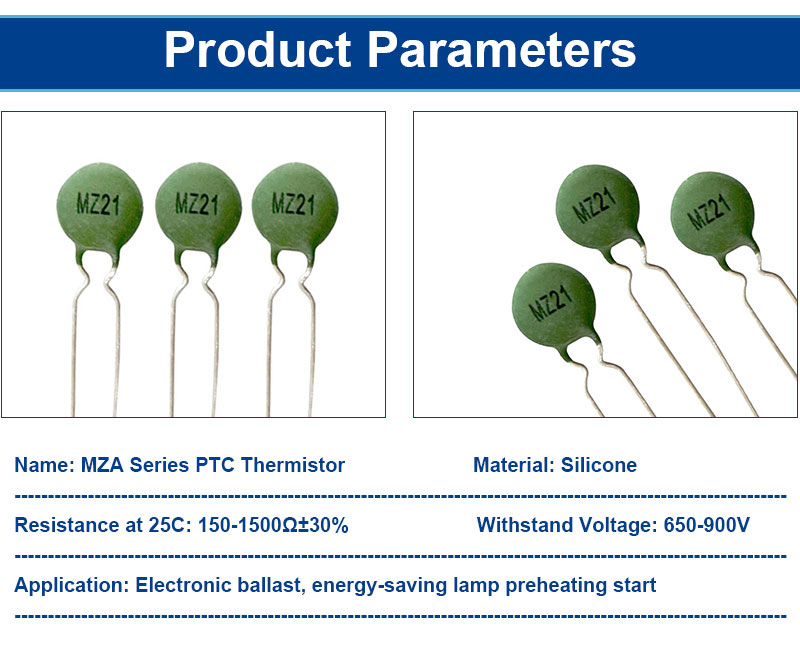
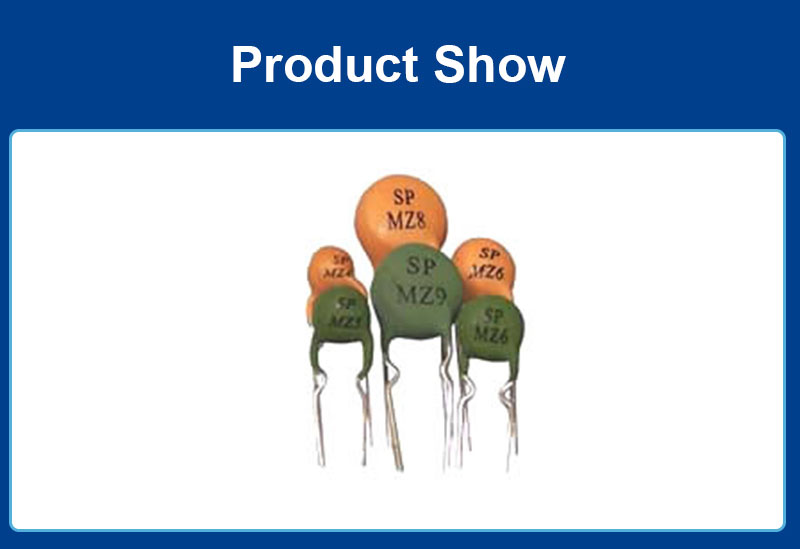
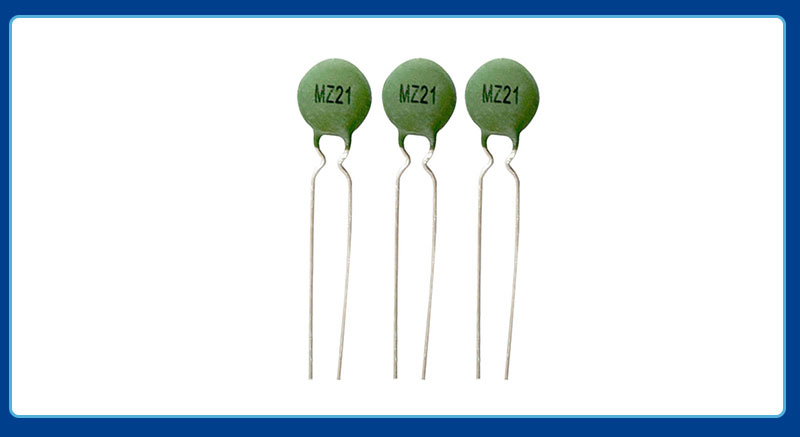
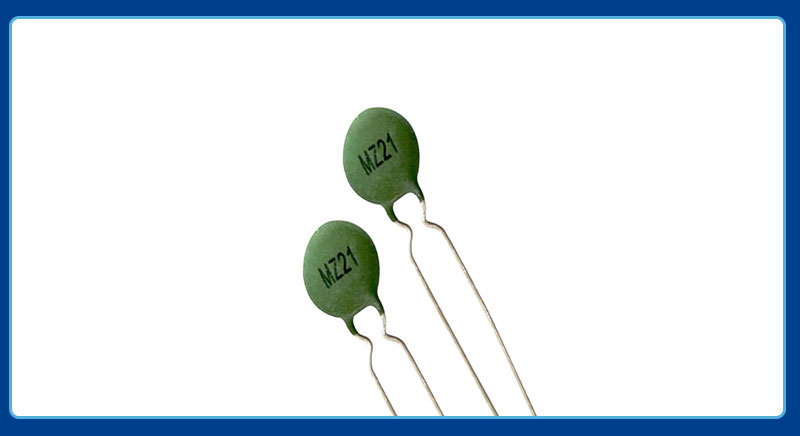
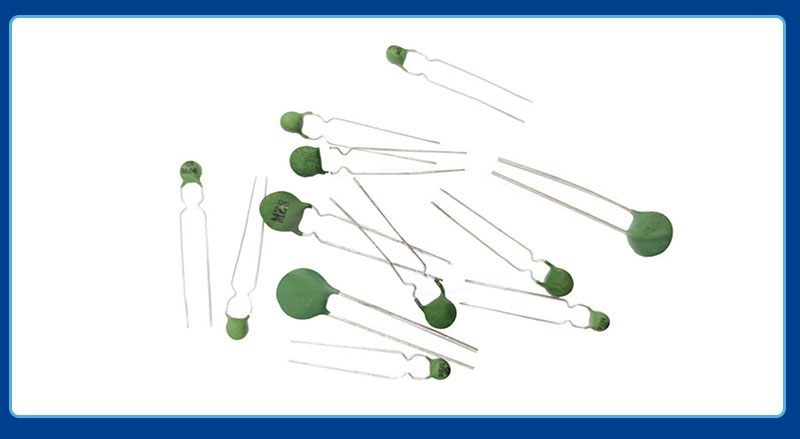
Product Name: MZA Series PTC Thermistor
R25 : 150-1500Ω±30%
Material : Silicone
Withstand Voltage : 650V-900V
Application : Ballast and energy-saving lamp preheating start
Color : Green

Features
Excellent Positive Temperature Coefficient: At room temperature, a PTC exhibits a low resistance, allowing current to flow smoothly. When the temperature exceeds its Curie point, its resistance increases dramatically by several orders of magnitude, effectively limiting the current and exhibiting a "switching" characteristic.
Automatic Preheating and Protection: When a CFL starts, the PTC provides a low-temperature preheating current to the filament, allowing the cathode filament to emit sufficient electrons. Once preheating is complete, its self-heating causes a sharp increase in resistance, automatically shutting off the preheating current. The high voltage trigger then ignites the lamp. This process perfectly replaces traditional starters.
High Reliability and Long Life: As a solid-state ceramic component, the PTC has no mechanical contacts or moving parts, eliminating wear, adhesion, or arcing. Its service life far exceeds that of the lamp itself, ensuring exceptional reliability.
High Safety: Its inherent self-recovery properties ensure it maintains a high-resistance state after preheating, effectively preventing damage to the filament electrodes caused by repeated preheating and avoiding the "glow discharge" process, thereby protecting the lamp and core components such as the transistors in the ballast.
No Current Surge: Compared to traditional instantaneous start methods, the PTC preheat start method achieves a "soft start," eliminating current surges to the filament and significantly extending the lamp's lifespan.
Application
PTC thermistors are primarily used in the lighting industry in the following areas:
Electronic compact fluorescent lamps (CFLs): This is the most classic application. A PTC element is connected in parallel with an inductor to form a preheating and starting circuit. When power is applied, current flows primarily through the low-resistance PTC, preheating the filament. After 1-2 seconds, the PTC heats up and enters a high-resistance state, allowing current to flow through the inductor, generating a high-voltage pulse across the inductor to ignite the lamp.
Electronic ballasts for fluorescent lamps: Both integrated ballasts for compact fluorescent lamps (CFLs) and split electronic ballasts for linear/circular fluorescent lamps widely use PTCs as standard preheating elements to ensure compliance with International Electrotechnical Commission (IEC) preheating and starting standards, preventing premature blackening of the lamp ends.
HID lamp ballasts: PTCs are also used in ballasts for some high-intensity discharge lamps (such as metal halide and high-pressure sodium lamps) to provide auxiliary starting or protection.
LED drivers: PTCs are also commonly used as overcurrent protection elements in LED lighting. When an abnormal overcurrent occurs in the circuit, the PTC heating resistance increases, thereby limiting the current and protecting the LED and driver power supply. When the fault is eliminated, the PTC cools down and returns to a low resistance state, and the circuit automatically resumes normal operation. It is a resettable "self-resetting fuse."