


Product Description
Preheat-start PTC thermistors are a classic application of positive temperature coefficient thermistors in the lighting industry. Their core function is to automatically supply and then automatically cut off the preheating current to the filament when a gas discharge lamp (such as a fluorescent tube) starts, achieving a "preheat start" and significantly extending the life of the lamp.
Disadvantages of not having a PTC: Traditional simple ballasts use an "instant start" mode, directly applying high voltage to ignite the lamp. This causes severe sputtering damage to the cathode electron powder due to insufficient preheating, commonly known as a "cold start," significantly shortening the lamp life.
Purpose of a PTC: Electronic ballasts incorporating a PTC thermistor implement the following process: preheating the filament -> generating high voltage to ignite -> automatically exiting the circuit.
Specification
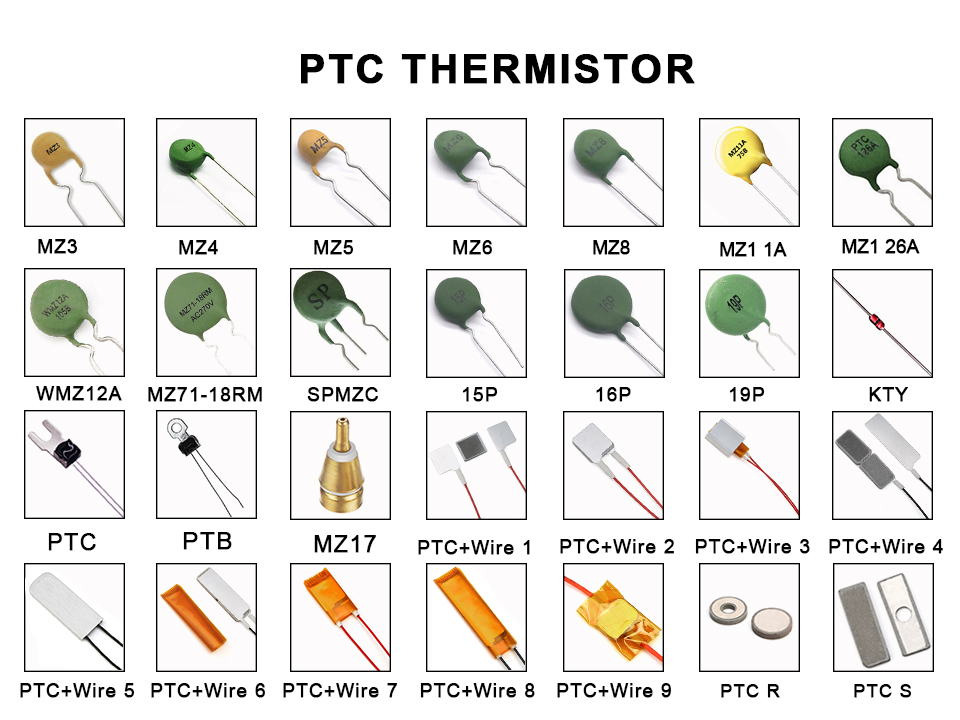
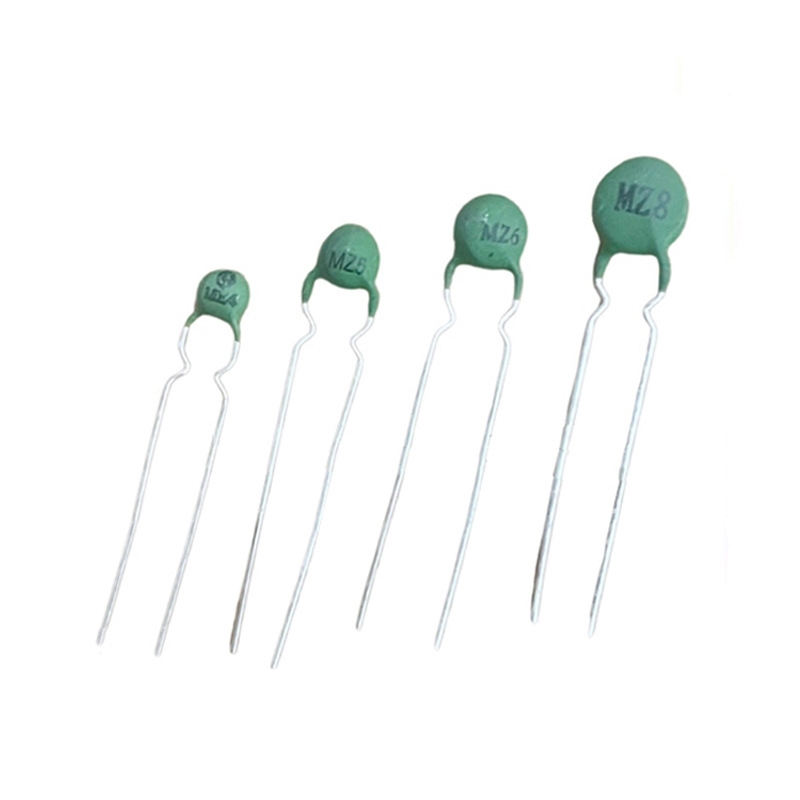
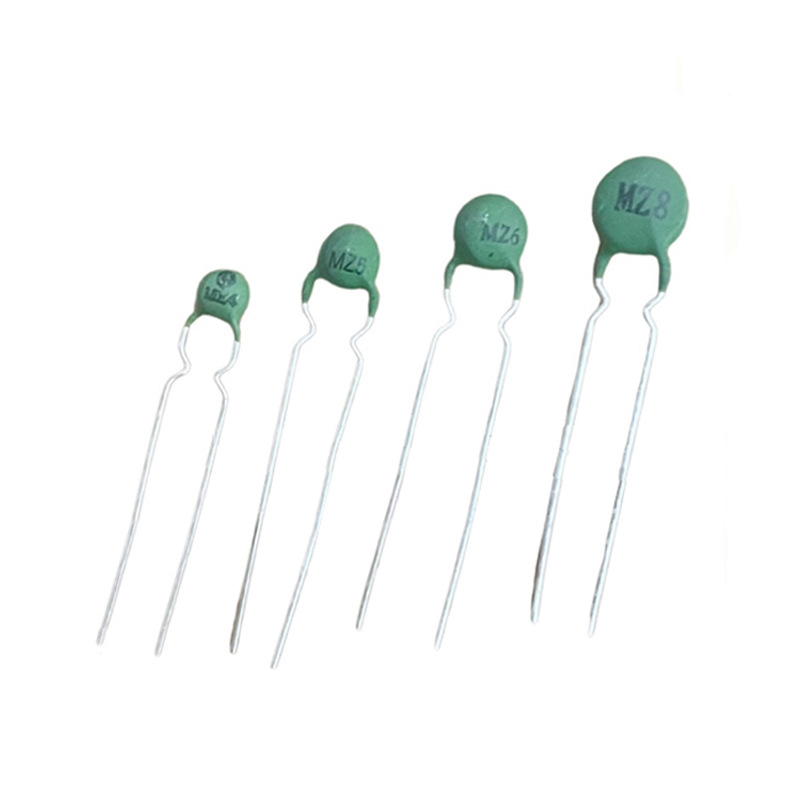
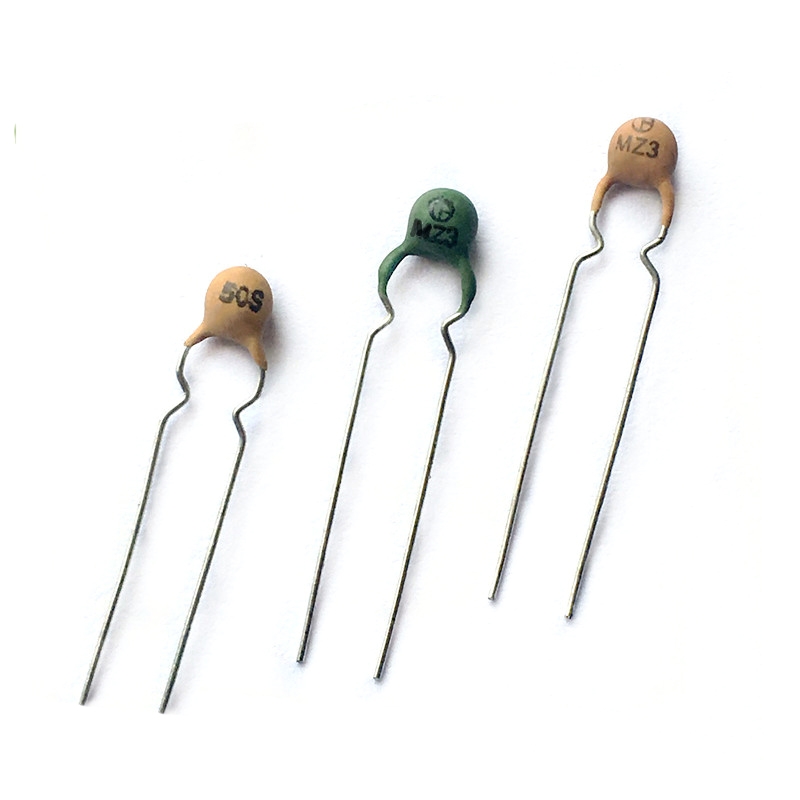
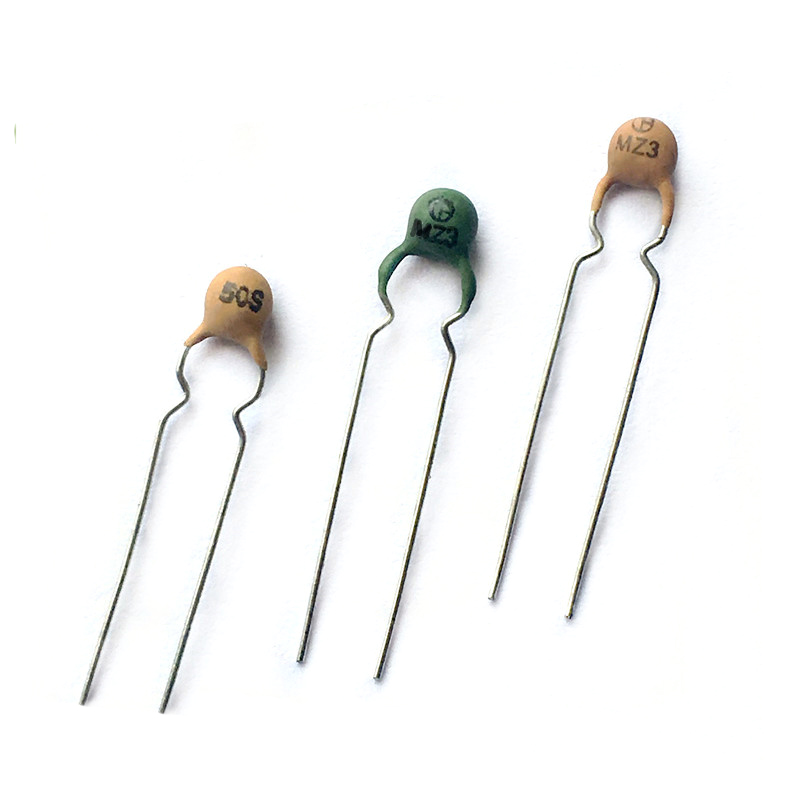
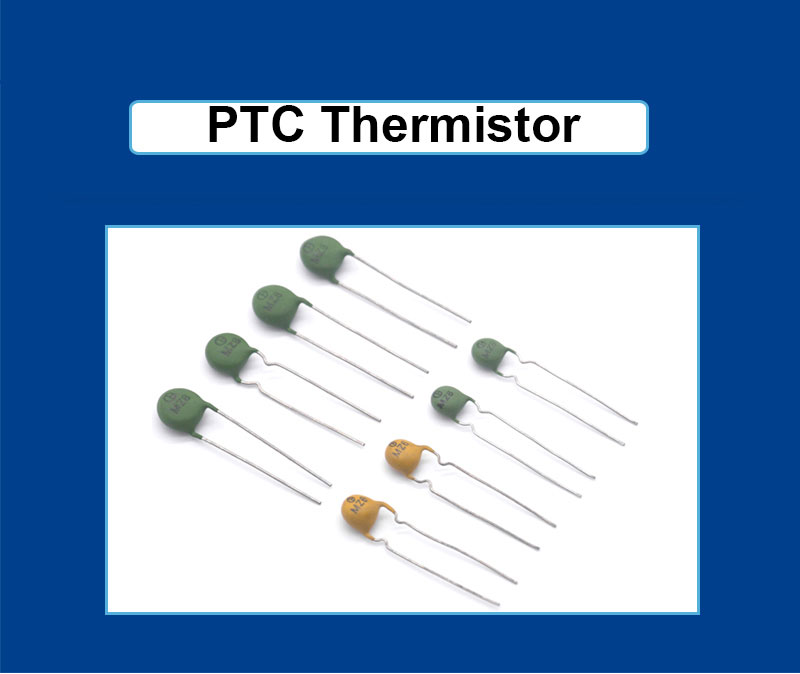
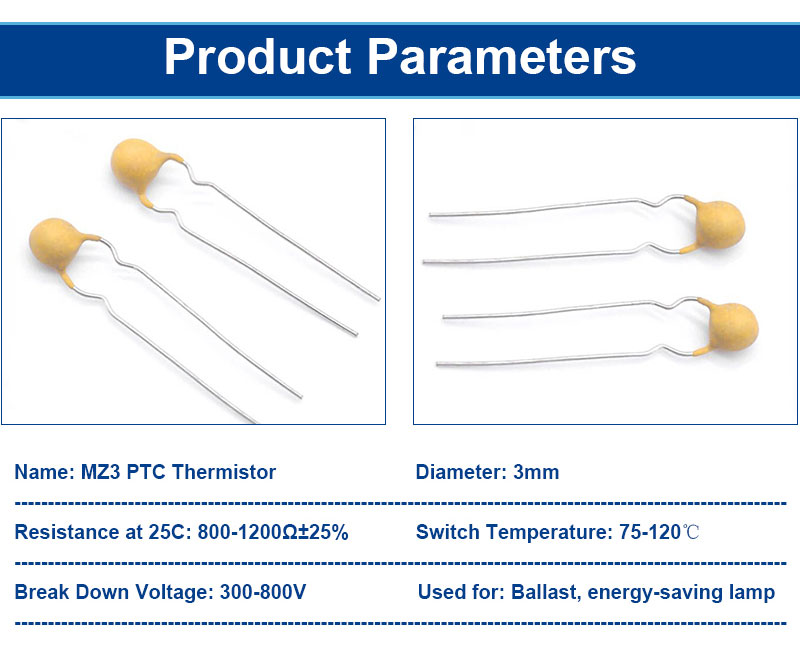
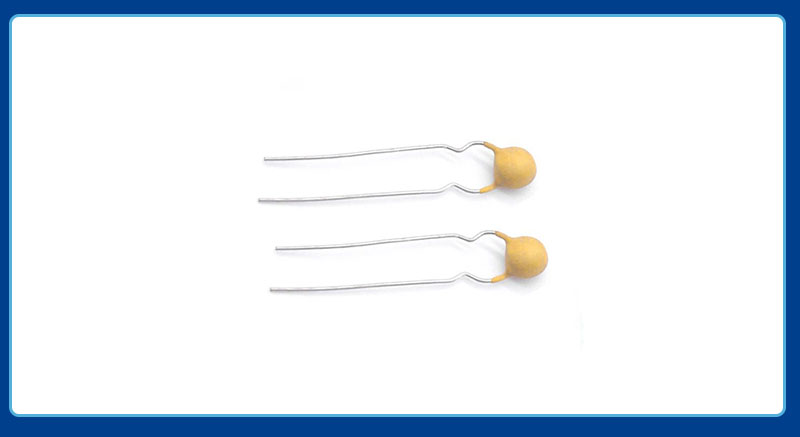
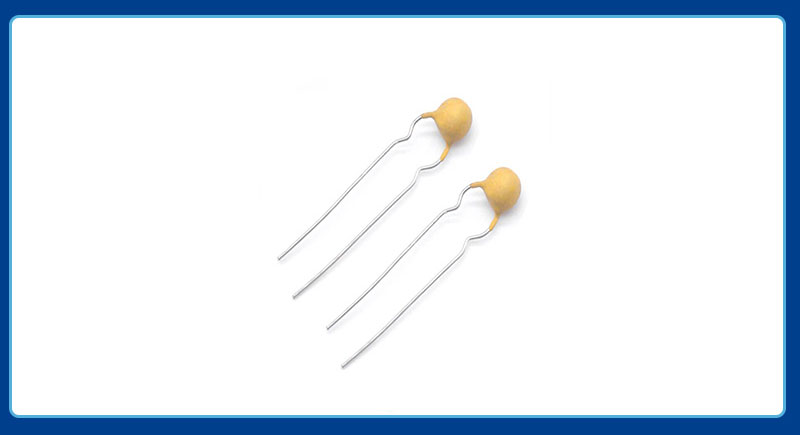
Product Name: MZ3 PTC Thermistor
R25 : 800-1200Ω±25%
Diameter : 3mm
Non-action current : 75-120℃
Max voltage : 300V-800V
Application : Electronic ballasts, energy-saving lamps
Color : Green or Yellow



Features
High Initial Resistance:
Unlike PTCs used for overcurrent protection (milliohm range), the initial resistance of a preheating PTC is typically between a few ohms and tens of ohms. This resistance, along with the inductance (choke) in the ballast, determines the preheating current.
Precise Switching Temperature (Curie Point):
This is the most critical characteristic. The Curie temperature (Tc) is carefully designed, typically within a specific range (e.g., 120°C ± 5°C). This temperature must be higher than the ambient temperature but lower than the temperature that the filament material and the PTC itself can withstand over a long period of time.
Fast Resistance Transition Rate:
After reaching the Curie temperature, the resistance must increase rapidly by several orders of magnitude within a very short period of time (typically a few hundred milliseconds to one second), effectively "cutting off" the preheating current and creating conditions for the ballast to generate a high-voltage trigger pulse.
Suitable withstand voltage:
It must be able to withstand the high-frequency, high-voltage ignition pulses generated by the ballast (typically 600V to over 1kV) to ensure it does not break down after the circuit is disconnected.
Self-recovery characteristics:
After the lamp is turned off, the PTC gradually cools down, and its resistance automatically returns to a low state, ready for the next start. This makes it a maintenance-free automatic switch.
Large size and power consumption:
Because it needs to withstand the brief preheating current to generate heat, its size is typically larger than that of PTCs used in signal circuits to ensure sufficient thermal capacity to complete the preheating process.
Core Advantages and Value
Significantly Extends Lamp Life:
Through sufficient preheating, cathode damage from cold starts is avoided, extending lamp life by 2-3 times. This is its core value.
Improves Starting Reliability:
Especially at low temperatures and low grid voltages, the preheated filament is more likely to emit electrons, making it easier to ignite the lamp and avoiding flickering or starting failures.
Simple Circuit, Low Cost:
Complex preheat control functions are implemented using a simple PTC element, eliminating the need for additional active control chips or timing circuits. This delivers high reliability and extremely low cost.
Fully Automatic and Maintenance-Free:
The entire preheating and starting process is completely automated, requiring no human intervention.
Application
It is mainly used in electronic energy-saving lamps (CFL), fluorescent lamp electronic ballasts, LED drivers as surge suppression (but the principle is different), etc.