


Product Description
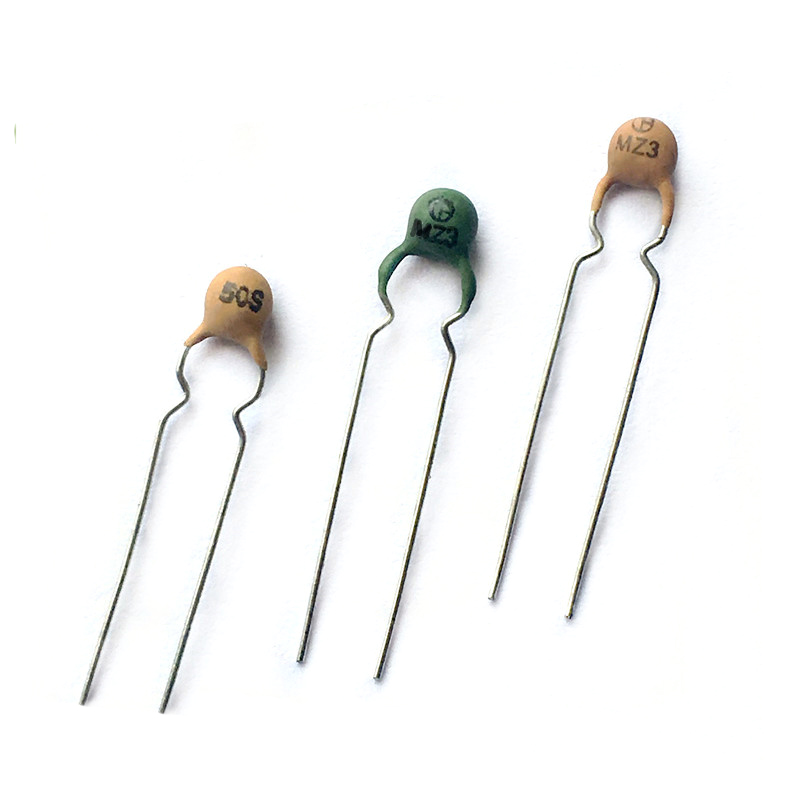
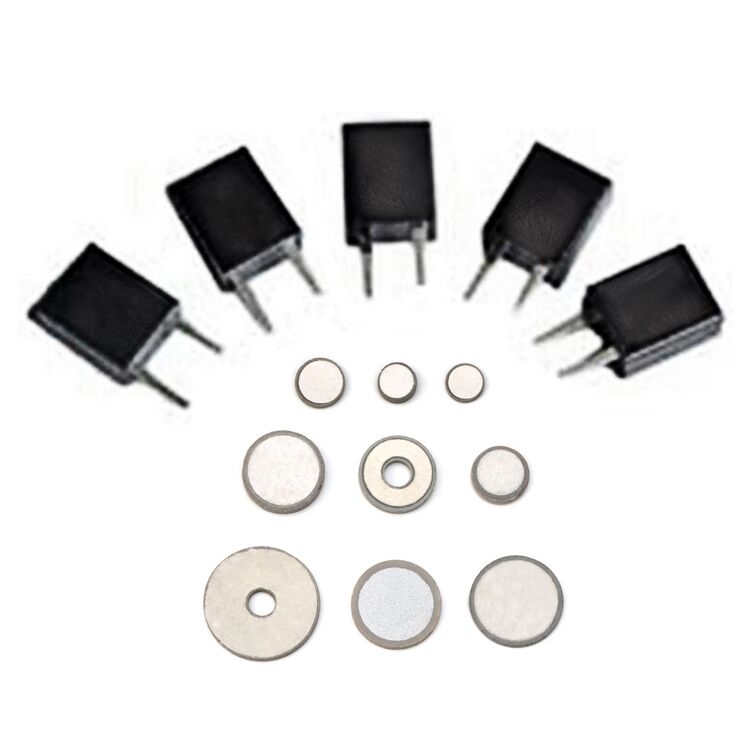
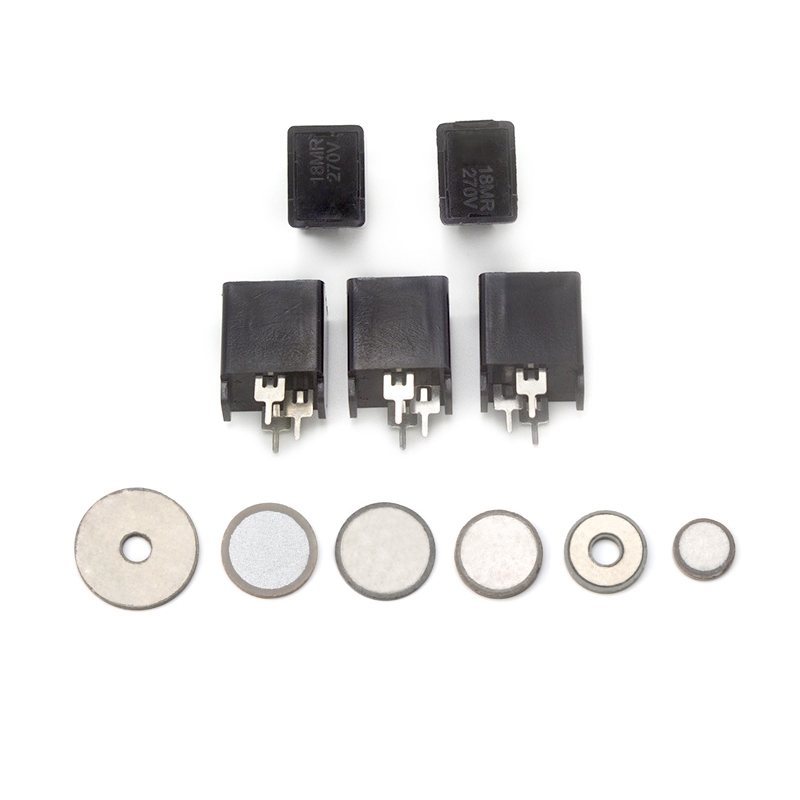
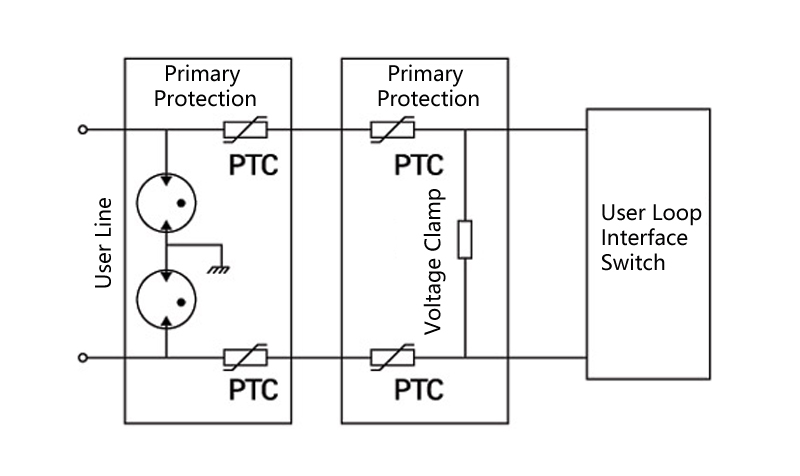
MZ2 PTC thermistors are primarily used for overcurrent protection in programmable switches and main distribution frames, primarily to prevent overcurrents caused by the following:
- Surge currents caused by direct lightning strikes or lightning strikes on nearby telephone line equipment;
- AC induced voltages caused by faults in nearby power lines or railway systems;
- Cross-connections between telephone and power lines.
Typically, a PTC thermistor is connected in series with each telephone line (see the application example diagram). Even with primary protection (usually a gas discharge tube), the PTC thermistor must meet stringent requirements. Because voltage pulses up to 2 kilovolts can occur, the PTC must have a high withstand voltage to withstand short-term induced voltages. If the line has primary protection, a PTC thermistor with a withstand voltage of 200 to 300V is sufficient. If the line does not have primary protection, the PTC thermistor must have a withstand voltage of at least 600V.
Specification
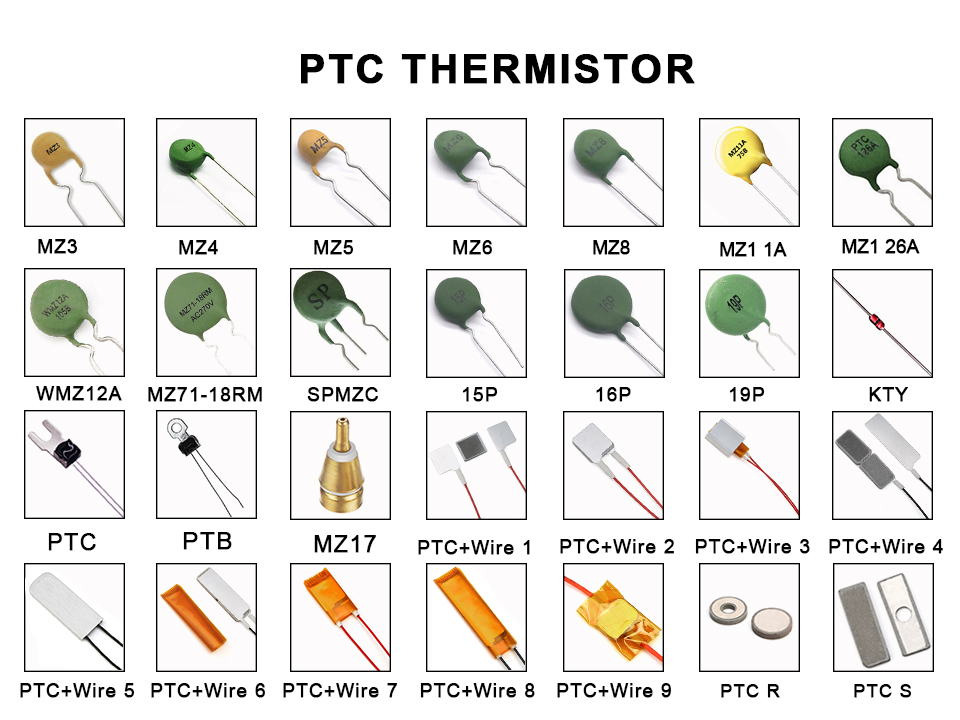
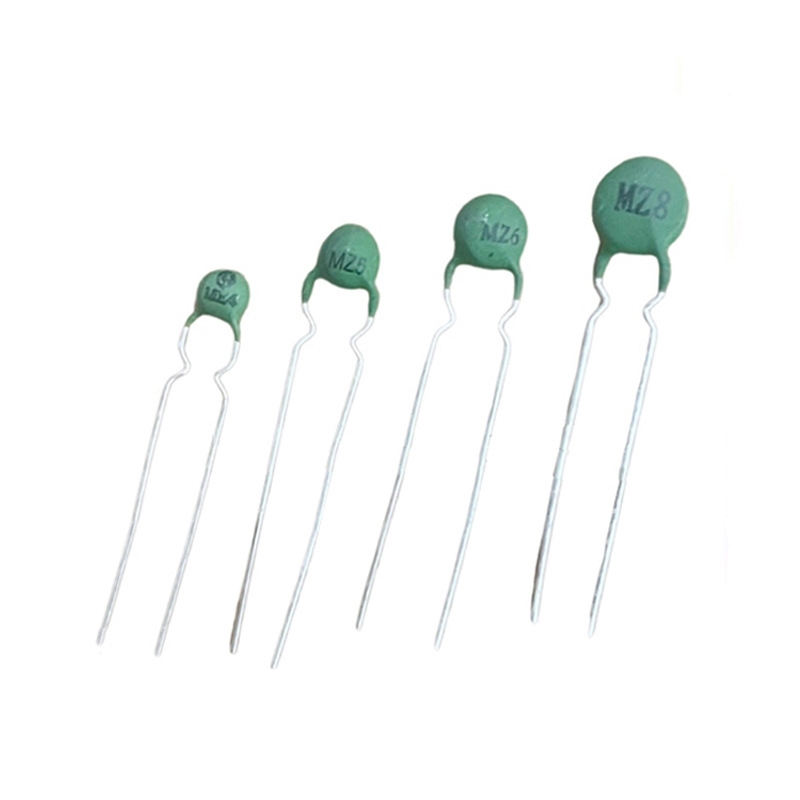
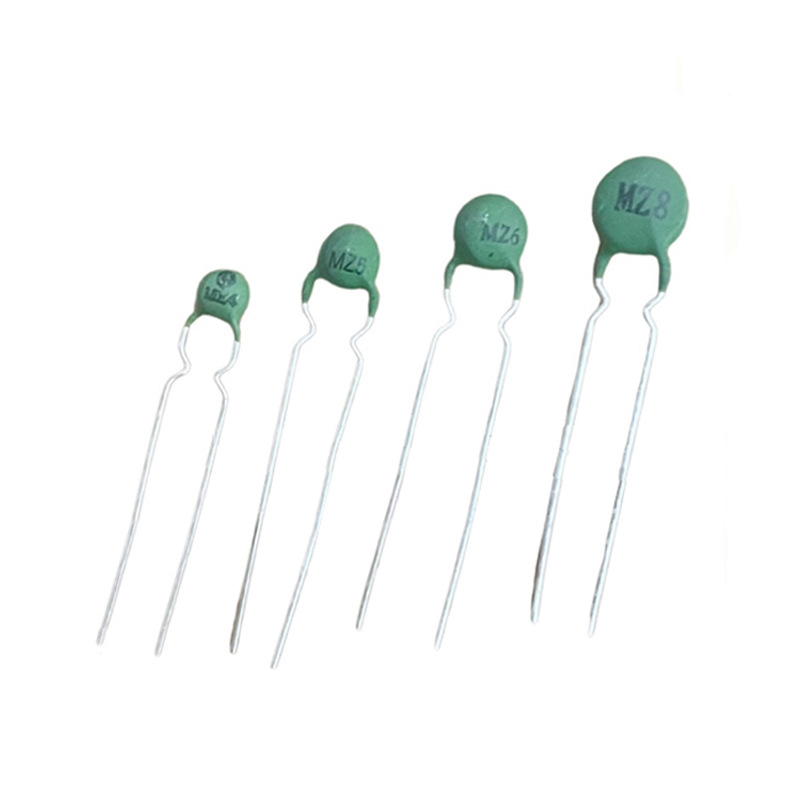
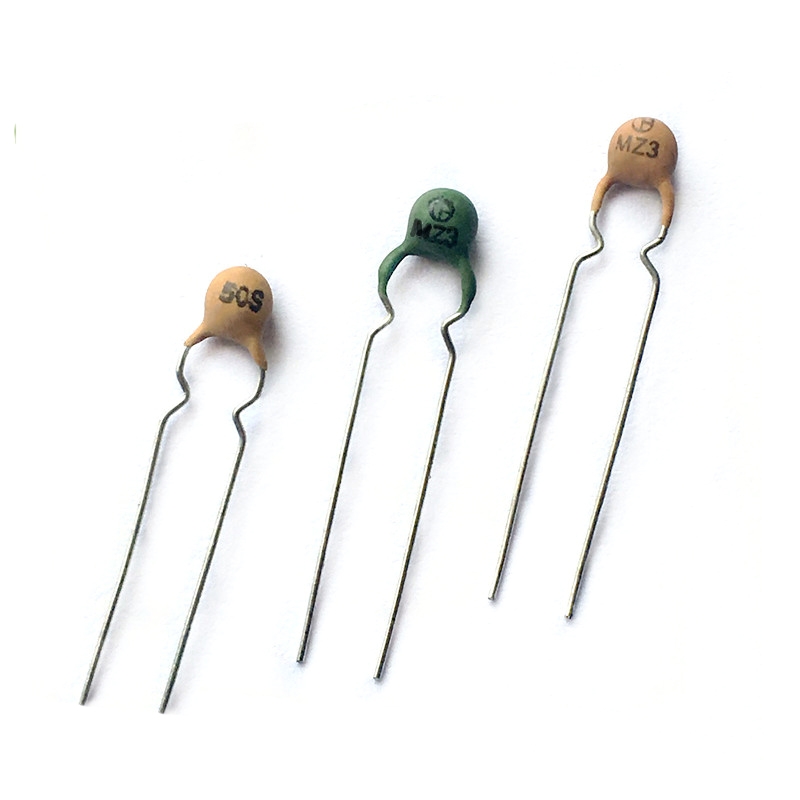
Product Name: MZC PTC Thermistor
R25 : 10-55Ω±20%
Diameter : 5-10mm
Non-action current : 50-150mA
Max voltage : 250V-650V
Failure mode : I II
Color : Green

Features
Low Resistance at Normal Temperature:
At normal room temperature or operating current, the resistance of a PTC is very low (typically in the milliohm range).
Purpose: It has little impact on the normal operation of the circuit, consumes minimal power, and does not affect the normal operation of the device.
Curie Temperature/Switching Temperature:
This is a critical parameter. When the temperature reaches a certain value (the Curie temperature), the resistance of the PTC begins to increase dramatically in a step-like manner (by several orders of magnitude, for example, from a few ohms to several megohms).
Purpose: This temperature determines the trigger point at which the PTC begins to activate its protective function.
Resettable Characteristics:
This is the greatest advantage of PTCs over traditional fuses. Once the fault is resolved (e.g., the overcurrent disappears) and the circuit is de-energized, the PTC's temperature gradually decreases, and its resistance automatically returns to its initial low resistance state.
Purpose: The device can automatically or manually restart without the need for manual fuse replacement, greatly improving maintenance convenience and user experience.
"Operated" State:
When an overcurrent (short circuit or overload) occurs in the circuit, a high current flows through the PTC. Due to its inherent small resistance, it generates heat (I²R heating). When the heat generated exceeds the heat dissipation, the PTC's temperature rises rapidly.
Once the temperature exceeds the Curie point, its resistance increases dramatically, significantly limiting the current in the circuit and reducing the fault current to a very low, safe level, protecting downstream circuits. At this point, the PTC maintains a high resistance and high temperature.
Application
Used for overload protection of program-controlled switches, main distribution frames, security units, telephones and user terminal equipment.