Description
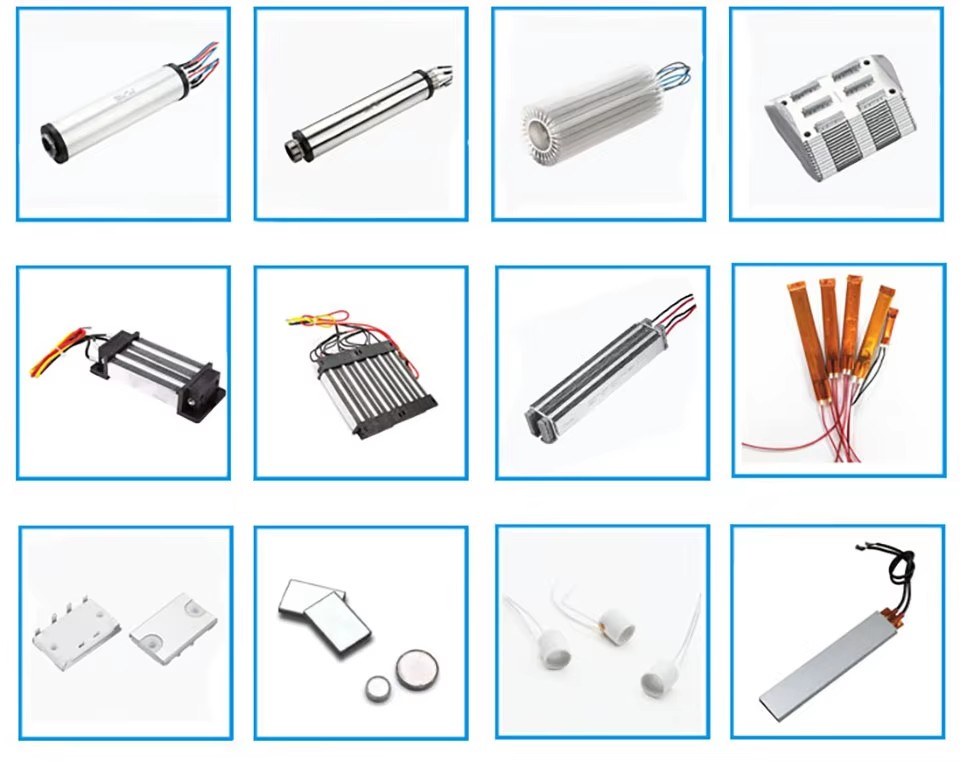
K-type thermocouples are among the most widely used contact temperature sensors in industrial, commercial, and consumer heating systems. The units in the image are designed for reliable, high-accuracy temperature measurement across a broad range of operating conditions, from low ambient temperatures to extreme heat environments.
Constructed with a durable stainless steel probe, braided metal cable, and color-coded connectors, these sensors convert temperature changes into a measurable voltage signal. This makes them ideal for monitoring and controlling temperatures in heating elements, industrial furnaces, HVAC systems, and more. As a versatile and cost-effective solution, K-type sensors strike the perfect balance of performance, durability, and ease of integration for nearly any temperature-sensing application.
Specification
| Product Name | K Type Temperature Sensor |
| Material | Stainless Steel |
| Shape | Thread Probe |
| Length | Customized |

Features
✅ Wide Temperature Range Performance
K-type thermocouples can reliably measure temperatures from as low as -200°C up to 1200°C, making them suitable for both low-temperature monitoring and high-heat industrial processes.
✅ Durable, Corrosion-Resistant Construction
The stainless steel probe body and braided metal cable protect the sensor from physical damage, high temperatures, and corrosive environments, ensuring long service life even in harsh conditions.
✅ Fast Response Time
The slim probe design allows for quick thermal conductivity, delivering near-instant temperature readings for real-time control in heating systems and process monitoring.
✅ Flexible Installation Options
The threaded probe tip (visible in the detail shots) enables easy mounting in threaded ports, ducts, or equipment housings, while the flexible braided cable allows for installation in tight spaces.
✅ Standardized Color-Coded Connections
The red/blue connectors follow industry standards for K-type thermocouples, ensuring compatibility with most temperature controllers, meters, and data loggers.
✅ Cost-Effective & Versatile
Compared to other thermocouple types, K-type sensors offer excellent performance at a lower cost, making them the preferred choice for mass production and general-purpose applications.
Applications
🔧 Heating Element & Appliance Control
- PTC air heaters, electric furnaces, and industrial heating systems
- Space heaters, ovens, and cooking equipment temperature regulation
🏭 Industrial Process Monitoring
- Furnaces, kilns, and metal processing equipment
- Plastic injection molding, drying ovens, and food processing machinery
🏠 HVAC & Building Systems
- Duct temperature monitoring in heating and ventilation systems
- Boiler and water heater temperature control
⚙️ Automotive & Aerospace
- Engine exhaust temperature monitoring
- HVAC system temperature sensing in vehicles and aircraft