Dongguan Tianrui Electronics Co., Ltd.
Dongguan Tianrui Electronics Co., Ltd. logo
The Stability Challenge: Exploring Long-Term Drift and Reliability in NTC Temperature Sensors

The Stability Challenge: Exploring Long-Term Drift and Reliability in NTC Temperature Sensors

PTC Heater
Oct 17, 2025Posted by Dongguan Tianrui Electronics Co., Ltd.

While NTC thermistors are prized for their high initial accuracy and sensitivity, a critical question for long-term designs remains: how stable are they over time? For applications where sustained performance is non-negotiable, understanding and mitigating long-term drift is essential. This article explores the causes of drift and how to ensure the long-term reliability of your NTC-based sensing system.

What is Long-Term Drift?

Long-term drift refers to a gradual, permanent change in the resistance-temperature (R-T) characteristics of an NTC thermistor over its operational life. This means that for the same actual temperature, the sensor will report a slightly different resistance value after months or years of use, leading to unnoticed and compounding measurement errors.

Primary Causes of Instability and Drift

  1. Thermal-Mechanical Stress: The ceramic semiconductor material within the NTC can undergo microscopic structural changes when subjected to repeated thermal cycling (heating and cooling). This is the most common cause of drift, as the material "ages" in an attempt to reach a more stable state.

  2. Environmental Degradation: Exposure to harsh environments is a major factor.

    • Moisture Ingress: This is the primary enemy of unencapsulated NTCs. Water vapor can penetrate the material, altering its electrical properties and leading to significant drift and eventual failure.

    • Chemical Exposure: Sensors used in automotive, industrial, or medical applications may be exposed to oils, fuels, solvents, or cleaning agents that can degrade the epoxy coating or housing.

  3. Electrical Overstress: Operating the sensor outside its specified parameters, particularly at excessively high temperatures or with currents that cause substantial self-heating, can accelerate the aging process and cause permanent damage.

Strategies for Maximizing Long-Term Reliability

Selecting and applying an NTC with reliability in mind can drastically reduce drift-related issues.

  1. Choose the Right Packaging:

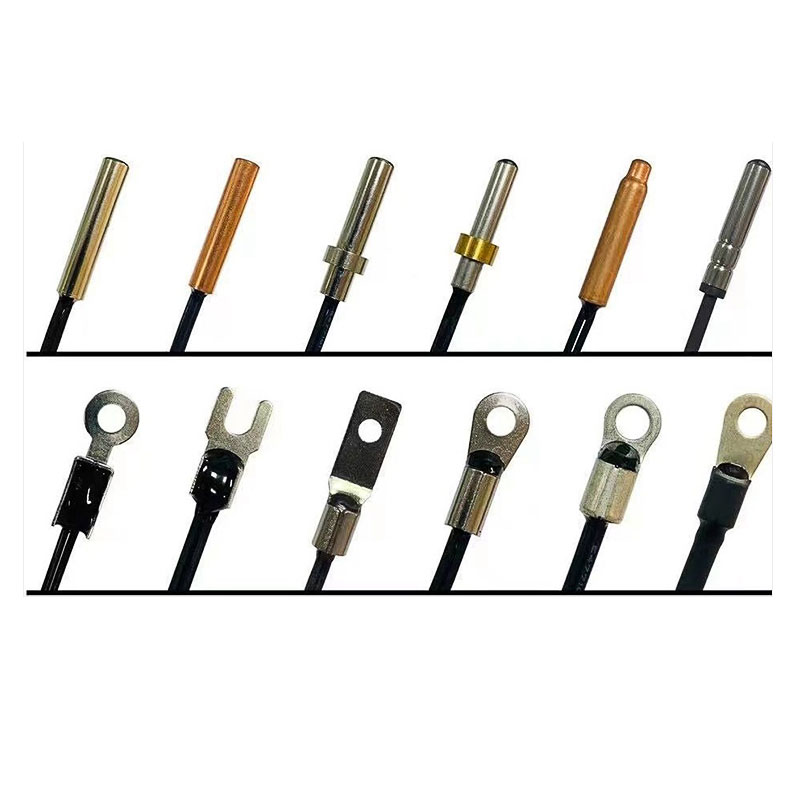
    • For harsh environments, hermetically sealed glass-encapsulated or stainless steel probes offer the best protection against moisture and chemicals, ensuring minimal drift over time.

    • Avoid using bare chip thermistors in humid conditions unless they are potted or otherwise protected at the system level.

  2. Operate Within the "Sweet Spot":

    • Derate the Temperature: Continuously operating an NTC at its absolute maximum temperature rating will accelerate aging. Design your system to keep the sensor well within its specified continuous operating range.

    • Minimize Self-Heating: Carefully design your excitation circuit to keep the power dissipation (I²R) as low as possible. Use the Dissipation Constant (δ) from the datasheet to calculate acceptable current levels for your application.

  3. Pre-Bake and Pre-Age Critical Components:

    • For high-precision applications, manufacturers often offer "pre-aged" sensors. These components undergo a controlled thermal cycling process at the factory to stabilize the material, "burning in" the sensor to minimize future drift in the field.

  4. Implement System-Level Calibration:

    • For the most critical systems, design in the capability for periodic calibration. This allows the system to correct for any small drift that occurs over its operational lifetime, restoring accuracy.

Conclusion: Reliability by Design

The long-term stability of an NTC thermistor is not a matter of chance but of design. By understanding the root causes of drift—thermal stress, environmental exposure, and electrical overstress—you can make informed choices. Opting for robust packaging, operating the sensor conservatively within its limits, and considering pre-aged components are the keys to building a temperature-sensing solution that remains accurate and reliable for years to come.
Featured Blogs

The Complete Guide to PTC Fan Heaters for Industrial Cabinet Protection

The Complete Guide to PTC Fan Heaters for Industrial Cabinet Protection

Industrial automation relies on sensitive electronics housed within control cabinets, but these enclosures face a constant threat: temperature fluctuations. Condensation in humid conditions, freezing in cold climates, and component stress from temperature swings can lead to malfunctions, downtime, and costly repairs. To solve this, engineers are increasingly turning to integrated PTC Fan Heaters – a robust, intelligent solution designed for reliability. Available in key power ratings like 150W, 300W, 400W, and 600W, these units are the guardians of critical electrical systems.

Read More
The Smart Way to Heat Liquids: A Guide to PTC Immersion Heating Rods

The Smart Way to Heat Liquids: A Guide to PTC Immersion Heating Rods

When your application requires precise and reliable heating of a liquid—whether it's water in a tank, oil in a reservoir, or a chemical in a process bath—the heating element you choose is critical. Enter the Immersion Water Heater Element with PTC (Positive Temperature Coefficient) technology. This isn't your standard heating coil; it's an intelligent, self-regulating solution that offers superior safety and efficiency. Let's dive into what makes these tubular heating rods a game-changer for liquid temperature control.

Read More
High-Power PTC Heaters: The Future of Efficient, Self-Regulating Industrial Heating

High-Power PTC Heaters: The Future of Efficient, Self-Regulating Industrial Heating

When it comes to industrial heating, efficiency, safety, and reliability are not just benefits—they are necessities. Enter the High-Power PTC (Positive Temperature Coefficient) Heater, a game-changing technology that is redefining thermal management in demanding environments. Unlike traditional resistive heaters that require external controls to prevent overheating, PTC heaters are inherently smart. Their core ceramic material possesses a unique property: electrical resistance increases dramatically at a specific Curie temperature. This simple physical principle translates into powerful real-world advantages.

Read More
The 220VAC 300W PTC Aluminum Heating Plate: The Smart, Safe Heart of Modern Appliances

The 220VAC 300W PTC Aluminum Heating Plate: The Smart, Safe Heart of Modern Appliances

In the world of heating elements, efficiency, safety, and longevity are paramount. While traditional resistance wire heaters have served us for decades, a newer technology has emerged as the superior choice for countless applications: the PTC (Positive Temperature Coefficient) heating element. Specifically, the 220VAC 300W PTC Aluminum Heating Plate represents a perfect blend of intelligent design and robust performance. Let's explore why this component is revolutionizing appliance design.

Read More
Efficient and Safe Heating Solutions: In-depth Understanding of the 1200W/1800W 220V Cross-Flow Fan PTC Heater

Efficient and Safe Heating Solutions: In-depth Understanding of the 1200W/1800W 220V Cross-Flow Fan PTC Heater

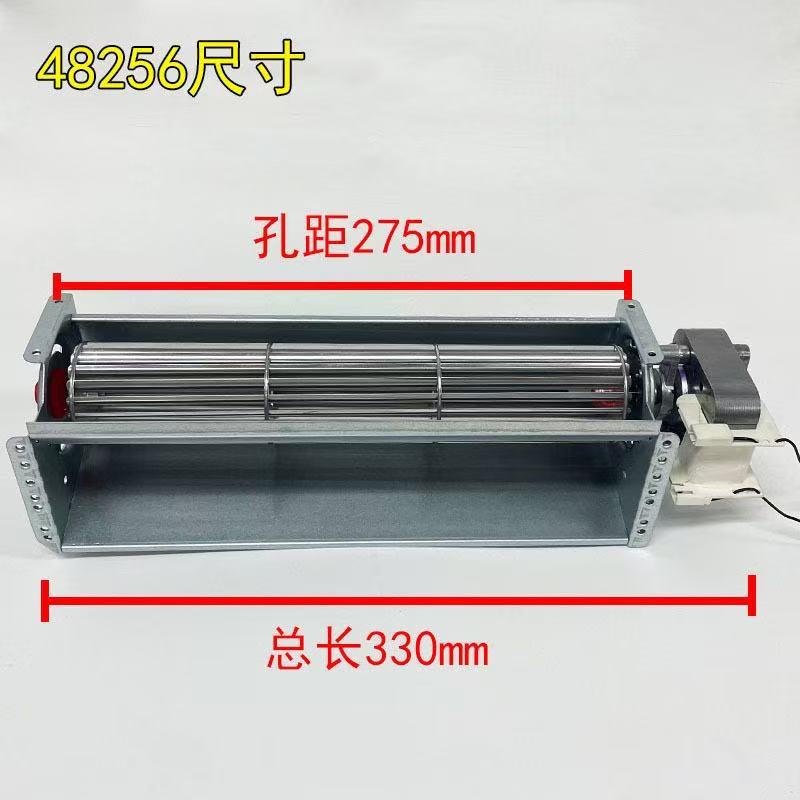
In applications requiring rapid, stable, and safe air heating, such as fresh air systems, air curtains, drying equipment, or duct heating, selecting the right heating component is crucial. Heater modules combining PTC ceramic heating technology with high-efficiency cross-flow fans are becoming a popular choice in modern HVAC and industrial applications. Today, we'll analyze this high-performance 1200W/1800W 220V cross-flow fan PTC heater in detail.

Read More
Ceramic PTC Heaters: The Smart Choice for Modern Heating

Ceramic PTC Heaters: The Smart Choice for Modern Heating

When it comes to efficient, safe, and compact heating solutions, ceramic PTC (Positive Temperature Coefficient) heaters are revolutionizing the industry. Unlike traditional heaters that rely on constant power and external controls, PTC heaters offer a built-in “brain” that makes them remarkably efficient and reliable.

Read More
Compact PTC Heaters: Your Efficient & Safe Solution for Instant Warmth

Compact PTC Heaters: Your Efficient & Safe Solution for Instant Warmth

Feeling a chill in your home office, bathroom, or a small living space? Traditional heaters often feel bulky, inefficient, or even unsafe. Enter the compact PTC heater – a modern marvel of heating technology that's changing how we stay warm.

Read More
PTC Heating Film: The Smart, Efficient Future of Warmth

PTC Heating Film: The Smart, Efficient Future of Warmth

Tired of cold floors, inefficient heaters, and high energy bills? Modern heating technology offers a superior solution: Positive Temperature Coefficient (PTC) Heating Film. This innovative material is revolutionizing how we deliver warmth in homes, offices, and industrial settings. But what exactly is it, and why is it gaining so much popularity?

Read More