Dongguan Tianrui Electronics Co., Ltd.
Dongguan Tianrui Electronics Co., Ltd. logo
Smaller, Smarter, More Accurate: The Future Development Trends of NTC Temperature Sensors

Smaller, Smarter, More Accurate: The Future Development Trends of NTC Temperature Sensors

PTC Heater
Oct 17, 2025Posted by Dongguan Tianrui Electronics Co., Ltd.

For decades, NTC (Negative Temperature Coefficient) thermistors have been the workhorses of temperature sensing across countless applications. But standing still is not an option. The future points toward three clear, interconnected trends that are set to redefine their capabilities: miniaturization, enhanced accuracy, and intelligent integration.

1. Smaller: The Drive Toward Miniaturization

The demand for smaller, denser electronics continues unabated, pushing NTC sensors to shrink in footprint while maintaining performance.

  • Advanced Chip-Scale Packaging: The evolution from traditional leaded disks to ultra-small, surface-mount devices (SMDs) like the 008004 package (0.25mm x 0.125mm) will continue. This allows for direct integration into compact spaces like smartphone system-on-chips (SoCs), wearables, and advanced micro-medical devices.

  • Flexible and Embedded Sensors: The future will see the rise of NTCs printed or embedded onto flexible substrates. This enables temperature monitoring on curved surfaces, within battery pouches, or even woven into smart textiles, opening doors for applications previously unimaginable.

2. More Accurate: Pushing the Boundaries of Precision

While already sensitive, the next generation of NTCs will achieve new levels of accuracy and stability.

  • New Material Science: Research into novel ceramic and polymer composites aims to produce thermistors with flatter resistance-temperature curves, making them inherently more linear and easier to calibrate. These materials also exhibit significantly reduced long-term drift, ensuring reliability over the entire lifespan of a product.

  • Factory-Calibrated Digital Output: To combat non-linearity and simplify design, sensors with integrated digital interfaces (like I2C or SPI) will become the standard. These "sensors-in-a-chip" come pre-programmed with high-order Steinhart-Hart coefficients, delivering calibrated, ready-to-use temperature data and eliminating the analog signal conditioning headache for engineers.

3. Smarter: The Era of Intelligent Sensing

The true transformation lies in moving from being a passive component to an intelligent node in a connected system.

  • Integrated Diagnostics and Communication: Future NTCs, especially in smart modules, will self-monitor for degradation or failure, alerting the host system before they provide inaccurate data. This is critical for functional safety in autonomous vehicles and medical equipment.

  • AI-Driven Calibration and Compensation: At the system level, Artificial Intelligence (AI) and machine learning algorithms will use data from multiple sensors (e.g., NTC, humidity, current) to dynamically compensate for self-heating effects and environmental factors, achieving accuracy beyond the sensor's inherent specifications.

  • Context-Awareness in IoT: In the Internet of Things (IoT), a smart NTC sensor won't just report a temperature. It will understand context. For example, in a smart home, it could correlate temperature data with user activity and time of day to optimize HVAC control for both comfort and energy efficiency, rather than just reacting to a simple threshold.

Conclusion: The Converging Future

The future of NTC temperature sensors is not defined by a single trend, but by the powerful convergence of all three. We are heading toward an era of miniaturized, intelligent, and highly accurate sensing solutions. These advanced NTCs will be the invisible, intelligent backbone enabling the next wave of technological innovation—from truly autonomous systems and personalized healthcare to a seamlessly connected world. The humble thermistor is poised to become smarter than ever.

Featured Blogs

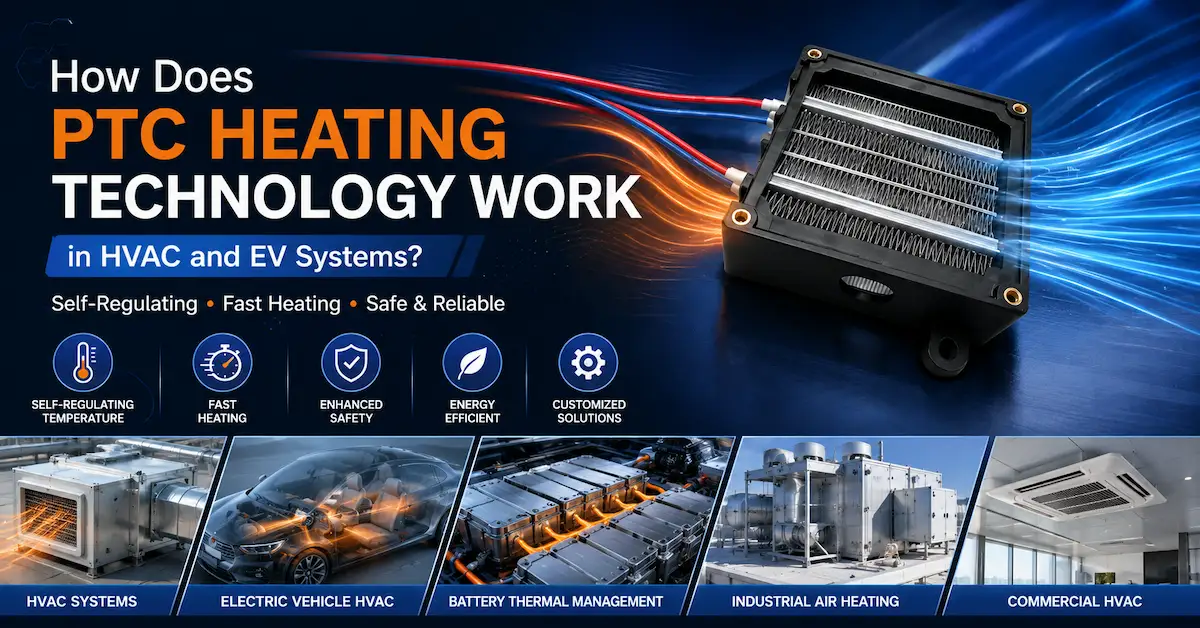
How Does PTC Heating Technology Work in HVAC and EV Systems?

How Does PTC Heating Technology Work in HVAC and EV Systems?

PTC Heating Technology provides self-regulating electric heating for HVAC, electric vehicles, industrial equipment and thermal management systems. This guide explains the ceramic heating principle, key advantages, heater types, application differences and selection factors that OEM engineers and buyers should evaluate before choosing a PTC heating solution.

Read More
PTC Heater for HVAC System: Working Principle, Applications and Selection Guide

PTC Heater for HVAC System: Working Principle, Applications and Selection Guide

PTC heaters for HVAC systems provide efficient and reliable heating solutions for automotive, industrial and commercial applications. This guide explains how PTC heaters work, their advantages, applications and how to select a suitable supplier for customized HVAC heating requirements.

Read More
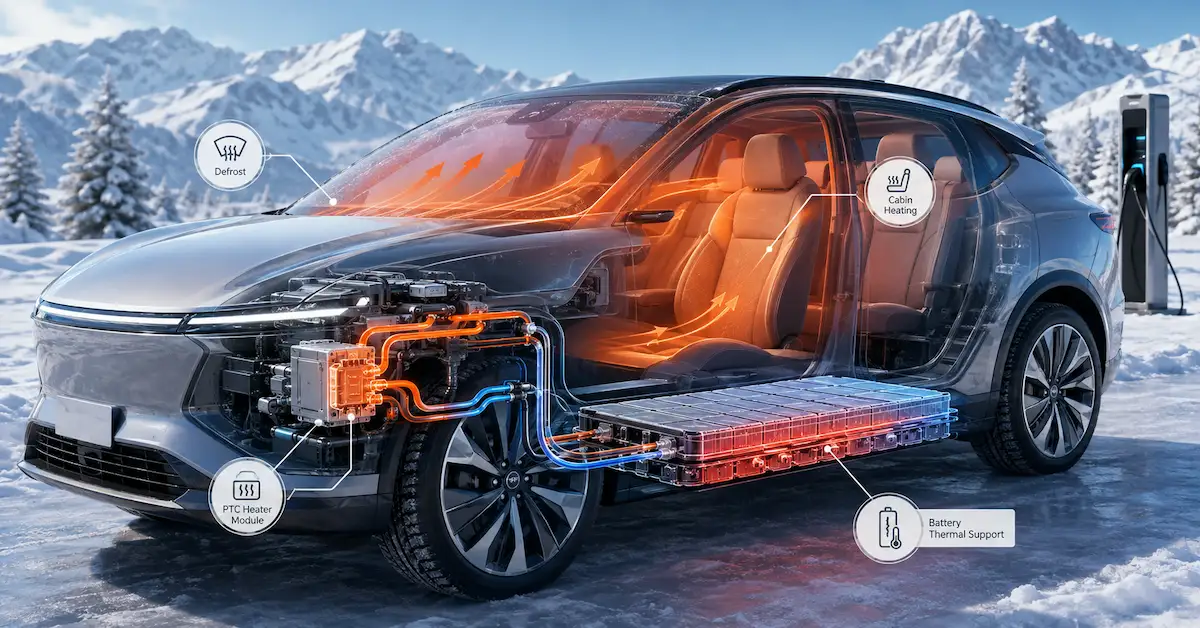
PTC Heater for Electric Vehicle: How to Choose the Right EV Heating Solution

PTC Heater for Electric Vehicle: How to Choose the Right EV Heating Solution

PTC heaters for electric vehicles provide efficient cabin heating and battery thermal management solutions in cold environments. This guide explains how EV manufacturers can select suitable PTC heaters based on heating performance, safety, energy efficiency, customization and supplier capability.

Read More
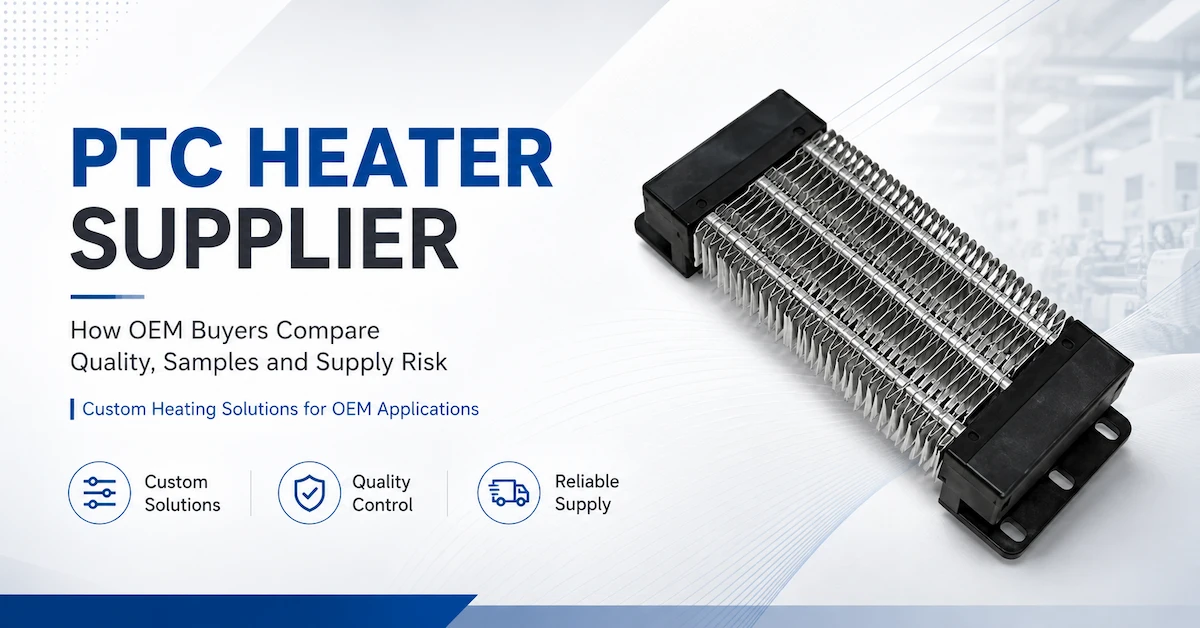
PTC Heater Supplier Guide: How OEM Buyers Compare Quality, Samples and Supply Risk

PTC Heater Supplier Guide: How OEM Buyers Compare Quality, Samples and Supply Risk

Choosing a PTC Heater Supplier involves more than comparing wattage and unit price. This guide helps OEM buyers evaluate technical support, customization, sample testing, quality control, quotations, lead time and long-term supply reliability before approving a heating partner.

Read More
PTC Heater Manufacturer: How to Choose the Right OEM Partner

PTC Heater Manufacturer: How to Choose the Right OEM Partner

Choosing the right PTC heater manufacturer requires more than comparing price and wattage. This guide explains how OEM buyers can evaluate engineering capability, customization, sample testing, quality control, production consistency, cost, and RFQ requirements before selecting a long-term supplier.

Read More
48256 Cross Flow Fan: The Ultimate Guide to Efficient, Low-Noise Airflow

48256 Cross Flow Fan: The Ultimate Guide to Efficient, Low-Noise Airflow

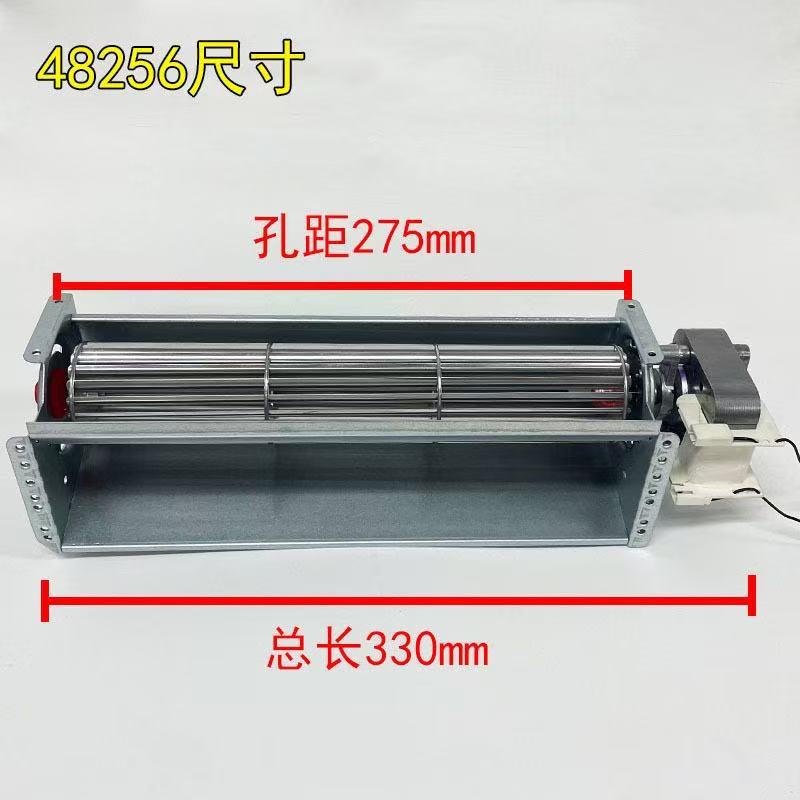
When it comes to moving air efficiently in tight spaces, few solutions match the performance of a cross flow fan (tangential fan). The 48256 model shown in the image is a prime example of this engineering marvel, designed to deliver consistent, low-noise airflow for a wide range of heating, ventilation, and industrial applications. Let’s break down what makes this fan such a versatile and reliable choice.

Read More
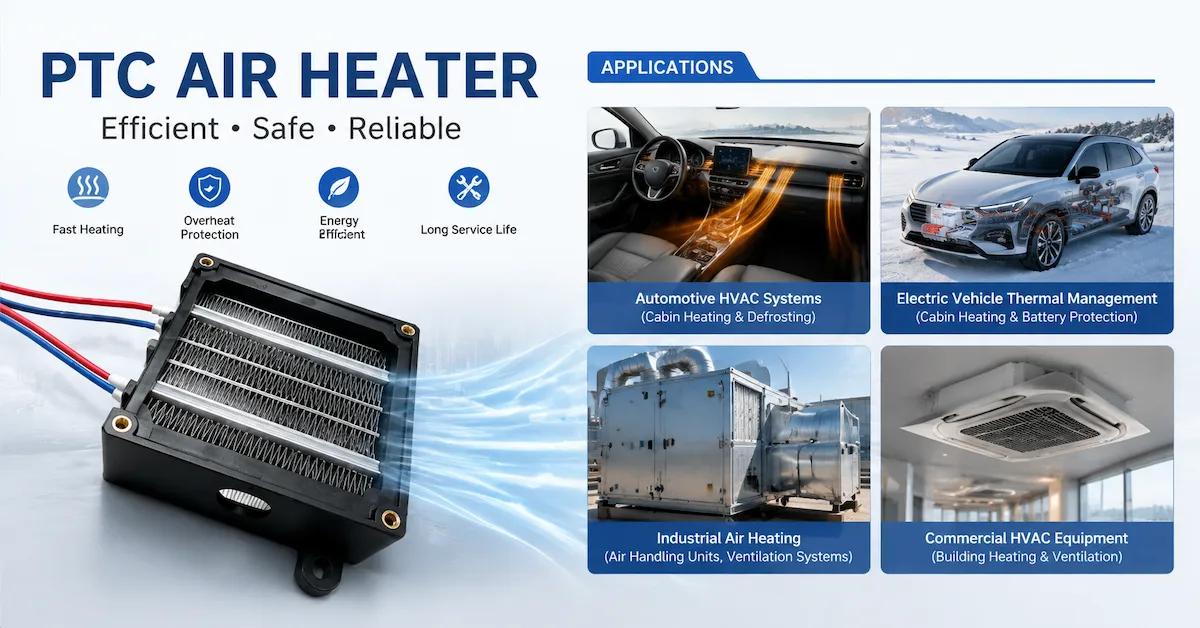
Why Our PTC Air Heaters Are the Smart, Safe Choice for Modern Air Heating

Why Our PTC Air Heaters Are the Smart, Safe Choice for Modern Air Heating

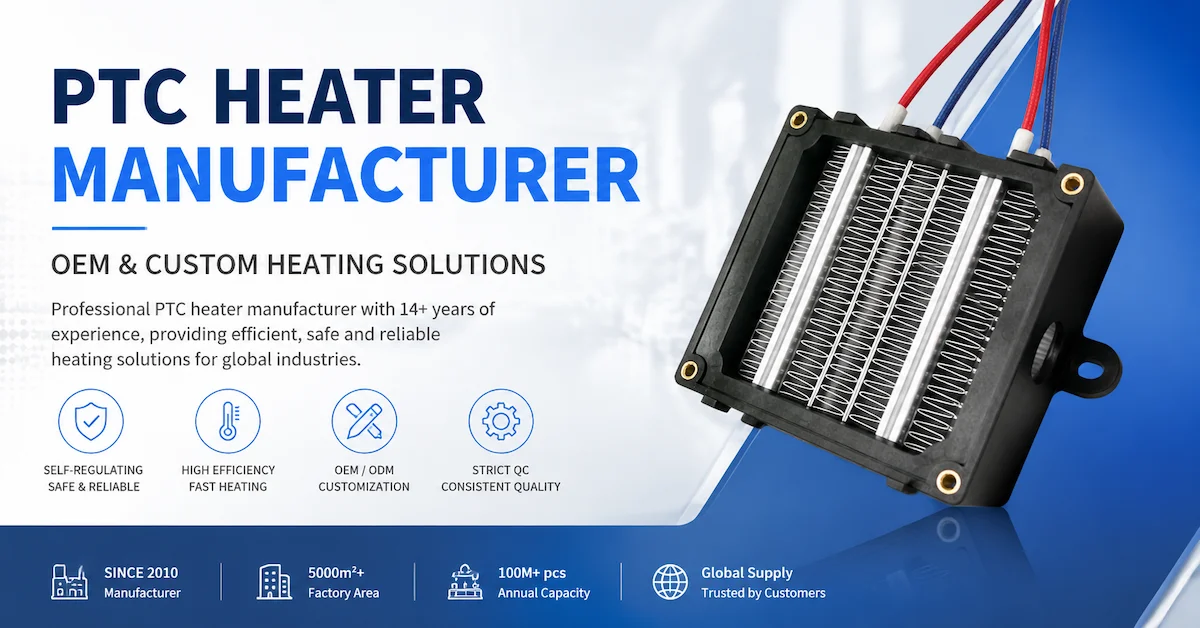
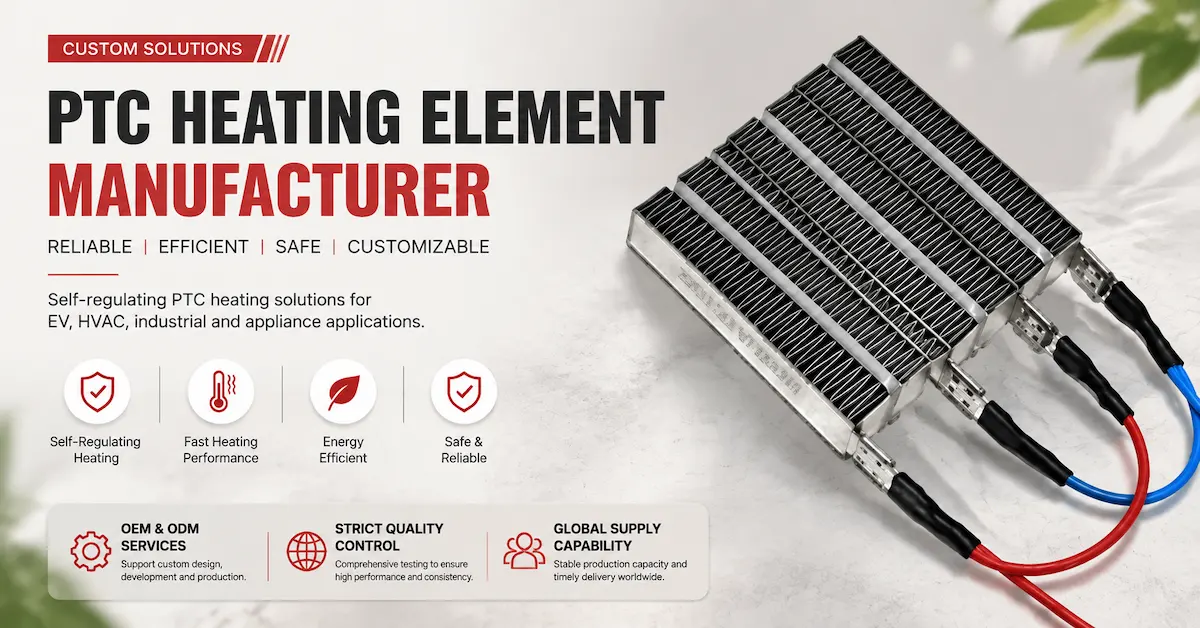
If you’ve ever dealt with unreliable heating elements, energy waste, or safety concerns in your air heating systems, it’s time to meet the solution: PTC (Positive Temperature Coefficient) air heaters. These compact, powerful modules are more than just heating components—they’re engineered to deliver consistent, safe, and efficient heat across countless applications, and our line of customizable models (as seen in the image) is built to exceed expectations.

Read More
The Complete Guide to PTC Fan Heaters for Industrial Cabinet Protection

The Complete Guide to PTC Fan Heaters for Industrial Cabinet Protection

Industrial automation relies on sensitive electronics housed within control cabinets, but these enclosures face a constant threat: temperature fluctuations. Condensation in humid conditions, freezing in cold climates, and component stress from temperature swings can lead to malfunctions, downtime, and costly repairs. To solve this, engineers are increasingly turning to integrated PTC Fan Heaters – a robust, intelligent solution designed for reliability. Available in key power ratings like 150W, 300W, 400W, and 600W, these units are the guardians of critical electrical systems.

Read More