
Dongguan Tianrui Electronics Co., Ltd.
Dongguan Tianrui Electronics Co., Ltd. logo
Sealed for Success: The Enduring Advantages of Glass-Encapsulated Thermistors

Sealed for Success: The Enduring Advantages of Glass-Encapsulated Thermistors

PTC Heater
Oct 20, 2025Posted by Dongguan Tianrui Electronics Co., Ltd.

In the quest for reliable temperature sensing, the operating environment often dictates the component choice. When exposure to moisture, extreme temperatures, or corrosive conditions is a concern, standard epoxy-coated sensors can falter. For these demanding scenarios, the Glass-Encapsulated NTC Thermistor emerges as the gold standard for long-term stability and resilience.

This sensor features a miniature NTC thermistor chip hermetically sealed within a solid glass body. This robust construction isn't just for protection; it unlocks a suite of performance advantages critical for mission-critical applications.

Let's explore the key benefits that make glass-encapsulated thermistors a trusted solution across industries.

1. Superior Hermetic Seal and Moisture Immunity

The primary threat to a thermistor's longevity is moisture ingress, which can cause drift and eventual failure. The glass-to-metal seal of these thermistors creates a perfect hermetic barrier.

  • Key Benefit: This complete seal provides unmatched resistance to humidity and liquids. It ensures stable performance in environments like automotive engine bays, medical autoclaves, and household appliances where condensation or direct washing is a constant threat.

2. Exceptional Stability and Minimal Drift

Accuracy over time is non-negotiable. The inert nature of glass and the hermetic seal work together to protect the sensitive semiconductor material from atmospheric oxidation and contamination.

  • Key Benefit: Glass-encapsulated thermistors exhibit exceptionally low long-term drift in their resistance values. This means your temperature readings remain accurate for the lifespan of the product, eliminating the need for recalibration and ensuring consistent performance year after year.

3. High-Temperature Endurance

Many applications involve sustained high temperatures that can degrade epoxy coatings. Glass, however, is inherently capable of withstanding intense heat.

  • Key Benefit: These thermistors can operate reliably at much higher temperatures than their polymer-encapsulated counterparts, typically up to 300°C and beyond. This makes them suitable for applications like automotive exhaust gas sensors, industrial process heating, and high-power electronics.

4. Excellent Resistance to Chemical Corrosion

Beyond moisture, sensors can be exposed to a wide range of chemicals, solvents, and oils. The glass body is highly resistant to most corrosive agents.

  • Key Benefit: This chemical inertness allows the thermistor to perform reliably in harsh industrial settings, chemical processing equipment, and automotive fluid systems without degradation of its housing or electrical properties.

5. Robust Mechanical Structure

The solid glass encapsulation forms a rigid, durable package that can withstand significant mechanical stress.

  • Key Benefit: It offers high resistance to shock, vibration, and physical abrasion, ensuring the sensor remains intact and functional even in the most demanding mechanical environments.

Ideal Applications for Glass-Encapsulated Thermistors

Their robust profile makes them indispensable in:

  • Automotive: Engine control units (ECUs), intake air temperature sensors, oil and coolant temperature sensing.

  • Medical: Sterilization equipment, diagnostic devices, patient monitoring.

  • Industrial: High-temperature process control, HVAC systems, power supplies.

  • Consumer Appliances: Coffee makers, hair dryers, and washing machines.

Conclusion: The Benchmark for Reliability

When failure is not an option, a glass-encapsulated thermistor provides the assurance of performance. By offering an unparalleled combination of hermetic sealing, high-temperature operation, and long-term stability, it solves the toughest challenges in temperature sensing.

Don't let a harsh environment compromise your design. Contact us today to learn how our glass-encapsulated NTC thermistors can deliver the reliability your application demands.
Featured Blogs

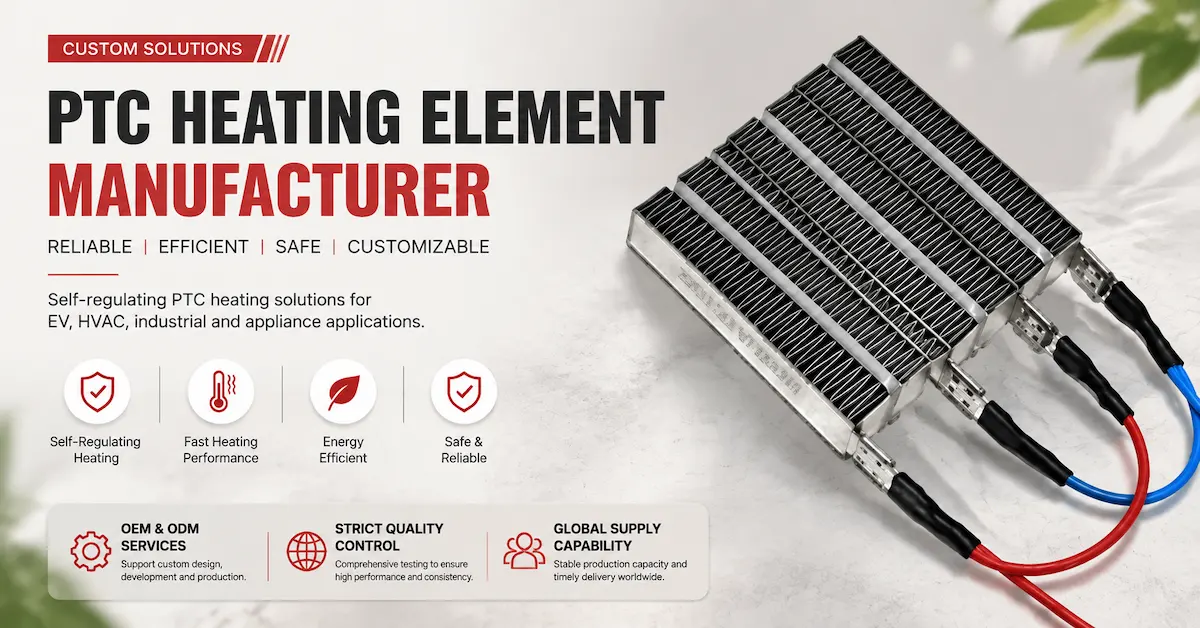
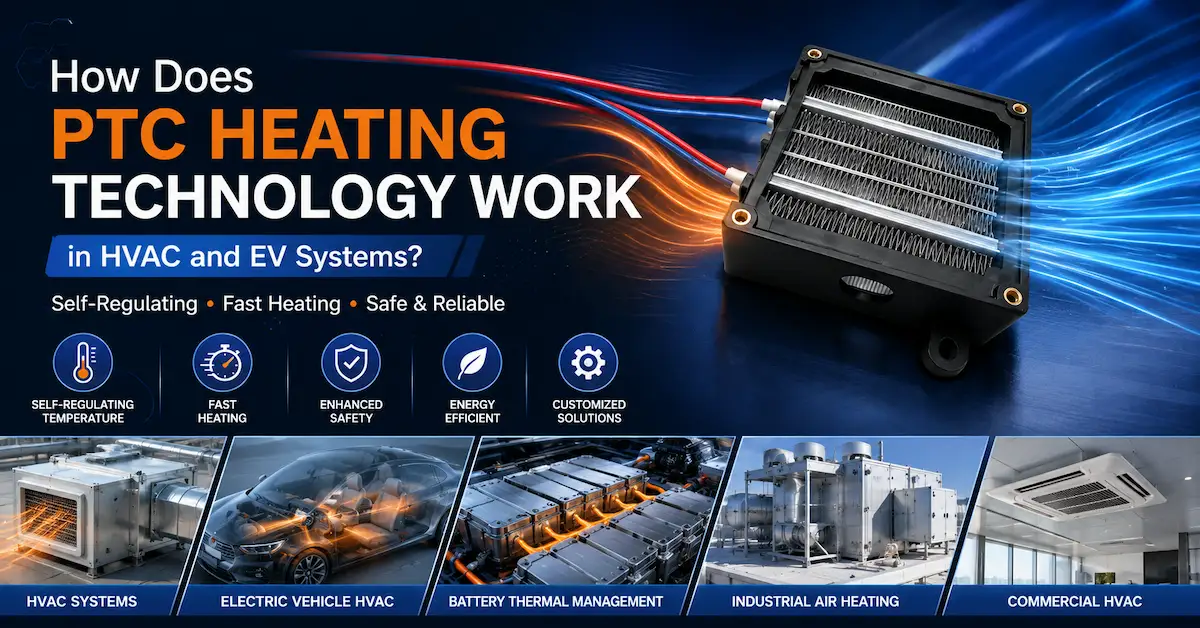
PTC Heater for HVAC System: Working Principle, Applications and Selection Guide

PTC Heater for HVAC System: Working Principle, Applications and Selection Guide

PTC heaters for HVAC systems provide efficient and reliable heating solutions for automotive, industrial and commercial applications. This guide explains how PTC heaters work, their advantages, applications and how to select a suitable supplier for customized HVAC heating requirements.

Read More
PTC Heater for Electric Vehicle: How to Choose the Right EV Heating Solution

PTC Heater for Electric Vehicle: How to Choose the Right EV Heating Solution

PTC heaters for electric vehicles provide efficient cabin heating and battery thermal management solutions in cold environments. This guide explains how EV manufacturers can select suitable PTC heaters based on heating performance, safety, energy efficiency, customization and supplier capability.

Read More
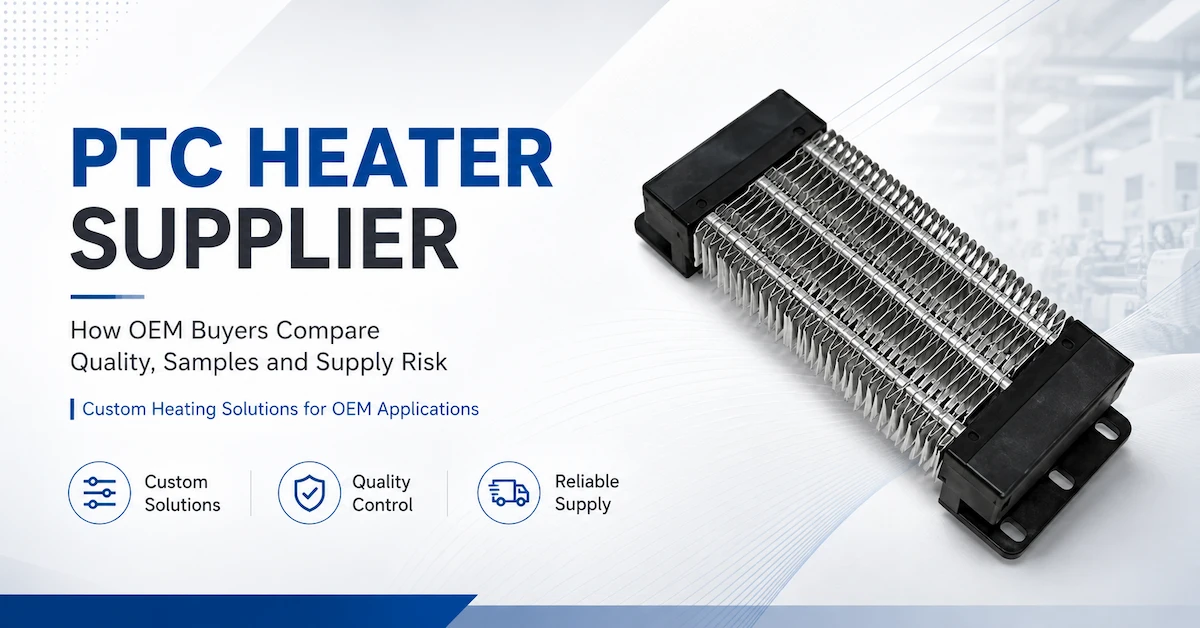
PTC Heater Supplier Guide: How OEM Buyers Compare Quality, Samples and Supply Risk

PTC Heater Supplier Guide: How OEM Buyers Compare Quality, Samples and Supply Risk

Choosing a PTC Heater Supplier involves more than comparing wattage and unit price. This guide helps OEM buyers evaluate technical support, customization, sample testing, quality control, quotations, lead time and long-term supply reliability before approving a heating partner.

Read More
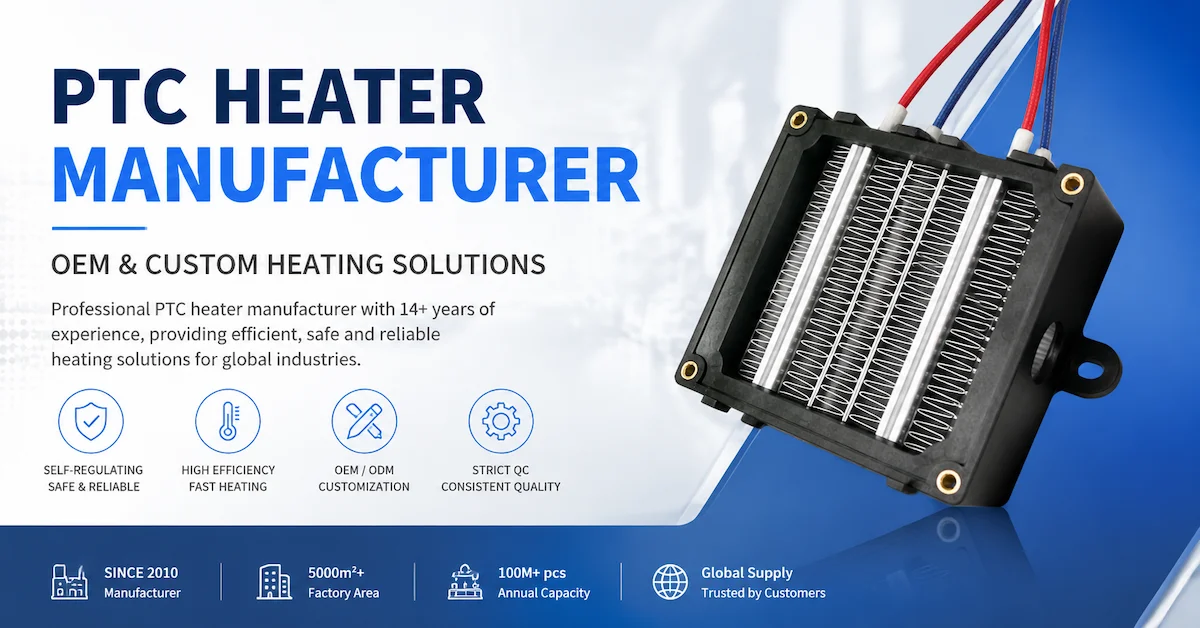
PTC Heater Manufacturer: How to Choose the Right OEM Partner

PTC Heater Manufacturer: How to Choose the Right OEM Partner

Choosing the right PTC heater manufacturer requires more than comparing price and wattage. This guide explains how OEM buyers can evaluate engineering capability, customization, sample testing, quality control, production consistency, cost, and RFQ requirements before selecting a long-term supplier.

Read More
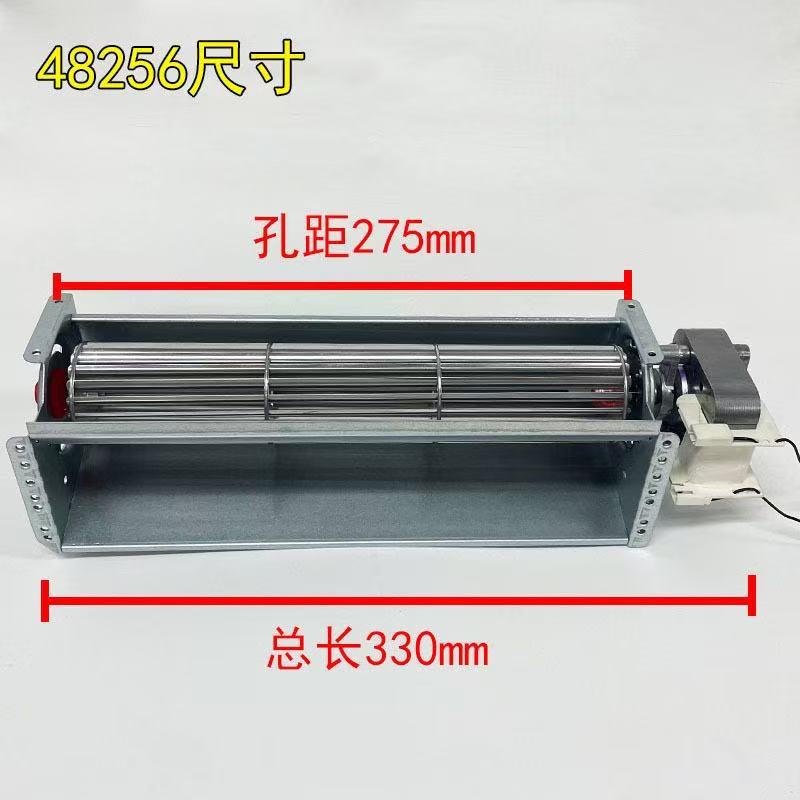
48256 Cross Flow Fan: The Ultimate Guide to Efficient, Low-Noise Airflow

48256 Cross Flow Fan: The Ultimate Guide to Efficient, Low-Noise Airflow

When it comes to moving air efficiently in tight spaces, few solutions match the performance of a cross flow fan (tangential fan). The 48256 model shown in the image is a prime example of this engineering marvel, designed to deliver consistent, low-noise airflow for a wide range of heating, ventilation, and industrial applications. Let’s break down what makes this fan such a versatile and reliable choice.

Read More
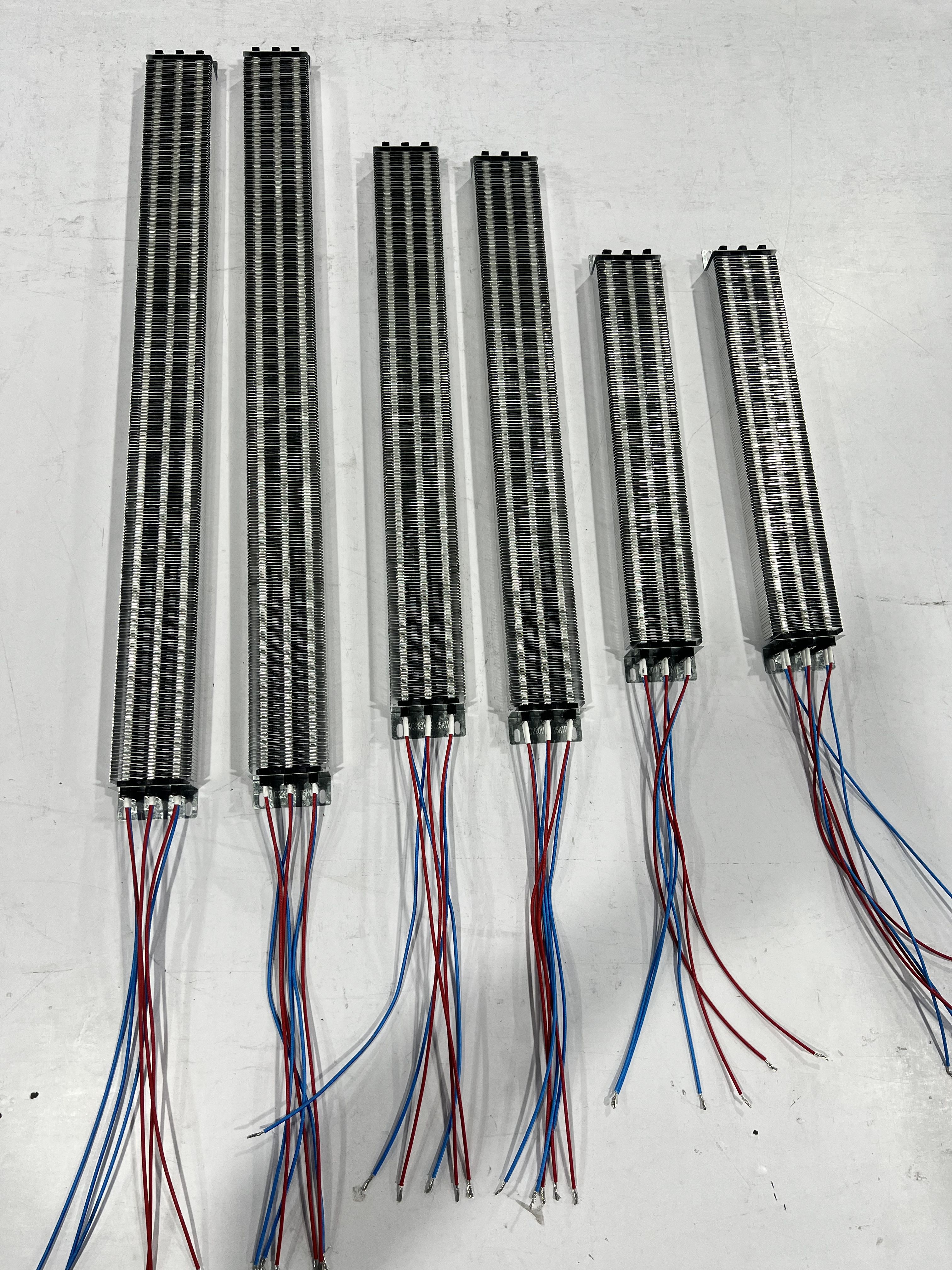
Why Our PTC Air Heaters Are the Smart, Safe Choice for Modern Air Heating

Why Our PTC Air Heaters Are the Smart, Safe Choice for Modern Air Heating

If you’ve ever dealt with unreliable heating elements, energy waste, or safety concerns in your air heating systems, it’s time to meet the solution: PTC (Positive Temperature Coefficient) air heaters. These compact, powerful modules are more than just heating components—they’re engineered to deliver consistent, safe, and efficient heat across countless applications, and our line of customizable models (as seen in the image) is built to exceed expectations.

Read More
The Complete Guide to PTC Fan Heaters for Industrial Cabinet Protection

The Complete Guide to PTC Fan Heaters for Industrial Cabinet Protection

Industrial automation relies on sensitive electronics housed within control cabinets, but these enclosures face a constant threat: temperature fluctuations. Condensation in humid conditions, freezing in cold climates, and component stress from temperature swings can lead to malfunctions, downtime, and costly repairs. To solve this, engineers are increasingly turning to integrated PTC Fan Heaters – a robust, intelligent solution designed for reliability. Available in key power ratings like 150W, 300W, 400W, and 600W, these units are the guardians of critical electrical systems.

Read More
The Smart Way to Heat Liquids: A Guide to PTC Immersion Heating Rods

The Smart Way to Heat Liquids: A Guide to PTC Immersion Heating Rods

When your application requires precise and reliable heating of a liquid—whether it's water in a tank, oil in a reservoir, or a chemical in a process bath—the heating element you choose is critical. Enter the Immersion Water Heater Element with PTC (Positive Temperature Coefficient) technology. This isn't your standard heating coil; it's an intelligent, self-regulating solution that offers superior safety and efficiency. Let's dive into what makes these tubular heating rods a game-changer for liquid temperature control.

Read More