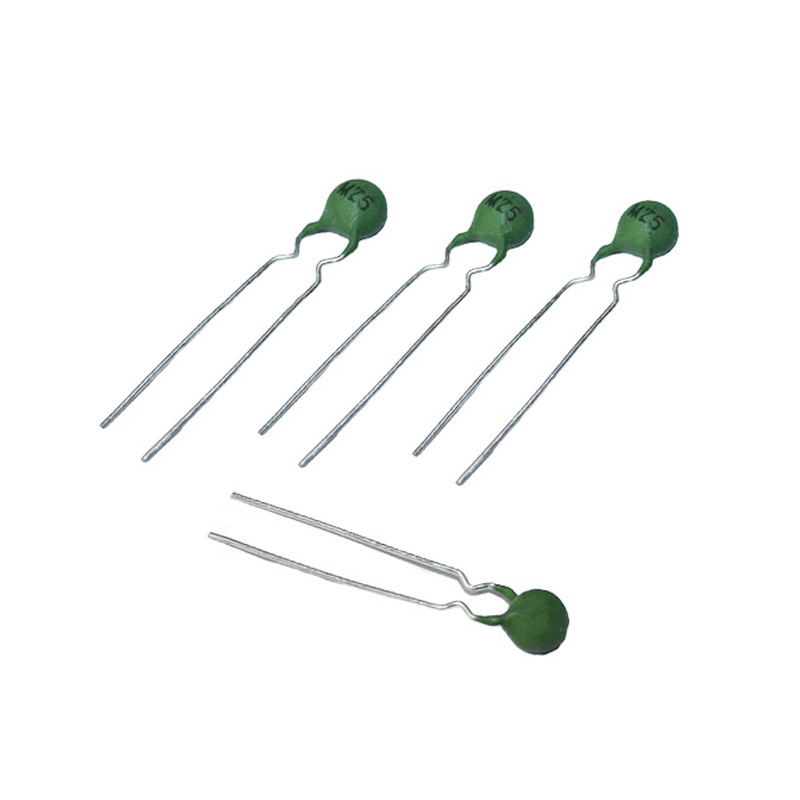
In the world of electronics, managing temperature is critical. Whether you're measuring a value or protecting a circuit, two components often come to the forefront: PTC and NTC thermistors. While they sound similar, their behavior is diametrically opposite, and choosing the wrong one can lead to project failure. This guide will break down their differences and help you select the perfect sensor for your application.
The Core Difference: A Tale of Two Coefficients
The key to understanding these components is in their names:
-
PTC (Positive Temperature Coefficient): The resistance increases as the temperature increases.
-
NTC (Negative Temperature Coefficient): The resistance decreases as the temperature increases.
This fundamental difference dictates their entire range of applications.
NTC Thermistors: The Precision Temperature Sensors
NTC thermistors are the go-to choice when you need to measure temperature accurately over a range.
How They Work:
Their resistance decreases predictably and non-linearly with an increase in temperature. This high sensitivity (large change in resistance per degree of temperature change) makes them excellent for detecting fine temperature variations.
Typical Applications:
-
Temperature Measurement: Digital thermometers, thermostats, and weather stations.
-
Temperature Compensation: Compensating for the effects of temperature drift in other circuits, like in oscillators or analog circuits.
-
Inrush Current Limiting (a special case): A cool NTC has high resistance, limiting inrush current. However, it stays hot during operation (low resistance), which wastes power and is not self-resetting like a PTC. This is best for low-power devices.
Advantages:
-
High sensitivity and fast response time.
-
Low cost and small size.
-
Wide operating temperature range.
Disadvantages:
-
Non-linear response (requires linearization in software or hardware).
-
Can self-heat, leading to measurement errors.
-
Not ideal for high-temperature protection due to their "fail-safe" low-resistance state.
PTC Thermistors: The Protectors and Switches
PTC thermistors are primarily used for protection, control, and self-regulating heating.
How They Work:
They have a relatively stable, low resistance until they hit a specific Curie point or switching temperature. At this point, their resistance increases dramatically. This sharp, non-linear "switch" is their superpower.
Typical Applications:
-
Overcurrent Protection: Resettable fuses (PPTC) in USB hubs, battery packs, and PCBs.
-
Inrush Current Limiting: Protecting power supplies and motors from startup surges.
-
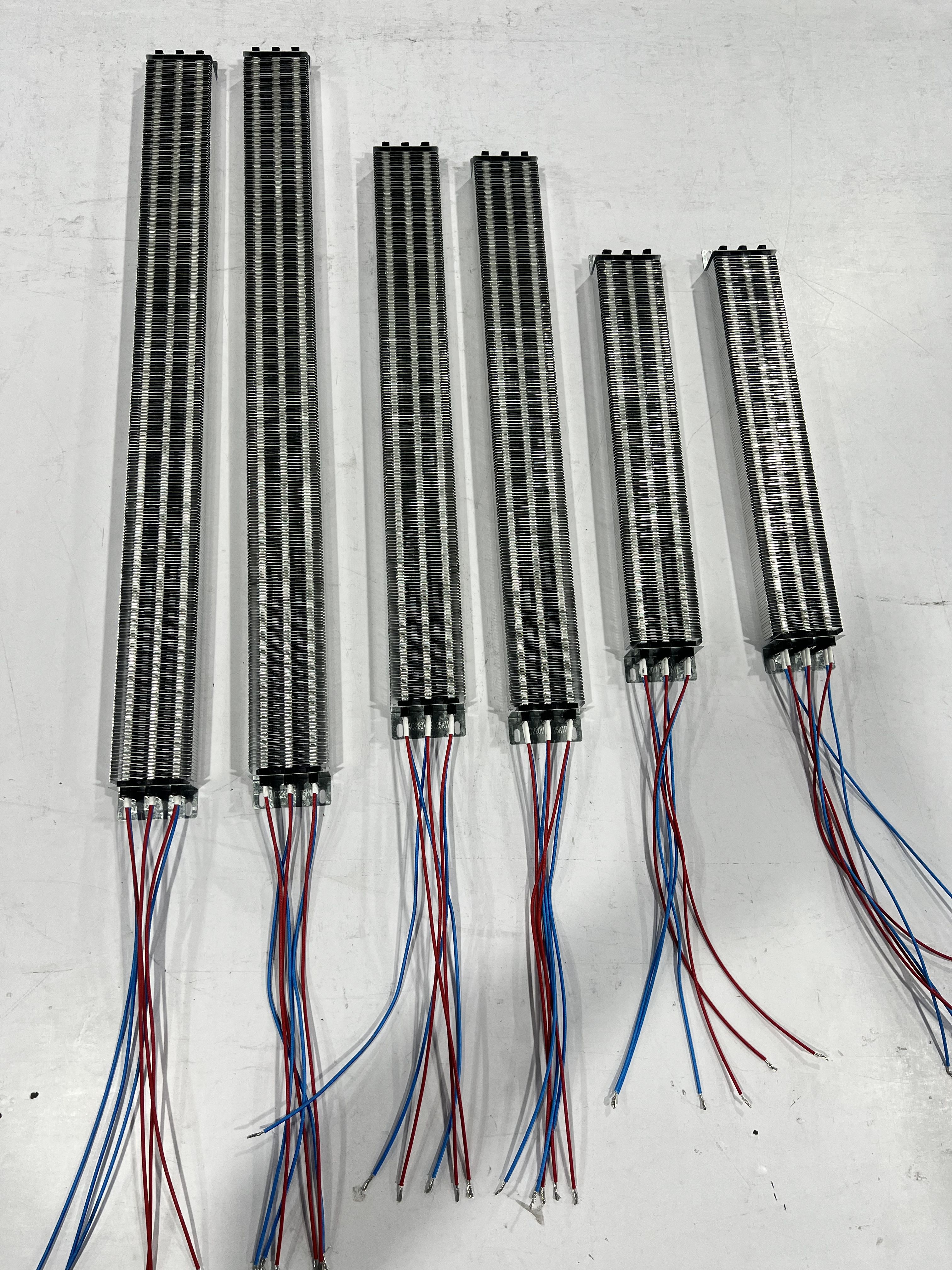
Self-Regulating Heaters: In car seat warmers, coffee makers, and air conditioners.
-
Motor Overload Protection: Embedded in motor windings to detect overheating.
Advantages:
-
Self-resetting after a fault condition clears and the component cools.
-
Excellent for circuit protection due to their "fail-open" high-resistance state.
-
Act as their own control system when used as heaters.
Disadvantages:
-
Not suitable for precise temperature measurement due to their sharp, non-linear switch.
-
The switching response is slower than an NTC's measurement response.
How to Choose: PTC vs. NTC
Use this simple decision matrix to guide your selection:
Choose an NTC Thermistor if:
-
Your goal is to measure temperature accurately over a continuous range.
-
You need to detect small changes in temperature.
-
Your application involves temperature compensation in a circuit.
-
Example: Designing a digital aquarium thermometer.
Choose a PTC Thermistor if:
-
Your goal is to protect a circuit from overcurrent or over-temperature events.
-
You need to limit inrush current in a powerful device.
-
You want to create a simple, self-regulating heating element.
-
You need a component that resets itself automatically.
-
Example: Protecting a drone's battery from a short circuit.
Conclusion
While both are thermistors, PTCs and NTCs are specialized tools for very different jobs. Remember this simple mantra: Use an NTC to measure temperature and a PTC to protect from temperature and current.
Understanding their distinct characteristics is the key to leveraging their strengths. By carefully considering whether your project demands precise measurement or robust protection, you can confidently select the right component to ensure its success, reliability, and safety.