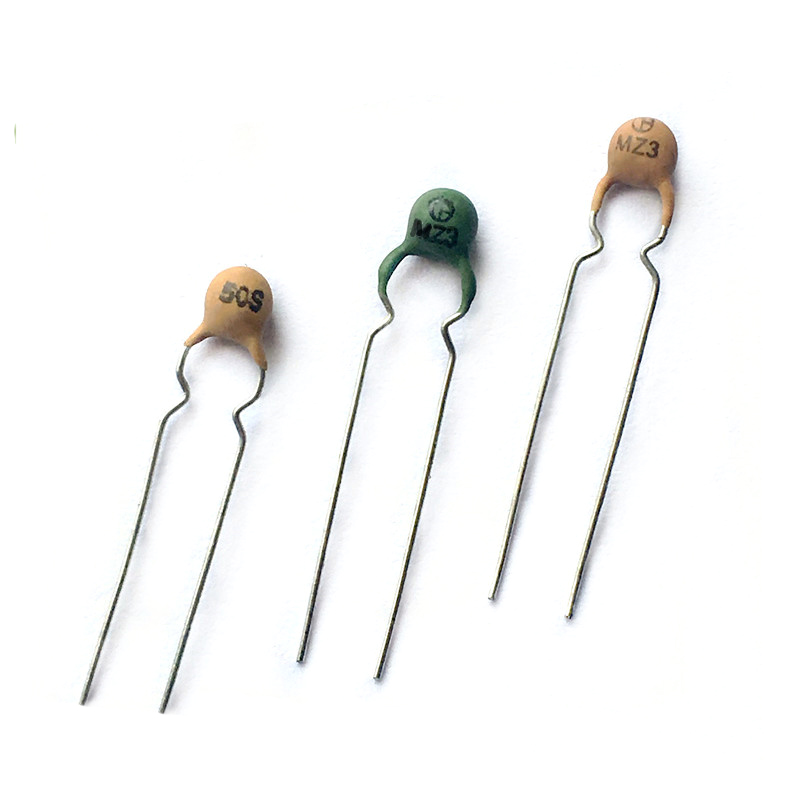
Welcome to the fascinating world of electronics, where tiny components perform incredible feats of protection and control. Today, we're diving into one of the most useful yet often overlooked components: the PTC Thermistor. If you've ever wondered how your electronics protect themselves from frying or how a fancy coffee warmer stays at the perfect temperature, you're about to find out.
Let's break down exactly what that name means.
-
PTC: Stands for Positive Temperature Coefficient. This is the core of its behavior.
-
Thermistor: A portmanteau of Thermally sensitive resistor.
So, a PTC thermistor is simply a resistor that changes its electrical resistance based on temperature, and specifically, its resistance increases as the temperature increases. This positive relationship is the key to its superpowers.
How Does a PTC Thermistor Work?
Imagine a valve in a water pipe. Normally, the valve is wide open, allowing water to flow freely (low resistance). But if the water gets too hot, the valve automatically begins to close, restricting the flow (high resistance).
A PTC thermistor acts in a very similar way for electrical current.
-
At Low/Normal Temperature: The thermistor has a low resistance. It allows current to flow through a circuit with little opposition.
-
When Temperature Rises: As the temperature increases (either from the surrounding environment or from excessive current flowing through it, which generates heat), the resistance of the PTC thermistor increases dramatically.
-
The "Trip" or "Curie" Point: There is a specific temperature, often called the switching temperature or Curie point, where this change becomes very sharp and non-linear. The resistance can jump by several orders of magnitude in a very small temperature window.
-
The Effect: This massive increase in resistance drastically reduces the current flowing through the circuit, effectively shutting it down and protecting the components downstream.
This behavior is the opposite of its cousin, the NTC (Negative Temperature Coefficient) thermistor, whose resistance decreases as temperature rises. They are used for different jobs!
The Two Main Types of PTC Thermistors
Not all PTCs are created equal. They are typically made from two different materials:
-
Ceramic PTCs (e.g., Barium Titanate): These are the most common type. They exhibit a very sharp, dramatic increase in resistance at their Curie point. This makes them perfect for protection and switching applications, like resettable fuses and motor starters.
-
Polymer PTCs (PPTC): These are often marketed as resettable fuses or polyfuses. They have a more gradual resistance curve. When a large overcurrent event happens, they heat up quickly and "trip" into a high-resistance state. Once the power is removed and they cool down, they reset automatically, which is their biggest advantage over one-time-use fuses.
Where Are PTC Thermistors Used?
You'll find these tiny guardians working hard in countless devices:
-
Inrush Current Limiting: The biggest surge of current many devices see is the moment they are turned on. A PTC thermistor softens this startup surge to protect capacitors, transformers, and other delicate parts. (Common in power supplies).
-
Overcurrent Protection: As a resettable fuse, they protect USB ports, battery packs, and speakers from short circuits and overloads.
-
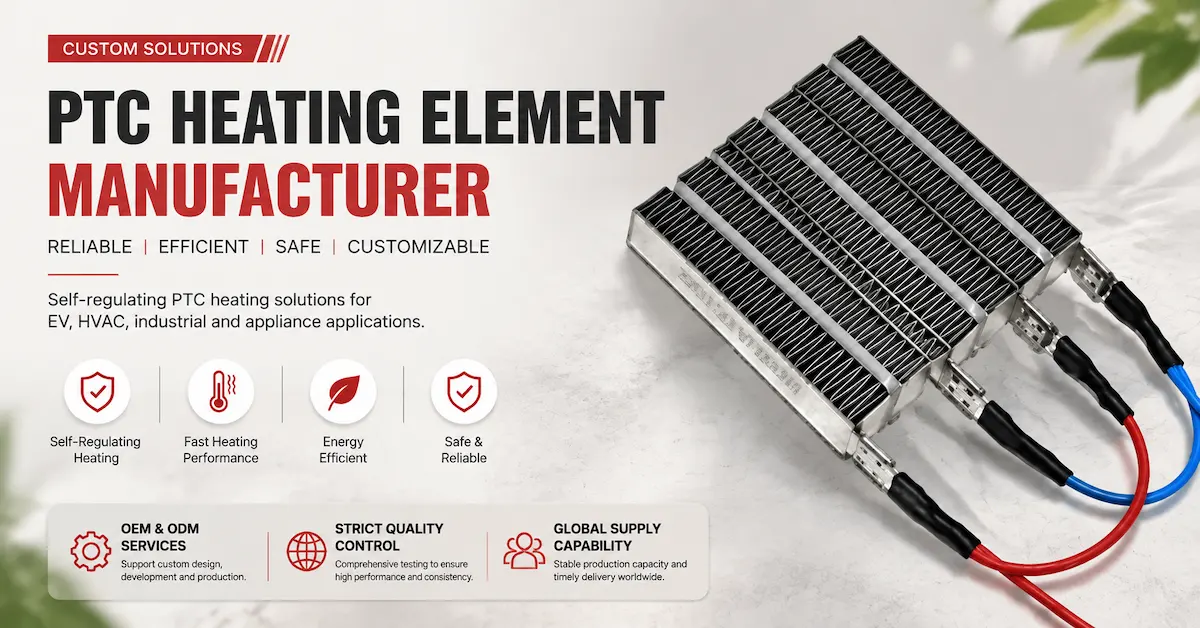
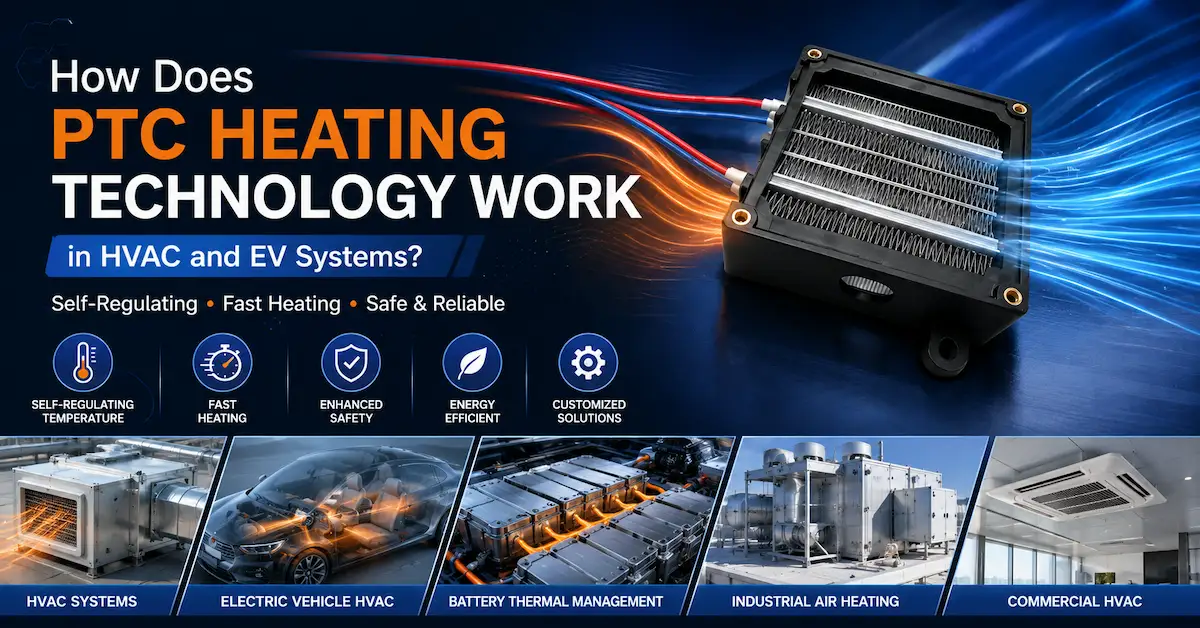
Self-Regulating Heaters: Their properties make them perfect heaters. As they get hot, their resistance goes up, which limits the power and prevents them from overheating. Used in car seat warmers, aquarium heaters, and coffee makers.
-
Motor Overload Protection: Embedded in motor windings, they can detect overheating and cut power to prevent the motor from burning out.
Why Use a PTC Thermistor?
-
Self-Resetting: No need to replace a fuse after a fault is cleared. Just turn the device off and on again.
-
Highly Reliable: Solid-state with no moving parts to wear out.
-
Compact and Cost-Effective: A very cheap insurance policy for expensive electronics.
Conclusion
PTC thermistors are elegant examples of smart material science solving complex electrical problems. They are the silent, self-resetting guardians of the electronic world, seamlessly protecting our devices from harm. By understanding their positive temperature coefficient behavior, you can start to see how they enable safer, more reliable, and more efficient designs in virtually every piece of modern technology.