Dongguan Tianrui Electronics Co., Ltd.
Dongguan Tianrui Electronics Co., Ltd. logo
Beyond Self-Regulating: What Other Unexpected Advantages Do PTC Heaters Offer?

Beyond Self-Regulating: What Other Unexpected Advantages Do PTC Heaters Offer?

PTC Heater
Sep 16, 2025Posted by Dongguan Tianrui Electronics Co., Ltd.

Everyone knows the headline act: PTC (Positive Temperature Coefficient) heating elements are the champions of self-regulating, fail-safe heat. Their ability to prevent overheating is revolutionary. But if you think that's all they have to offer, you're missing the full picture. This ingenious technology brings a host of other surprising benefits to the table that can elevate your product design, simplify engineering, and boost reliability.

Here are the top unexpected advantages of PTC heaters that might just change how you think about thermal solutions.

1. Remarkably Long Lifespan

Why it's unexpected: We often assume that smarter technology is more fragile. PTC heaters defy this.

  • The Reason: Traditional wires degrade because of constant, extreme thermal cycling (repeatedly heating to red-hot and cooling down). This causes oxidation and embrittlement. A PTC element avoids this entirely. It operates at a stable, lower temperature without severe cycling. The absence of this stress dramatically reduces material degradation.

  • The Benefit: Products enjoy a vastly longer operational life with reduced failure rates and warranty claims.

2. High Power Density & Compact Size

Why it's unexpected: Such a powerful and smart component can be incredibly thin and space-efficient.

  • The Reason: PTC ceramics can generate a lot of heat in a very small volume. They can be manufactured as incredibly thin sheets or small, compact modules.

  • The Benefit: Engineers can design slimmer, more minimalist products. This is a huge advantage in modern consumer electronics, appliances, and automotive applications where space is at a premium.

3. Minimal Electromagnetic Interference (EMF)

Why it's unexpected: Heating elements aren't usually associated with "clean" power.

  • The Reason: Unlike traditional resistance wires that are switched on and off rapidly by a triac or SSR (causing significant electrical noise), a PTC heater operates on a smooth, analog principle. Once it stabilizes, it draws a steady, low current.

  • The Benefit: This makes them ideal for use in sensitive electronic environments. You won't have to worry about your heater interfering with nearby sensors, communication circuits, or audio equipment.

4. Inherent Current Limiting

Why it's unexpected: It's a heater that also acts like a fuse.

  • The Reason: The same high-resistance state that limits temperature also limits current. If a fault condition causes an abnormal voltage spike, the PTC element's resistance will rise, naturally limiting the current draw and protecting both itself and the power supply.

  • The Benefit: This adds an extra layer of system protection without the need for additional current-limiting circuitry.

5. Excellent Uniformity & Stability

Why it's unexpected: They provide consistent, even heat without hot spots.

  • The Reason: A well-designed PTC heater, especially in a flexible silicone rubber format, acts as a large, uniform heating surface. The self-regulating property works across the entire surface, preventing localized overheating.

  • The Benefit: This ensures the target object (like a battery pack or a liquid chamber) is heated evenly, which is critical for performance and safety. It eliminates the risk of damaging sensitive components with hot spots.

Conclusion: More Than Just a One-Trick Pony

While the "self-control" of PTC technology rightfully grabs the spotlight, its supporting cast of features is just as impressive. From enabling sleek designs and lasting a lifetime to playing nicely with other electronics, the advantages of PTC heaters extend far beyond basic temperature control.

When you choose a PTC element, you're not just buying a heater; you're integrating a multi-functional, intelligent thermal system that solves numerous design challenges simultaneously. It’s this combination of unexpected benefits that truly makes it a superior choice for innovative engineering.

Featured Blogs

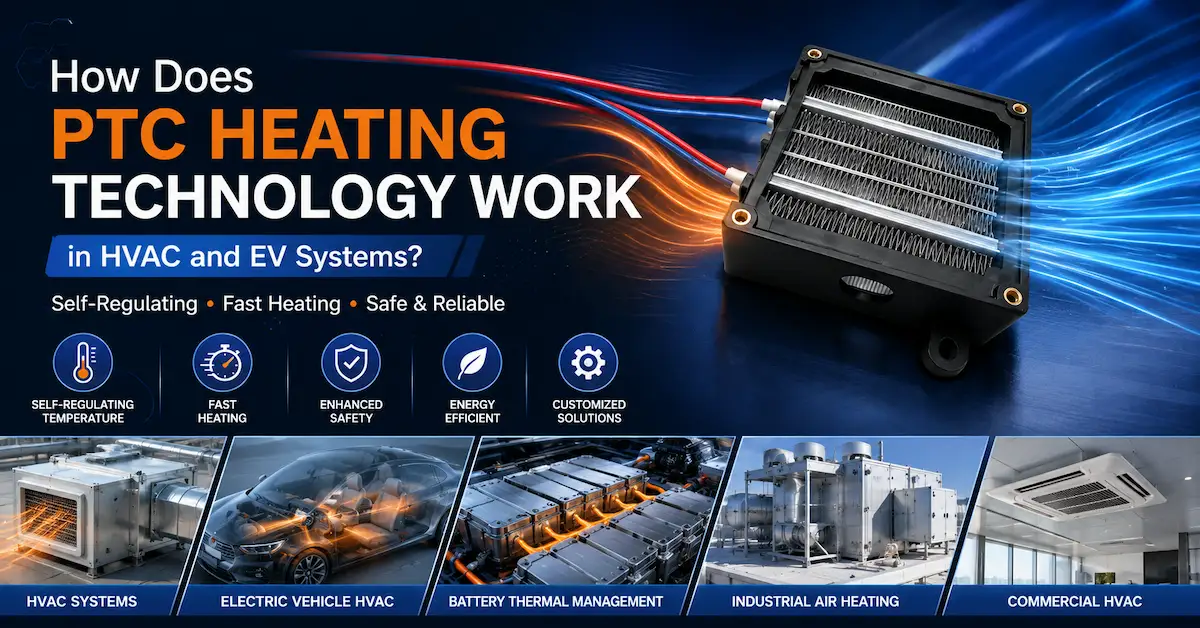
PTC Heater for HVAC System: Working Principle, Applications and Selection Guide

PTC Heater for HVAC System: Working Principle, Applications and Selection Guide

PTC heaters for HVAC systems provide efficient and reliable heating solutions for automotive, industrial and commercial applications. This guide explains how PTC heaters work, their advantages, applications and how to select a suitable supplier for customized HVAC heating requirements.

Read More
PTC Heater for Electric Vehicle: How to Choose the Right EV Heating Solution

PTC Heater for Electric Vehicle: How to Choose the Right EV Heating Solution

PTC heaters for electric vehicles provide efficient cabin heating and battery thermal management solutions in cold environments. This guide explains how EV manufacturers can select suitable PTC heaters based on heating performance, safety, energy efficiency, customization and supplier capability.

Read More
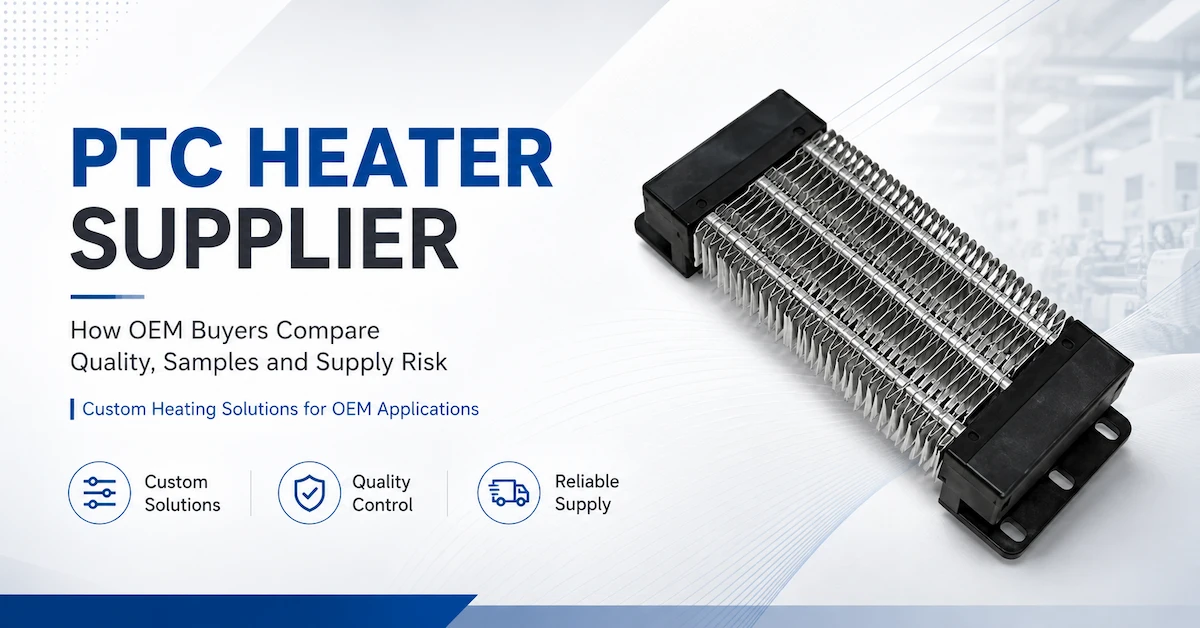
PTC Heater Supplier Guide: How OEM Buyers Compare Quality, Samples and Supply Risk

PTC Heater Supplier Guide: How OEM Buyers Compare Quality, Samples and Supply Risk

Choosing a PTC Heater Supplier involves more than comparing wattage and unit price. This guide helps OEM buyers evaluate technical support, customization, sample testing, quality control, quotations, lead time and long-term supply reliability before approving a heating partner.

Read More
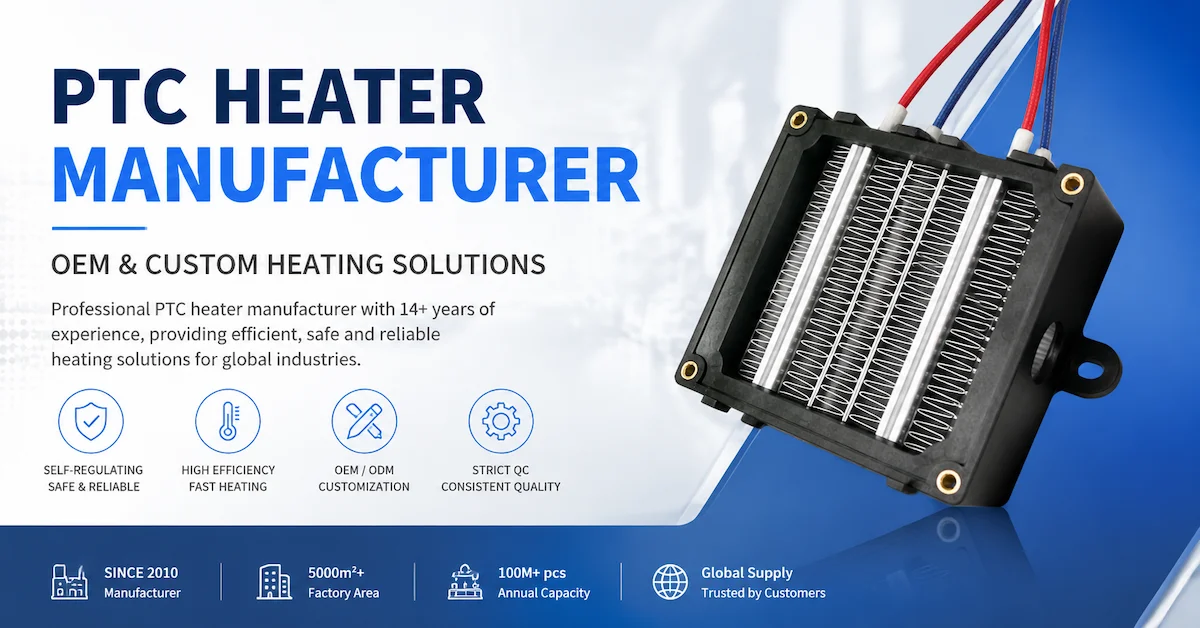
PTC Heater Manufacturer: How to Choose the Right OEM Partner

PTC Heater Manufacturer: How to Choose the Right OEM Partner

Choosing the right PTC heater manufacturer requires more than comparing price and wattage. This guide explains how OEM buyers can evaluate engineering capability, customization, sample testing, quality control, production consistency, cost, and RFQ requirements before selecting a long-term supplier.

Read More
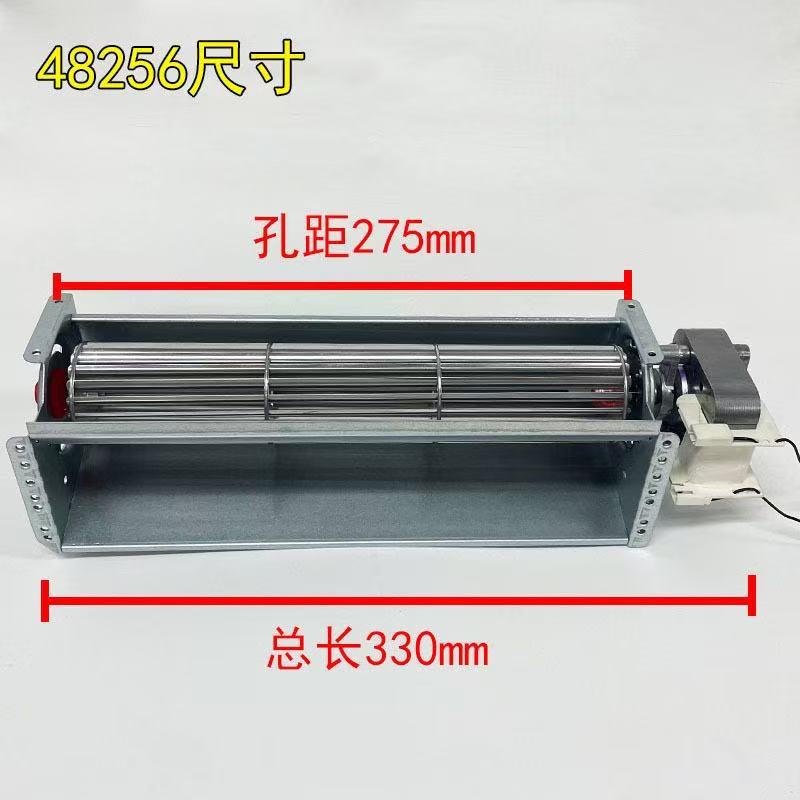
48256 Cross Flow Fan: The Ultimate Guide to Efficient, Low-Noise Airflow

48256 Cross Flow Fan: The Ultimate Guide to Efficient, Low-Noise Airflow

When it comes to moving air efficiently in tight spaces, few solutions match the performance of a cross flow fan (tangential fan). The 48256 model shown in the image is a prime example of this engineering marvel, designed to deliver consistent, low-noise airflow for a wide range of heating, ventilation, and industrial applications. Let’s break down what makes this fan such a versatile and reliable choice.

Read More
Why Our PTC Air Heaters Are the Smart, Safe Choice for Modern Air Heating

Why Our PTC Air Heaters Are the Smart, Safe Choice for Modern Air Heating

If you’ve ever dealt with unreliable heating elements, energy waste, or safety concerns in your air heating systems, it’s time to meet the solution: PTC (Positive Temperature Coefficient) air heaters. These compact, powerful modules are more than just heating components—they’re engineered to deliver consistent, safe, and efficient heat across countless applications, and our line of customizable models (as seen in the image) is built to exceed expectations.

Read More
The Complete Guide to PTC Fan Heaters for Industrial Cabinet Protection

The Complete Guide to PTC Fan Heaters for Industrial Cabinet Protection

Industrial automation relies on sensitive electronics housed within control cabinets, but these enclosures face a constant threat: temperature fluctuations. Condensation in humid conditions, freezing in cold climates, and component stress from temperature swings can lead to malfunctions, downtime, and costly repairs. To solve this, engineers are increasingly turning to integrated PTC Fan Heaters – a robust, intelligent solution designed for reliability. Available in key power ratings like 150W, 300W, 400W, and 600W, these units are the guardians of critical electrical systems.

Read More
The Smart Way to Heat Liquids: A Guide to PTC Immersion Heating Rods

The Smart Way to Heat Liquids: A Guide to PTC Immersion Heating Rods

When your application requires precise and reliable heating of a liquid—whether it's water in a tank, oil in a reservoir, or a chemical in a process bath—the heating element you choose is critical. Enter the Immersion Water Heater Element with PTC (Positive Temperature Coefficient) technology. This isn't your standard heating coil; it's an intelligent, self-regulating solution that offers superior safety and efficiency. Let's dive into what makes these tubular heating rods a game-changer for liquid temperature control.

Read More