


Descriptions
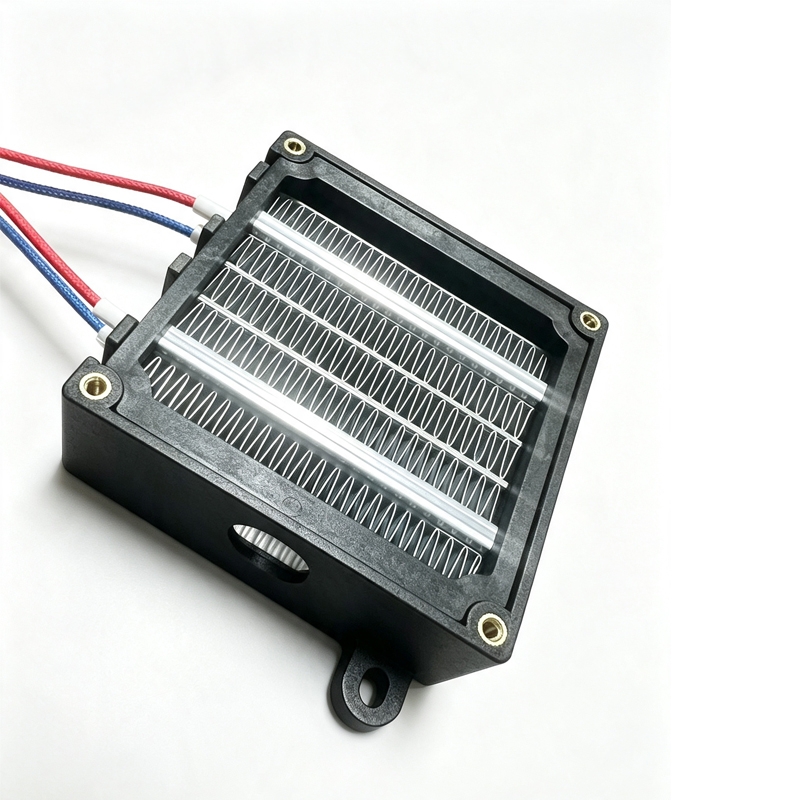
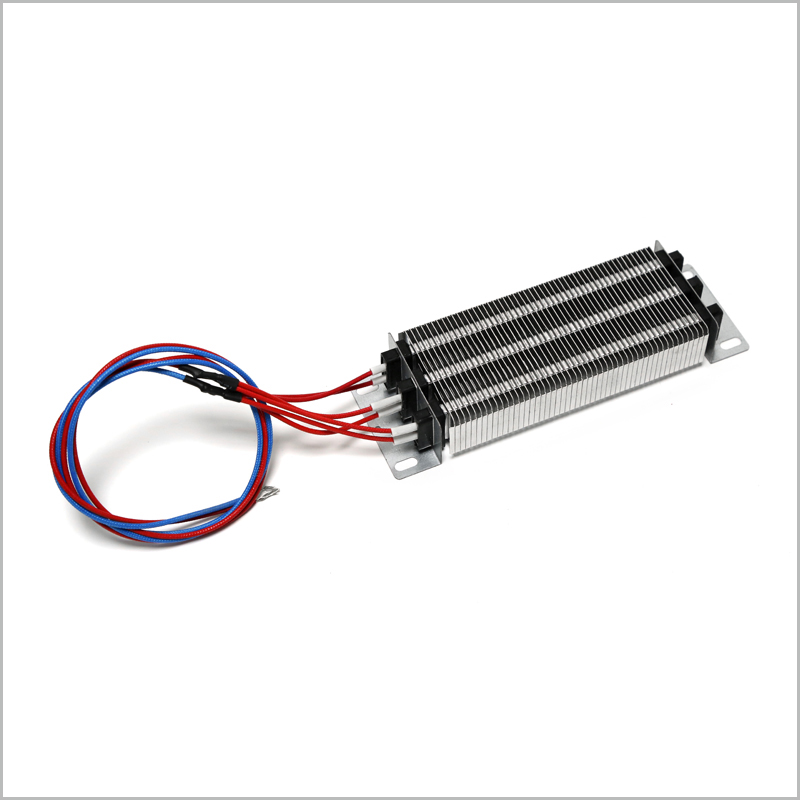
In electric vehicles (EVs), the PTC (Positive Temperature Coefficient) heater is a critical component that replaces the traditional heating core reliant on engine waste heat. As EVs lack a conventional engine as a heat source, PTC heaters provide the primary solution for cabin heating, windshield defogging, and battery thermal management in cold climates. It operates as a resistive heating element, where its core ceramic material exhibits a sharp increase in electrical resistance upon reaching a specific temperature, enabling self-regulating heat generation.
Specification
| Heating Power | Power Consumption | Operating Current | Peak Current | Air Outlet Temperature |
| 400W | 280W | 5A | 9A | 50℃ |
| 600W | 480W | 8A | 12A | 55℃ |
| 800W | 600W | 10A | 15A | 60℃ |
The above parameters were measured with a reference voltage of 60V; the operating current will change as the operating voltage changes.
Product Show

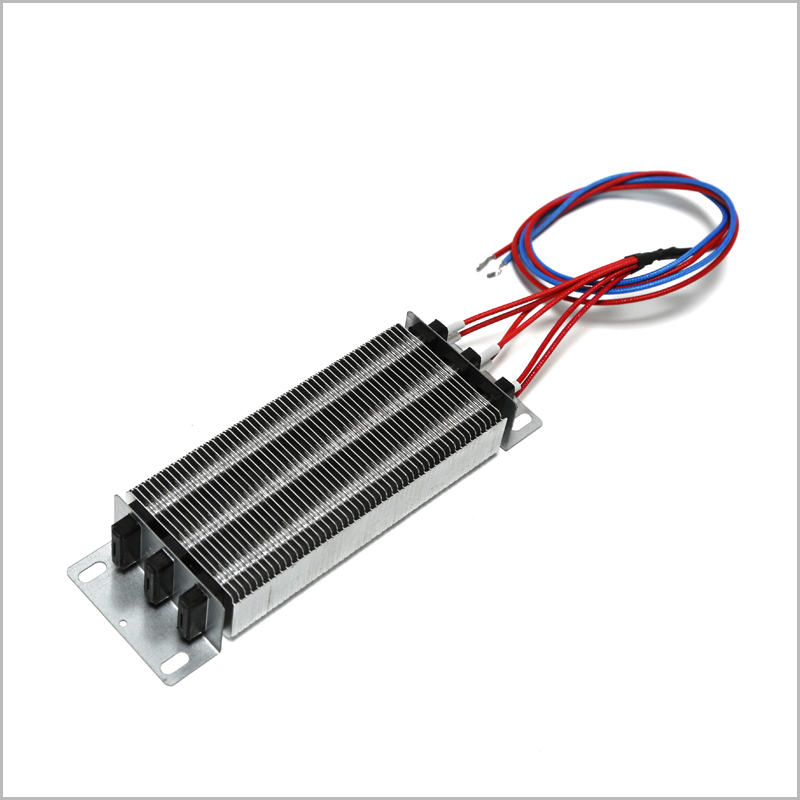
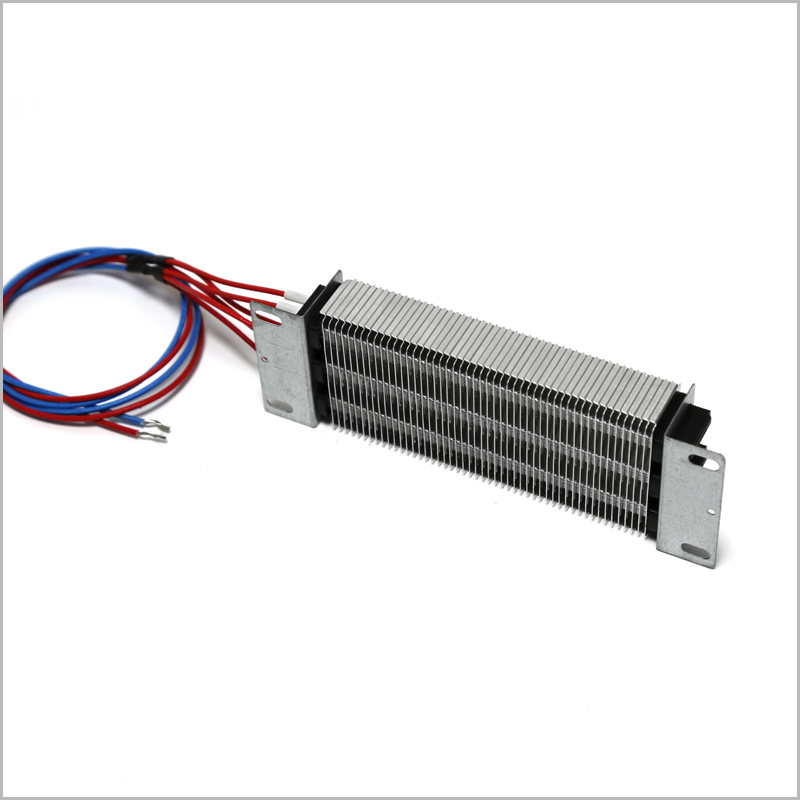
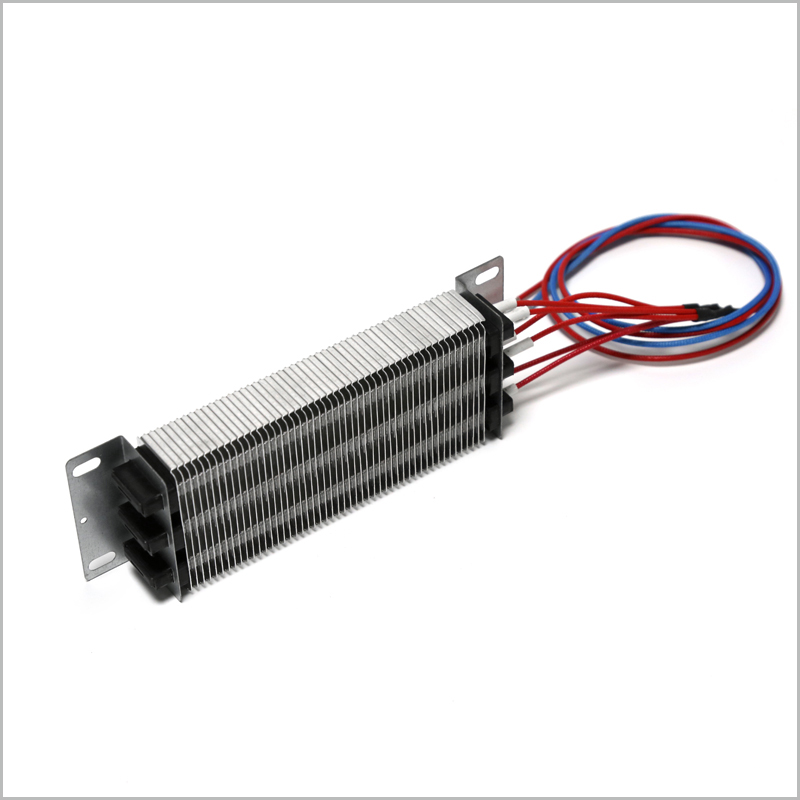
Features
-
Self-Regulating & Safe: Its core feature is the positive temperature coefficient effect. As the ceramic element heats up to its designed Curie point, its resistance rises dramatically, automatically reducing power input and stabilizing temperature. This intrinsic property prevents overheating, making it exceptionally safe without requiring complex external safety cut-offs.
-
High Efficiency & Rapid Response: It converts electrical energy directly into heat with very high efficiency (>95%). Modern PTC heaters can deliver warm air almost instantly upon activation, addressing the immediate need for cabin warmth without the "cold start" delay of engine-based systems.
-
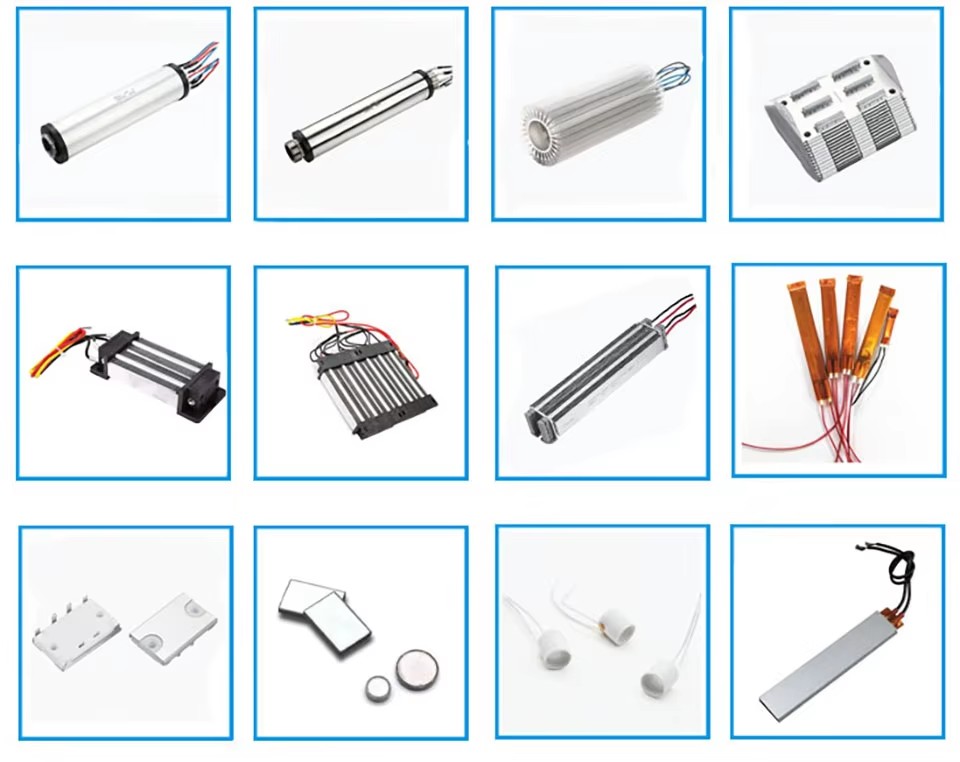
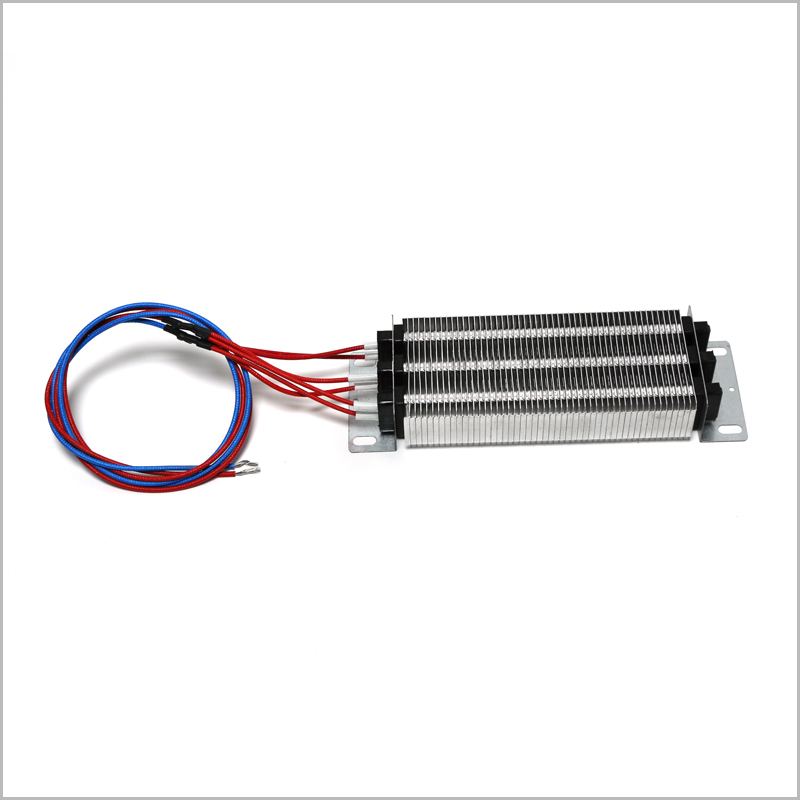
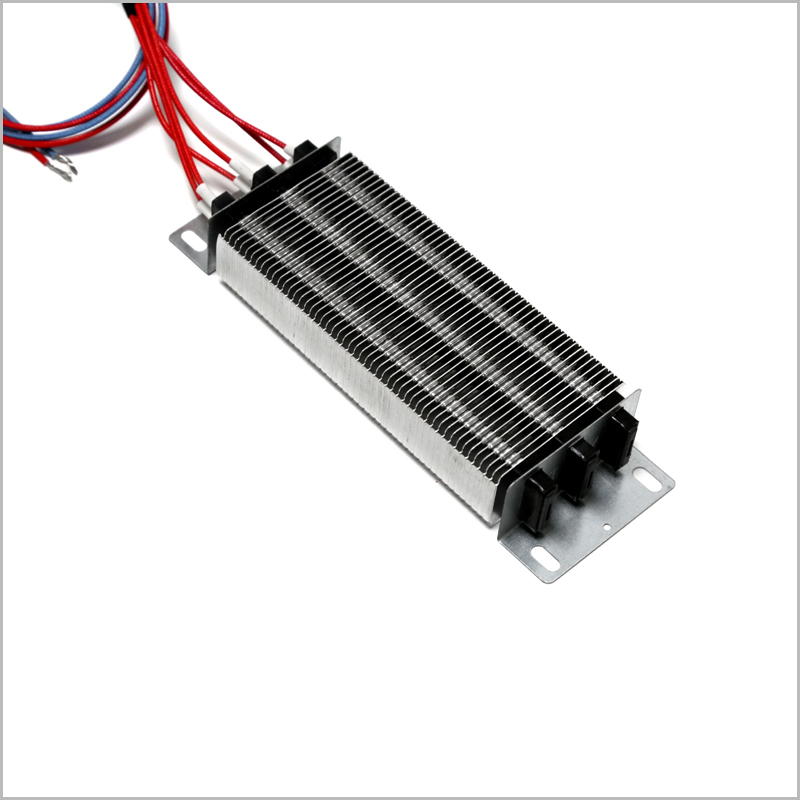
Compact and Modular Design: PTC heating cores are typically compact, consisting of multiple PTC ceramic chips attached to aluminum fins for optimal heat exchange. This modular design allows for flexible integration into the vehicle's HVAC (Heating, Ventilation, and Air Conditioning) unit and enables scalable power output.
-
Integrated Thermal Management: Beyond cabin comfort, advanced PTC systems are integral to the vehicle's holistic thermal management. They can provide precise, controlled heat to precondition the high-voltage battery pack at optimal operating temperatures, which is crucial for maintaining driving range, charging speed, and long-term battery health in winter.

Application
-
Cabin Air Heating: The main application is to heat the air blown into the passenger compartment. A blower fan forces air across the hot fins of the PTC heater core, providing warm air for climate control and critical safety functions like windshield and side-window defogging and de-icing.
-
Battery Thermal Management: This is a vital application for EV performance. A dedicated PTC heater (often in a liquid-cooled format where it heats a glycol coolant loop) is used to warm the battery pack in low-temperature conditions. Pre-heating the battery before driving or fast charging improves efficiency, protects battery life, and ensures full power availability.
-
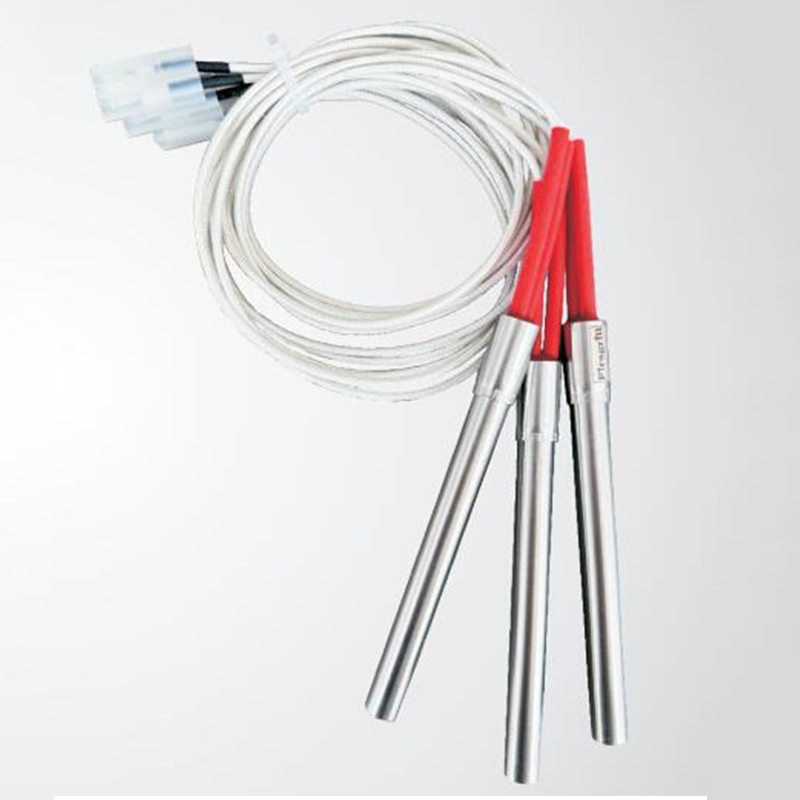
Component and Fluid Heating: PTC elements can be designed as instantaneous water heaters to provide hot coolant for a cabin heater core in a more integrated liquid heating system. They may also be used in smaller applications, such as heating steering wheels, seats (as a supplement to resistive elements), or even for warming critical sensors like LiDAR and cameras.
In summary, the PTC heater is not merely a comfort component but an essential, intelligent, and multifunctional system in electric vehicles. It ensures passenger comfort, driving safety, and the efficient operation of the high-voltage battery, all while embodying the principles of safety and precise thermal control inherent to EV design.
More Products for Options