Dongguan Tianrui Electronics Co., Ltd.
Dongguan Tianrui Electronics Co., Ltd. logo


Description
Privacy Policy
Reviews

Application


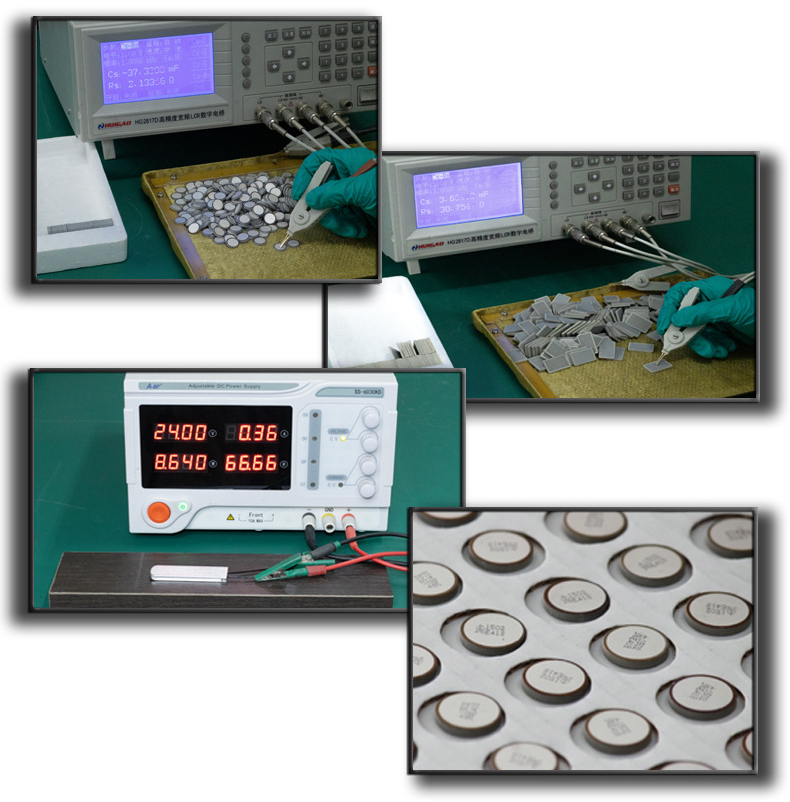
Finally focused on the industry for many years, research and development and production, reliable quality, trustworthy
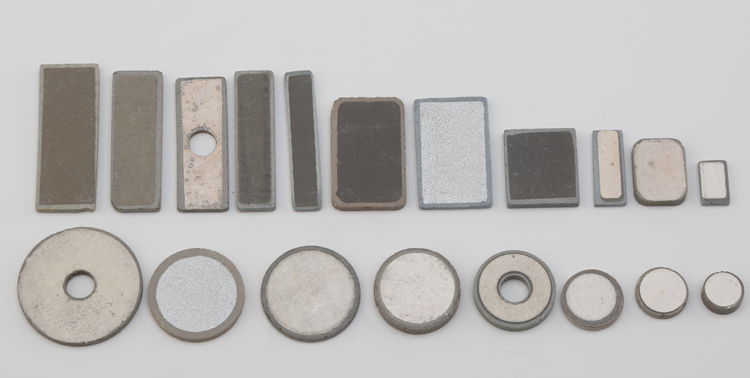
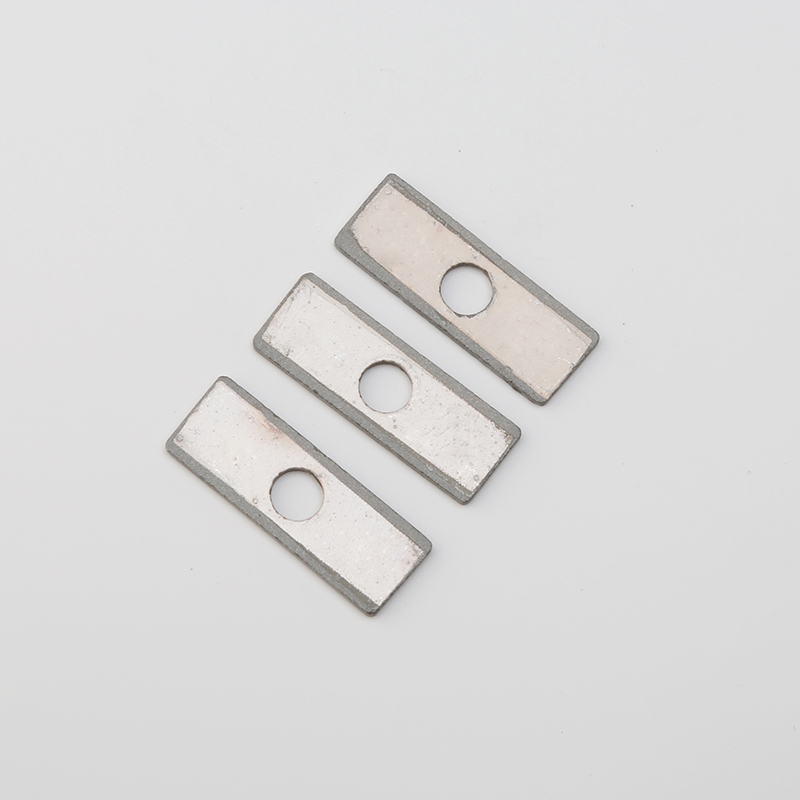
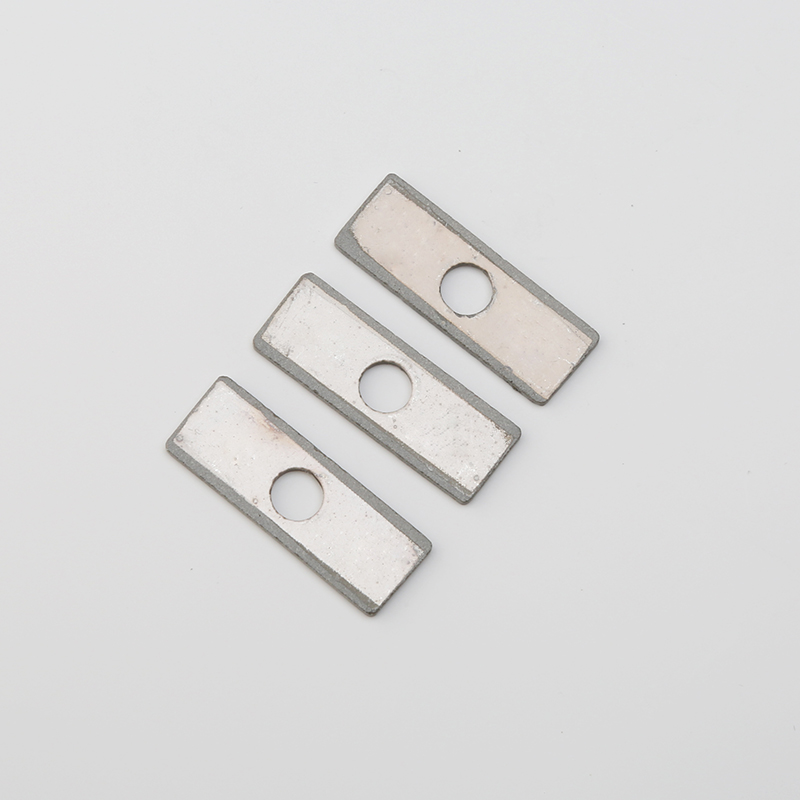
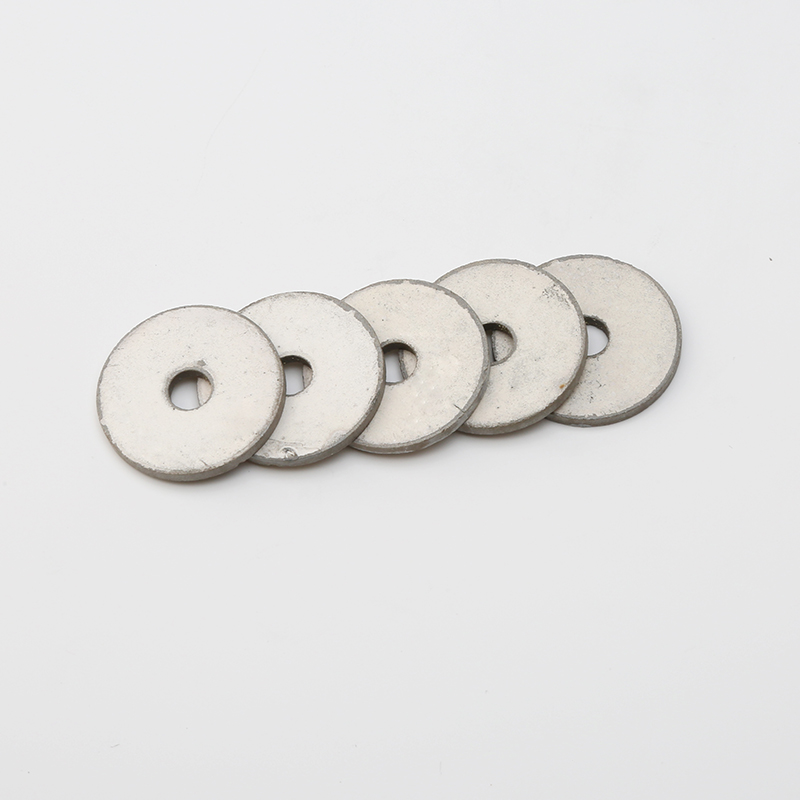
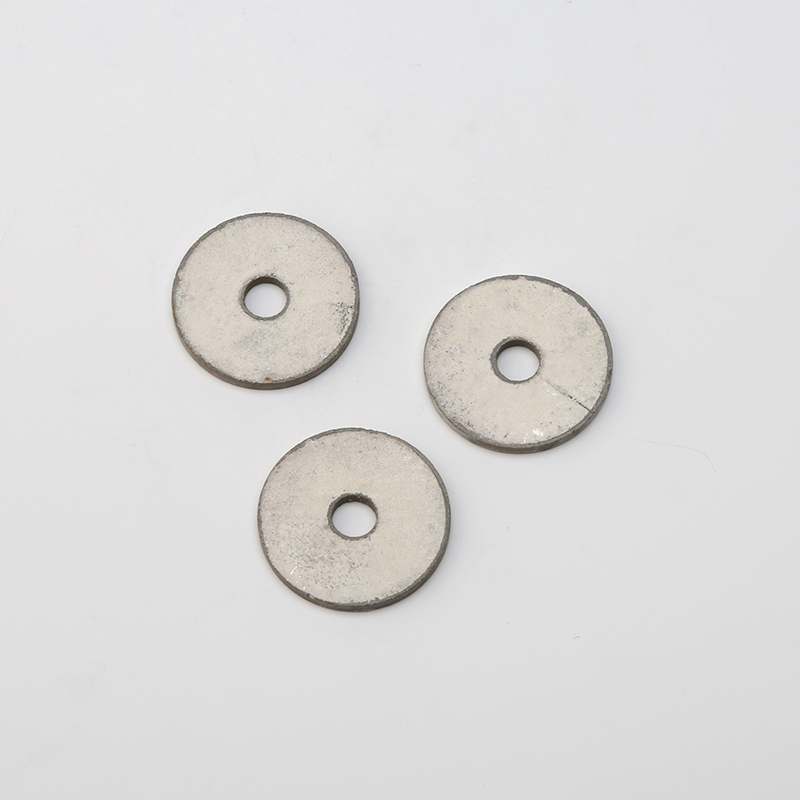
Beauty and hair salon industry products: hair straighteners, curlers, hairpins, electric tongs, electric rods, electric irons, massagers and other small household appliance industries: air heaters, clothes dryers, air conditioners, kettles, milk warmers, coffee pots, egg boiling machines, steaming machines, yogurt machines and other automotive industries: air heating, battery insulation, car-mounted air heaters, charging, chassis cabinets and other industries will use PTC heating plates.
People who viewed this also viewed

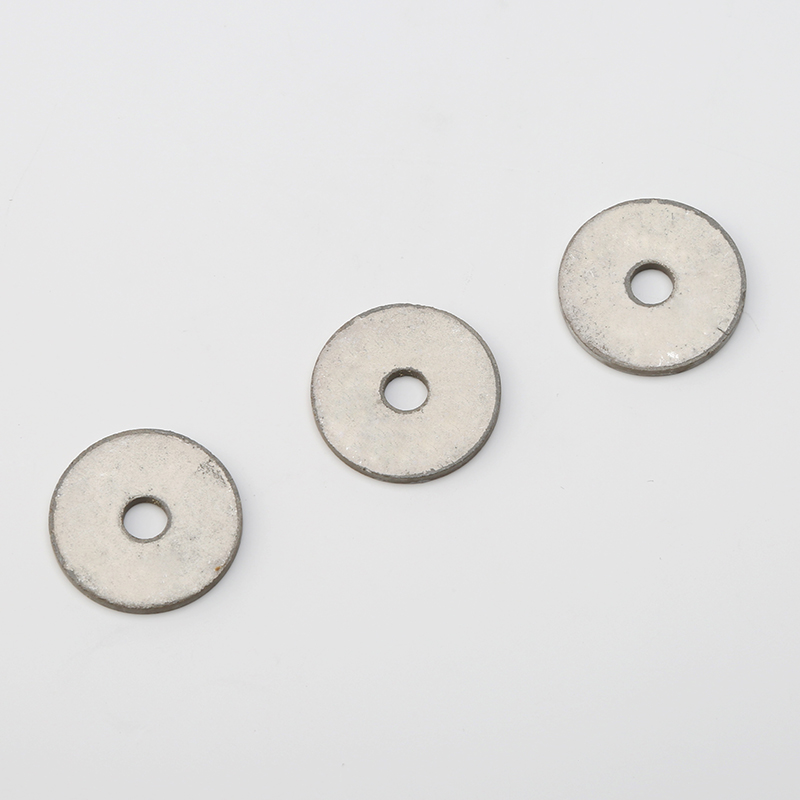
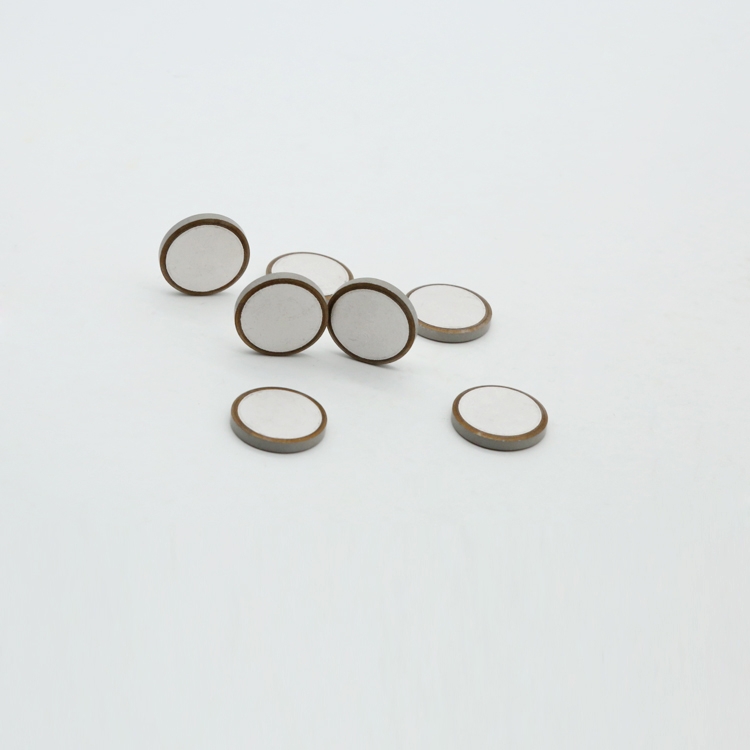
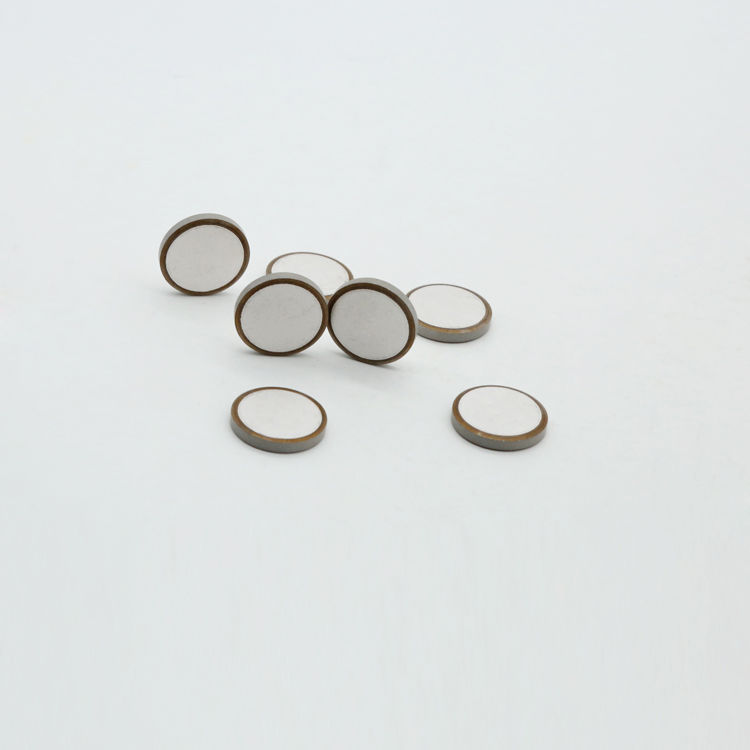
Round Ceramic PTC Stone heating element

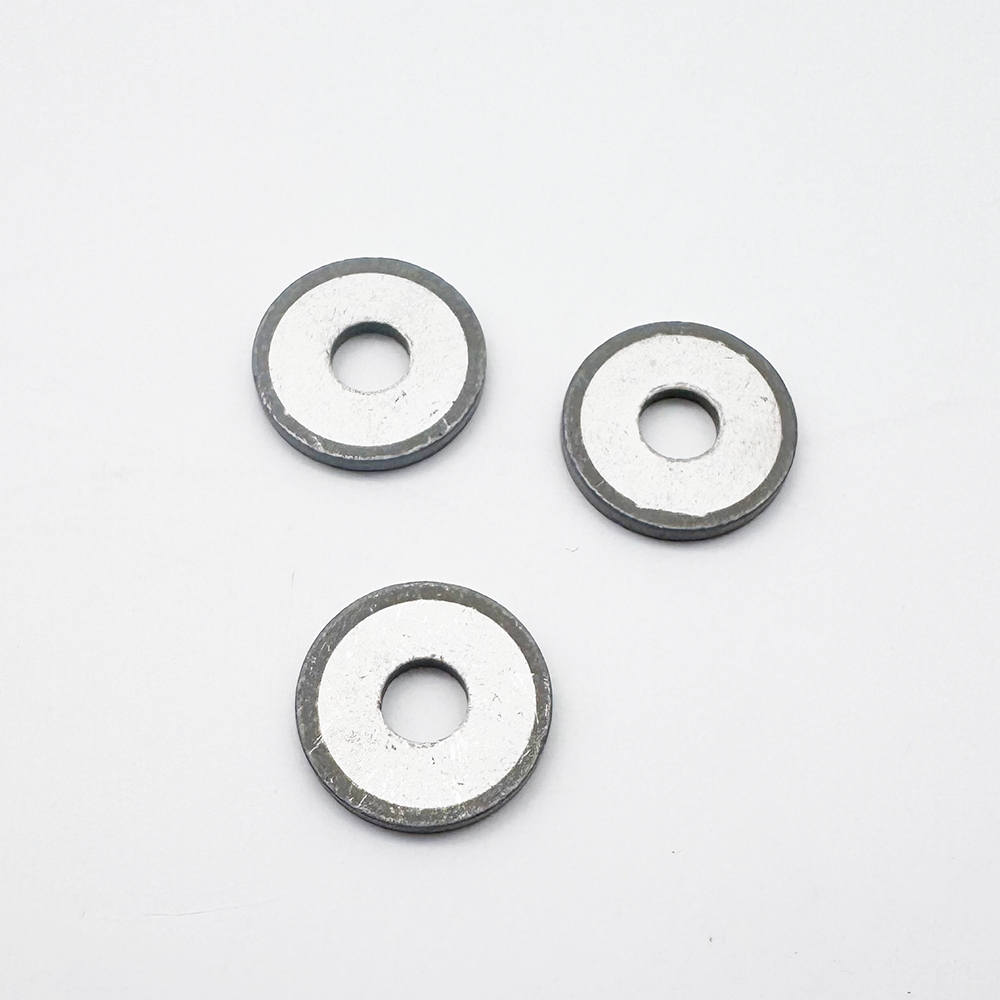
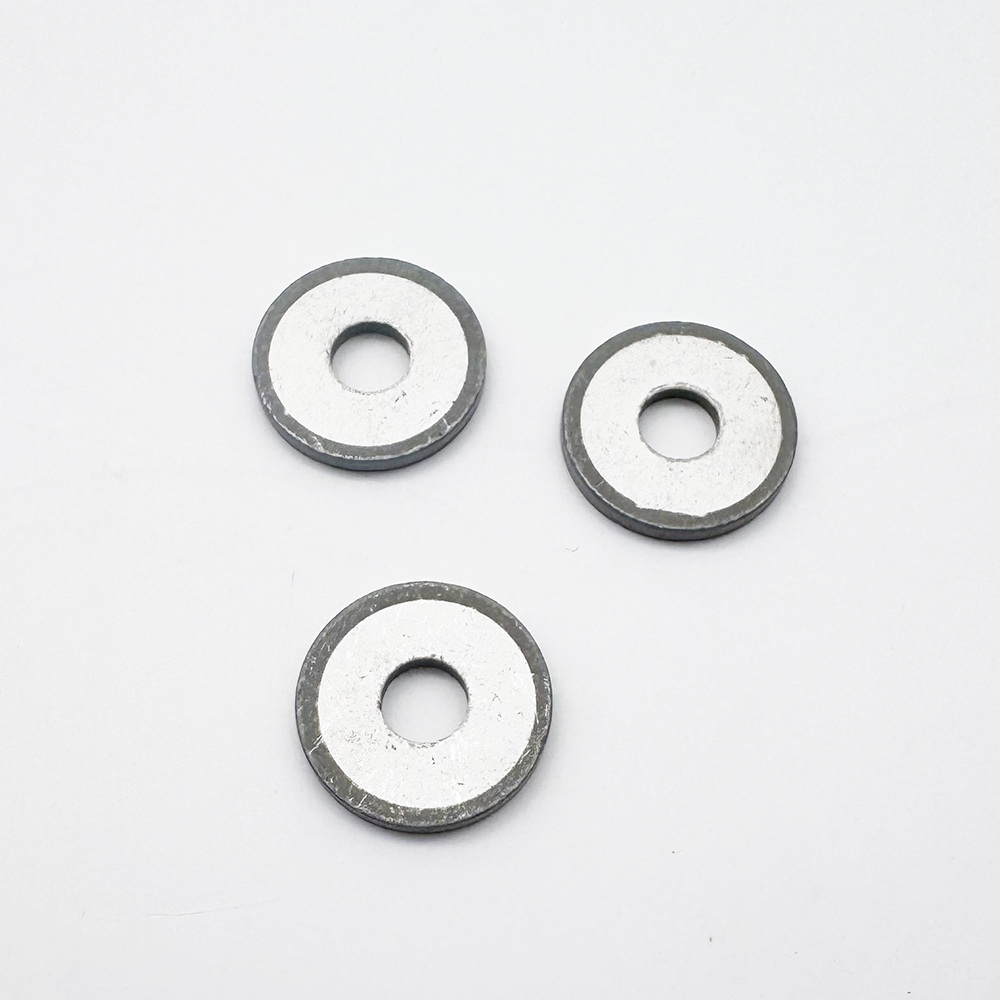
PTC heating elements are electric heating elements made of positive temperature coefficient (PTC) ceramic material. Their core features include automatic temperature regulation and over-temperature protection: At low temperatures, their resistance is low, allowing them to rapidly heat up upon power application. When the temperature reaches a specific critical point (the Curie temperature), their resistance increases dramatically, automatically reducing power consumption to avoid overheating. This adaptive feature ensures high safety and energy savings, enabling stable temperature control without the need for additional temperature control devices.

They are widely used in home appliances (such as air conditioning auxiliary heating and heaters), automotive electronics (seat heating and battery preheating), medical equipment, and industrial applications. Their compact design, long lifespan, and lack of open flames make them key components in modern intelligent thermal management solutions.

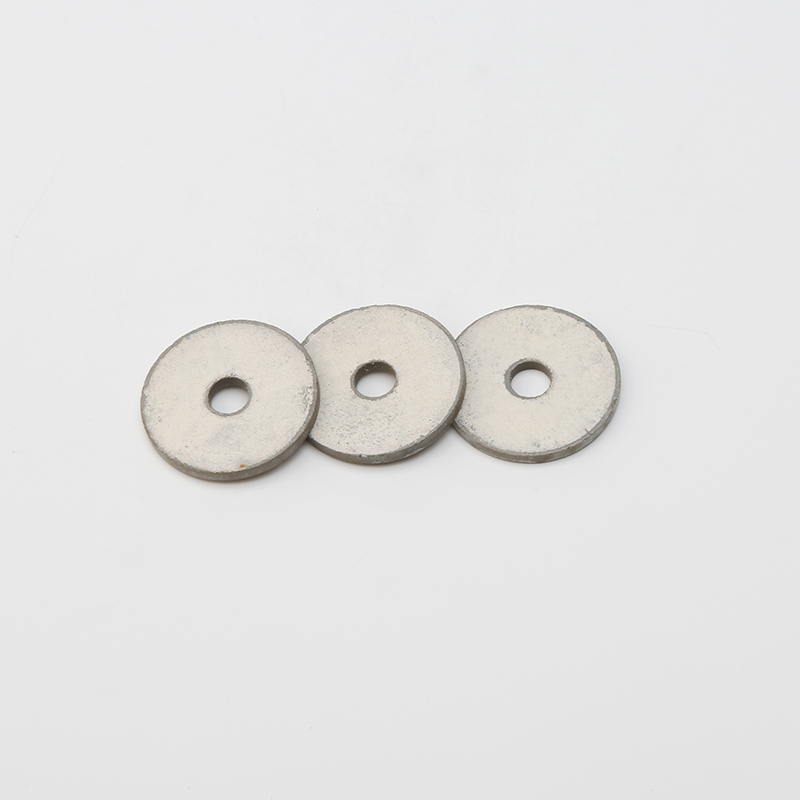
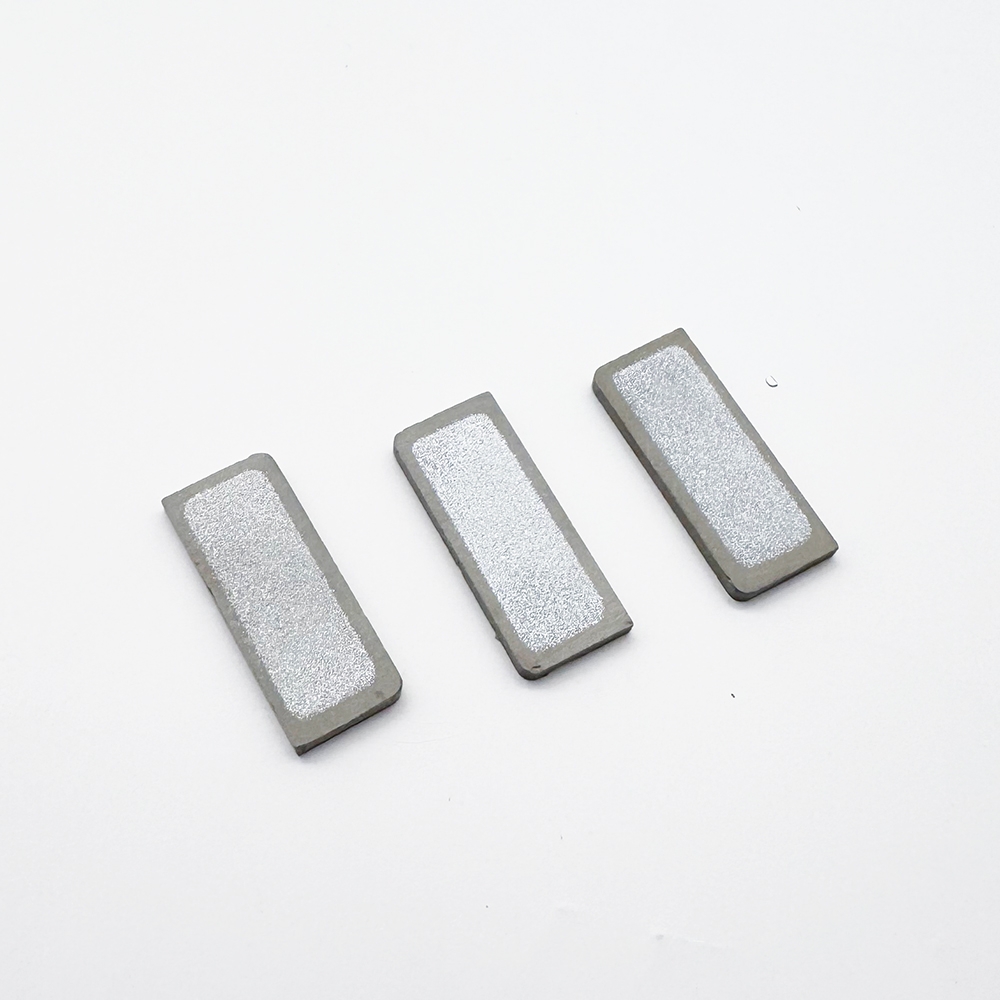
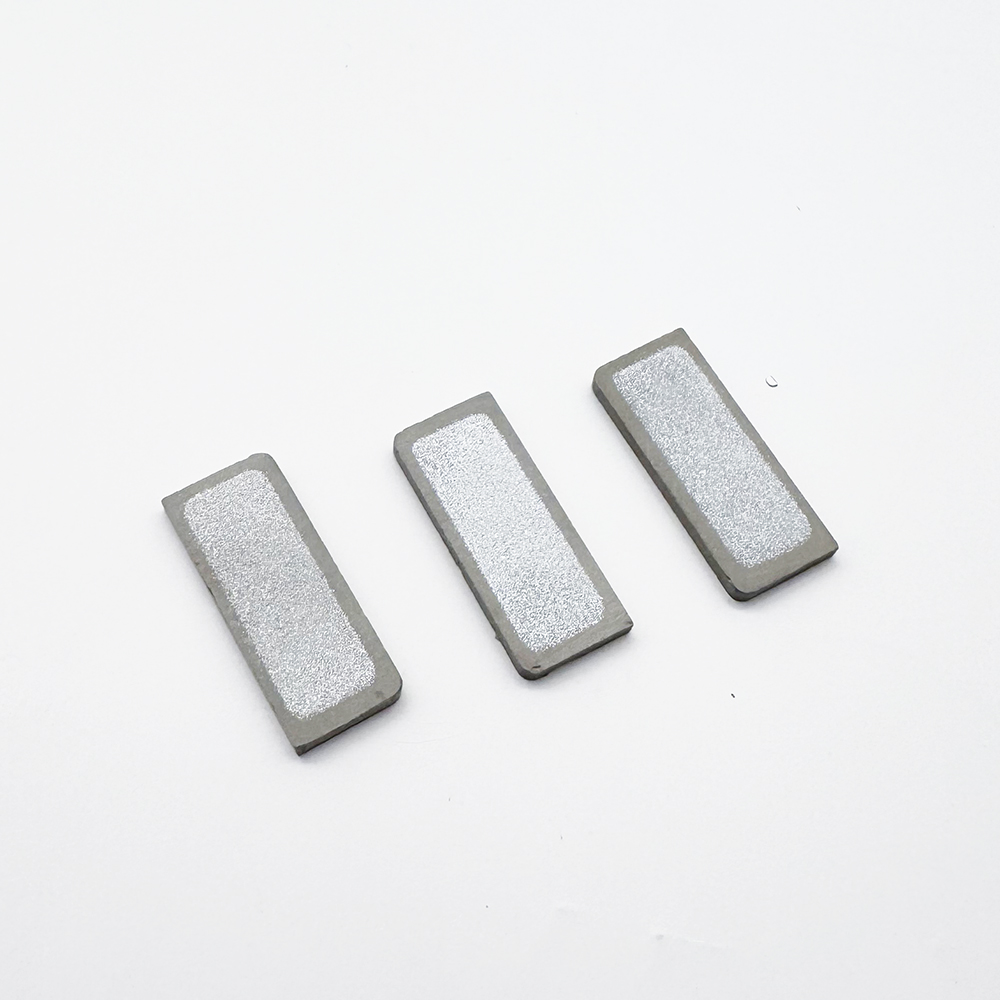
Rectangle Ceramic PTC Stone heating element

PTC heating elements are electric heating elements made of positive temperature coefficient (PTC) ceramic material. Their core features include automatic temperature regulation and over-temperature protection: At low temperatures, their resistance is low, allowing them to rapidly heat up upon power application. When the temperature reaches a specific critical point (the Curie temperature), their resistance increases dramatically, automatically reducing power consumption to avoid overheating. This adaptive feature ensures high safety and energy savings, enabling stable temperature control without the need for additional temperature control devices.

They are widely used in home appliances (such as air conditioning auxiliary heating and heaters), automotive electronics (seat heating and battery preheating), medical equipment, and industrial applications. Their compact design, long lifespan, and lack of open flames make them key components in modern intelligent thermal management solutions.

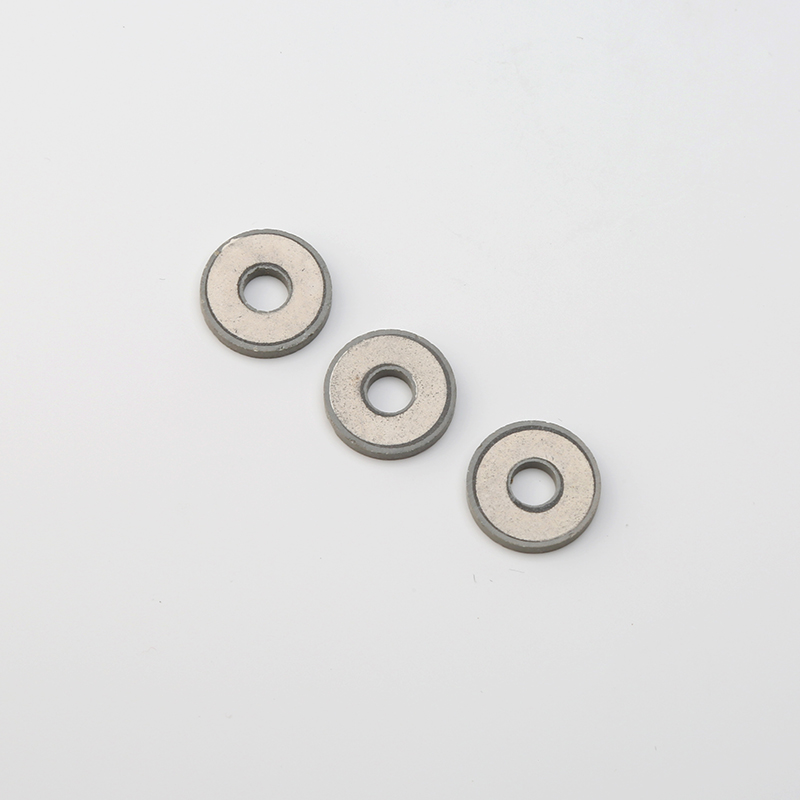
Ceramic PTC Stone heating element

PTC heating elements are electric heating elements made of positive temperature coefficient (PTC) ceramic material. Their core features include automatic temperature regulation and over-temperature protection: At low temperatures, their resistance is low, allowing them to rapidly heat up upon power application. When the temperature reaches a specific critical point (the Curie temperature), their resistance increases dramatically, automatically reducing power consumption to avoid overheating. This adaptive feature ensures high safety and energy savings, enabling stable temperature control without the need for additional temperature control devices.

They are widely used in home appliances (such as air conditioning auxiliary heating and heaters), automotive electronics (seat heating and battery preheating), medical equipment, and industrial applications. Their compact design, long lifespan, and lack of open flames make them key components in modern intelligent thermal management solutions.

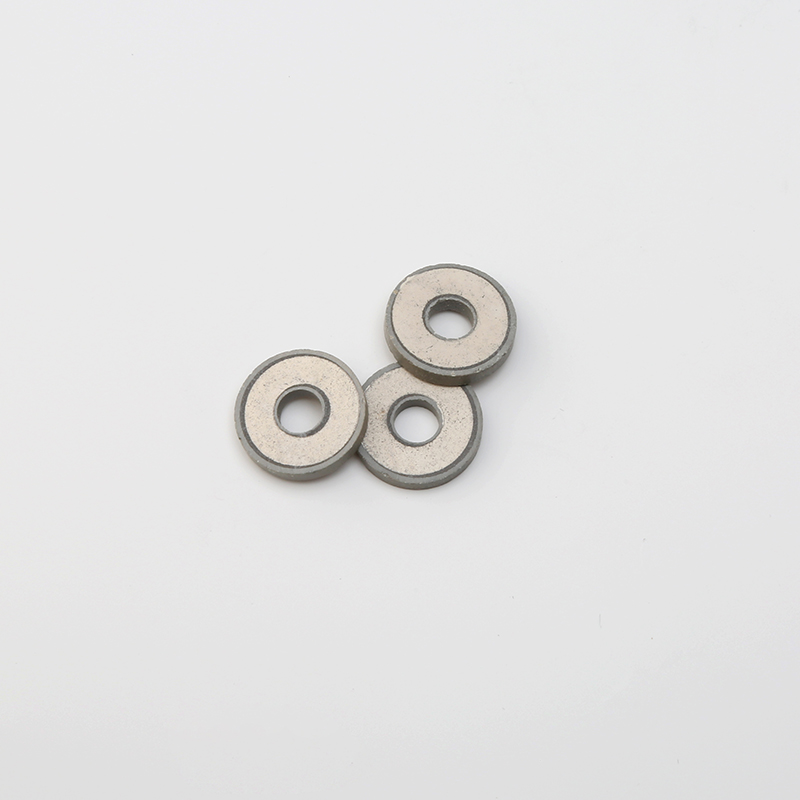
Ceramic PTC heating element

PTC heating elements are electric heating elements made of positive temperature coefficient (PTC) ceramic material. Their core features include automatic temperature regulation and over-temperature protection: At low temperatures, their resistance is low, allowing them to rapidly heat up upon power application. When the temperature reaches a specific critical point (the Curie temperature), their resistance increases dramatically, automatically reducing power consumption to avoid overheating. This adaptive feature ensures high safety and energy savings, enabling stable temperature control without the need for additional temperature control devices.

They are widely used in home appliances (such as air conditioning auxiliary heating and heaters), automotive electronics (seat heating and battery preheating), medical equipment, and industrial applications. Their compact design, long lifespan, and lack of open flames make them key components in modern intelligent thermal management solutions.