Dongguan Tianrui Electronics Co., Ltd.
Dongguan Tianrui Electronics Co., Ltd. logo


Description
Privacy Policy
Reviews

规格

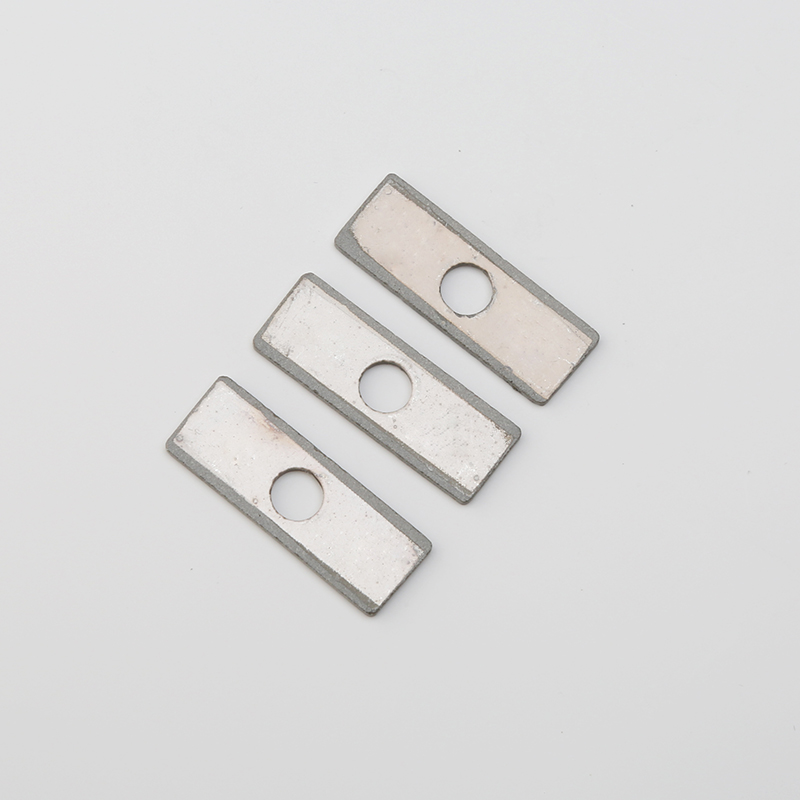
品名:PTC恒温加热元件

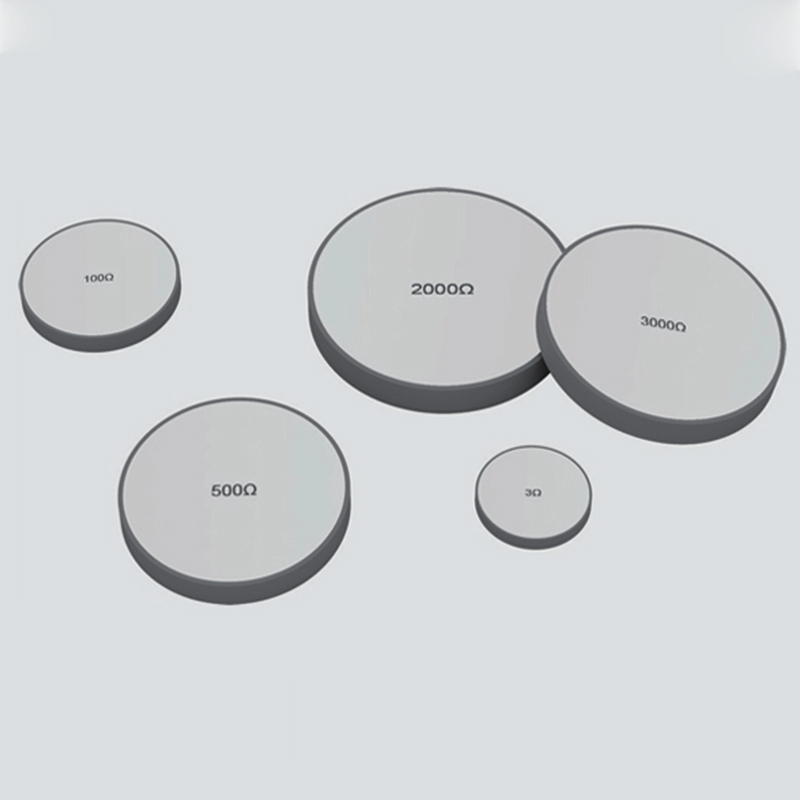
零功率电阻值:0.8-9.00Ω

额定电压:3.6V-18V

居里温度:1700℃

应用:适用于电子驱蚊器、汽车电热水瓶、咖啡壶、桑拿美容器等类似电热器具的恒温加热。

模型 额定电压 零力量抵抗值 居里温度 方面
MZ9-YHA-1 220V AC
1000Ω~4000Ω
240°C Φ20×2.5mm
MZ9-YHD-1 24V DC 10Ω~50Ω 220°C Φ20×2.0mm
MZ9-YHA-1 220V AC 1000Ω~4000Ω 80°C Φ16×2.5mm
MZ9-YHA-2 220V AC 1000Ω~4000Ω 220°C Φ8×2.5mm
MZ9-YHA-3 220V AC 1000Ω~4000Ω 180°C Φ6×2.5mm

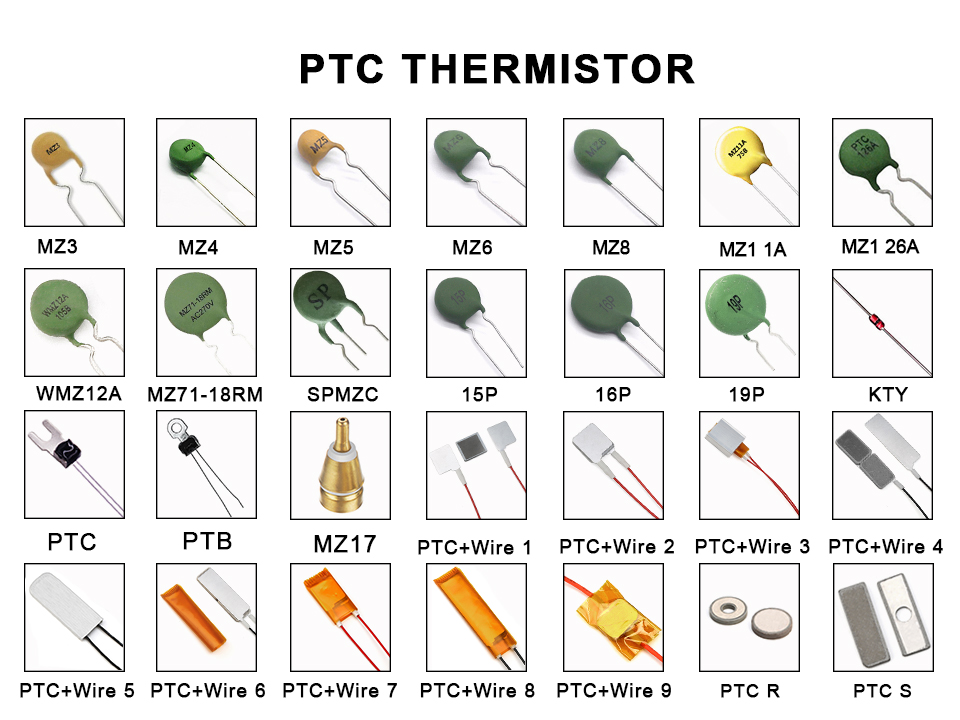
PTC thermostatic heating elements for electronic mosquito repellents, car electric thermoses, coffee makers, and sauna beauty devices

People who viewed this also viewed

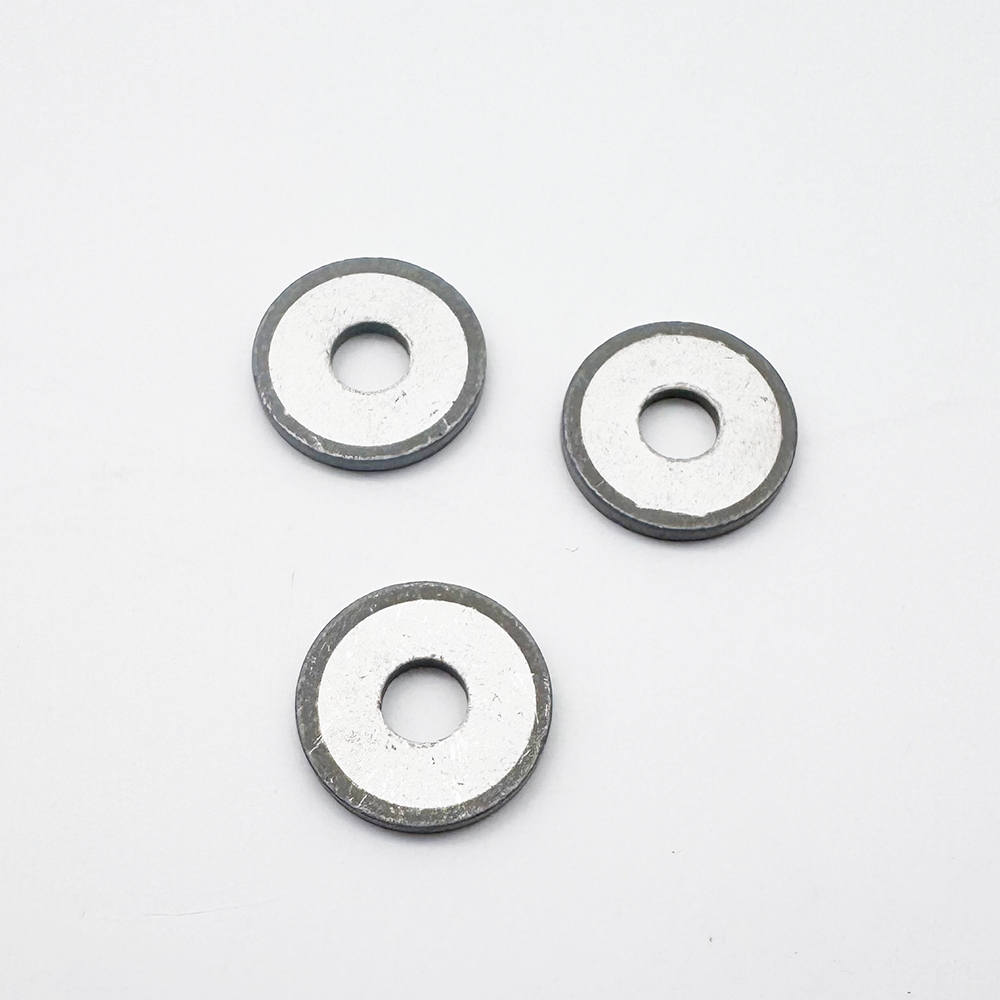
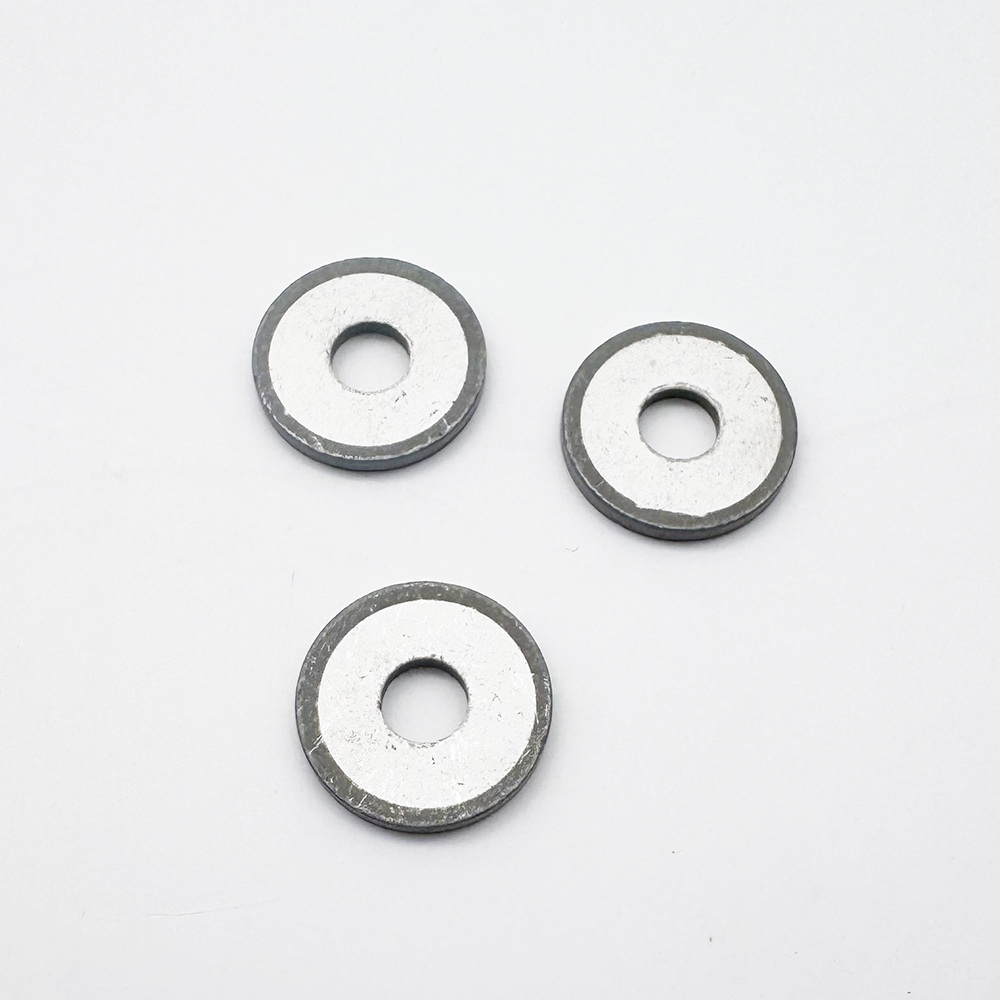
Round Ceramic PTC Stone heating element

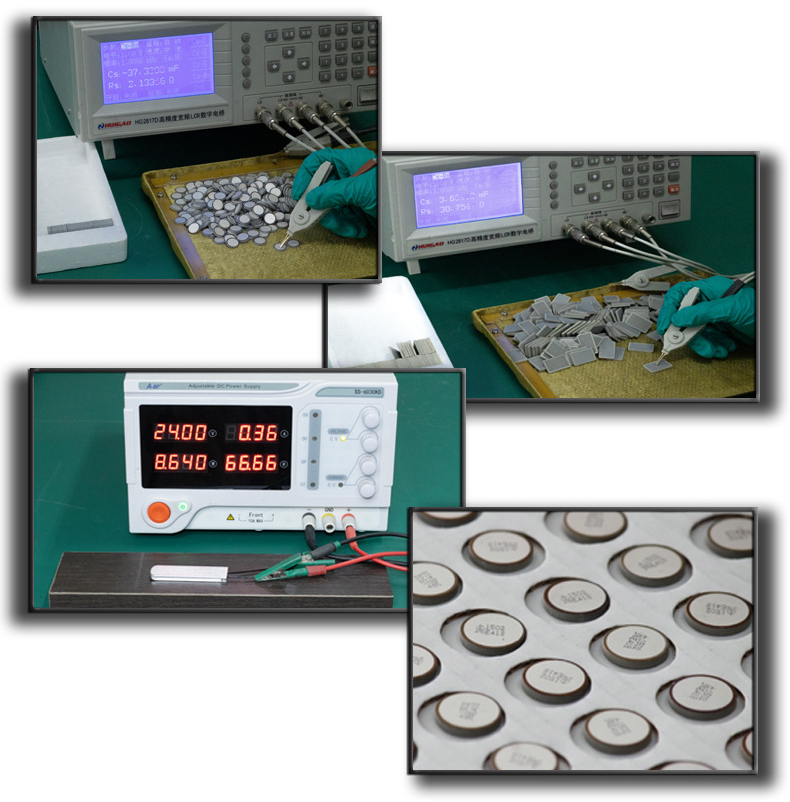
PTC heating elements are electric heating elements made of positive temperature coefficient (PTC) ceramic material. Their core features include automatic temperature regulation and over-temperature protection: At low temperatures, their resistance is low, allowing them to rapidly heat up upon power application. When the temperature reaches a specific critical point (the Curie temperature), their resistance increases dramatically, automatically reducing power consumption to avoid overheating. This adaptive feature ensures high safety and energy savings, enabling stable temperature control without the need for additional temperature control devices.

They are widely used in home appliances (such as air conditioning auxiliary heating and heaters), automotive electronics (seat heating and battery preheating), medical equipment, and industrial applications. Their compact design, long lifespan, and lack of open flames make them key components in modern intelligent thermal management solutions.

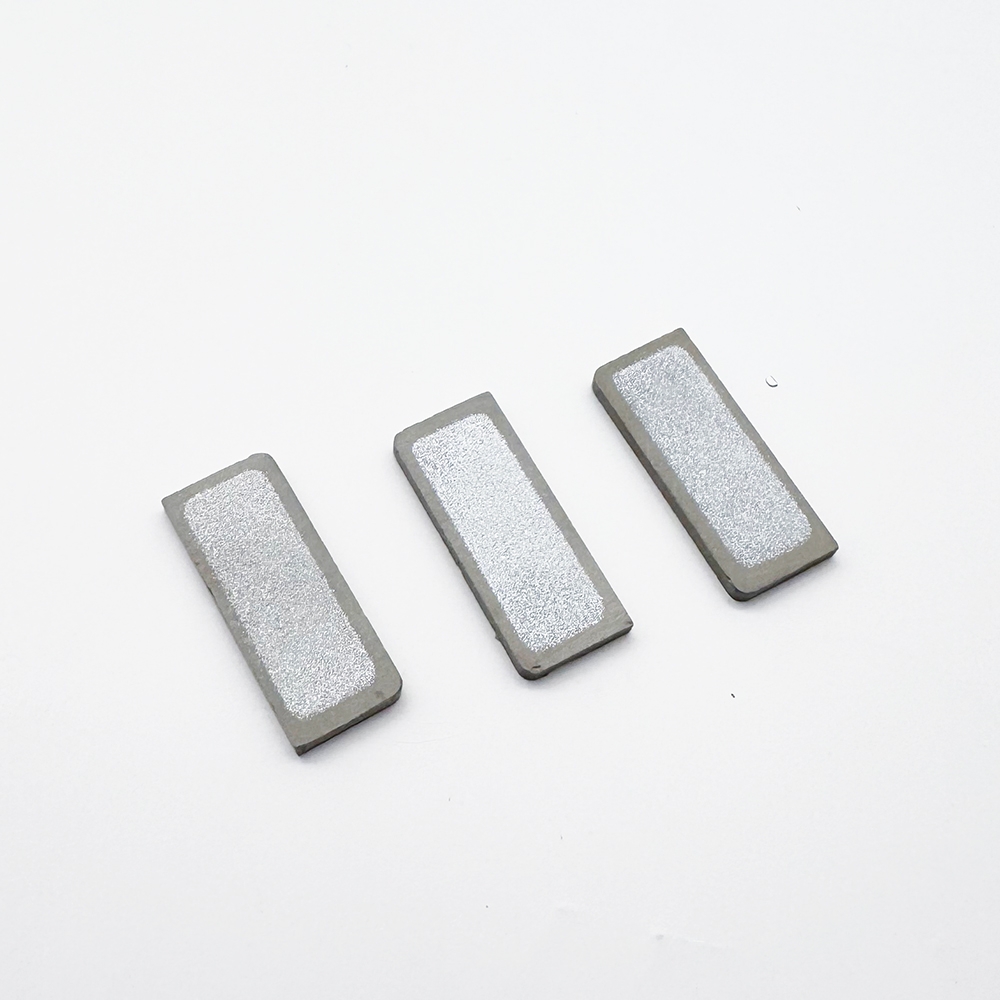
Rectangle Ceramic PTC Stone heating element

PTC heating elements are electric heating elements made of positive temperature coefficient (PTC) ceramic material. Their core features include automatic temperature regulation and over-temperature protection: At low temperatures, their resistance is low, allowing them to rapidly heat up upon power application. When the temperature reaches a specific critical point (the Curie temperature), their resistance increases dramatically, automatically reducing power consumption to avoid overheating. This adaptive feature ensures high safety and energy savings, enabling stable temperature control without the need for additional temperature control devices.

They are widely used in home appliances (such as air conditioning auxiliary heating and heaters), automotive electronics (seat heating and battery preheating), medical equipment, and industrial applications. Their compact design, long lifespan, and lack of open flames make them key components in modern intelligent thermal management solutions.
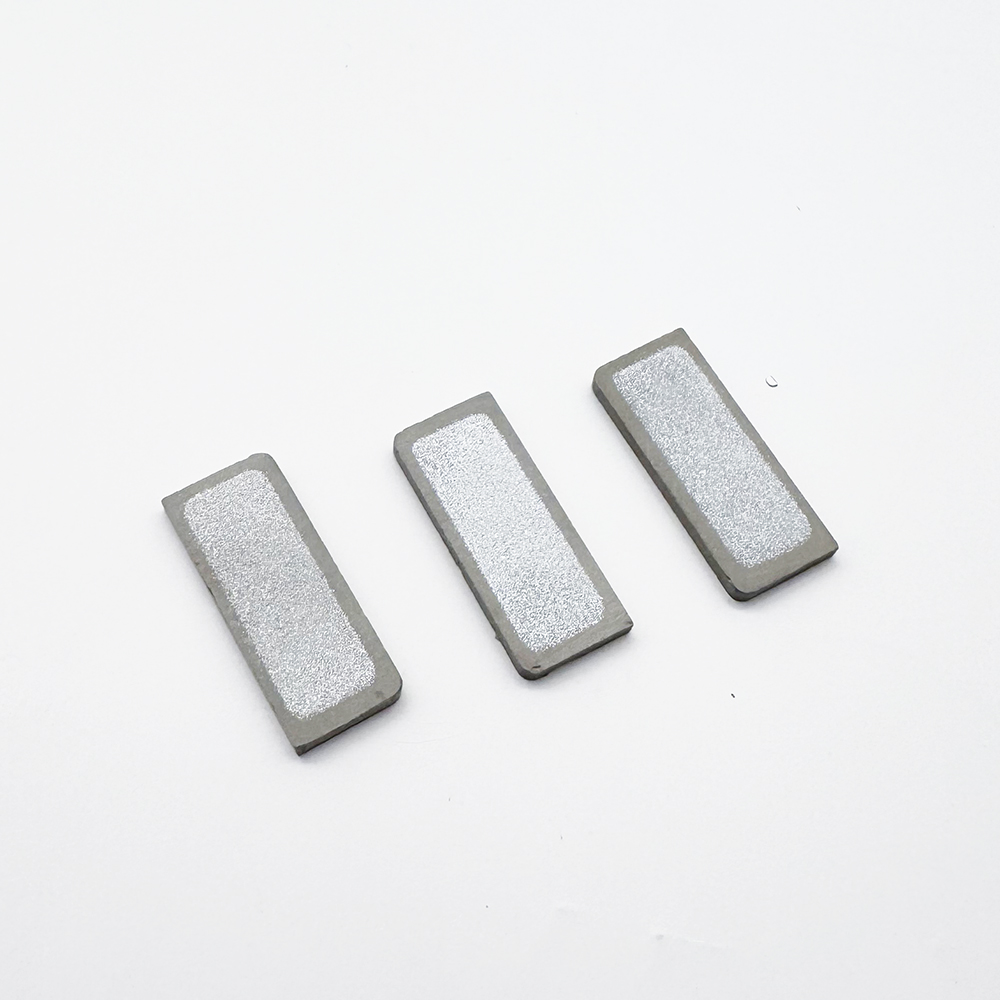
Ceramic PTC Stone heating element

PTC heating elements are electric heating elements made of positive temperature coefficient (PTC) ceramic material. Their core features include automatic temperature regulation and over-temperature protection: At low temperatures, their resistance is low, allowing them to rapidly heat up upon power application. When the temperature reaches a specific critical point (the Curie temperature), their resistance increases dramatically, automatically reducing power consumption to avoid overheating. This adaptive feature ensures high safety and energy savings, enabling stable temperature control without the need for additional temperature control devices.

They are widely used in home appliances (such as air conditioning auxiliary heating and heaters), automotive electronics (seat heating and battery preheating), medical equipment, and industrial applications. Their compact design, long lifespan, and lack of open flames make them key components in modern intelligent thermal management solutions.
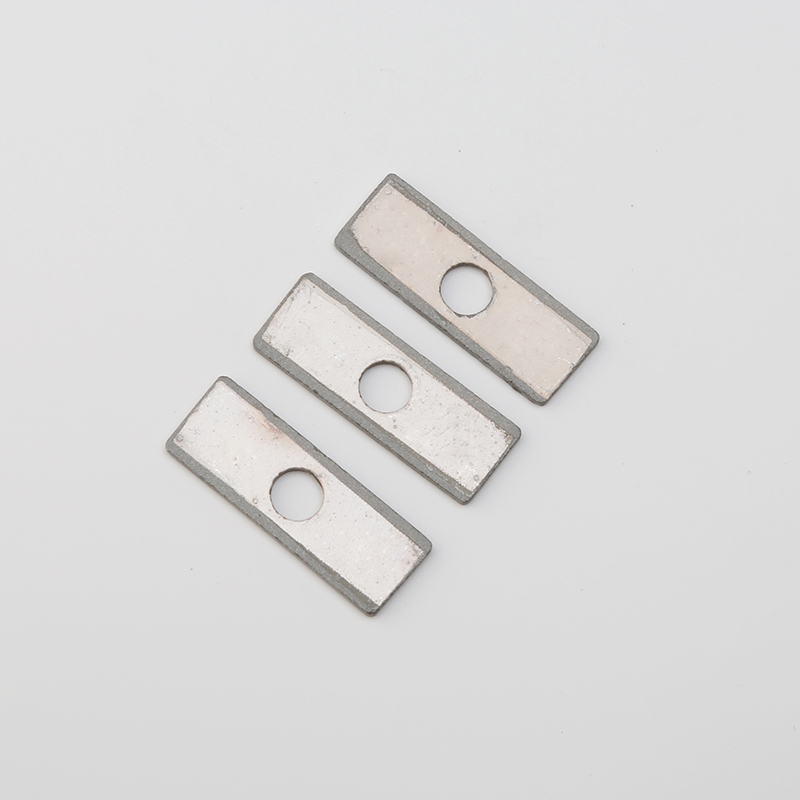
Ceramic PTC heating element

PTC heating elements are electric heating elements made of positive temperature coefficient (PTC) ceramic material. Their core features include automatic temperature regulation and over-temperature protection: At low temperatures, their resistance is low, allowing them to rapidly heat up upon power application. When the temperature reaches a specific critical point (the Curie temperature), their resistance increases dramatically, automatically reducing power consumption to avoid overheating. This adaptive feature ensures high safety and energy savings, enabling stable temperature control without the need for additional temperature control devices.

They are widely used in home appliances (such as air conditioning auxiliary heating and heaters), automotive electronics (seat heating and battery preheating), medical equipment, and industrial applications. Their compact design, long lifespan, and lack of open flames make them key components in modern intelligent thermal management solutions.